Selecting the Right Circulating Bath For Your Laboratory

Last Updated: November 13, 2025

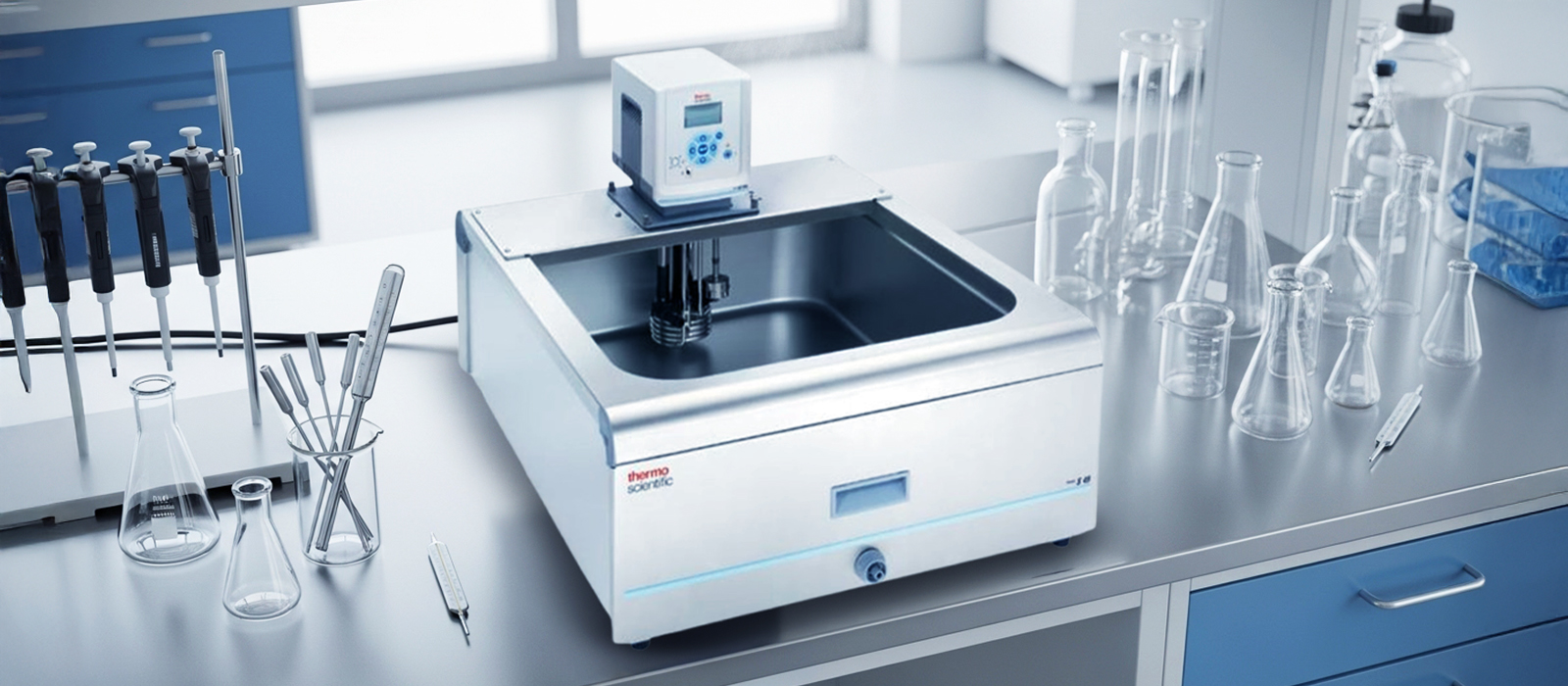
Circulating Bath

Explore the key factors to look at in a circulating bath and ensure accurate temperature control for materials testing, biological processes, and other applications.

As its name suggests, a circulating bath circulates fluid within a chamber or through external equipment to maintain samples, instruments, or processes at a consistent temperature range. For temperature-sensitive work, an open or closed-loop temperature control system is a must-have.

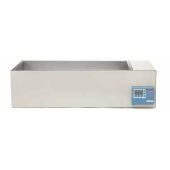
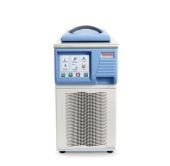
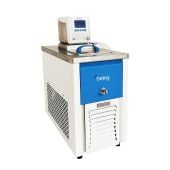
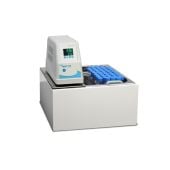
In most labs, this piece of equipment comes in different types: heating, cooling, or both. Heating circulating baths are a staple for sample incubation and enzyme reactions, while cooling circulating baths or chillers are typically used to cool instruments or control reactions. For tasks that require both heating and cooling functions, such as materials analysis and environmental testing, refrigerated circulating baths are ideal.

What to Consider When Choosing a Circulating Bath

Although choosing a circulating bath based on the required temperature is straightforward, that is but one of the several important considerations. Here is a comprehensive rundown of the essential points to look at to find the best circulating bath for your lab.

Temperature Control Icon

Temperature Range

Selecting a unit that has a slightly wider range than your target temperatures is better. This can result in a consistent performance and a longer system lifespan.

Most circulating baths operate from ambient +5°C to 100°C, while specialized models can reach as low as –40°C and as high as 200°C. However, if your work needs precise sub-ambient temperatures, a refrigerated circulating bath is recommended.

Temperature Stability Icon

Temperature Stability and Uniformity

Stability measures how well the bath maintains a set temperature over time, while uniformity pertains to the consistency of temperature throughout the bath fluid.

Your applications determine the required stability. For instance, general tasks need ±0.1°C, but materials testing requires as tight as ±0.01°C. Uniformity is critical; even if you meet the target temperature stability, a failure to provide even heating or cooling will result in inaccurate data.

Circulating Bath Icon

Bath Capacity and Fluid Volume

Choose a unit that can accommodate the largest expected sample load in your current and future laboratory work. Plus, it should have enough room for circulation.

Keep in mind that overfilling the bath reduces circulation efficiency and causes overflow. On the other hand, underfilling can lead to uneven heating or damage the pump. For smaller loads, a capacity of 3L to 30L should be sufficient. Otherwise, industrial-scale baths are the better option.

Flow Rate Icon

Pumping Capacity and Flow Rate

For external applications, a circulating bath with an adjustable pump or a dual-stage pumping system is ideal, as it balances both internal and external flow needs. In this setup, the pump sends fluid to the attached equipment, such as a viscometer, a refractometer, or a jacketed reactor.

In addition to pumping capacity, flow rate and pressure are just as important. These factors affect how quickly heat is transferred. High-flow systems are essential for maintaining temperature stability in external loops or large-volume applications. For equipment located above the bath, consider the head pressure specification, as this determines the maximum vertical distance the fluid can be effectively pumped.

Chemical Compatibility Icon

Type of Bath Fluid

Using incompatible fluid can damage the equipment or cause temperature instability. Opt for circulating baths compatible with the bath fluids you use in your lab. Water, silicone oil, and mixtures of ethanol or glycol are commonly used as bath fluids. Check for viscosity, freezing and boiling points, and chemical compatibility with both your samples and the bath materials.

Safety Icon

Safety Features

Automatic shut-off, low-fluid-level sensors, over-temperature protection, and other built-in safety features help ensure safe operation. Also, check whether the units have undergone testing and meet the UL, CE, and ISO 9001 standards. Other features, such as locking control panels, error alarms, and password-protected interfaces, will also be useful, especially in a shared lab environment.

Environmental Testing Icon

Energy Efficiency and Environmental Considerations

Circulating baths typically run for long periods and consume more energy, so efficient design makes a big difference. Units equipped with Peltier technology are recommended since they consume less energy, generate less noise, and do not use refrigerants. However, note that Peltier units generally have a more limited temperature range and capacity. Their upfront cost can be higher, but they require less maintenance in the long run.

For refrigerated circulating baths, choose those that use CFC-free refrigerants with a low global warming potential. In fact, units that comply with international environmental regulations (EPA SNAP, EU F-Gas, or the Montreal Protocol) are preferred in sustainable laboratories.

While costs and savings will always come into play in decision-making, lab managers today can choose from more options that not only perform well and meet their requirements but are also energy efficient and environmentally friendly.


The Lab Depot offers reliable circulating baths from Thermo Scientific, PolyScience, Yamato Scientific, and other trusted manufacturers. To ensure you match your application's specific temperature, flow, and stability needs to the perfect model, please contact us at 1-800-733-2522, by email, or through the live chat feature on our website.

Request A Quote

Customer Information
Shipping Address
Billing Address

Will you need a lift gate? *

(For deliveries requiring a LTL truck and the customer does not have a dock door)

Would you like to add shipping amount to quote? *

Are you tax exempt? *

(If you are tax exempt, please email your tax exemption form to [email protected])

Upload PDF: