

Exploring The Chemical Resistance of Resins and Polyethylene
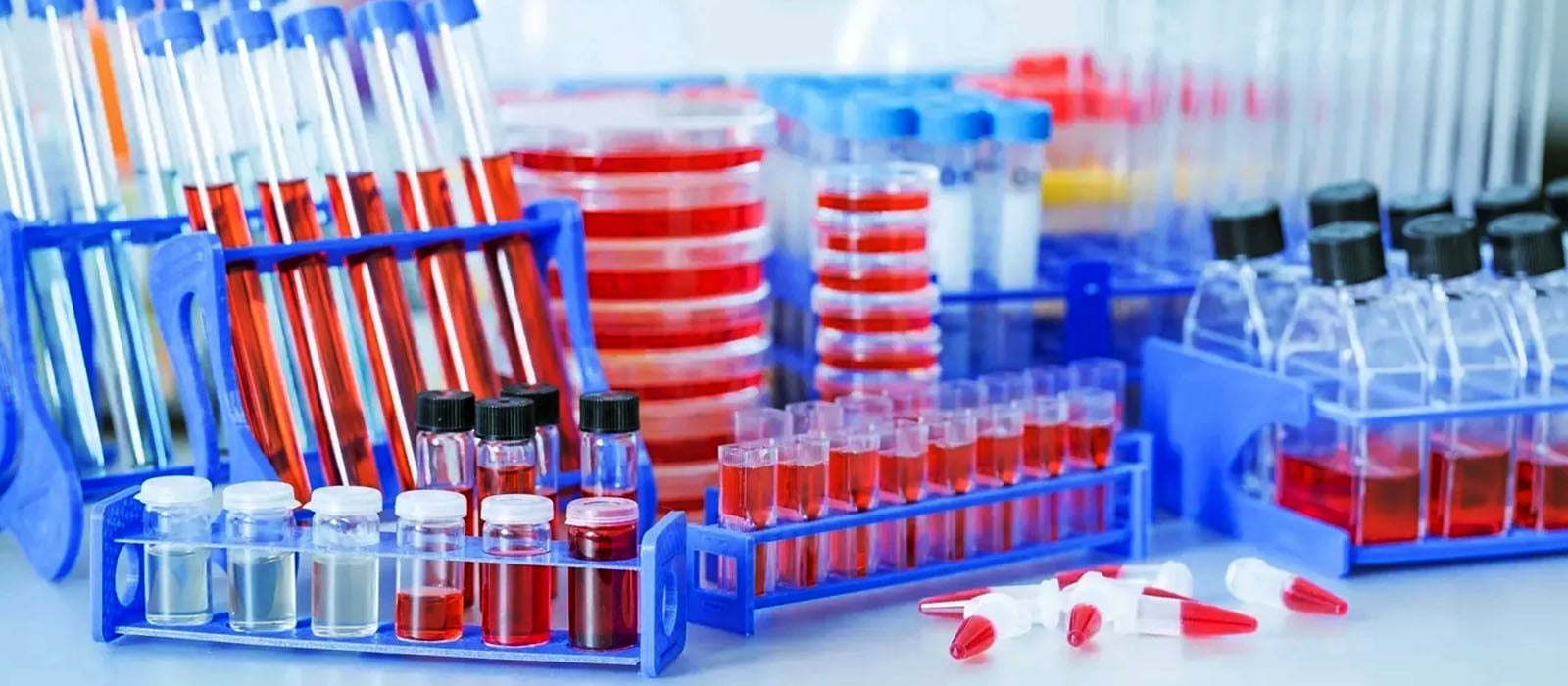
Using a chemical compatibility chart, find the most suitable plastic containers, bottles, and vials for storing, processing, and transporting chemicals.
Chemical compatibility pertains to the ability of a substance to remain stable when mixed with another substance. Chemical substances are deemed compatible if they do not initiate a combined reaction.
For efficient guidance, a chemical compatibility chart provides detailed information on the suitability and reactivity of various chemicals with different materials or other chemicals. It is a practical resource for determining proper storage combinations, suitable equipment, safe chemical transportation methods, and potential hazards.
In this guide, you will get an insight into how resistant certain resins are to chemicals and have an in-depth look at the chemical resistance of HDPE and LDPE to specific chemicals. You will also learn more about common chemicals and find the answers to some of the most frequently asked questions about chemical compatibility.
Chemical Resistance Reference Charts
Chemical Resistance of Resins
The chart below shows how certain resins can withstand different chemicals at 20°C.
| ETFE | FEP/ TFE / PFA | FLPE | FLPP | HDPE | LDPE | PC | PETG | PP | PVC | TPE*** | |
|---|---|---|---|---|---|---|---|---|---|---|---|
| Weak/Dilute Acids | E | E | E | E | E | E | E | G | E | E | G |
| Strong/Concentrated Acids** | E | E | G | G | G | G | G | X | G | G | F |
| Aliphatic Alcohols | E | E | E | E | E | E | G | G | E | G | E |
| Aldehydes | E | E | G | G | G | G | G | G | G | G | G |
| Bases/Alkali | E | E | F | E | E | E | N | X | E | E | F |
| Esters | G | E | G | G | G | G | X | G | G | X | X |
| Aliphatic Hydrocarbons | E | E | E | G | G | F | G | G | G | G | E |
| Aromatic Hydrocarbons | G | E | E | X | X | X | X | X | X | X | X |
| Halogenated Hydrocarbons | G | E | G | F | X | X | X | X | X | X | F |
| Aromatic Ketones | G | E | G | G | X | X | X | X | X | F | X |
| Strong Oxidizing Agents | E | E | F | F | F | F | F | F | F | G | X |
Note: These are not recommended for tubing chemical resistance (except PVC) **excludes oxidizing acids (refer to strong oxidizing agents) ***TPE gaskets
Chemical Compatibility Chart Ratings
- Excellent (E) - No damage occurs after 30 days of constant exposure. Plastic can withstand this for years.
- Good (G) - There is little or no damage after 30 days of constant exposure to the reagent.
- Fair (F) - Some effects may be observed after 7 days of exposure to the reagent. These effects may include crazing, cracking, loss of strength, or discoloration.
- Not Recommended (X) - It is not recommended. Immediate damage may occur. Depending on the type of plastic, the effects may be severe, including crazing, cracking, loss of strength, discoloration, deformation, dissolution, or permeation loss.
Polyethylene Resistance Chart
This chart shows the chemical compatibility of LDPE and HDPE when evaluated at 20℃ and 50℃ with continuous exposure for 7 days and, if applicable, 30 days.
| Chemical | Resistance at 20°C | Resistance at 50°C |
|---|---|---|
| 1.4-dioxane | LDPE / HDPE: Little or no damage after 30 days. | LDPE: Shows some effect after 7 days. |
| Acetaldehyde | LDPE / HDPE: Little or no damage after 30 days. | HDPE: Shows some effect after 7 days. LDPE: Immediate damage may occur. |
| Acetic Acid 5 % | LDPE / HDPE: Little or no damage after 30 days. | |
| Acetic Acid, glacial 50% | LDPE / HDPE: Little or no damage after 30 days. | LDPE: Immediate damage may occur. |
| Acetone | LDPE / HDPE: Damage may occur. Not recommended for continuous use. |
LDPE / HDPE: Damage may occur. Not recommended for continuous use. |
| Allyl Alcohol | LDPE / HDPE: Little or no damage after 30 days. | |
| Aluminum salts | LDPE / HDPE: Little or no damage after 30 days. | |
| Amino acids | LDPE / HDPE: Little or no damage after 30 days. | |
| Ammonia | LDPE / HDPE: Little or no damage after 30 days. | |
| Ammonium carbonate saturated | LDPE / HDPE: Little or no damage after 30 days. | |
| Ammonium phosphate | LDPE / HDPE: Little or no damage after 30 days. | |
| Ammonium sulfate | LDPE / HDPE: Little or no damage after 30 days. | |
| Amyl chloride | HDPE: Shows some effect after 7 days. LDPE: Immediate damage may occur. Not recommended for continuous use. |
HDPE / LDPE: Immediate damage may occur. Not recommended for continuous use. |
| Aniline | LDPE / HDPE: Little or no damage after 30 days. | HDPE: Shows some effect after 7 days. |
| Benzene | LDPE / HDPE: Damage may occur. Not recommended for continuous use. |
|
| Benzyl alcohol | HDPE: Shows some effect after 7 days. | LDPE / HDPE: Immediate damage may occur. |
| Boric acid | LDPE / HDPE: Little or no damage after 30 days. | |
| Bromine | HDPE: Shows some effect after 7 days. | LDPE / HDPE: Immediate damage may occur. |
| Butyric acid | HDPE: Shows some effect after 7 days. | LDPE / HDPE: Immediate damage may occur. |
| Calcium chloride | LDPE / HDPE: Little or no damage after 30 days. | |
| Calcium hydroxide saturated | LDPE / HDPE: Little or no damage after 30 days. | |
| Carbon tetrachloride | HDPE: Shows little or no damage after 30 days. LDPE: Shows some effect after 7 days. |
LDPE: Not recommended. HDPE: Shows some effect after 7 days |
| Chlorine 10% in water | LDPE / HDPE: Shows little or no damage after 30 days. | LDPE: Shows damage and is not recommended. |
| Chlorobenzene | Immediate damage may occur. Not recommended for continuous use. |
|
| Chloroform | LDPE / HDPE: Shows some effect after 7 days. | LDPE / HDPE: Immediate damage may occur. Not recommended for continuous use. |
| Chromic acid 10% | LDPE / HDPE: Little or no damage after 30 days. | |
| Chromic acid 50% | LDPE / HDPE: Little or no damage after 30 days. | |
| Citric acid 10% | LDPE / HDPE: Little or no damage after 30 days. | |
| Cresol | HDPE: Shows some effect after 7 days. LDPE: Shows immediate damage. Not recommended for continuous use. |
LDPE / HDPE: Shows immediate damage. Not recommended for continuous use. |
| Cyclohexane | LDPE / HDPE: Shows some effect after 7 days. | LDPE / HDPE: Immediate damage may occur. |
| Diethyl ketone | LDPE / HDPE: Damage may occur. Not recommended for continuous use. |
|
| Dimethylsulfoxide | LDPE / HDPE: Little or no damage after 30 days. | |
| Ethanol 95% | LDPE / HDPE: Little or no damage after 30 days. | |
| Ethyl acetate | LDPE / HDPE: Little or no damage after 30 days. | |
| Ethyl benzene | HDPE: Shows some effect after 7 days. LDPE: Shows immediate damage. Not recommended for continuous use. |
LDPE / HDPE: Shows immediate damage. Not recommended for continuous use. |
| Ethylene glycol | LDPE / HDPE: Little or no damage after 30 days. | |
| Ethylene oxide | HDPE: Shows little or no damage after 30 days. LDPE: Shows some effect after 7 days. |
LDPE / HDPE: Shows some effect after 7 days. |
| Ferric chloride | LDPE / HDPE: Little or no damage after 30 days. | |
| Fluoride | LDPE / HDPE: Little or no damage after 30 days. | |
| Fluorine | HDPE: Shows little or no damage after 30 days. LDPE: Shows some effect after 7 days. |
Not recommended. |
| Formaldehyde 10% | LDPE / HDPE: Little or no damage after 30 days. | |
| Formaldehyde 40% | LDPE / HDPE: Little or no damage after 30 days. | |
| Glycerol | LDPE / HDPE: Little or no damage after 30 days. | |
| Hexane | HDPE: Shows little or no damage after 30 days continuous use. LDPE: Not recommended at any temperature. |
HDPE: Shows some effect after 7 days. LDPE: Not recommended at any temperature. |
| Hydrochloric acid 20% | LDPE / HDPE: Little or no damage after 30 days. | |
| Hydrochloric acid 35% | LDPE / HDPE: Little or no damage after 30 days. | |
| Hydrochloric acid 5% | LDPE / HDPE: Little or no damage after 30 days. | |
| Hydrocyanic acid | LDPE / HDPE: Little or no damage after 30 days. | |
| Hydrofluoric acid | LDPE / HDPE: Little or no damage after 30 days. | |
| Hydrofluoric acid 4% | LDPE / HDPE: Little or no damage after 30 days. | |
| Hydrofluoric acid 48% | LDPE / HDPE: Little or no damage after 30 days. | |
| Hydrogen peroxide 3% | LDPE / HDPE: Little or no damage after 30 days. | |
| Hydrogen peroxide 30% | LDPE / HDPE: Little or no damage after 30 days. | |
| Isobutyl alcohol | LDPE / HDPE: Little or no damage after 30 days. | |
| Isopropyl alcohol | LDPE / HDPE: Little or no damage after 30 days. | |
| Kerosene | LDPE / HDPE: Shows some effect after 7 days. | LDPE / HDPE: Not recommended, as immediate damage may occur. |
| Lactic Acid 10 % | LDPE / HDPE: Little or no damage after 30 days. | |
| Lactic Acid 90 % | LDPE / HDPE: Little or no damage after 30 days. | |
| Lead acetate | LDPE / HDPE: Little or no damage after 30 days. | |
| Methanol | LDPE / HDPE: Little or no damage after 30 days. | |
| Methyl ethyl ketone | Immediate damage may occur. Not recommended for continuous use. |
|
| Methyl propyl ketone | HDPE: Shows some effect after 7 days. LDPE: Immediate damage may occur. Not recommended for continuous use. |
LDPE / HDPE: Immediate damage may occur. Not recommended for continuous use. |
| Methylene chloride | HDPE: Shows some effect after 7 days. LDPE: Immediate damage may occur. Not recommended for continuous use. |
LDPE / HDPE: Immediate damage may occur. Not recommended for continuous use. |
| Mineral oil | LDPE / HDPE: Little or no damage after 30 days. | LDPE: May show immediate damage and is not recommended. |
| n-amyl acetate | LDPE / HDPE: Little or no damage after 30 days. | LDPE: Shows some effect after 7 days or constant exposure. |
| n-butyl alcohol | LDPE / HDPE: Little or no damage after 30 days. | |
| Nitric acid 50 % | LDPE: Shows little or damage after 30 days. HDPE: Shows effect after 7 days. |
HDPE: Shows immediate damage and is not recommended. LDPE: Shows effect after 7 days. |
| Nitric acid 70 % | LDPE / HDPE: Shows some effect after 7 days. | LDPE / HDPE: Shows immediate damage. Not recommended. |
| n-octane | LDPE / HDPE: Little or no damage after 30 days. | |
| Oleic acid | HDPE: Little or no damage after 30 days. LDPE: Shows immediate damage and is not recommended. |
|
| Oxalic acid | LDPE: Shows some effect after 7 days. HDPE: Shows little/ no damage after 30 days. |
LDPE / HDPE: Shows little/ no damage after 30 days. |
| Ozone | LDPE / HDPE: Little or no damage after 30 days. | LDPE / HDPE: Shows immediate damage. Not recommended. |
| Perchloric acid | LDPE / HDPE: Little or no damage after 30 days. | LDPE / HDPE: Shows immediate damage. Not recommended. |
| Perchloric ethylene | LDPE / HDPE: Shows immediate damage. Not recommended. |
|
| Phenol | LDPE / HDPE: Shows immediate damage. Not recommended. |
|
| Phosphoric acid 10% | LDPE / HDPE: Little or no damage after 30 days. | |
| Phosphoric acid 85% | LDPE / HDPE: Little or no damage after 30 days. | LDPE: Shows immediate damage and is not recommended. |
| Phosphorous trichloride | LDPE / HDPE: Little or no damage after 30 days. | LDPE: Has no data available. HDPE: Shows some effect after 7 days. |
| Potassium carbonate | LDPE / HDPE: Little or no damage after 30 days. | |
| Potassium hydroxide 5 % | LDPE / HDPE: Little or no damage after 30 days. | |
| Potassium hydroxide concentrated | LDPE / HDPE: Little or no damage after 30 days. | |
| Potassium permanganate | LDPE / HDPE: Little or no damage after 30 days. | |
| Propylene glycol | LDPE / HDPE: Little or no damage after 30 days. | |
| Pyridine | Immediate damage may occur. Not recommended for continuous use. |
|
| Salicylic acid, saturated | LDPE / HDPE: Little or no damage after 30 days. | |
| Silver acetate | LDPE / HDPE: Little or no damage after 30 days. | |
| Silver nitrate | LDPE / HDPE: Little or no damage after 30 days. | |
| Sodium carbonate | LDPE / HDPE: Little or no damage after 30 days. | |
| Sodium chloride, saturated | LDPE / HDPE: Little or no damage after 30 days. | |
| Sodium dichromate | LDPE / HDPE: Little or no damage after 30 days. | |
| Sodium hydroxide 1% | LDPE: Shows little or no damage after 30 days. HDPE: Shows some effect after 7 days. |
|
| Sodium hydroxide 50% | LDPE / HDPE: Little or no damage after 30 days. | |
| Sodium hypochlorite 15% | HDPE: Little or no damage after 30 days. LDPE: Is suitable. |
LDPE: Shows some effect after 7 days. HDPE: Little or no damage after 30 days. |
| Sodium nitrate | LDPE / HDPE: Little or no damage after 30 days. | |
| Sodium sulfate | LDPE / HDPE: Little or no damage after 30 days. | |
| Sucrose | LDPE / HDPE: Little or no damage after 30 days. | |
| Sulfuric acid 20% | LDPE / HDPE: Little or no damage after 30 days. | |
| Sulfuric acid 6% | LDPE / HDPE: Little or no damage after 30 days. | |
| Sulfuric acid 60% | LDPE / HDPE: Little or no damage after 30 days. | |
| Sulfuric acid 98% | LDPE: Shows little or no damage after 30 days. HDPE: Shows effect after 7 days. |
LDPE: Shows little or no damage after 30 days. HDPE: Not recommended. |
| Tannic acid | LDPE / HDPE: Little or no damage after 30 days. | |
| Tetrahydrofuran | LDPE / HDPE: Shows some effect after 7 days of constant exposure. | LDPE / HDPE: Shows immediate damage. Not recommended. |
| Toluene | LDPE: Shows some effect after 7 days of constant exposure. HDPE: Shows immediate damage. Not recommended. |
HDPE / LDPE: Shows immediate damage. Not recommended. |
| Trichloroacetic acid | LDPE / HDPE: Shows some effect after 7 days of constant exposure. | LDPE / HDPE: Shows immediate damage. Not recommended. |
| Trichloroethane | Immediate damage may occur. Not recommended for continuous use. |
|
| Turpentine oil | LDPE / HDPE: Shows some effect after 7 days. | LDPE / HDPE: Shows immediate damage. Not recommended. |
| Urea | LDPE / HDPE: Little or no damage after 30 days. | |
| Xylene | HDPE: Shows some effect after 7 days of constant exposure. LDPE: Shows immediate damage. Not recommended. |
LDPE / HDPE: Shows immediate damage. Not recommended. |
| Zinc chloride | LDPE / HDPE: Little or no damage after 30 days. | |
NOTE: Please be advised that many factors can influence the chemical resistance of a specific plastic product, such as the chemical’s concentration/purity, the condition of the container, wall thickness, and operating temperature. We highly recommend testing the container and chemical together to confirm compatibility.
An Overview of Common Chemicals
- Alcohols - Alcohols are organic compounds carrying a hydroxyl group bound to a saturated carbon atom. Ethanol, methanol, and sugar alcohols are some of the examples of alcohols.
- Alkalis - A subset of the bases, alkalis are hydroxides that dissolve in water. They are also carbonates of alkali metals, such as sodium, cesium, and lithium.
- Aliphatic Hydrocarbons - Aliphatic hydrocarbons, such as methane, butane, or propane, can be joined by single, double, or triple bonds, making them saturated or unsaturated.
- Aromatic Hydrocarbons - Unlike their counterparts, aromatic hydrocarbons have one or more benzene rings and are usually unreactive. When burned, they produce a strong yellow flame.
- Bases - Bases have a bitter taste and a slippery texture. Unlike acids, they have a pH greater than seven under standard conditions.
- Esters - Esters are derived from acids when an organyl group replaces a hydrogen atom in one or more acidic hydroxyl groups. They produce a fruity or sweet smell and are typically used as solvents for plastics, lacquers, and resins.
- Ketones - Ketones are organic compounds containing a carbon-oxygen double bond. Acetone, testosterone, and ketosis are examples of a ketone.
- Organic Acids - Lactic acid, citric acid, and uric acid are examples of organic acids, which are organic compounds with acidic properties. They are typically weak and insoluble in water.
- Oxidizing Agents - Oxidizing agents gain at least one electron during a chemical reaction. They also facilitate the transfer of electronegative atoms to a substrate.
Explore our glossary of common chemical names to discover various chemicals' technical and everyday names.
Essential Questions About Chemical Compatibility

Why is chemical compatibility important?
Chemical compatibility ensures that the materials used for storing, handling, processing, and transporting chemicals do not react adversely with each other. It helps prevent equipment degradation or contamination and promotes safety. Unexpected leaks or spills caused by incompatible chemicals can lead to explosions, endangering your health and the environment.
What type of plastic offers the best chemical resistance?
Polyethylene (LDPE and HDPE) is compatible with most chemicals. It can resist strong acids, bases, reducing agents, and gentle oxidants. Polypropylene (PP), although not as chemically resistant as polyethylene, offers superior resistance, but only to select chemicals. Meanwhile, polytetrafluoroethylene (PTFE) is ideal for extreme acids and oxidizers unsuitable for cheaper plastics. However, fuels and flammables requiring grounding should be stored in steel or stainless steel containers instead.
How is chemical resistance measured?
When testing for chemical resistance, materials are immersed in the chemical at room or elevated temperatures for a given period. Properties are recorded and evaluated before and after exposure to monitor the materials’ mass, volume, dimensions, hardness, and visual appearance changes. Mechanical properties, along with compression and bending properties, are also assessed.
We hope these chemical resistance reference charts and the information about chemical compatibility will keep you and your laboratories safe. Learn about chemical grades! You can also explore our Glossary of Common Chemical Names to discover various chemicals' technical and everyday names. If you have any questions, please contact our helpful sales team at 1-800-733-2522, email, or message us via live chat on our website.
Sources:
Chemical Compatibility Chart - LDPE, HDPE, PP, Teflon Resistance.
https://www.calpaclab.com/chemical-compatibility-charts/
Other References:
https://www.industrialspec.com/resources/chemical-compatibility/
https://www.atlasfibre.com/mastering-the-compatibility-of-chemicals-a-comprehensive-guide/