

What Is Pure Water in the Lab and How Do You Achieve It?
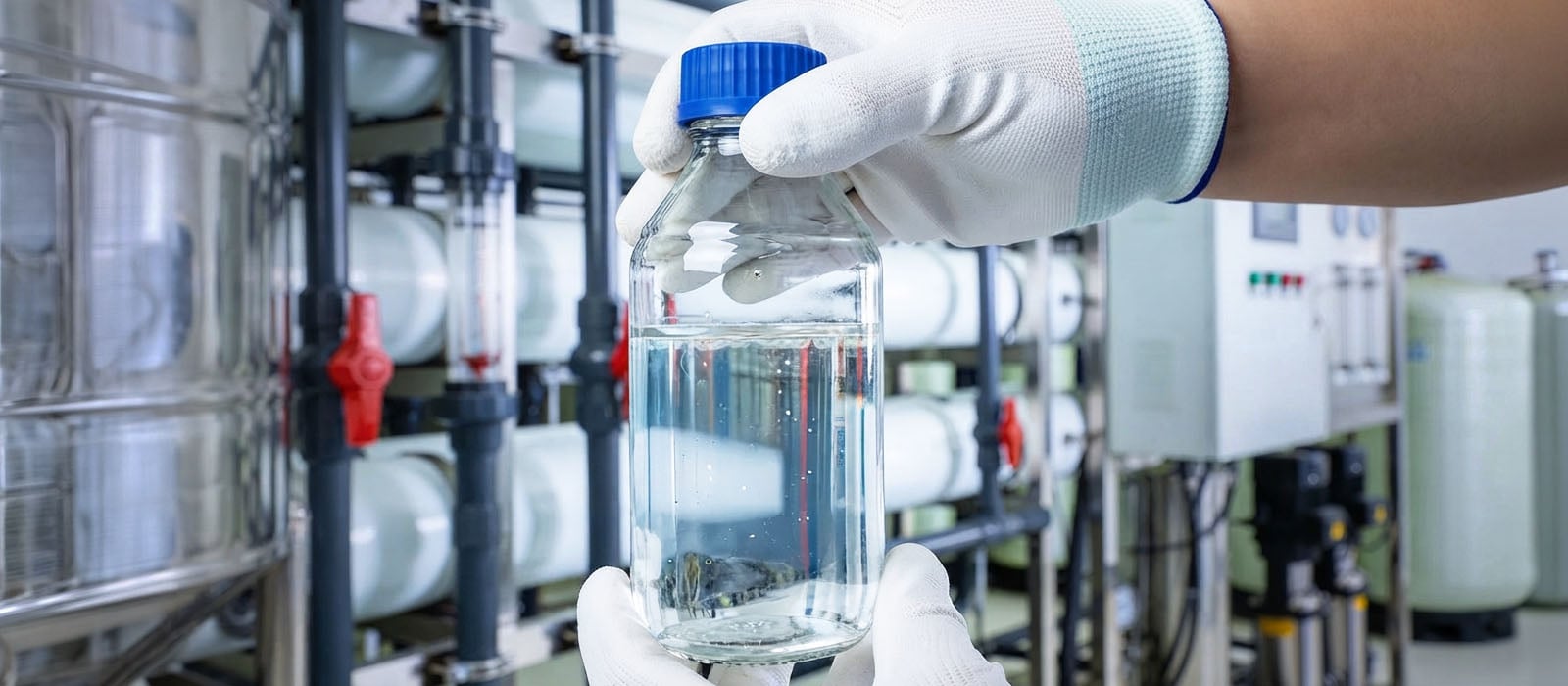
Explore how filtration, adsorption, ultrafiltration, and other water purification technologies ensure water purity for every application.
Pure water is the backbone of any lab. It's the go-to solvent you reach for when preparing standard solutions, microbiological media, and chemical reagents.
Unlike tap water, pure water is chemically neutral prior to atmospheric exposure . It has a neutral pH, no turbidity, and no conductivity or suspended particles to interfere with your results.
Water purity is generally categorized into three grades: Type I, II, and III.
| Water Grade | Purity Profile | Resistivity at 25°C | Primary Applications |
|---|---|---|---|
| Type I Water (Ultrapure Grade) |
Free of ions, organic compounds, biological contaminants, bacteria | 18.2 MΩ·cm | PCR, Cell Culture, HPLC, ICP-MS, Genomic Sequencing |
| Type II Water (Laboratory Grade) |
Highly deionized with low organic levels; may contain trace inorganic ions, low bacterial counts | > 1.0 MΩ·cm | Media Preparation, General Chemistry Assays, Spectrophotometry |
| Type III Water (Primary Grade) |
~90-99% of contaminants removed via reverse osmosis (RO); contains residual trace mineral, organic traces, bacteria | > 0.05 MΩ·cm | Glassware Rinsing, Water Baths, RO Pretreatment Feed |
To appreciate how pure water is achieved, we must first look at what needs to be removed.
What Are the Most Common Water Impurities?
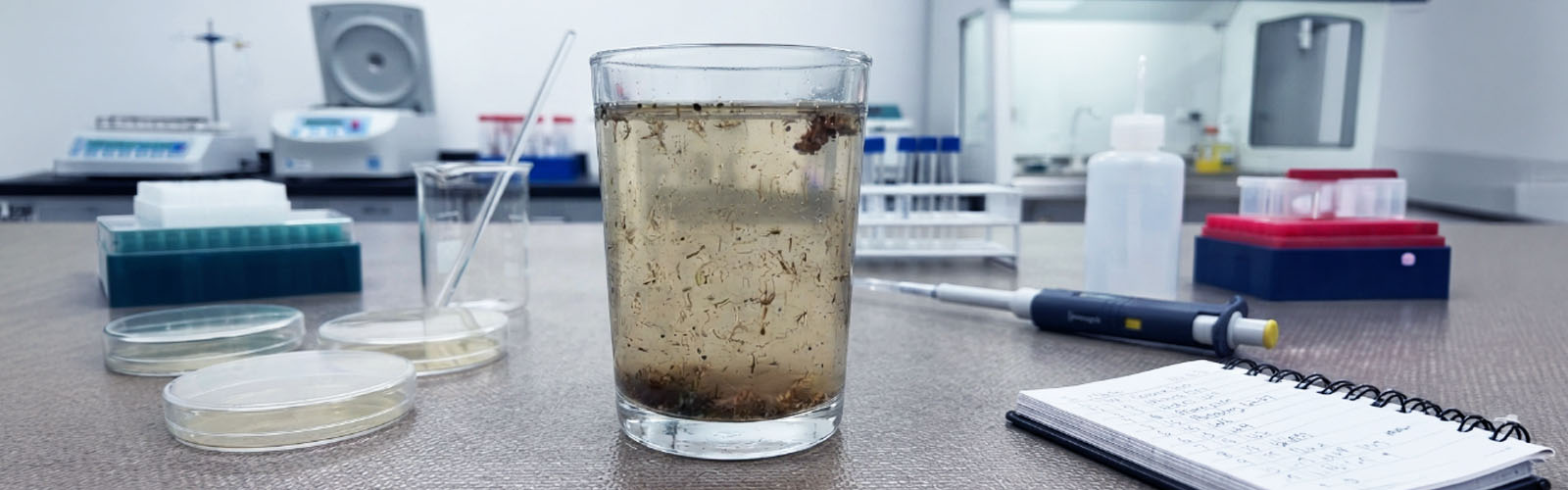
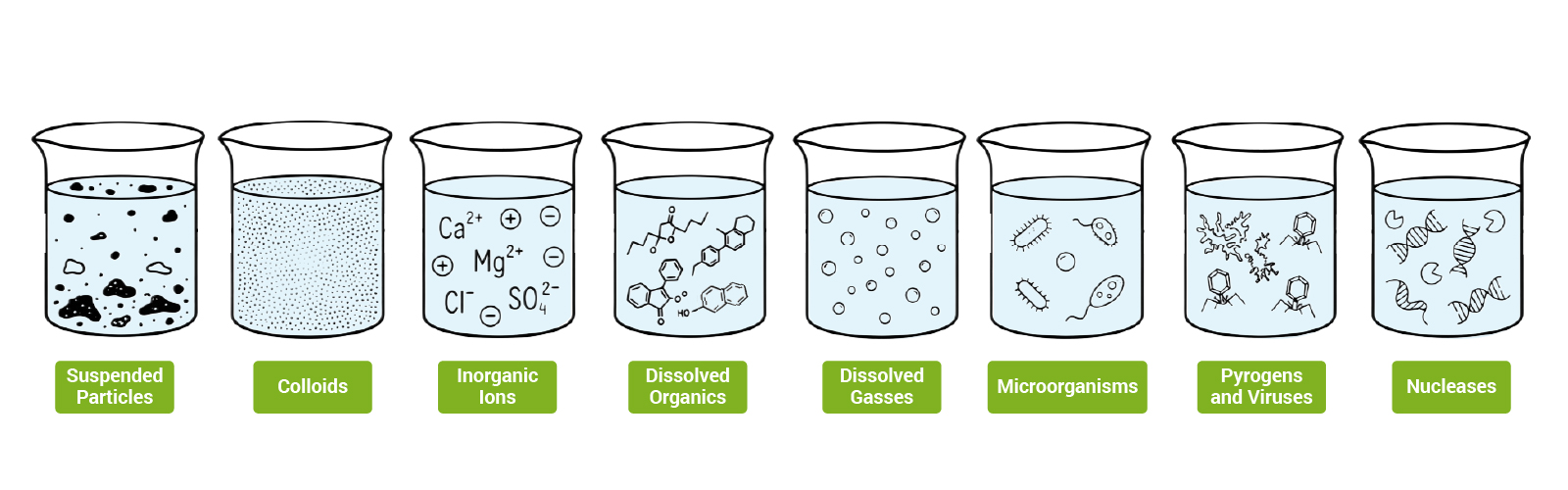
Laboratory water can contain eight types of impurities: suspended particles, colloids, inorganic ions, dissolved organics, dissolved gases, microorganisms, pyrogens and viruses, and nucleases. Each affects water quality differently, so knowing which ones are present is key to choosing the right purification system for your application.
Suspended Particles
Water becomes turbid when it contains suspended matter such as sand, silt, and clay. These particles create problems throughout a lab water system: they can disrupt instrument performance, block valves and narrow tubing, and damage reverse osmosis membranes over time. Most particles in this category fall somewhere in the 1 to 10 micron range.
Colloids
Colloids, whether organic or inorganic, carry a slight negative charge and typically measure between 0.01 and 1.0 micrometers. They're small enough to slip past ion-exchange resins, which lower the resistivity of deionized water, and, along the way, they clog filters and damage RO membranes.
Inorganic Ions
Contaminants like silicates, chlorides, fluorides, bicarbonates, sulfates, phosphates, nitrates, and iron compounds exist in water as charged particles—cations carrying a positive charge and anions carrying a negative one. When ion concentration rises, water conducts electricity more easily, which shows up as higher conductivity and lower resistivity (the two move in opposite directions). These ions can skew results in techniques such as IC, AA, and ICP/MS, and in biological work, they may slow cell and tissue growth. They also shorten the usable life of cartridges in deionized water systems.
Dissolved Organics
Organic materials can be proteins, alcohols, chloramines, and leftover traces of pesticides, herbicides, and detergents. They degrade ion-exchange resins and disrupt HPLC, gas chromatography, and fluorescence testing, among other organic analysis methods. They also create problems for electrophoresis and for tissue and cell culture work.
Dissolved Gases
Dissolved gases have different effects on water purity. For example, oxygen helps corrode metal components, while carbonic acid (H₂CO₃), a weak acid formed when carbon dioxide dissolves, has the capability of changing the water's pH level.
Microorganisms
Chlorination kills off the more dangerous bacterial strains, but tap water still carries living microorganisms that can compromise sterile applications.
Pyrogens and Viruses
Pyrogens, also called bacterial endotoxins, are lipopolysaccharides found in the outer membrane of gram-negative bacteria. On the other hand, viruses are normally classified as non-living nucleic acid structures. They can adversely affect lab experiments, most often by suppressing cell and tissue growth in culture.
Nucleases
RNase and DNase are naturally occurring enzymes. However valuable they are to living systems, their presence in lab water is a serious liability for nucleic acid work. Even trace contamination can severely limit DNA amplification, and RNA-based experiments are just as vulnerable to being compromised by these enzymes.
How Do Water Purification Technologies Work?
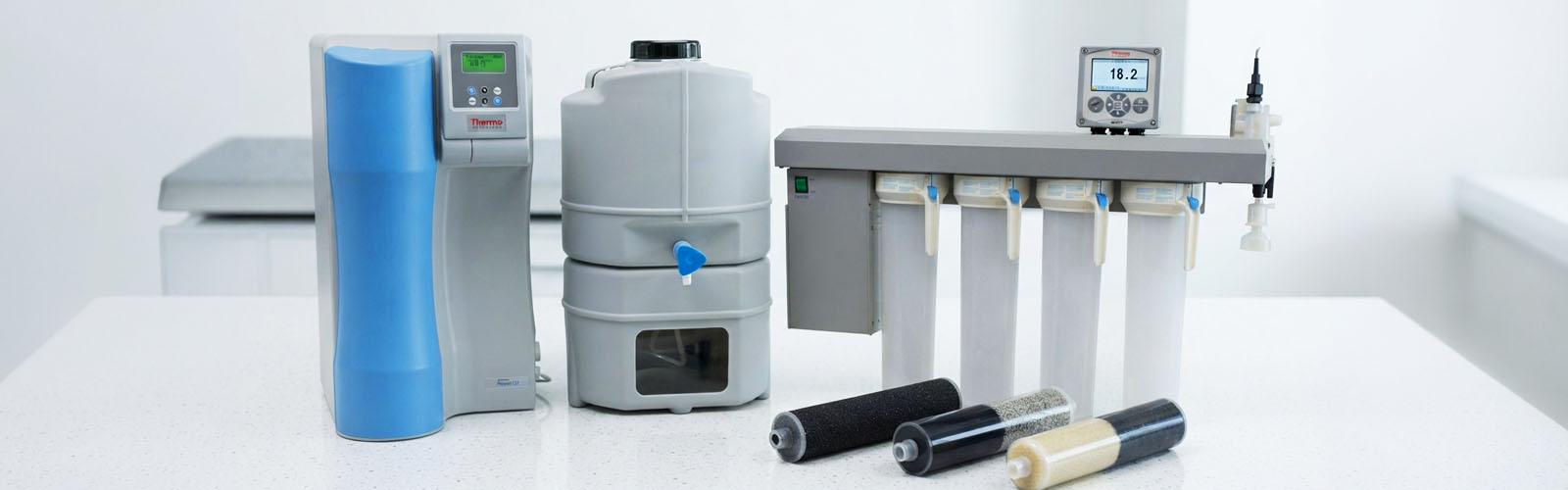
Water purification technologies remove contaminants through physical, chemical, or biological processes, such as adsorption, filtration, or deionization. No single technology eliminates every type of impurity, which is why most lab water systems combine several methods in sequence to reach the required purity grade. Below is a breakdown of each major purification technology, the impurities they target, and the recommended water purification systems from Thermo Scientific.
Distillation
Distillation offers the broadest range of removal capabilities of any single form of water purification. However, it cannot be used on its own to remove inorganic ions, ionized gases, organic compounds with boiling points above 100°C, or dissolved non-ionized gases.
Water is boiled and undergoes phase changes during distillation, changing from liquid to vapor and back again. It is the change from liquid to vapor that separates water (to varying degrees) from many dissolved impurities, such as ions, organic contaminants with low boiling points (<100ºC / 212ºF), bacteria, pyrogens, and particulates.
| Benefits | Limitations | Recommended Systems |
|---|---|---|
|
|
|
Filtration
Filtration is a multi-stage process mainly composed of porous materials, such as depth and membrane filters.
Depth filters are most commonly used as a pretreatment and are manufactured by winding fibers around hollow and slotted tubes. As water passes through the wound fiber matrix toward the center tube, particles are retained on the fibers. It removes most of the impurities above the rated pore size of the filter. Most often, these filters are rated to remove larger particles (>1 µm) to protect the technologies that follow.
On the other hand, membrane filters, which have a rated pore size below 0.45 µm, most often to 0.2 µm, are often termed absolute, meaning they are designed to remove all particles larger than the filter's rated pore size. These filters use a membrane (in flat-sheet or hollow-fiber form) and are most often used at the end of a system to remove bacteria and other particles not removed by the preceding technologies.
| Benefits | Limitations | Recommended Systems |
|---|---|---|
|
|
Filtration
Filtration is a multi-stage process mainly composed of porous materials, such as depth and membrane filters.
Depth filters are most commonly used as a pretreatment and are manufactured by winding fibers around hollow and slotted tubes. As water passes through the wound fiber matrix toward the center tube, particles are retained on the fibers. It removes most of the impurities above the rated pore size of the filter. Most often, these filters are rated to remove larger particles (>1 µm) to protect the technologies that follow.
On the other hand, membrane filters, which have a rated pore size below 0.45 µm, most often to 0.2 µm, are often termed absolute, meaning they are designed to remove all particles larger than the filter's rated pore size. These filters use a membrane (in flat-sheet or hollow-fiber form) and are most often used at the end of a system to remove bacteria and other particles not removed by the preceding technologies.
| Benefits | Limitations | Recommended Systems |
|---|---|---|
|
|
Ultrafiltration (UF)
Ultrafiltration is used to remove pyrogens (bacterial endotoxins) and nucleases, which are critical for tissue culture, cell culture, and media preparation.
Ultrafilters use size exclusion to remove particles and macromolecules. By design, they operate similarly to reverse osmosis membranes: particles are captured on the membranes' surfaces and flushed from them via a reject stream. They are used at the end of systems to ensure the near-total removal of macromolecular impurities such as pyrogens, nucleases, and particulates.
| Benefits | Limitations | Recommended Systems |
|---|---|---|
|
|
Reverse Osmosis
Reverse osmosis strips away up to 99% of contaminants in the water. It forces feed water through a semipermeable membrane, whose pores are small enough to remove bacteria, pyrogens, and most dissolved solids.
Polyvalent ions and larger organic molecules are blocked, but dissolved gases are small enough to pass through the membrane. Moreover, as the water is being squeezed through such tiny openings, the flow rate is slower. This explains why most RO systems have a storage tank, where purified water is collected over time.
| Benefits | Limitations | Recommended Systems |
|---|---|---|
|
|
Deionization
Deionization, sometimes referred to as demineralization or ion exchange, uses synthetic resins to remove ions from feed water. These resins are chemically modified to have an affinity for dissolved inorganic ions and are classified as cation-removal or anion-removal resins.
Cation resins contain hydrogen (H+) ions on the surface, which are exchanged for positively charged ions. Anion resins contain hydroxide (OH-) ions on the exchange sites, which are exchanged for negatively charged ions. The final products of these two exchanges are H+ and OH-, which combine to form water (H2O).
Deionization is the only technology that produces the resistivity requirement for Type I reagent-grade water. In laboratory water systems, cation and anion resins are most often mixed, thereby achieving maximum ionic purity.
-
Two-Bed Deionization: The cation and anion resins are in separate halves of a cartridge. In general, this method is less effective in deionizing water than mixed-bed deionization. However, it is more tolerant of other types of impurities.
-
Mixed-Bed Deionization: Semiconductor-grade mixed-bed deionization resins help achieve maximum resistivity and low total organic carbon (TOC). Mixing the cation and anion resin completes the deionization, making it more efficient and effective at removing ions. This is the most effective method of removing ions.
| Benefits | Limitations | Recommended Systems |
|---|---|---|
|
|
Adsorption
Adsorption uses high surface area activated carbon to remove organics and chlorine from feed water. It is used as a first or second step in most water purification systems, and it may be used as a final step, in combination with ion-exchange resins, to achieve ultra-low TOC. Organics and chlorine adhere to the surface of the activated carbon and remain attached.
-
Mixed-Bed Deionization and Adsorption: A combination of semiconductor-grade mixed-bed deionization resins and synthetic carbon in a single cartridge helps achieve maximum resistivity and low TOC.
| Benefits | Limitations | Recommended Systems |
|---|---|---|
|
|
Ultraviolet Oxidation
UV light eliminates trace organics and disables microorganisms in the feed water. Pure water systems use lamps at two wavelengths, 185 nm and 254 nm, with the 254 nm light damaging bacterial DNA. Together, the 185/254 nm combo also breaks down organic compounds, which lowers total oxidizable carbon down below 5 ppb.
| Benefits | Limitations | Recommended Systems |
|---|---|---|
|
|
|
Combination Ultraviolet Oxidation and Ultrafiltration (UV/UF)
The use of ultraviolet oxidation and ultrafiltration technologies, in conjunction with adsorption and deionization within the same system, produces water virtually free of impurities. These technologies have demonstrated the ability to remove nucleases such as RNase and DNase, as well as pyrogens, when challenged with known concentrations of the material. The Type I systems with UV/UF options produce reagent-grade water with resistivity up to 18.2 MΩ-cm, TOC of 1-5 ppb, pyrogens <0.001 EU/ml, and no detectable RNase, DNase, or DNA.
| Benefits | Limitations | Recommended Systems |
|---|---|---|
|
|
Which Water Purification Systems Should You Use?
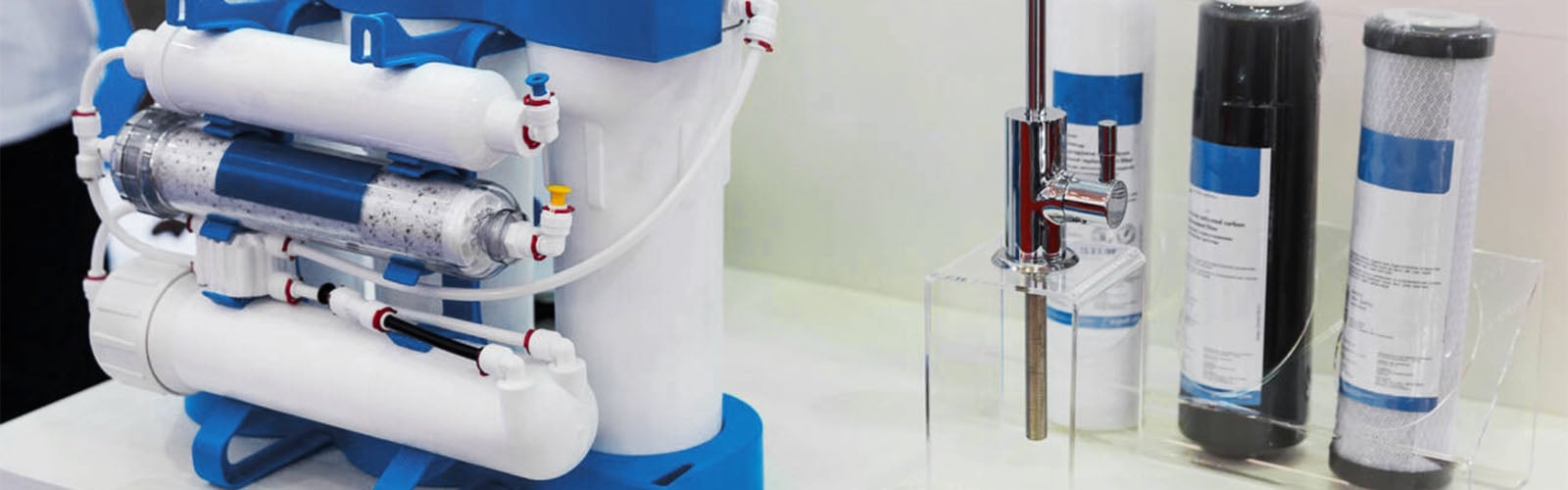
It comes down to two things: your lab's daily water volume and the purity level your applications require. A Type III system is best for high-volume, non-critical processes. For sensitive analytical tasks, though, you're better off combining Type II and Type I purification in one system, as the Type II stage protects cartridges and keeps ultrapure output consistent.
If your lab handles both types of work, a multi-stage system with RO, Type II, and Type I purification is your best bet. As a general rule, match the system to your highest-purity need and busiest volume day.
Find quality water purification systems at The Lab Depot! If you need help choosing, contact our expert team at 1-800-733-2522, email, or through live chat on our website.