

How to Design A Laboratory Water Purification System
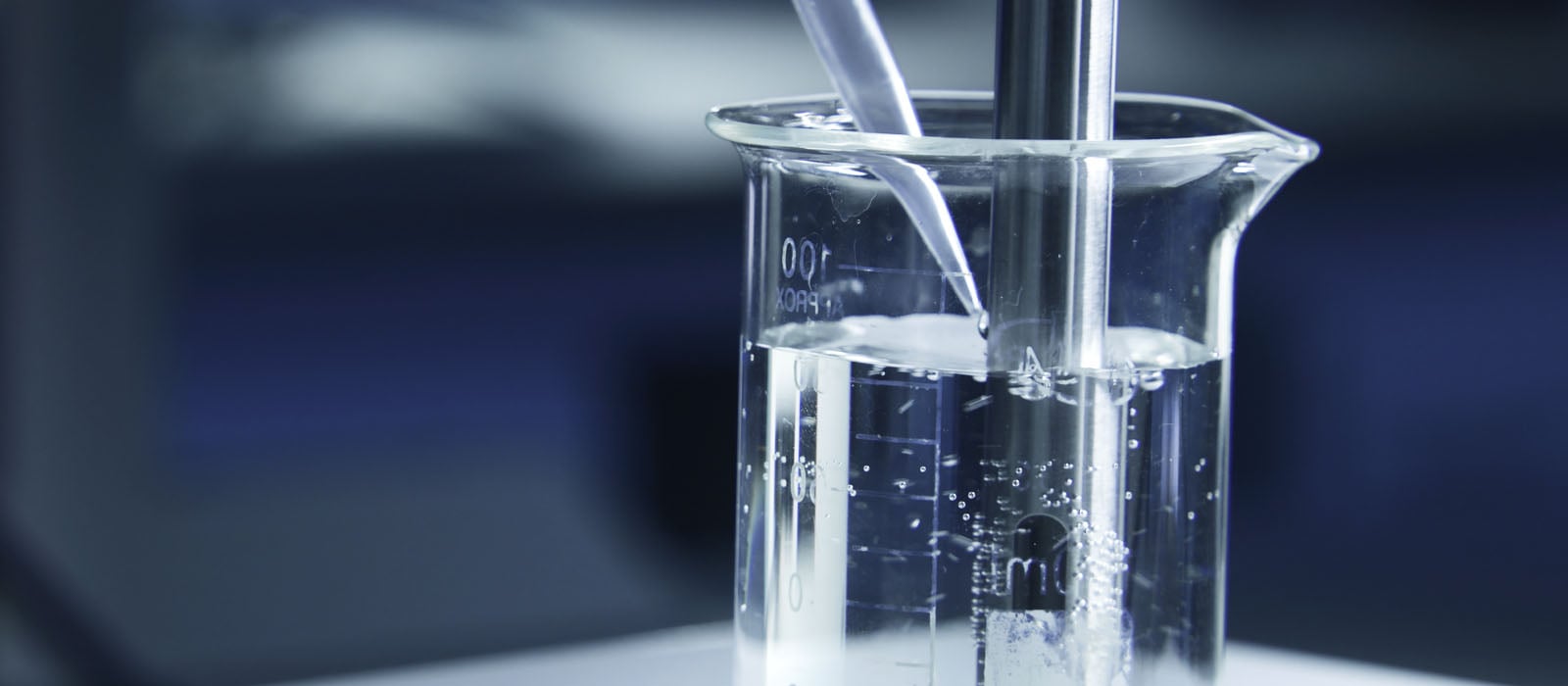
Follow this step-by-step guide to choose the right lab water purification system. Learn the difference between RO water and ultrapure, explore ultrafiltration, and know which laboratory water grades to use for your applications.
Implementing proper water purification equipment is essential to continuously supply your lab with the appropriate water grades for cleaning, disinfection, reagent preparation, and analytical testing. From understanding the different lab water grades to ensuring your system can sustain your daily workflow, this step-by-step guide will help you design an efficient, reliable system.
Step #1: Consider Your Applications and Purity Requirements.
Your current applications and future testing methods or equipment expansions determine the type of water you need. According to international standards, laboratory water is classified into three tiers: ultrapure, pure, and reverse osmosis.
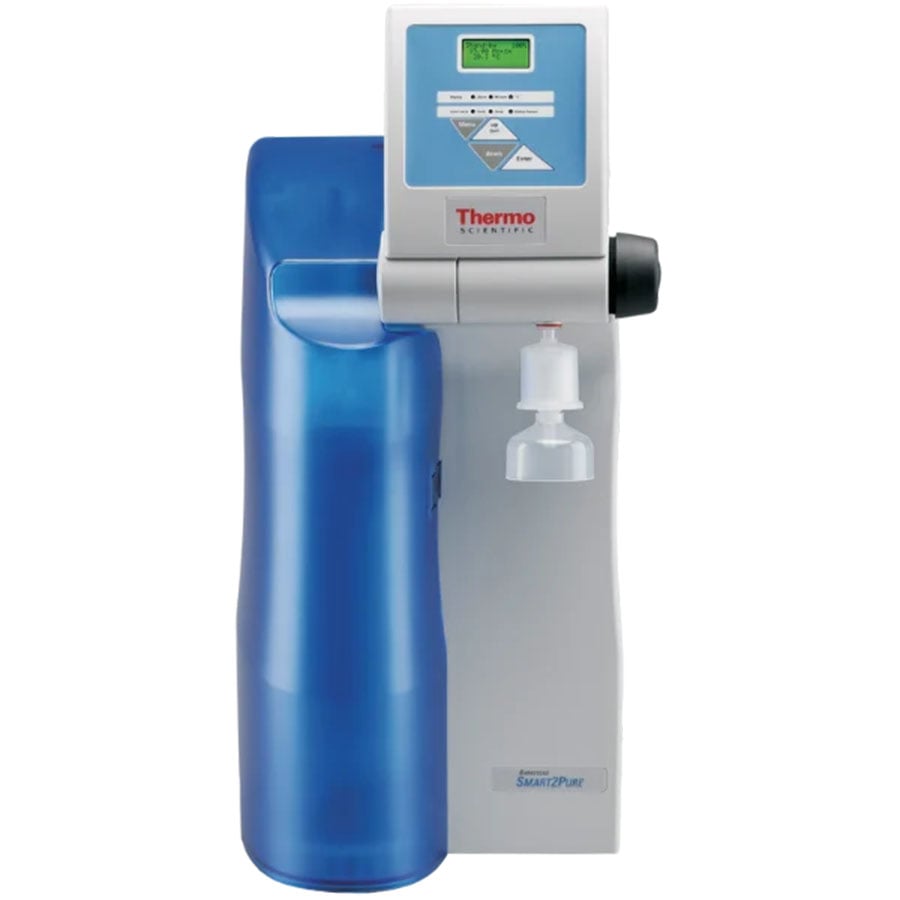
Ultrapure Water (Type 1)
Type 1 water has a resistivity of 18.2 MΩ·cm at 25°C and can be treated to be free of pyrogens, nucleases, bacteria, and particulates. It has the highest purity, but it is also the most resource-intensive and costly to generate.
Most molecular biology and analytical chemistry applications require an ultrapure water purification system, including high-performance liquid chromatography (HPLC) and gas chromatography-mass spectrometry (GC-MS). It is also ideal for cell and tissue culture and mammalian embryology.
A major factor to consider, however, is that this water grade absorbs carbon dioxide and surrounding contaminants when exposed to air, causing it to quickly degrade. That is why it should be produced at the point of use and dispensed immediately, and not stored in reservoirs.
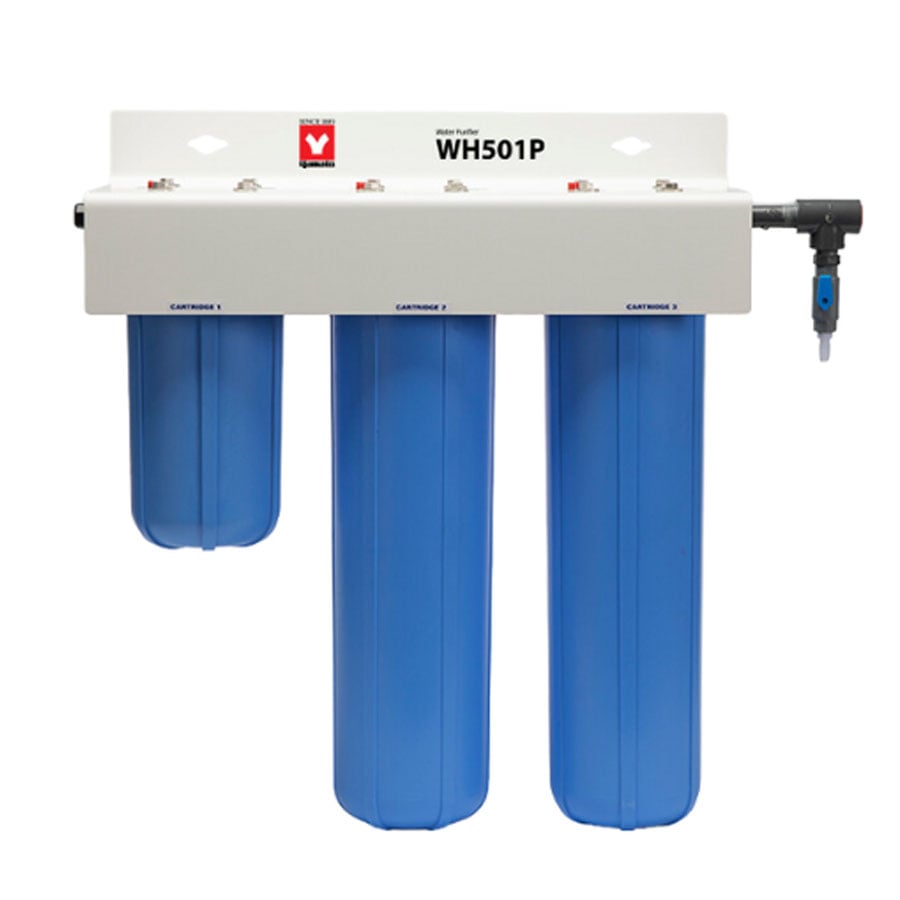
Pure Water (Type 2)
Type 2 water has a resistivity of 1.0 to 10.0 MΩ·cm and is used for applications requiring high-purity water, such as reagent and buffer preparation. It is also used for glassware rinsing and feeding clinical analyzers.
Pure water systems are highly effective when used as a pretreatment step. Feeding Type 2 water into a Type 1 polishing system extends the lifespan of ultrapure consumables.
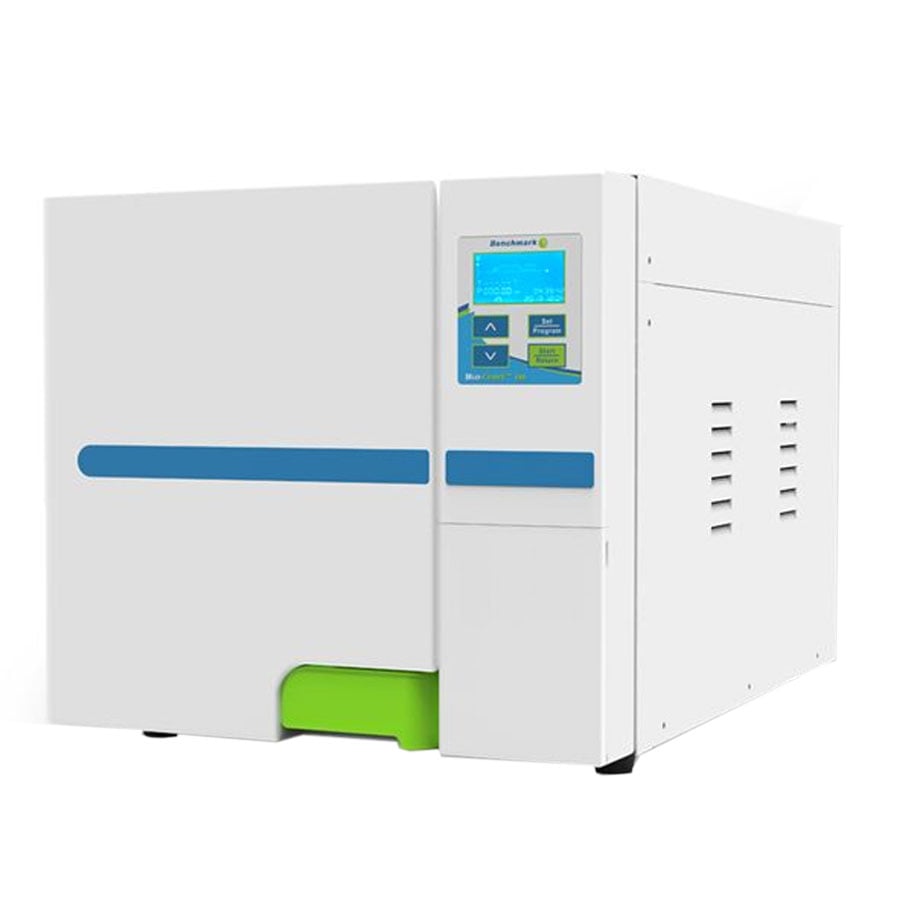
Reverse Osmosis (RO)
Reverse osmosis is a membrane-based percent-removal technology, meaning the ultimate purity of the output water depends on the quality of the incoming feed water. It removes 95% to 99% of inorganic ions and almost all organic contaminants, particulates, and microorganisms.
RO water is suitable for protecting hardware from scale buildup and pitting. This explains why it is used in autoclaves, steam sterilizers, glassware washers, and water baths.
Step #2: Choose the Appropriate Purification Technologies.
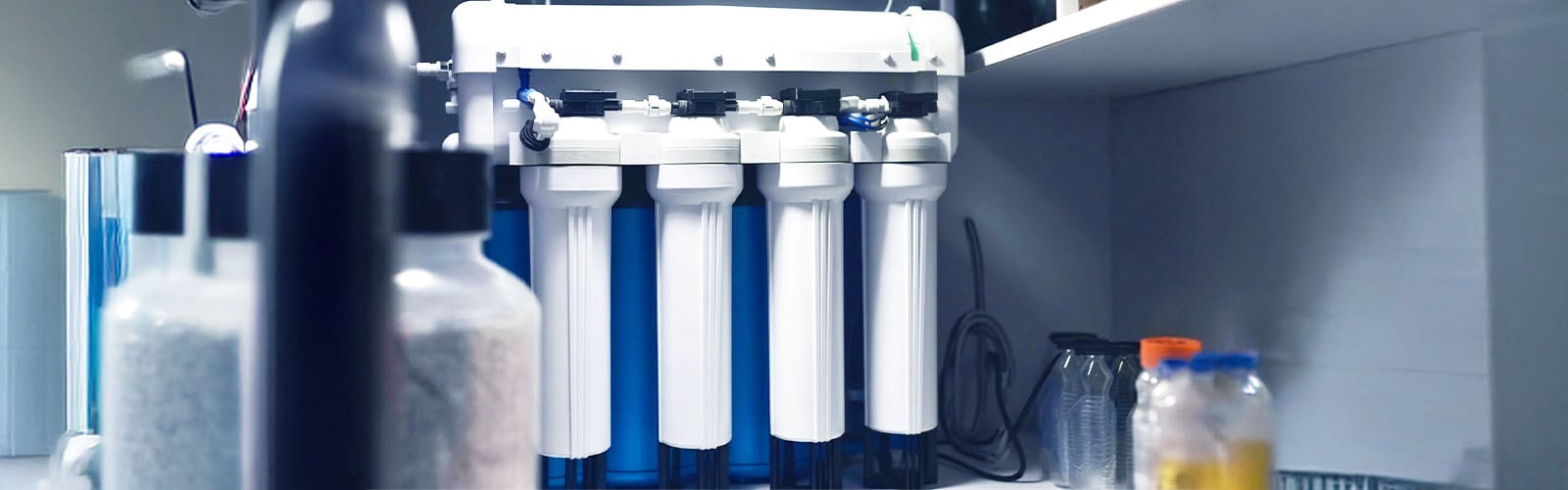
Laboratory feed water may contain organic compounds, dissolved inorganic ions, microorganisms, and other contaminants. To ensure you have the right water grade needed for your workflow, the water system should use the correct purification technologies.
-
Prefiltration and Activated Carbon - A mechanical filter traps large suspended elements, such as silt, clay, and rust. Granular or block-activated carbon beds reduce free chlorine, chloramines, and large organic compounds.
-
Reverse Osmosis - A semi-permeable membrane functions as a physical barrier that blocks anything larger than water molecules. These include dissolved organic ions, organic molecules, bacteria, viruses, and other environmental particulates.
-
Deionization / Ion Exchange - Synthetic spherical resins exchange the ions of dissolved inorganic ions that slip through the RO membrane. Cation resins swap positively charged ions for hydrogen ions, while anion resins swap negatively charged ions for hydroxyl ions. The released ions combine to form pure water.
-
Ultraviolet Photo-oxidation - A 254 nm wavelength UV lamp destroys bacterial DNA, rendering the water bacteriologically sterile. The other lamp, emitting light at 185 nm, breaks down trace organic molecules, lowering total organic carbon (TOC) levels to less than 5 parts per billion.
-
Ultrafiltration - Hollow-fiber membranes with a 1 to 10 nm pore size physically filter out macromolecular biological contaminants. Pyrogens, RNase, and DNase will be blocked, as water molecules are allowed to pass through.
Step #3: Evaluate Your Average Daily Consumption and Peak Demand Periods
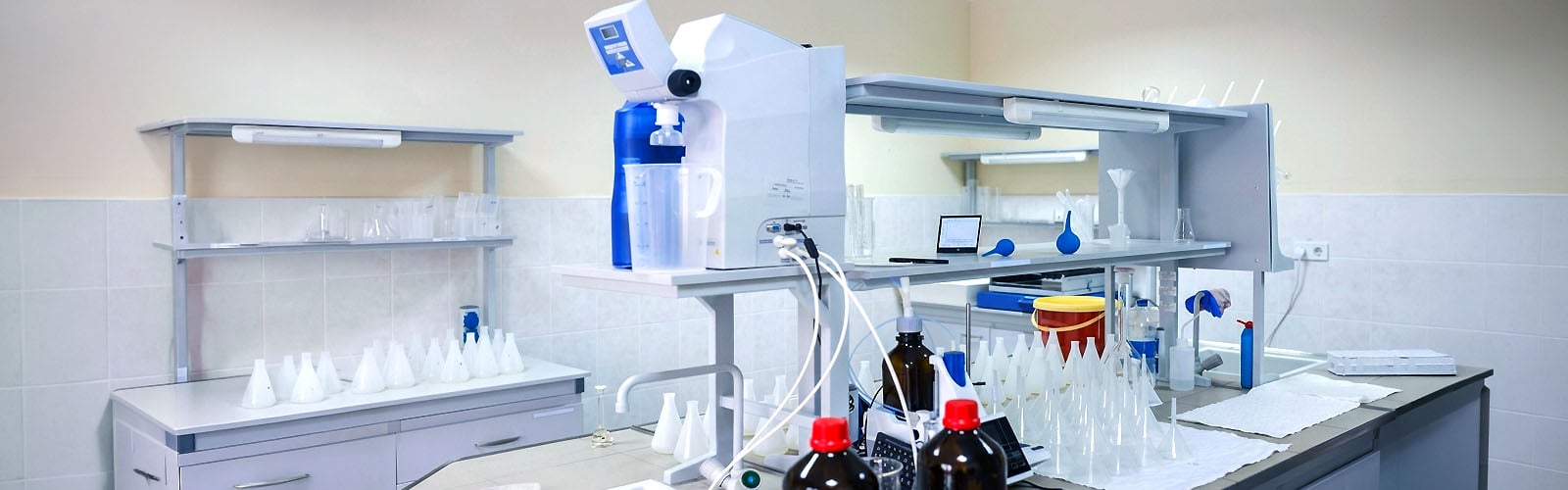
An oversized or undersized water purification system causes issues, such as increased biofilm development, workflow bottlenecks, and unnecessary capital expenditure. Follow these tips to avoid these problems and ensure your setup can sustain your daily processes.
-
Use a small, point-of-use system that purifies water directly from a pretreated line if your lab requires small volumes of water at inconsistent intervals.
-
Pair your system with an appropriate storage reservoir if your applications require large volumes of water within a short window.
-
Use a tank with a vent filter when using a storage reservoir for Type 2 or RO water to block airborne particles, carbon dioxide, and volatile organic compounds.
-
Add an automated recirculation loop with a UV lamp to prevent biofilm growth within the stagnant water.
Step #4: Incorporate Modular Filtration Units
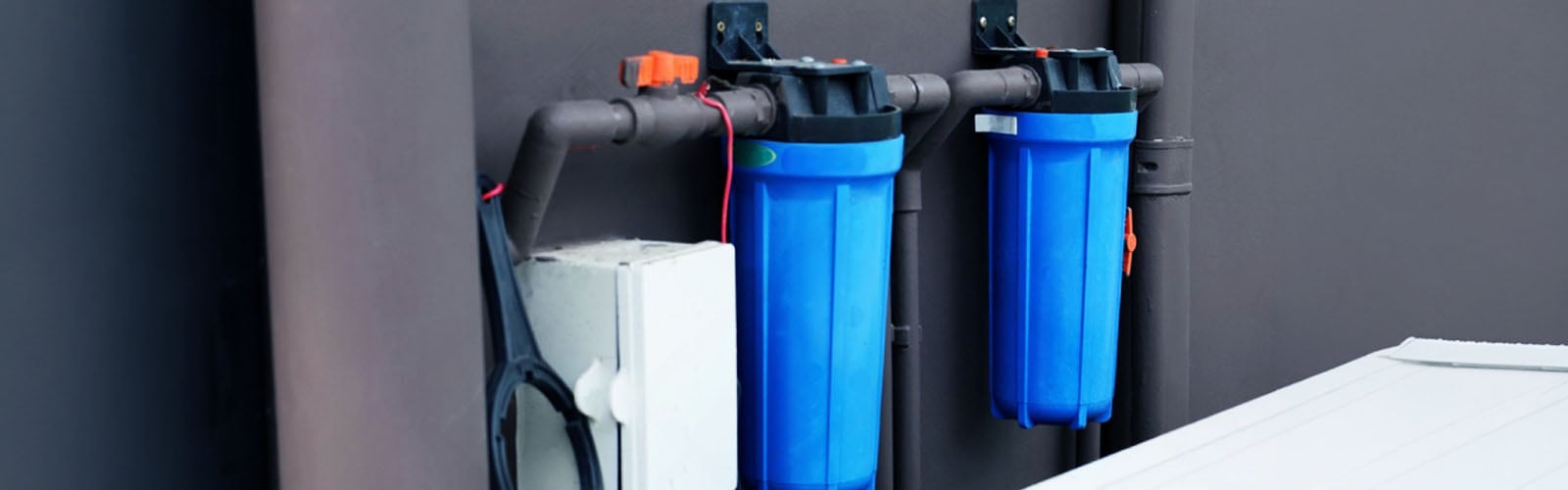
Most laboratories are shifting from centralized water systems to point-of-use systems and wall-mounted filter holders. Not only are these alternative setups more cost-effective, but they also offer better flexibility and are easier to scale. Adaptable water systems are ideal for labs with changing project scopes, limited space, or localized high-purity demands.
Overview: Laboratory Water For Your Applications
| Type of Water | |||||||
| Application and Interest Areas | Ultrapure Type 1 |
Pure Type 2 |
RO | Cartridge and Filter Systems |
|||
|---|---|---|---|---|---|---|---|
| General Lab Purpose | |||||||
| Autoclave | X | X | X | ||||
| Humidification | X | X | X | ||||
| Glassware Washing/Rinsing | X | X | X | ||||
| General Lab Equipment (water baths, incubators, etc.) | X | X | X | ||||
| Feed Water to Type 1 Systems | X | X | X | ||||
| Media Prep | X | ||||||
| Buffer Prep | X | ||||||
| Chemical and Biochemical Reagent Prep | X | ||||||
| Analytical | |||||||
| High Performance Liquid Chromatography (HPLC) | X | ||||||
| Gas Chromatography (GC) | X | ||||||
| Ion Chromatography (IC) | X | ||||||
| Inductively Coupled Plasma Spectroscopy (ICP) | X | ||||||
| Mass Spectroscopy (MS) | X | ||||||
| Atomic Absorption (AA) | X | ||||||
| Total Organic Carbon (TOC) | X | ||||||
| Life Sciences | |||||||
| Genomics (ex. PCR, Mutagenesis) | X | ||||||
| Proteomics (ex. Crystallography, Electrophoresis) | X | ||||||
| Immunology (ex. Monoclonal Antibody Production, Blots) | X | ||||||
| Pharmacology | X | ||||||
| Cell and Tissue Culture | X | ||||||
| Drug Discovery | X | ||||||
The Lab Depot offers great options to meet your water system needs. If you would like support in making your purchase, please reach out to our knowledgeable sales team to help you find exactly what you need. Contact us at 1-800-733-2522, email, or through live chat on our website.