

Capsule
Capsule stirring bars are encased in a protective housing with a polygonal magnet that spins freely within. This design reduces turbulence, ensures precise centering, and removes obstructions for smooth and consistent mixing.
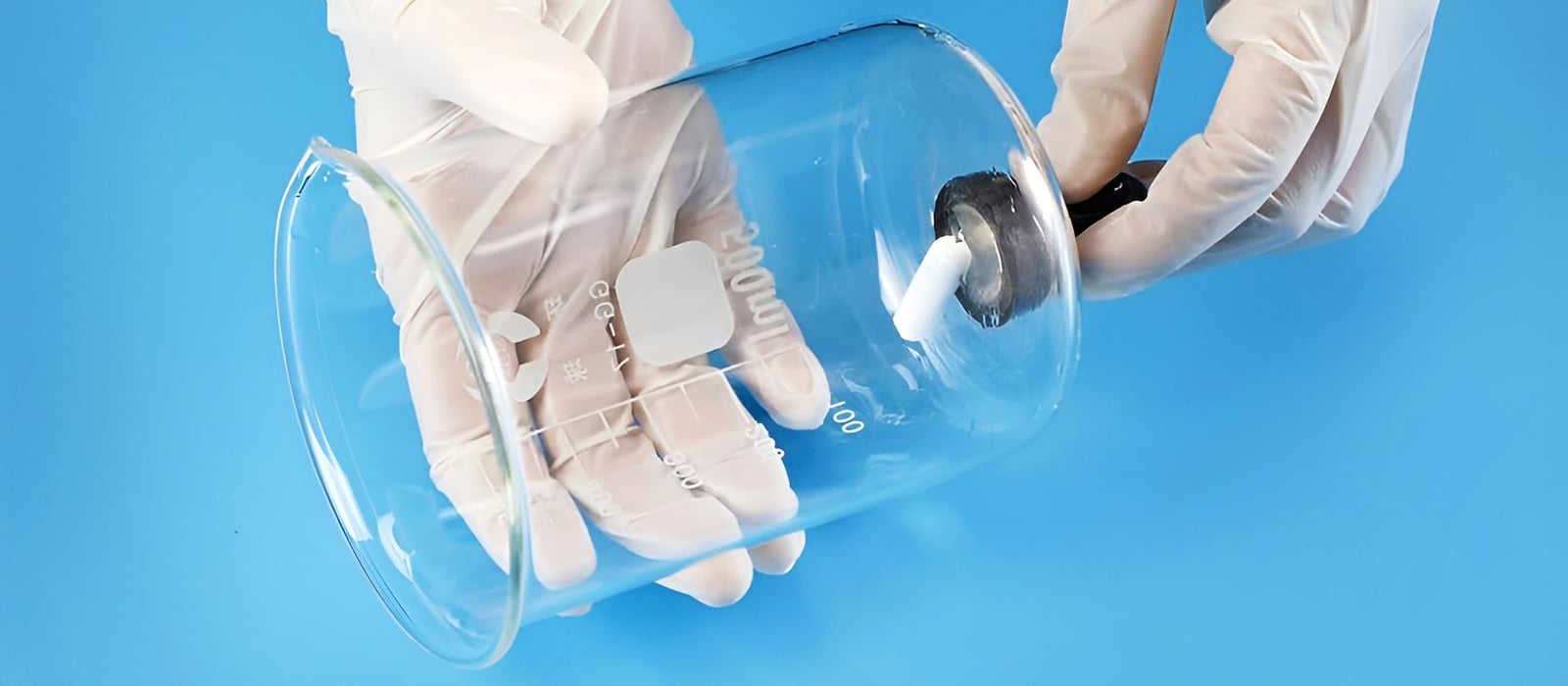
A stir bar ensures efficient and uniform mixing. Unlike manual mixing, which can be inconsistent and prone to introducing air bubbles or contamination, this tool provides a controlled and repeatable method of achieving homogeneity.
Stir bars work with magnetic stirrer plates and create a consistent vortex. This magnetically driven motion mixes reagents, dissolves solids, and ensures even distribution of components in a solution without the risk of splashing or human error.
Even for experienced lab users, there’s always more to uncover about magnetic stirring bars. This article will help you select the right type based on your applications and share tips on properly caring for these tools. But first, let’s explore what materials they are usually made of.
Stir bars can be divided into two components: the magnets at the core and the protective covering that encases them. Here’s a closer look at the different types of magnets and covering commonly found in labs.


| Applications | General Stirring | High Temperature Stirring | Viscous Solutions High Speed Stirring | Abrasive Slurries Extended Stirring |
|---|---|---|---|---|
| Magnetic Type | Alnico | Alnico | Samarium Cobalt | Alnico |
| Covering | Teflon PTFE | Pyrex Glass | Teflon PTFE | Plastic |
| Features/Benefits | Available in a variety of shapes and sizes to accommodate all types of vessels, the unique shapes generate distinct vortex patterns for optimal stirring efficiency and effectiveness | Heated stirring applications up to 274ºC (525ºF) |
Reliable magnetic coupling with superior magnetic energy minimizes spinout, even in the most demanding applications | Built for durability, lasting 2.5 to 3 times longer in environments prone to material degradation |
| FDA-grade, USP Class VI Teflon® PTFE coating offers exceptional chemical compatibility | Glass casing ensures complete non-absorption and zero porosity | FDA-grade, USP Class VI Teflon® PTFE coating offers exceptional chemical compatibility | Made with FDA-approved materials to ensure a safe and compliant outer shell | |
| Comes in a variety of colors for efficient color-coded workflow management | The distinct green color allows for quick identification of the Spinbar® Rare Earth Samarium Cobalt | The characteristic purple color allows for quick identification of the Spinfinity® difference |
Based on Bel-Art’s Magnetic Stirring Bars
Stir bars come in different shapes and sizes, each designed to provide the optimal performance needed based on the vessel and the solution for your application. Examine these different shapes and determine which one works best for your processes.
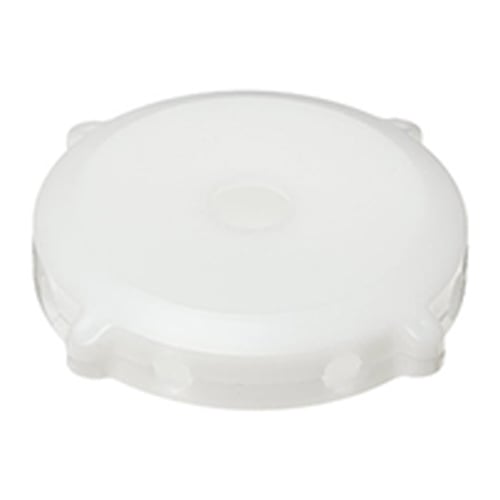
Capsule stirring bars are encased in a protective housing with a polygonal magnet that spins freely within. This design reduces turbulence, ensures precise centering, and removes obstructions for smooth and consistent mixing.
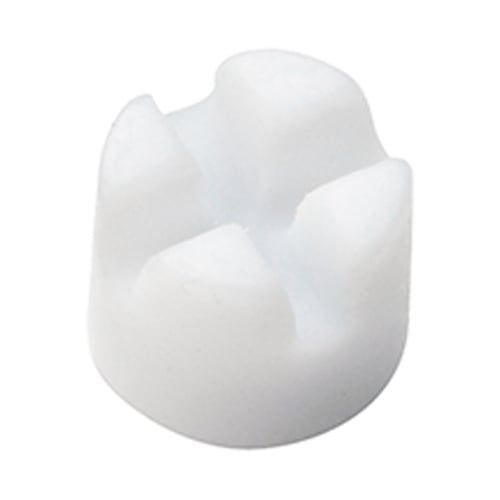
Cell stirring bars fit snugly into standard 10mm spectral cells. They are designed for spectrophotometer cells, cuvettes, and test tubes, and they deliver vertical and horizontal mixing with minimal vortexing. Cross-channels on the bar's surface enable a centrifugal pumping effect, resulting in aeration-free mixing.
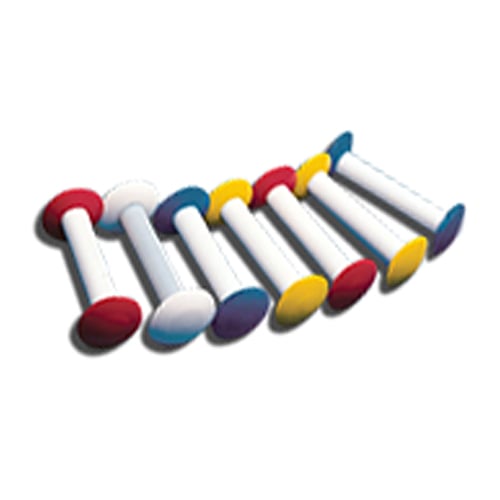
Circulus™ stirring bars generate strong turbulence even at low speeds. They reduce surface contact and offer exceptional centering, making them ideal for vessels with convex bottoms.
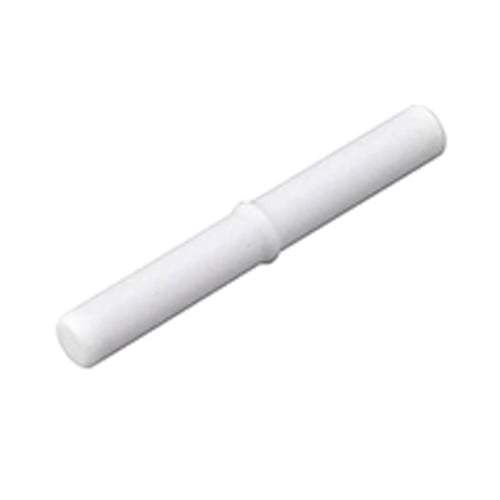
Cylindrical stirring bars are known for their smooth operation and excellent centering. A removable pivot ring in the center improves versatility. It also reduces friction and minimizes contact with plastic containers, preventing scratches.
.jpg)
Perfect for round-bottom flasks, elliptical stirring bars mirror the shape of the flask. Their design lessens surface contact, making them suitable for plastic vessels as well.
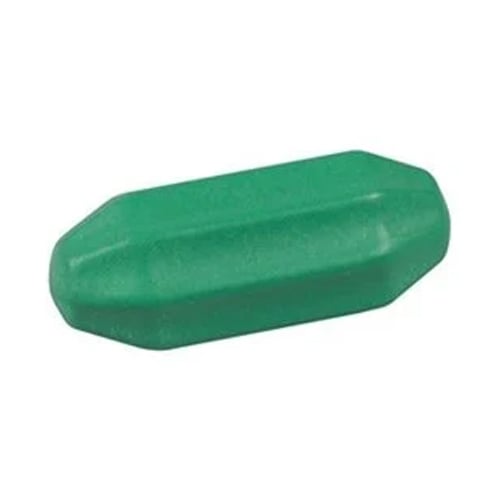
These bars have a tapered, eight-sided design and include flutes that create turbulence for efficient fluid movement. Made from Rare Earth (Samarium Cobalt) magnets, they are perfect for mixing viscous solutions.
.jpg)
Micro stirring bars, often called fleas, are designed for small-scale mixing in vials, tubes, and gradient makers. They come in various sizes and colors and are commonly used in environmental and life science applications requiring precise preparation of small sample volumes.
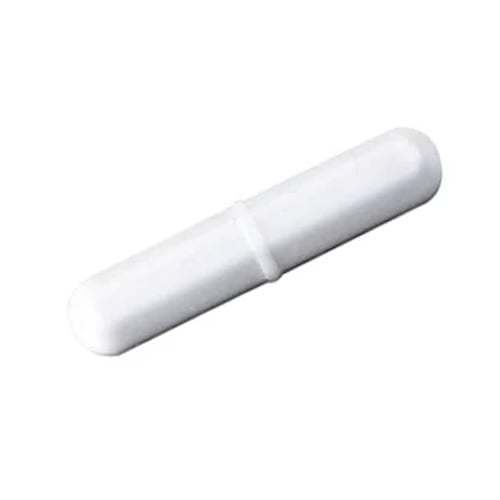
Octagonal stirring bars, equipped with integral pivot rings, are among the most popular. Their unique shape enhances the surface area, promoting turbulence, while the pivot ring minimizes friction and noise.
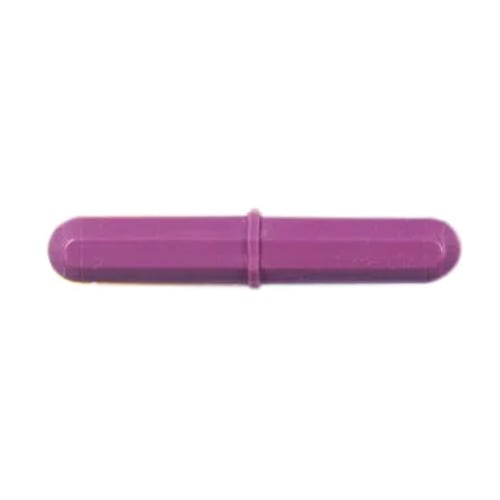
Spinfinity® stirring bars feature an octagonal design with a durable, hard plastic coating. They are well-suited for mixing granular or abrasive materials, and the bright purple casing allows for easy identification.
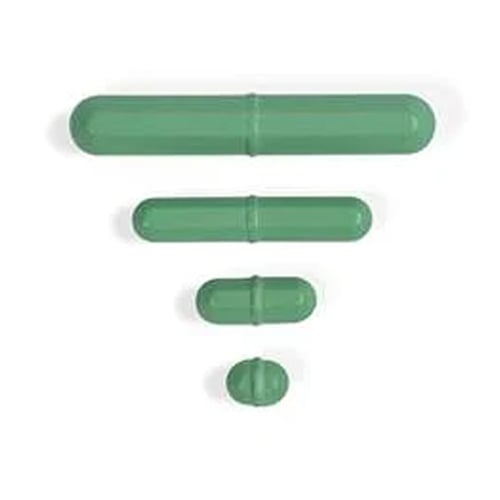
Octagonal stirring bars with Rare Earth Samarium Cobalt magnets offer superior magnetic strength and reduce spinouts in thick solutions or high-speed applications. Their green PTFE coating ensures easy visibility in the lab.
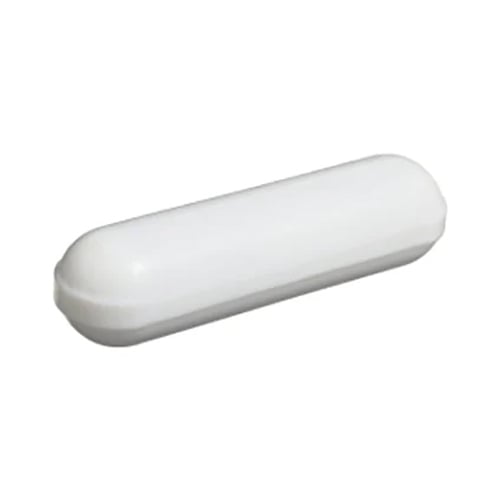
These multifaceted stirring bars create enhanced turbulence compared to smooth cylindrical designs. The Giant Polygon variant is ideal for large-scale mixing in drums and tanks. Optional pivot rings reduce contact friction and prevent chattering.
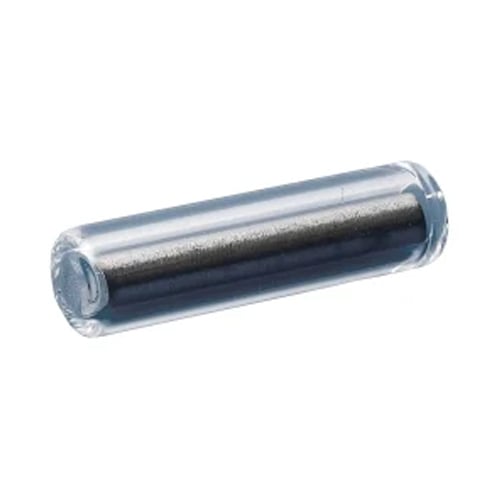
Encased in Pyrex® glass, these stirring bars are recommended for high-temperature applications. They withstand temperatures over 225°C (437°F), and the glass material ensures zero absorption of the stirred solution.
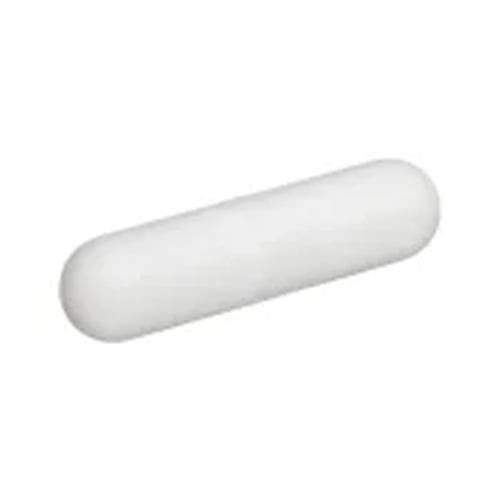
Round stirring bars feature tapered ends for natural centering, eliminating the need for pivot rings. Their design allows efficient and smooth stirring in various solutions.
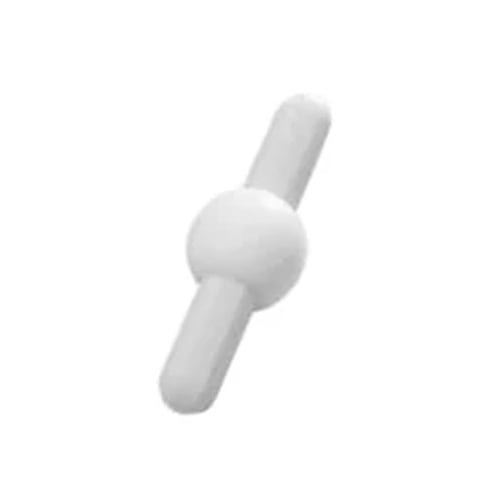
With a central sphere that elevates the arms during rotation, Saturn stirring bars prevent stalling while efficiently mixing powders into liquids. They work well in both round and flat-bottom vessels.
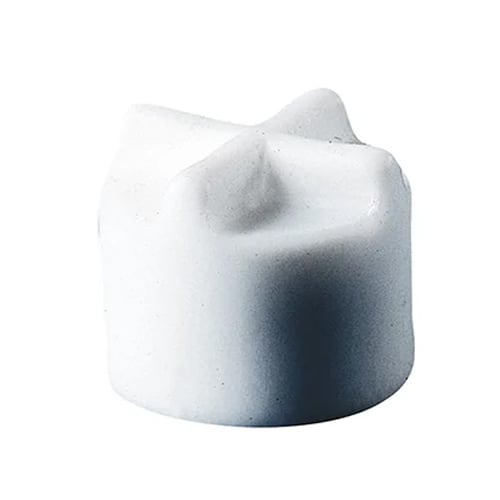
Spinfin® stirring bars adapt to round-bottom flasks and curved vessels like test tubes and cylinders.
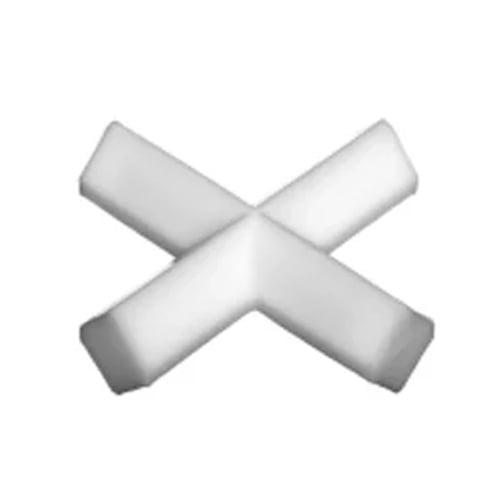
The Spinplus® stirring bar's unique "+" shape creates a deep vortex, delivering stable mixing while maintaining quiet operation.
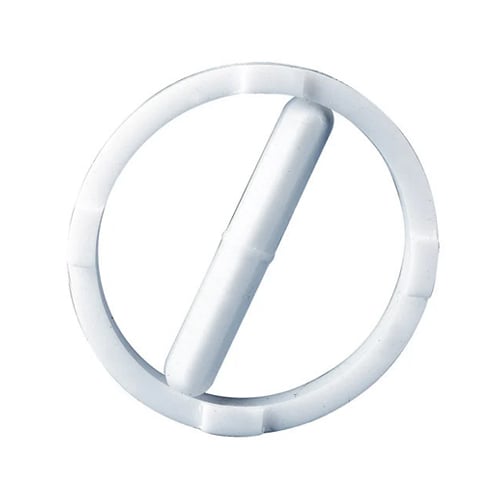
Spinring® stirring bars offer stability and feature a hoop around an octagonal core. This configuration minimizes spinouts and is excellent for large open-neck containers like beakers and buckets.
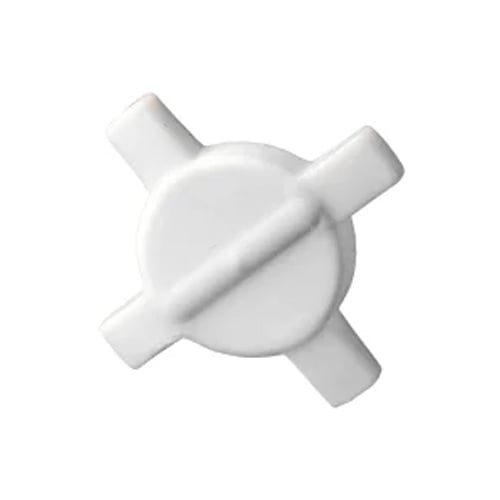
Spinstar® stirring bars excel in applications requiring slow, thorough mixing. They fit snugly into standard beakers, creating a deep mixing vortex at low speeds.
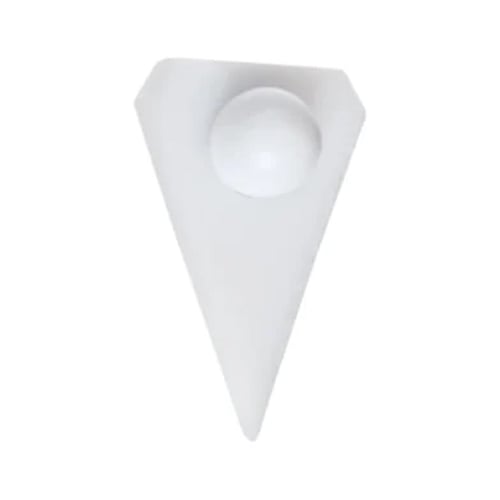
Spinvane® stirring bars are precision-engineered for test tubes, micro vials, and conical-bottom centrifuge tubes but can be customized for other applications without losing functionality.
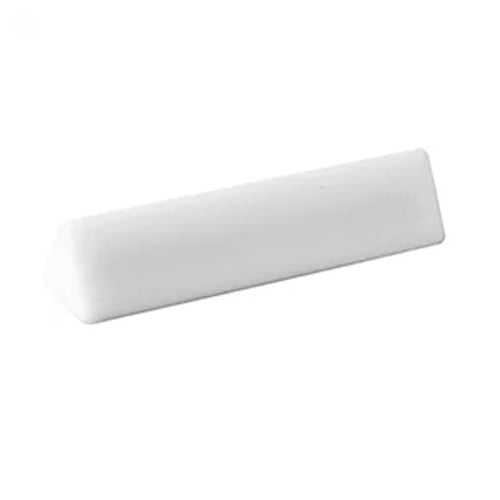
Spinwedge® stirring bars generate strong turbulence at low speeds and efficiently break up sediment or dissolve salts.
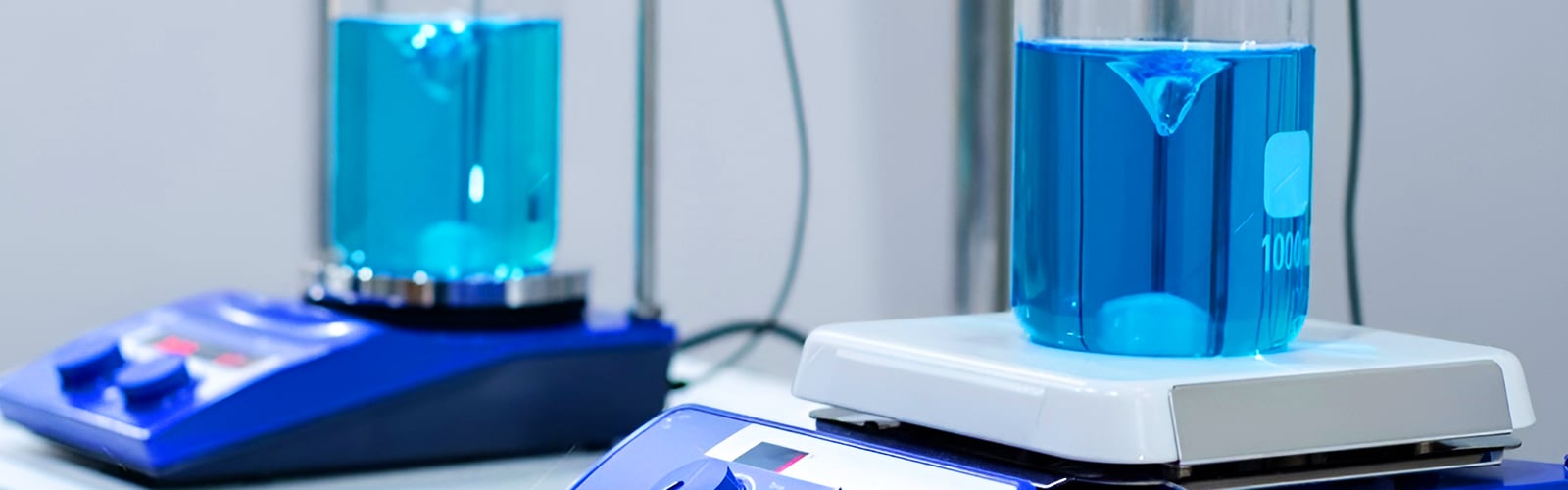
The magnetic core determines the efficiency of stirring. Due to their exceptional strength, use stirring bars with neodymium or samarium cobalt magnets for viscous solutions or high-speed applications. Alnico or ceramic magnets provide sufficient magnetic power for standard mixing tasks without overburdening the setup.
The size and type you choose should correspond to the volume of the liquid. Larger bars are better suited for high-volume applications, while smaller ones are ideal for precise, low-volume mixing. Ensuring the right match prevents inefficiencies and uneven mixing.
Cylindrical vessels work well with standard cylindrical or octagonal stir bars, while flat-bottom vessels may benefit from pivot ring designs to reduce slippage. Ensure the stir bar measures 2/3 of the diameter of the vessel bottom and fits comfortably without contacting its edges excessively.
The internal drive magnet in your stir plate should be strong enough to control the stir bar effectively. If the magnet is too small or weak, the stir bar may detach during mixing, leading to inconsistent results. Always ensure compatibility between your plate and the chosen bar.

For magnetic stirring bars that are not contaminated by metals, wash them with Alkanox, an organo-phosphite antioxidant, to effectively remove organic residues. Rinse with deionized (DI) water to remove residues, and finish with an acetone rinse to ensure they are free from watermarks or contaminants.
Clean those contaminated by metals using Aqua Regia, a solution of nitrohydrochloric acid, followed by a thorough rinse to neutralize any residual acid. An ultrasonic bath can also be employed for deep cleaning, ensuring all contaminants are effectively removed.
Correct storage of stir bars helps maintain their magnetism and functionality. Never place them near strong external magnets or in chaotic piles, as this can weaken their magnetic strength. Instead, store them neatly in a magnetically neutral container.
Over time, these tools may exhibit signs of wear or reduced performance. Check for visible damage, such as scratches or chips on the coating, because these can expose the magnet and lead to contamination. If the stirring efficiency is noticeably reduced or frequently detaches or wobbles during use, it might no longer be fit for purpose and should be replaced to ensure consistent results.
Out of all the shapes available, octagon stir bars are the most commonly used. This can be attributed to their ability to deliver greater surface area and turbulence than cylindrical bars and to their pivot rings that lessen noise and friction. However, the best magnetic stirrer shape still depends on the application and the type of vessel being used.
Ideally, stir bars can be reused multiple times as long as they remain in good condition. However, a 2019 study showed that they cannot be thoroughly cleaned and that surface residues can influence the reaction and affect results. For assurance, follow the recommended cleaning methods and products we shared and use new stirring bars for critical reactions. Moreover, avoid reusing those with visible damage.
Explore various magnetic stir bars from trusted names in the industry at TLD! If you have product concerns, our expert sales team is ready to assist you. Reach us at 1-800-733-2522, by email, or through the live chat feature on our website.
Sources:
https://www.kjmagnetics.com/blog.asp?p=stir-bars
https://www.belart.com/corporate/Resources/Spinbar%20Shapes%20and%20Performance.pdf
https://www.eurekalert.org/news-releases/850535
https://www.coleparmer.com/tech-article/stir-bar-selection-guide