

Selection Guide: JG Finneran’s Microplate & 96-Well Plate Sealing Options
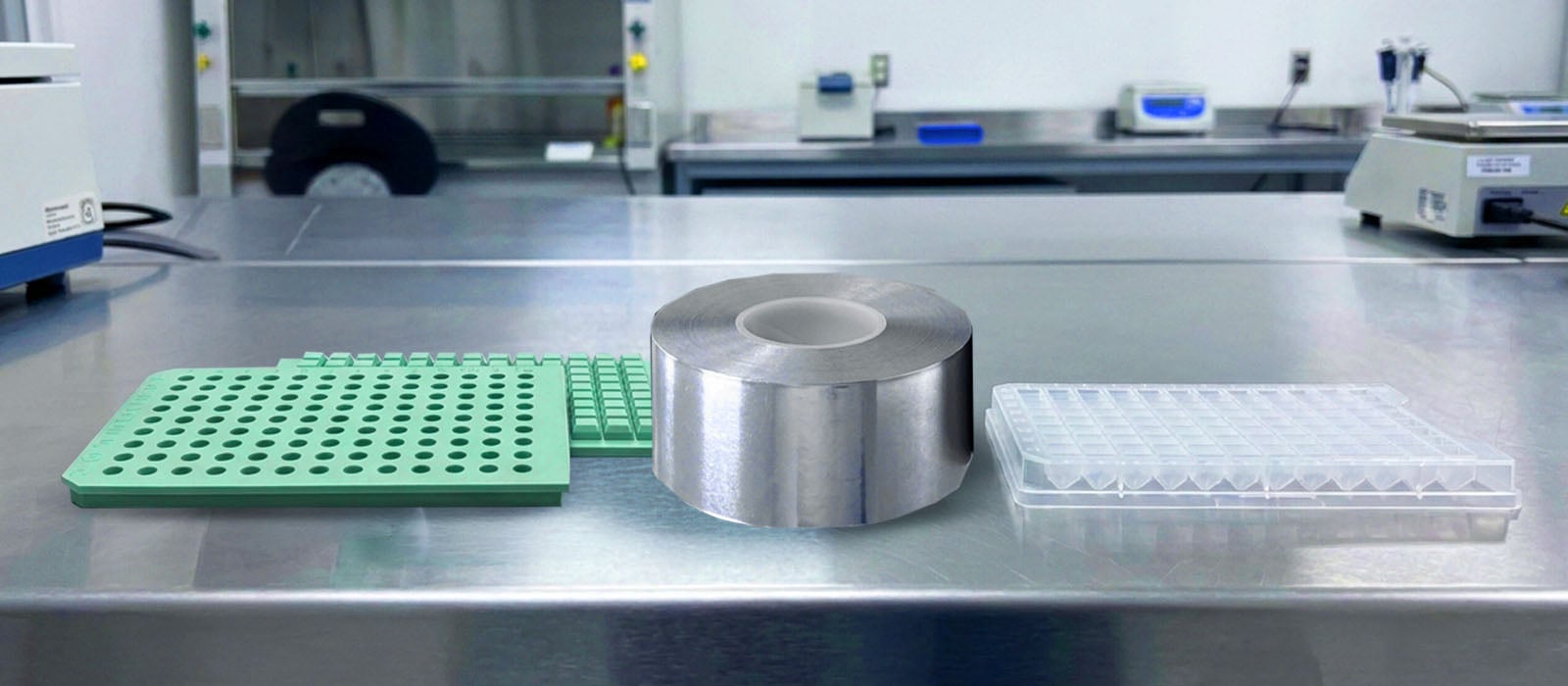
Prevent cross-contamination and needle damage in liquid handling with high-quality EVA mats, heat seals, and other sealing options from JG Finneran.
The margin of error in sample preparation has disappeared, thanks to developments in analytical, genomic, and pharmaceutical laboratories. Yet, one critical factor in high-throughput processes is frequently treated as an afterthought: plate sealing.
Using an incompatible seal or poorly fitted mat can result in evaporative loss and solvent degradation. It can also damage autosampler needles and cause well-to-well cross-contamination. Understanding how the microplate sealing mechanisms work and mastering how to choose the correct seals will ensure reliable analytical workflows. Pair this knowledge and experience with high-quality microplate and 96-well plate sealing options from JG Finneran to improve lab efficiency.
Microplate Sealing Mechanisms
Take a closer look at how different sealing formats perform under mechanical pressure, chemical exposure, and thermal stress so you can select the proper closure.
| Molded Mats & Cap Strips | Adhesive/Heat Films | Modular Vial-in-Plate Systems |
|---|---|---|
|
|
|
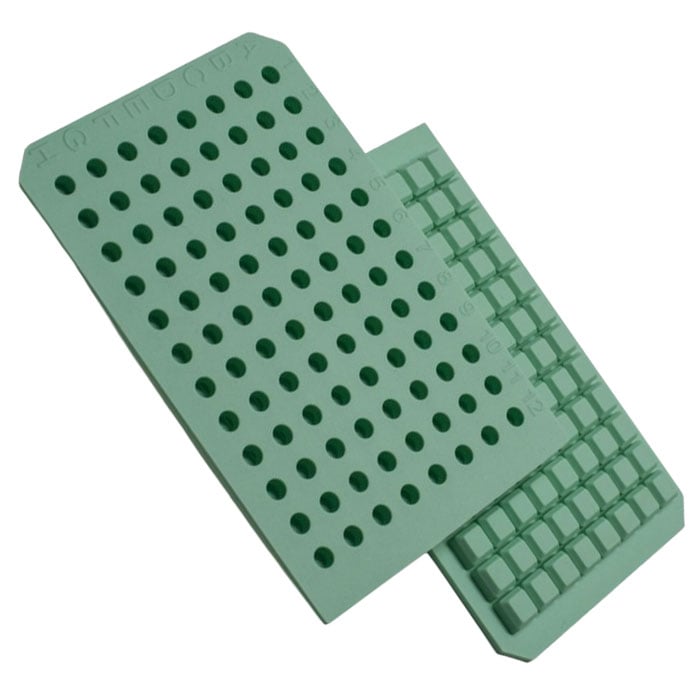
Molded Sealing Mats and Cap Strips
Molded elastomeric mats have individual plugs made of ethylene vinyl acetate (EVA), silicone, or PTFE-faced silicone. These plugs apply localized friction and tension on individual wells, thereby isolating them and preventing vapor from transferring across the plate.
-
EVA: EVA mats are flexible and economical. They perform reliably with mild alcohols and aqueous solutions, and are a popular choice for general room-temperature storage. The downside of EVA is its lack of resistance to dichloromethane, tetrahydrofuran, and other harsh organic solvents.
-
Silicone and PTFE-Faced Silicone: These materials are the gold standard for analytical chemistry. Pure silicone is known for its elastomeric memory, which allows it to re-seal even after multiple needle punctures. Combining it with a chemically inert polytetrafluoroethylene (PTFE) facing shields against aggressive solvents, preventing samples from interacting with the underlying elastomer.
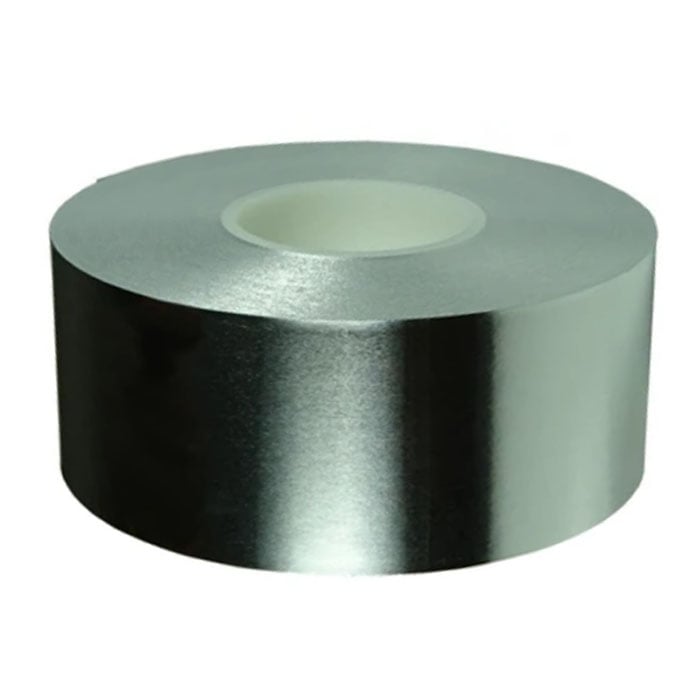
Adhesive and Heat-Sealing Films
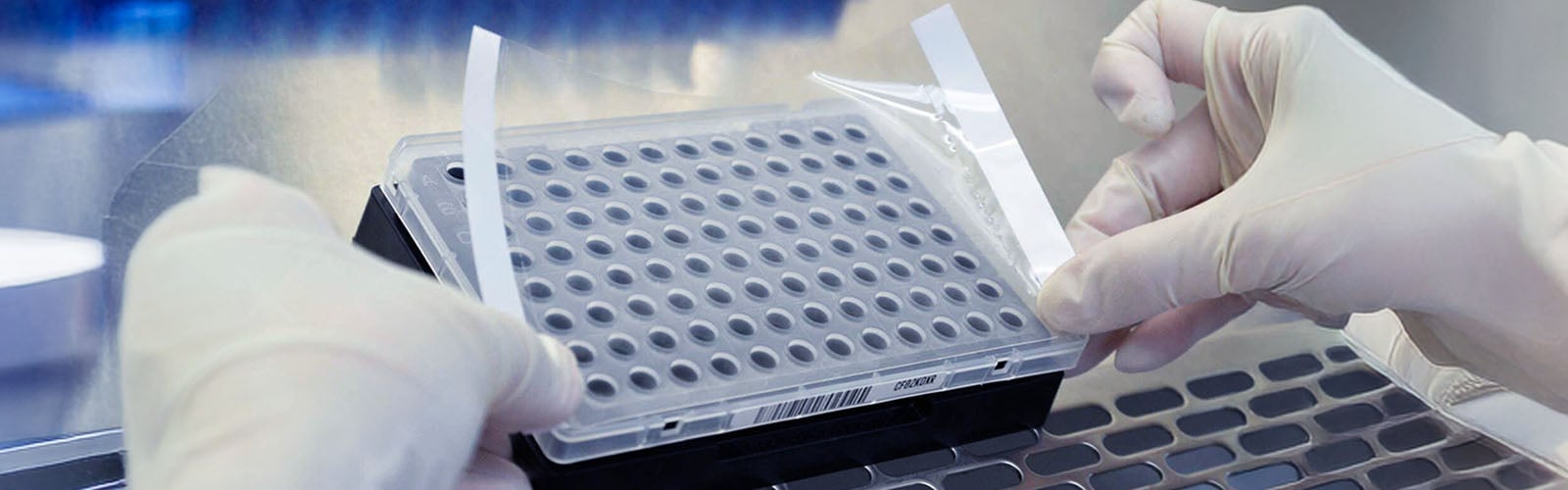
Rather than employing individual well plugs, film-based closures involve the application of a continuous planar barrier over the top surface of the microplate. This method uses chemical adhesives or heat-induced fusion to isolate all of the plate's contents when the plate is being stored or subjected to thermal processing.
-
Adhesive Films: These films require manual application using a rubber roller. They are ideal for short-term incubation, bioassays, and even cold storage. The catch is that the organic adhesives they use can leach into solvent matrices and therefore introduce unwanted interference peaks during LC-MS or GC-MS runs.
-
Heat Seals: Heat sealing melts a polymer or foil layer onto the plate rim, providing a permanent cover. These seals are single-use only, require a separate heat-sealing device, and are recommended for use in thermal cycling and deep-freeze storage at up to -80°C.
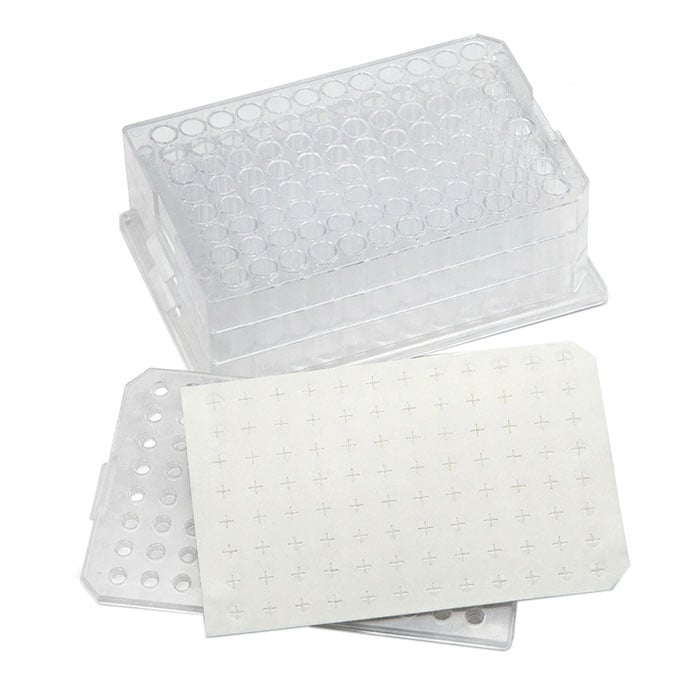
Modular Vial-In-Plate Systems
Polypropylene 96-well plates are commonly used in life science labs. However, they tend to skew results. For instance, using these plates normally results in lower quantitative yield, as hydrophobic analytes and proteins stick to polypropylene walls. It also leads to unexpected ghost peaks in chromatograms because solvents extract trace antioxidants, oligomers, and additives from molded polypropylene.
To bypass plastic interference without sacrificing 96-well automation compatibility, labs shift to modular systems that embed vials into microplate footprints. A leading example of this design is the JG Finneran Multi-Tier™ Microtiter Plate System, which uses a 96-well footprint base frame that holds individual glass or plastic vials ranging from 0.5 mL to 2.0 mL.
Why is the Modular Approach Better?
-
Samples make contact only with Type I Borosilicate Glass, preventing plastic binding and solvent leaching.
-
Open-bottom base plate configuration enables direct contact with heating or cooling blocks.
-
Works well with matching PTFE-faced silicone mat caps, pre-slit for high-speed liquid handlers.
Sealing Formats Compared
| Sealing Format | PTFE-Faced Mat Cap | Standard Mat Cap | Vial-in-Plate System | Strip Closures |
|---|---|---|---|---|
| Primary Material | PTFE/silicone | Molded EVA | Borosilicate Glass + PTFE Mat | Polypropylene/Silicone |
| Chemical Resistance | Superior (Organics & acids) | Moderate (Aqueous & alcohols) | Maximum (Inert) | Good to High |
| Needle Pierceability | High (Pre-slit options available) | Moderate | High | Moderate |
| Primary Lab Application | High-throughput LC-MS/GC-MS | Short-term storage & general assays | Ultra-trace analysis & organic extraction | Selective row/column access |
| JG Finneran Compatible Option | JG Finneran PTFE/Silicone Mat Cap | JG Finneran EVA Sealing Mat | JG Finneran Multi-Tier™ System | JG Finneran 8-Cap/12-Cap Strips |
Frequently Asked Questions
Can silicone microplate sealing mats be washed and reused in LC-MS workflows?
No. Reusing silicone mats in sensitive LC-MS or GC-MS runs is strongly discouraged. While they have elastomer memory that allows repeated use, punctures leave microtears that compromise seal pressure. Cleaning agents from washing the mats or trace contaminants from previous uses can also get trapped in the elastomer and spread across the plate.
What is the primary benefit of a pre-slit sealing mat cap?
Pre-slit caps feature a precise cut across the septum center. This allows autosampler needles or liquid-handling tips to penetrate the well without tearing the material or creating a vacuum. It prevents sample draw volume errors, prevents instrument probes from bending, and stops the microplate from lifting off the instrument deck during probe retraction.
How does a glass vial-in-plate system differ from a standard polypropylene deep-well plate?
A standard deep-well plate is a single molded block of polypropylene. A vial-in-plate system utilizes a reusable 96-well frame that holds individual removable plastic or glass vials. This lets laboratories running organic solvent analytical methods achieve the high-throughput benefits of a 96-well footprint while keeping samples enclosed in inert Type I Borosilicate Glass.
Should microplate sealing options and consumables from JG Finneran be trusted?
Yes. Founded in 1977, JG Finneran has established a global reputation as an innovative US-based manufacturer of chromatography and microplate consumables. It holds numerous design patents, including the widely utilized Multi-Tier™ Microtiter Plate System, and operates under strict ISO 9001:2015 certification accredited by the RAB in the US and the RvA in Europe. JG Finneran products are designed and manufactured in cleanroom facilities to guarantee the high chemical purity, lot-to-lot consistency, and tight physical tolerances required for sensitive, high-throughput analytical workflows.
The Lab Depot carries various lab tools manufactured by JG Finneran. If you need help selecting the product you need, reach out to our expert team at 1-800-733-2522, email, or through live chat on our website.
Sources:
https://jgfinneran.com/microplates/multi-tiertm-micro-plate-systems.html
https://jgfinneran.com/about-us/
https://istscientific.com/blog/what-are-the-different-types-of-plate-sealing-films/
https://istscientific.com/blog/top-6-uses-of-microplate-sealing-films/