

Microplate Sealing Film 101: Which Should You Use For Your Samples?
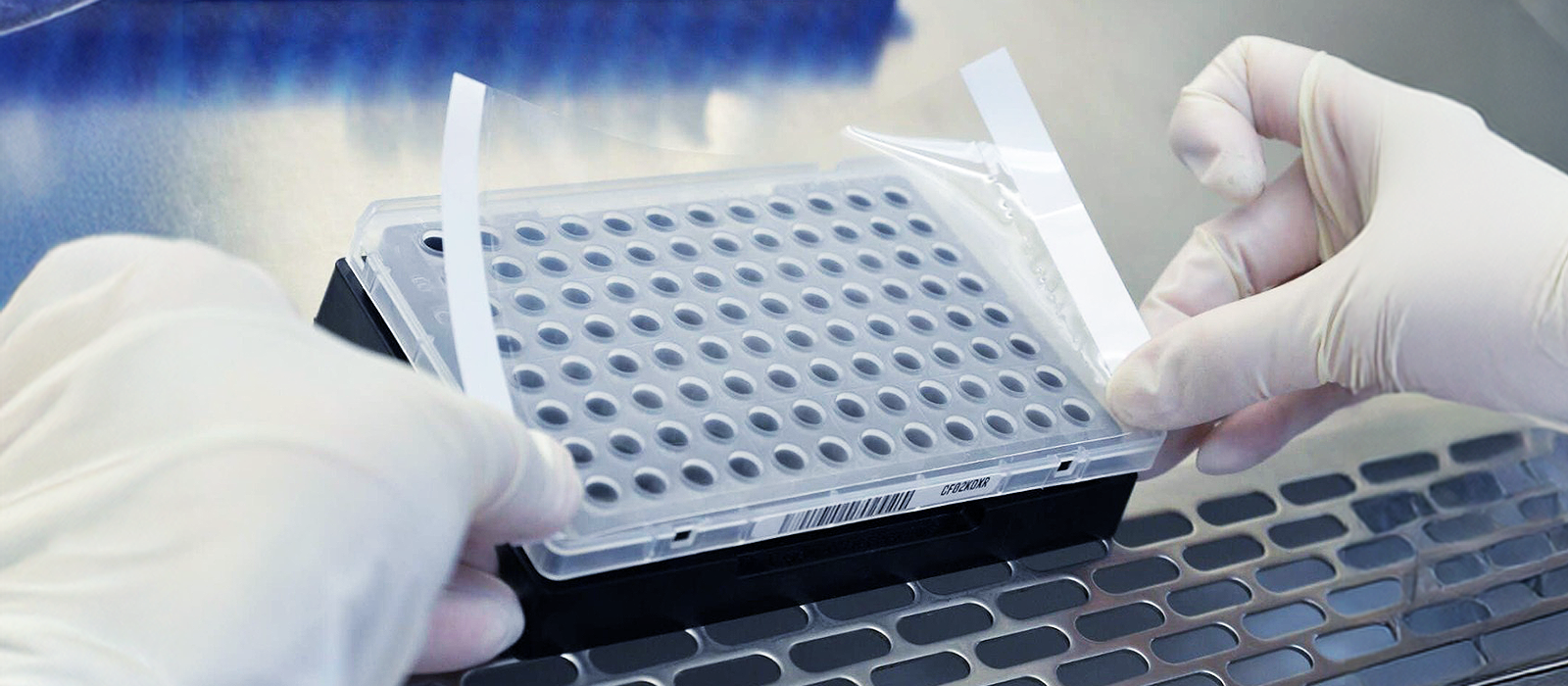
Compare pressure sensitive, breathable, self-adhesive, foil, pierceable, and heat sealable films to find the perfect match for your next experiment.
Microplate sealing films or tapes prevent samples from evaporating, becoming contaminated, or being exposed to environmental changes. They seal individual wells and maintain the volumes and concentrations needed for the experiments.
Microplate seals come in several varieties, each engineered with a unique mechanism to suit different applications. Finding the right fit is simply a matter of matching your research needs with the most widely used sealing films.
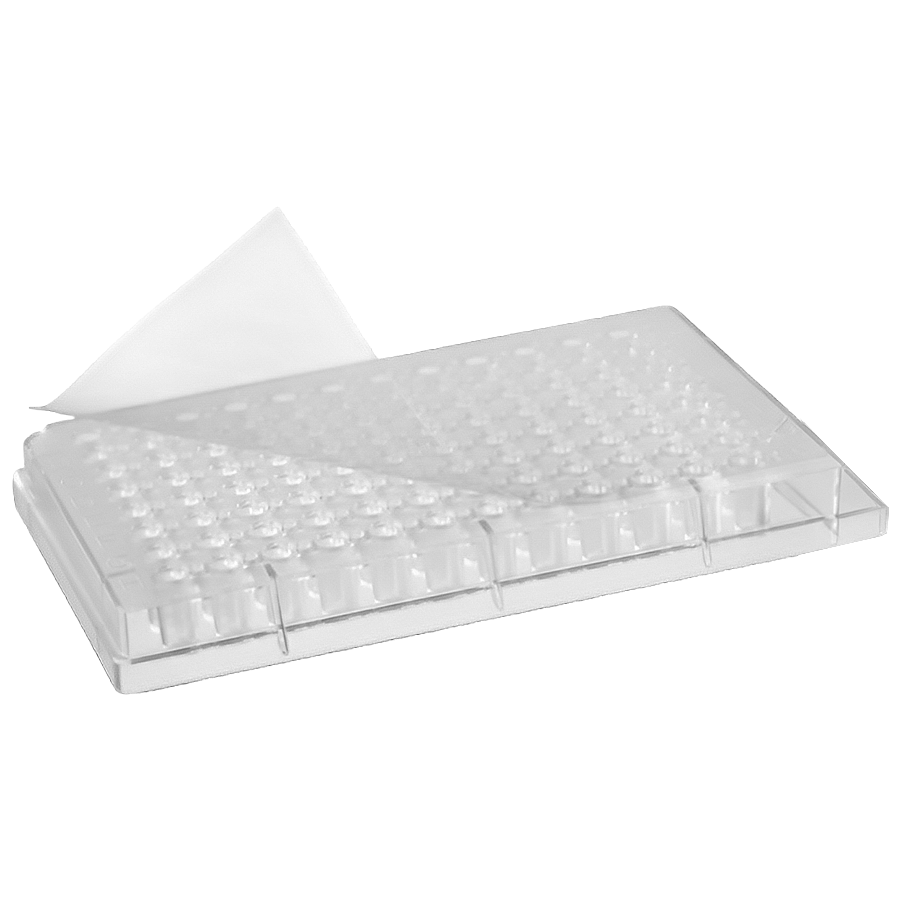
Pressure Sensitive Film
Also known as universal optical microplate sealing tapes, pressure sensitive films are made from high optical-grade materials, making them ideal for real-time PCR (qPCR) or other fluorescence-based systems. This ensures that the laser or light source in your plate reader or thermocycler can penetrate the seal and return to the detector with minimal interference.
As the name implies, these sealing films require pressure to activate the strong adhesive. Once the seal is properly placed on the plate, applying pressure on the perimeter bursts the encapsulated adhesive, causing the tape to bond with the plate's well rims.
| Used For | Advantages | Limitations |
|---|---|---|
|
|
|
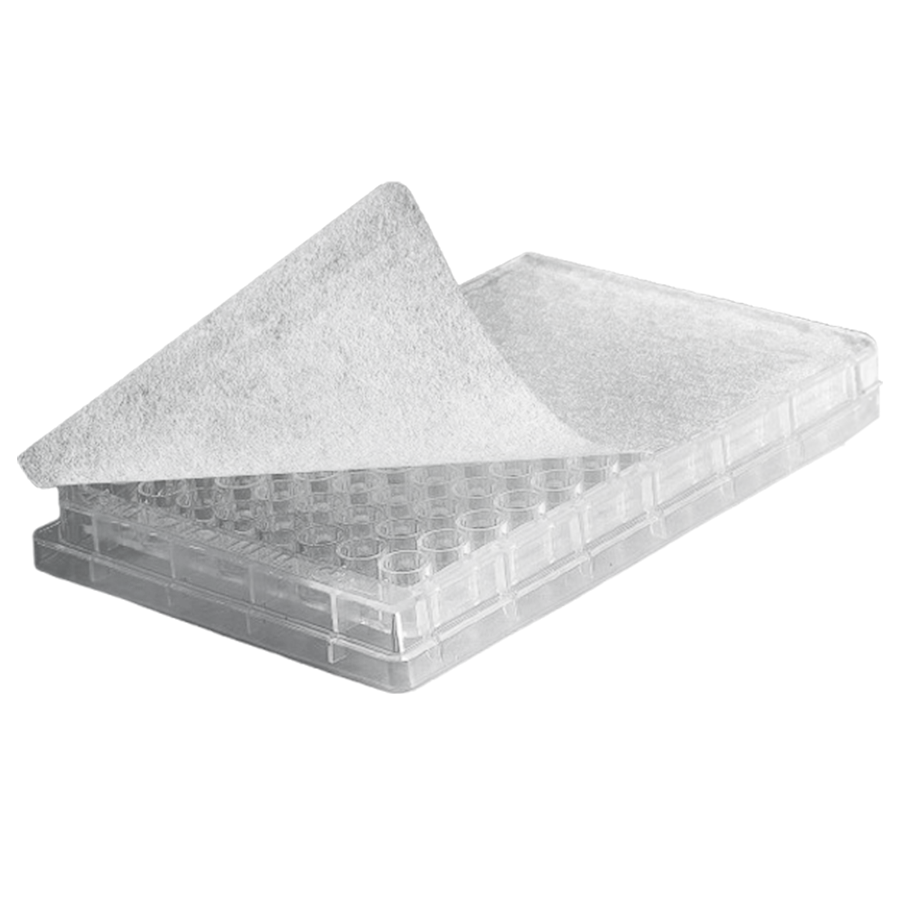
Self-Adhesive Sealing Film
One of the most common issues in plate-based assays is the edge effect, in which wells on the plate's perimeter evaporate faster than those in the center. Self-adhesive sealing films, often called polyester microplate sealing tapes, use a uniform adhesive layer that provides an effective well-to-well seal.
Since polyester is chemically inert and durable, PET sealing films are ideal for transporting samples between labs or for a 2-hour room-temperature incubation. They are also ideal for multi-day storage in fluctuating temperatures.
| Used For | Advantages | Limitations |
|---|---|---|
|
|
|
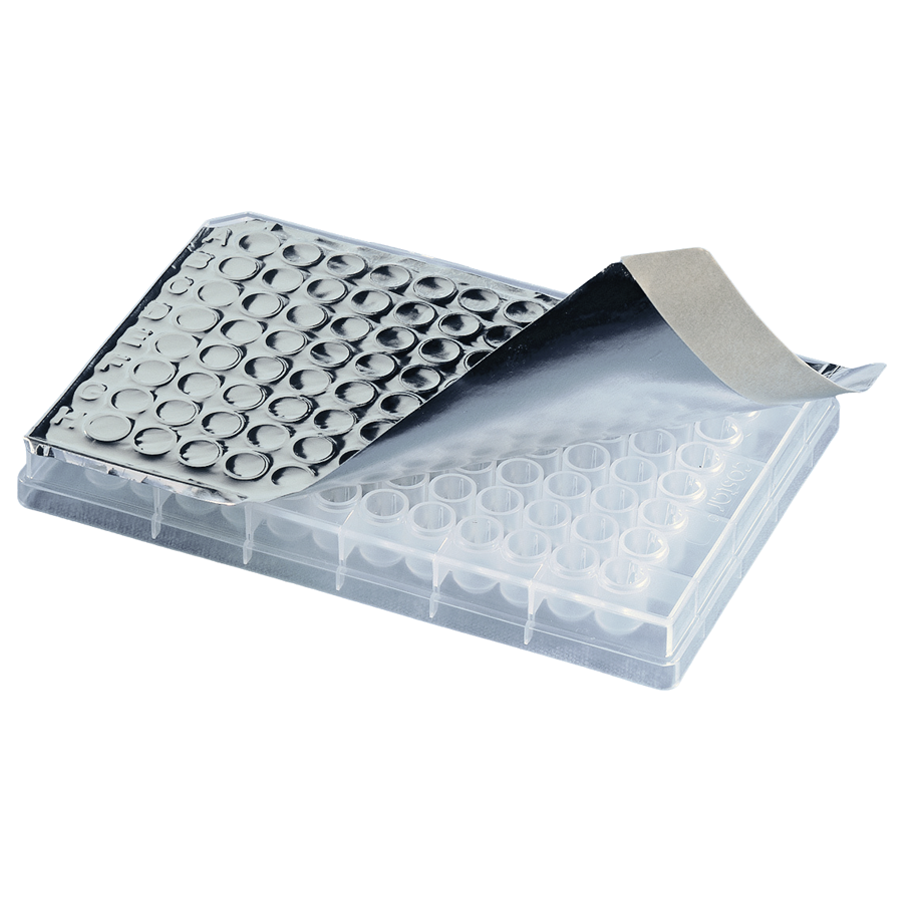
Foil Plate Sealing Film
Foil plate sealing films or aluminum microplate sealing tapes work well with heated lids in thermal cyclers. This eliminates the need for mineral oil in preventing evaporation in PCR and reduces the risk of sample contamination.
Given that aluminum is an effective heat conductor, aluminum foil sealing films are ideal for optimizing thermal transfer across the top of the plate. As a result, the temperature inside the wells and the top air space reaches the target temperature much faster.
| Used For | Advantages | Limitations |
|---|---|---|
|
|
|
Breathable Sealing Film
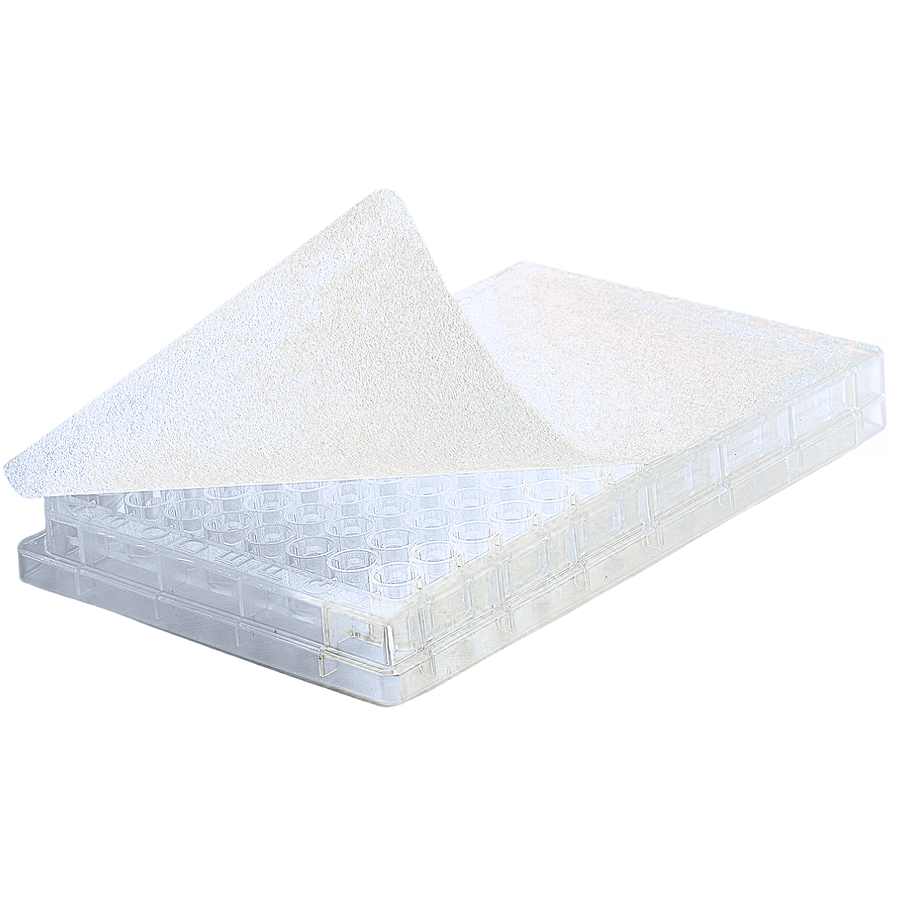
Breathable microplate sealing tapes allow for adequate O2 and CO2 exchange, which is essential for aerobic cell cultures where the metabolic rate depends on a constant oxygen supply. Without this exchange, cells may die, and gene expression may be altered.
Although these films allow gas to pass through, their pores act as a sterile barrier. This protects your sensitive cultures from airborne contaminants, bacteria, and mold spores.
| Used For | Advantages | Limitations |
|---|---|---|
|
|
|
Heat Sealing Film
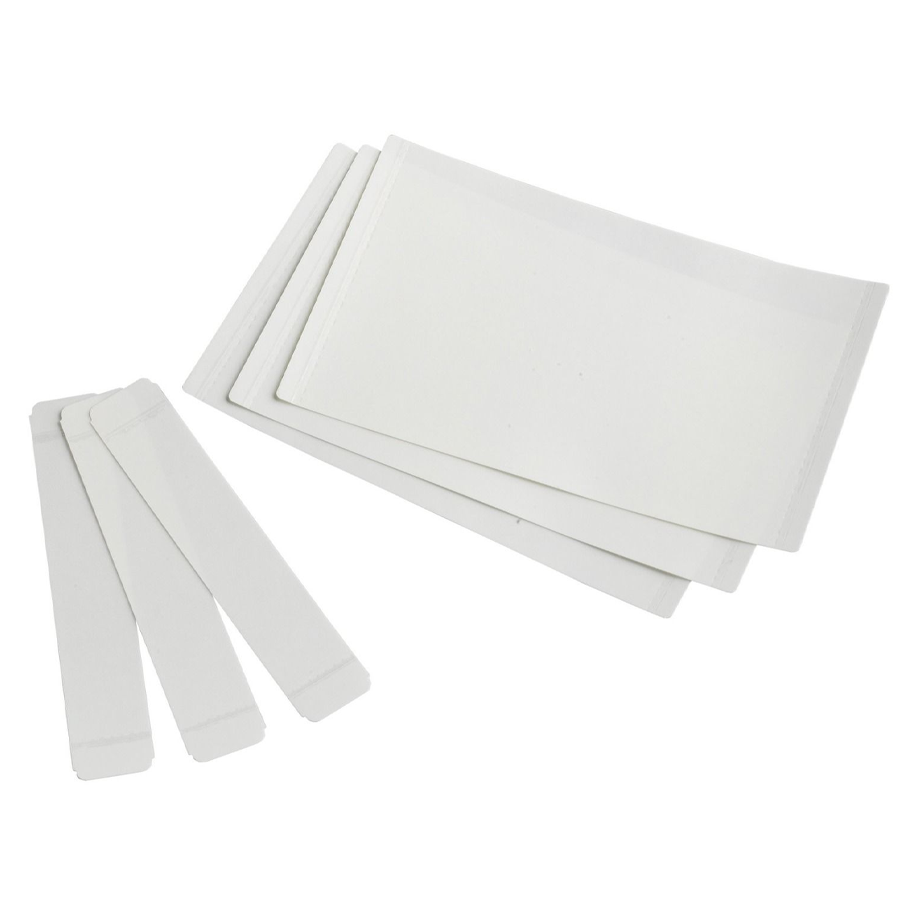
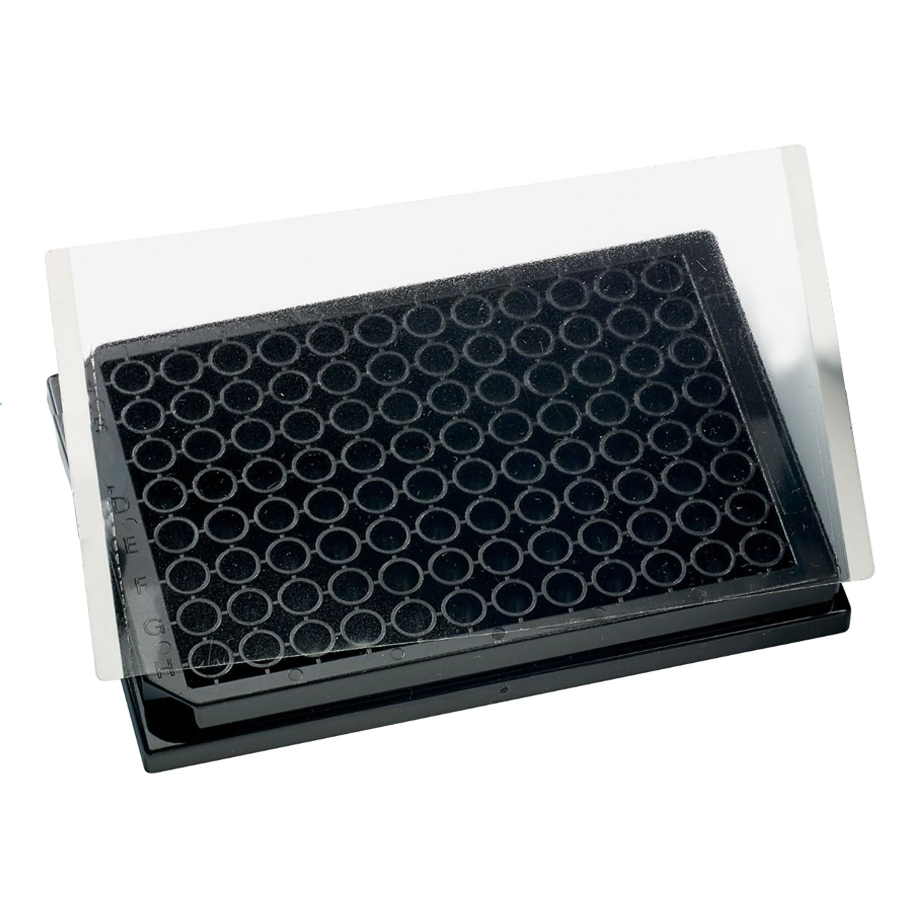
Pierceable plate sealing films let you access your samples directly, without the hassle of peeling or removing the seal. By allowing pipette tips or robotic probes to punch through the material, these films lower the risk of cross-contamination and the sudden aerosolization that often occurs when snapping off a standard adhesive.
Using high-quality pierceable sealing films is recommended to avoid sample contamination and needle clogging. Otherwise, seal fragments can be pushed into the sample or lodged inside the pipette tip upon entry.
| Used For | Advantages | Limitations |
|---|---|---|
|
|
|
Pierceable Sealing Film
According to My Green Lab, both constant and variable air velocity fume hoods consume significant amounts of energy. However, variable air velocity fume hoods typically use 110 kWh/day or approximately 3.5 homes' worth of energy per day.
Fume hoods are among the largest energy drivers in a lab. When you leave the fume hood sash open, exhaust fans pull in significant amounts of heated or cooled conditioned air, which is then released outside. If this cycle is left running continuously with the sash open, it causes a spike in energy use.
| Used For | Advantages | Limitations |
|---|---|---|
|
|
|
Best Practices When Using Microplate Seals
-
Ensure the plate rim is dry. Even a microscopic droplet of buffer can prevent the adhesive from bonding.
-
Use a sealing paddle instead of your thumb. Oil residue from your skin can affect the performance of optical seals, and your thumb cannot provide the uniform 10−20 lbs of pressure required to activate pressure-sensitive adhesives.
-
Apply the seal from the center and work your way to the edges. This prevents air bubbles from being trapped over the wells.
-
Verify that your seal is rated for your plate material. Sealing films bond differently to polypropylene than they do to polystyrene.
-
Do not pull the film taut when applying it. Stretching the polymer can cause the film to snap back and peel at the corners during incubation.
Consistent application turns good materials into reliable results. When these steps become part of your standard routine, every plate gets the same level of care and accuracy.
Looking for energy-efficient lab equipment and instruments? You'll find a range of options available at The Lab Depot, manufactured by trusted brands and with built-in features that help reduce energy use. Contact our team at 1-800-733-2522, email, or through live chat on our website for expert assistance.
Sources:
https://istscientific.com/blog/what-are-the-different-types-of-plate-sealing-films/
https://www.bdk.uk.com/2025/07/pros-cons-of-microplate-sealing-films/
https://www.polarseal.net/blog/microplate-sealing-films-materials-and-design/
https://www.cqscopelab.com/pcr-plate-sealing-film-best-practices-for-use-reuse-and-storage