

Heavy Metal Testing in Agriculture Sector: More Vital Than Ever
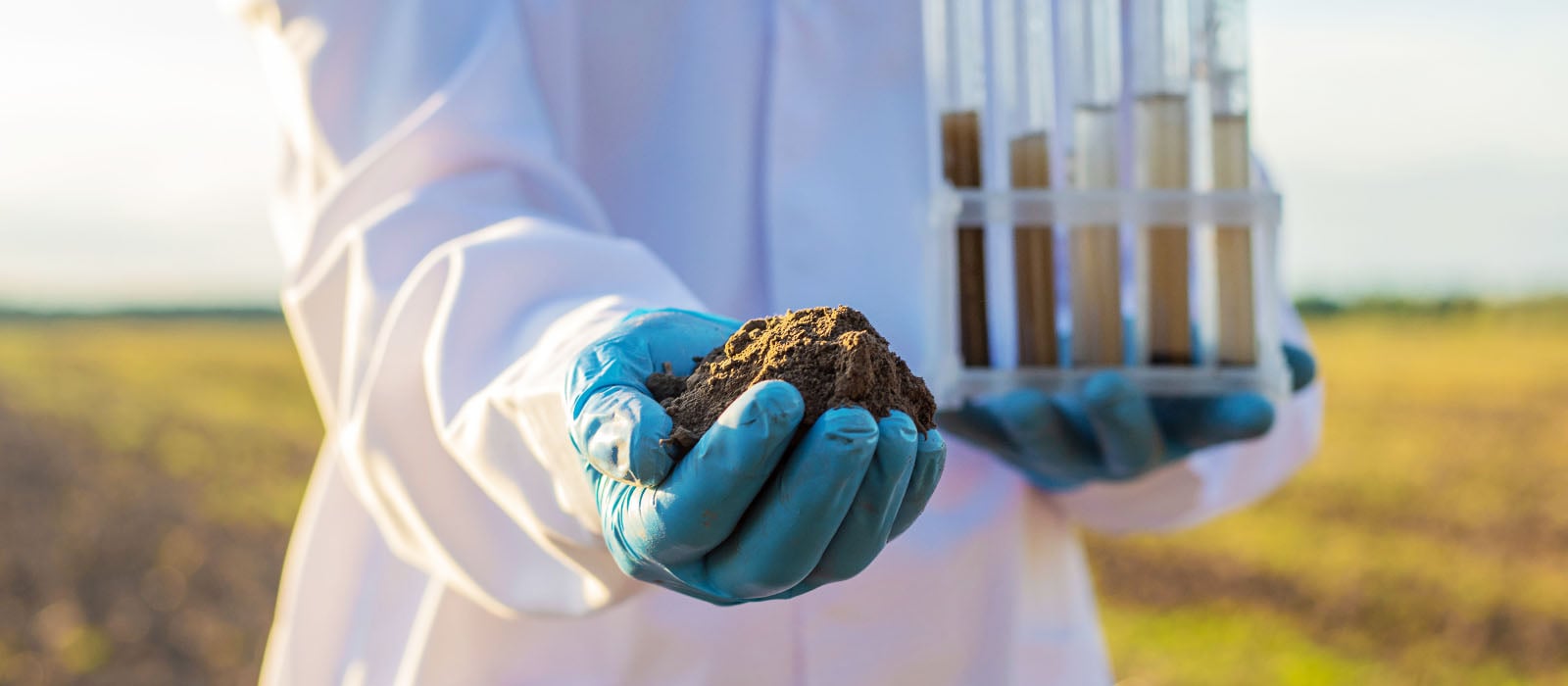
Learn how heavy metal testing protects food safety and land viability. Explore essential lab tools, such as ICP-MS, spectrophotometers, and analytical balances.
Arsenic, cadmium, and lead are just some of the many toxic heavy metals that affect the agriculture sector. They put food safety at risk and decrease the viability of land for crop production.
Due to their increasing threats, conducting heavy metal testing in agriculture is now more of a requirement than a luxury. This process can be performed in the field and in the lab, requiring sophisticated equipment to generate results that can help protect humans, animals, and crops from these toxic heavy metals.
How Do Heavy Metals Affect Agriculture?

The presence of heavy metals in the field creates a ripple effect that touches every part of the agricultural economy, including public health, crop quality, and livelihood.
#1 Put human health at risk.
Unlike organic pollutants that may break down over time, heavy metals persist. They bioaccumulate, moving from the soil into crops, then into the human body upon consumption. Lead is known to cause anemia and high blood pressure, mercury can damage the nervous system, arsenic can result in neurological issues, and cadmium can weaken the bones and impair the kidneys.
#2 Decrease crop quality and productivity.
High concentrations of these metals can induce oxidative stress in plants. This often manifests as chlorosis (yellowing of leaves), stunted root growth, and a significant drop in overall harvest weight.
#3 Fail product export standards.
Local and international markets are stricter than ever. If a shipment of grain or produce tests over the limit for mercury or cadmium, the entire lot can be rejected. This leads to a tarnished brand reputation for businesses and massive financial losses for the farmers and suppliers.
What Should Be Tested for Heavy Metals?

Contamination does not stay in one place. To get a full picture of a farm's health, testing must be holistic. Here are the primary samples that should be tested for heavy metals:
Soil Samples
Testing soil samples can help determine their bioavailability. Some metals are easily absorbed by roots, while others settle in the soil matrix. Through heavy metal testing, farmers can determine which areas or zones need treatment, rather than over-treating the entire field.
Water Samples
Crops and land can get contaminated quickly through water. Heavy metals can leach from nearby industrial sites into groundwater, and minerals can accumulate in recycled irrigation water. Without clean, uncontaminated water, even the most pristine soil will eventually become toxic.
Plant Tissue Samples
Testing plant tissue reveals which metals make it into the crop. This is important because different plants have varying absorption rates. For example, cadmium can often be found in leafy greens, as such crops are known for quickly absorbing this specific metal. To ensure food safety, the fruit, leaves, and stalks must be analyzed before they reach the grocery store.
Which Heavy Metal Testing Equipment Should You Use?
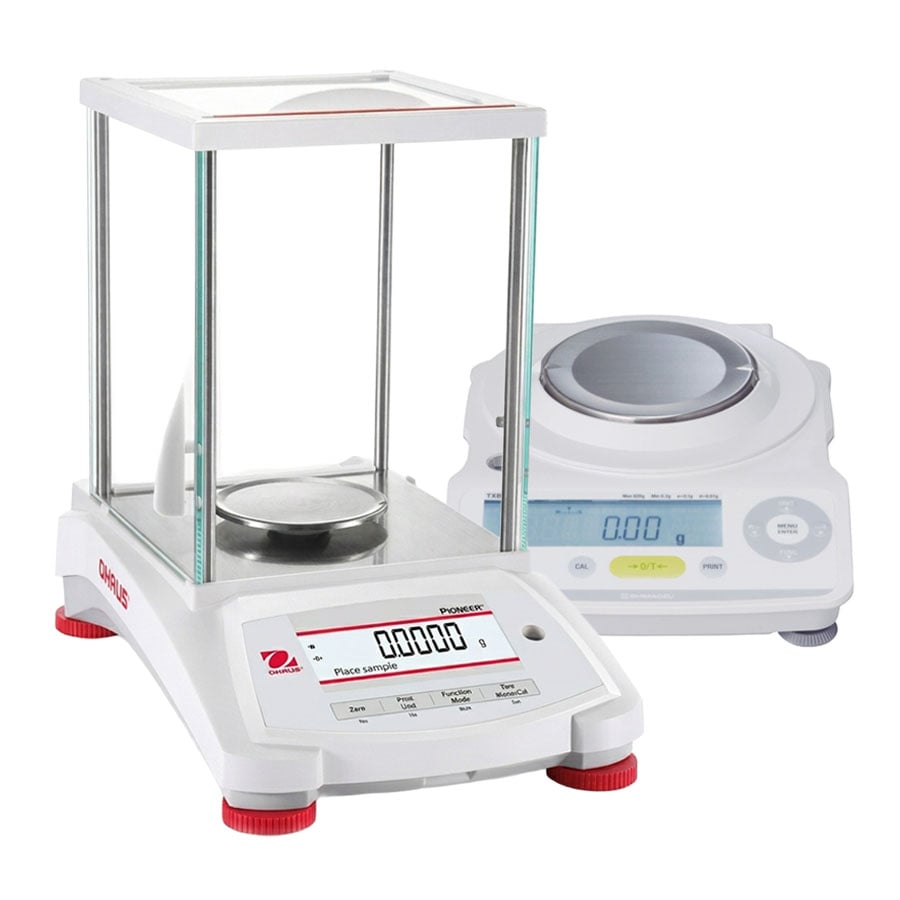
Analytical Balance
Analytical balances measure small masses in the sub-milligram range and typically feature a readability of 0.1 mg or better. Draft shields can be installed on these balances to prevent air currents from vibrating the weighing pan and causing miscalculations.
Before a soil sample can be analyzed, it must be dissolved in acid to create a liquid stock solution. If the initial weight of the dry soil is off by even a fraction of a percent, every subsequent calculation of metal concentration will be fundamentally skewed.
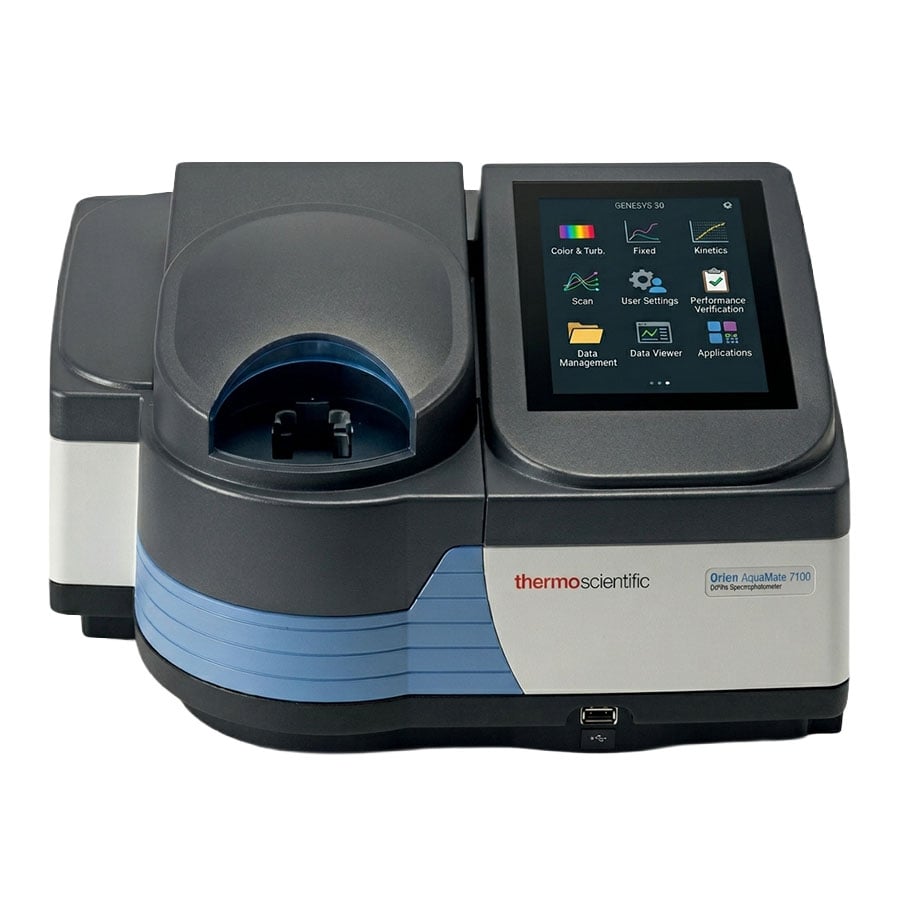
Spectrophotometer
Spectrophotometers measure how much light is absorbed by the metal ions in the sample. They are used for monitoring high-concentration nutrients and screening for metals, and they can provide information on the sample's chemical makeup.
In the context of agricultural applications, this tool is useful for quickly identifying dirty samples before moving them to more specialized equipment, like an ICP-MS. Even if they do not reach the extreme sensitivity of mass spectrometry, spectrophotometers remain a vital, cost-effective piece of equipment for high-volume screening.
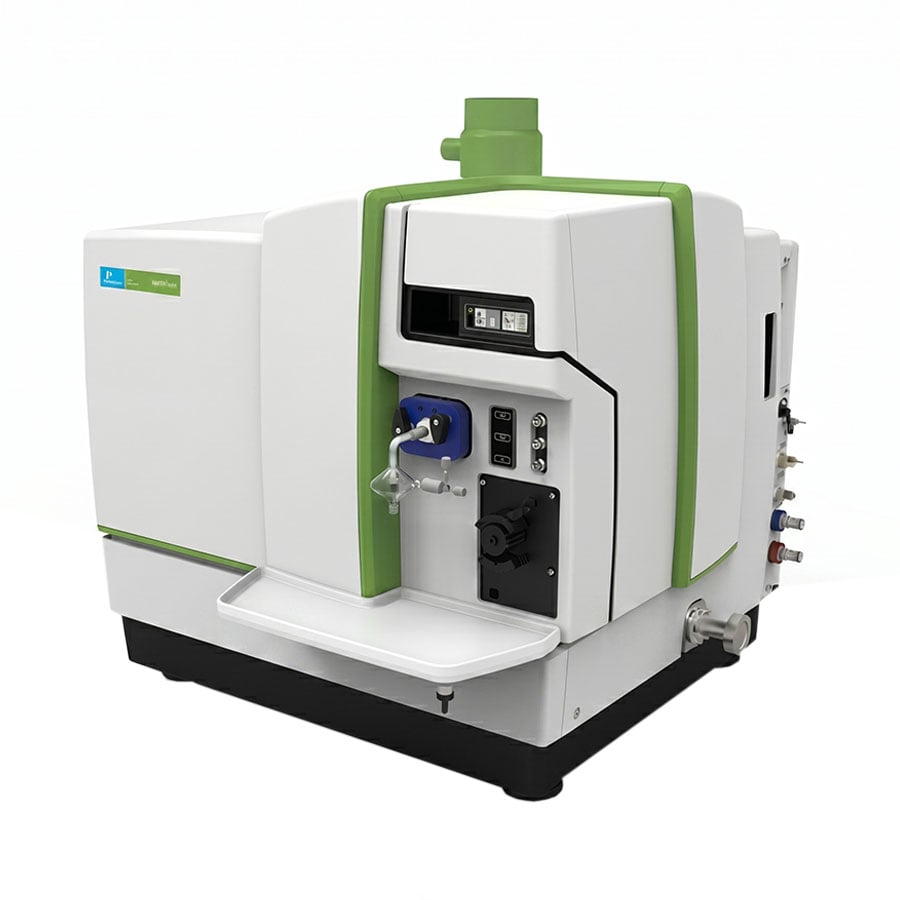
Inductively Coupled Plasma Mass Spectrometry (ICP-MS)
The ICP-MS can simultaneously detect almost every element on the periodic table at concentrations as low as parts per trillion. Because of this versatility, it is regarded as the gold standard in elemental analysis.
When using this tool, the sample is drawn directly from compatible vials and converted into a fine aerosol before being injected into an ultra-hot argon plasma torch. The extreme temperatures trigger ionization, during which electrons are stripped from the heavy metals, creating a stream of positively charged ions.
Then, these ions are accelerated through a mass spectrometer that acts as a filter. It separates each element based on its unique mass-to-charge ratio for exact detection.
While nitrogen, phosphorus, and potassium are beneficial for crop growth, true soil health is only guaranteed when toxic heavy metals are eliminated from the equation.
Find reliable heavy metal testing equipment at The Lab Depot. If you need help in selecting the ideal tools for your lab, contact our expert team at 1-800-733-2522, email, or through live chat on our website.