

How Will AI in Agriculture Affect the Future of Farming?

AI solutions for agriculture promise to improve farm management, productivity, and routine tasks, such as crop monitoring and smart irrigation.

AI In Agriculture

Based on 2022 data from the Food and Agriculture Organization of the United Nations, the US is the third largest food-producing country in the world after China and India. However, the US is experiencing a decline in the number of workers joining the agriculture sector, resulting in a labor shortage and difficulties meeting agricultural demands.

One major reason for this shortage is the aging farmer population. According to Emily Buckman, director of government affairs at the American Farm Bureau Federation, the average age of farmers in the US is 60. Buckman suggests that embracing AI technology could help address the decreasing number of farmers and sustain agricultural productivity.

AI in the Agriculture Industry in the US

American Farms

The agriculture industry is no stranger to artificial intelligence. For decades, advanced technologies like auto-steering guidance systems used in farm machines for rowing corn or other crops have benefited American farms.

As AI advances and issues such as workforce instability arise, more farmers have warmed up to this technology. According to a RELX Emerging Tech Executive Report, the number of businesses in the agriculture sector using AI reached 87% in 2021, jumping 13% from 2020 and the highest since 2019.

On another note, researchers from six US institutions joined forces to form the Artificial Intelligence Institute for Next Generation Food Systems (AIFS). The AIFS, funded by the National Institute of Food and Agriculture under the USDA, is the premier research hub for new AI-based solutions in the food and agriculture sectors.

n late 2023, Mason Earles, co-principal investigator at AIFS, addressed the US Senate Committee on Agriculture, Nutrition, and Forestry regarding the national opportunities for AI in agriculture. Earles, an assistant professor at the University of California, Davis, presented a scenario on how farms can leverage AI:

"Imagine if AI could bring together genomic and sensor data to uncover molecular patterns to enable plant breeders to discover more flavorful and nutritious strawberries. Now, imagine those same strawberries growing in a field where hundreds of cheap, paperclip-sized soil sensors are measuring nutrient and water stress and wirelessly sending data to a drone that flies overhead each day."

How Is AI Used in Agriculture?

What Earles showed is one of the many ways AI can be used in agriculture. Here are other areas where artificial intelligence can improve productivity and efficiency in farming crops and raising livestock:

Soil Monitoring

Soil Monitoring

Insufficient nutrients in the soil negatively affect plant growth. This is where soil sampling analysis comes in. Testing labs help farmers determine which fertilizers are needed to ensure the soil is healthy and fit for their crops.

By incorporating sensors and AI systems, farmers can assess the moisture and nutrient content of the soil. They can also measure soil temperature, pH levels, and other parameters. Then, lab analysts analyze the data and present recommendations that growers can use to manage their crops effectively.

AgroCares, a Dutch agricultural technology company, has developed a portable device called Nutrient Scanner and an efficient service called Lab in a Box. These products harness the abilities of AI and provide quick and intelligent recommendations for proper soil management.

Crop Monitoring

Crop Monitoring

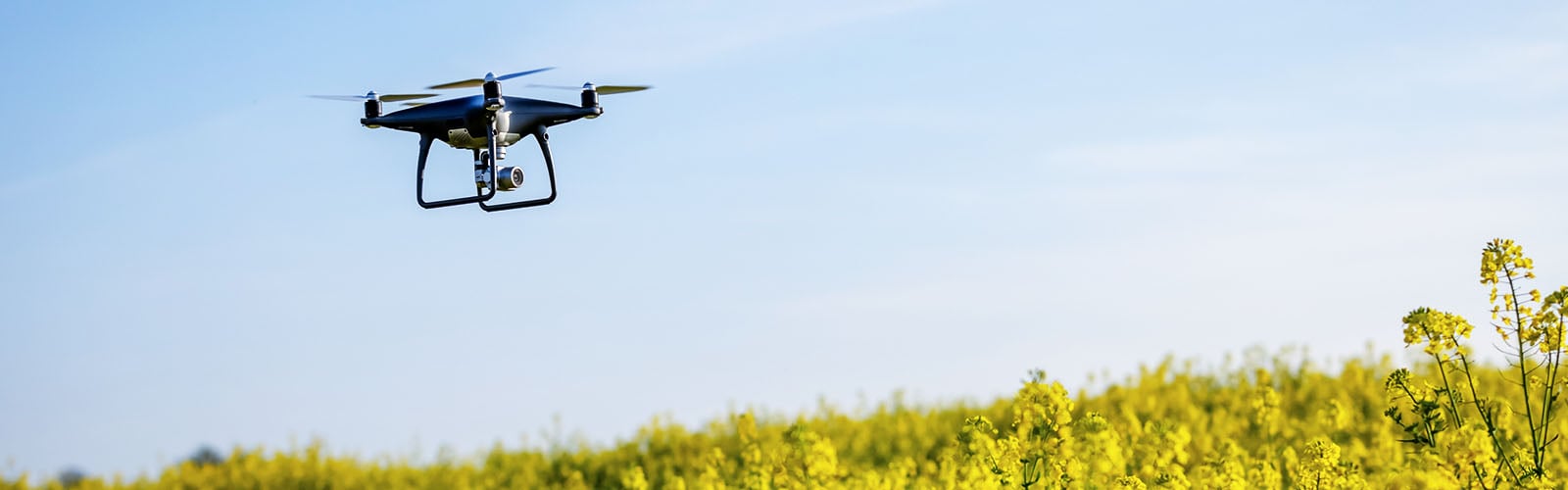
Researchers at the University of Illinois Urbana-Champaign shared in their study published in 2000 how they accurately predicted soybean maturity date within only two days using drone images and AI. Their AI-based deep convolutional neural networks function like a brain and can interpret colors, textures, and shapes:

"For what we were trying to do, color was the most important thing. But the advantage of the artificial intelligence models we used is that it would be quite straightforward to use the same model to predict another trait, such as yield or lodging."

This study shows how sensors, drones, image recognition tools, and other AI-powered hardware can simplify tracking crop changes and help farmers predict crop maturity without walking through rows of crops daily.

Smart Spraying

Smart Spraying

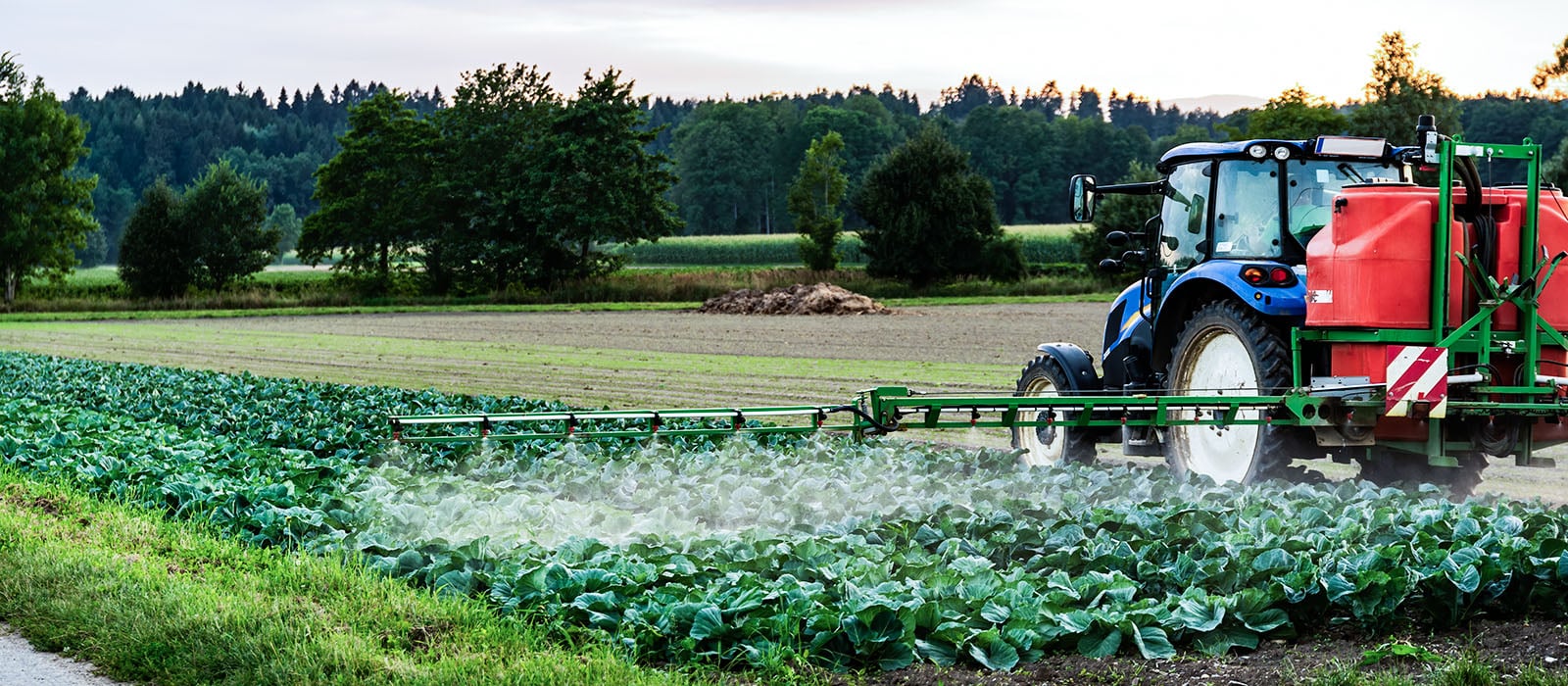
Automated pesticide spraying is an excellent alternative to manual application. However, this process often lacks precision and accuracy, which can lead to environmental contamination. This is why AI-powered drones have become the preferred option. Not only can they determine how much pesticide needs to be sprayed on specific areas, but they can also identify weeds from crops.

Growers have another cost-effective option besides AI-powered drones, such as the See & Spray™ Select from Blue River Technology. It distinguishes between weeds and crops using computer vision and a vast database containing millions of plant and weed images. This precision enables targeted herbicide application exclusively to weed-infested areas, resulting in a 77% reduction in herbicide use compared to conventional broadcast spraying methods.

Smart Irrigation

Smart Irrigation

Automated irrigation systems harnessing AI capabilities can save water and support sustainable farming methods. AI systems can autonomously and efficiently determine the ideal amount of water to deliver to crops by integrating sensors designed to track weather patterns and soil moisture levels automatically.

Plant Disease Detection

Plant Disease Detection

Using machine learning and computer vision, Taranis, a crop intelligence service, helps farmers identify signs of diseases or stress on plants. It analyzes high-resolution images of crops and accurately classifies the pests and diseases that endanger them. Moreover, it recommends the safest and most effective treatment to protect the plants.

Livestock Health Monitoring

Livestock Health Monitoring

Another way AI assists farmers is by detecting how livestock like cows behave. CattleEye developed a system that uses AI and machine learning to monitor atypical cattle behavior and activities. Made possible by cameras onboard drones, this system provides data that can help farmers adjust cattle diets, increase milk production, and improve living conditions.

Challenges of AI in Agriculture

Challenges Of AI In Agriculture

While adopting artificial intelligence and incorporating it into various agriculture applications can be beneficial, certain obstacles can hinder its full integration. Here are a few of the challenges:

  • Some people are resistant to innovation, especially change. This explains why, despite the hype for AI, some farmers may be convinced that there are better courses of action than adopting novel technologies. To encourage all farmers to embrace AI, the government and private companies should provide training, financial support, and assurance that the technology will not lead to job losses.

  • Upfront costs are high, which can be an issue for farmers and agribusiness owners struggling financially. However, as more companies develop these technologies, the cost of integrating AI hardware and solutions may become more attainable.

  • The full potential of AI has yet to be fully developed, so there will be limitations on how it can benefit the agriculture sector. However, the US government is committed to discovering ways to utilize AI and has established premier AI-focused research hubs, including the AIFS.

The future of AI in agriculture is promising, primarily when all these hurdles are addressed. As more AI farms grow in the US, the agriculture industry should have enough driving force to sustain its demands and thrive in a more technologically advanced world.

Although artificial intelligence is shaping the agriculture industry, soil sample analysis, fertilizer analysis, and other tests that need to be done inside a lab will remain the gold standard.

TLD offers premium lab supplies and equipment for your environmental testing needs. If you need assistance, contact our expert team at 1-800-733-2522, email, or message us via live chat, available on our website.

Request A Quote

Customer Information
Shipping Address
Billing Address

Will you need a lift gate? *

(For deliveries requiring a LTL truck and the customer does not have a dock door)

Would you like to add shipping amount to quote? *

Are you tax exempt? *

(If you are tax exempt, please email your tax exemption form to [email protected])

Upload PDF: