
Essential Microbiology Lab Equipment For Universities

Microbiology Lab Equipment

Autoclaves, centrifuges, and incubators are vital for university microbiology labs. However, these are just some of the crucial lab equipment for microbiological processes. Discover other essential tools that campus labs should have to ensure efficient and reliable experiments.

Microbiology labs in universities are essential for advancing fields such as biology, medicine, environmental science, and agriculture. They provide a platform for students and researchers to study microorganisms, their behaviors, and their interactions with other organisms and environments.

Critical applications in these labs include identifying pathogens, understanding disease mechanisms, exploring microbial ecology, and developing new antibiotics or biotechnological processes. These activities are crucial for public health advancements and environmental solutions and require specific lab equipment to achieve accurate and reliable results.

Here is a list of vital laboratory equipment that every university microbiology lab should have.


Autoclave

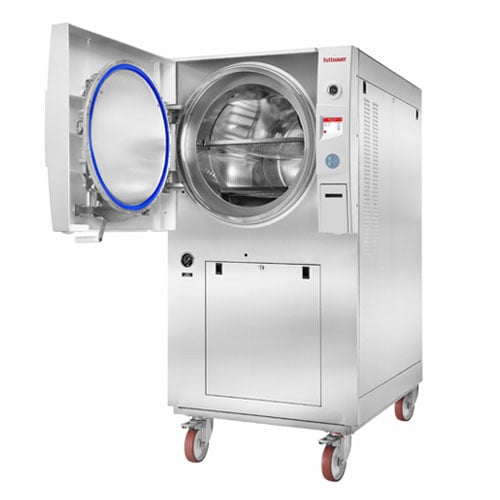
Autoclaves use high-pressure steam reaching temperatures of 121°C (250°F) or higher to sterilize instruments, glassware, and media. Their primary function is to eliminate all microbial life forms, including spores, ensuring a contamination-free environment within their sealed chamber for experiments and research.

University students need autoclaves in their microbiology labs to ensure the sterility of their tools and materials, essential for obtaining accurate readings in their experiments. They can also use this equipment to sterilize growth media, decontaminate biohazard waste, and destroy used samples.

Campus labs should choose autoclaves with precise temperature and timing control and features like media warming and delayed start functions.
Centrifuge

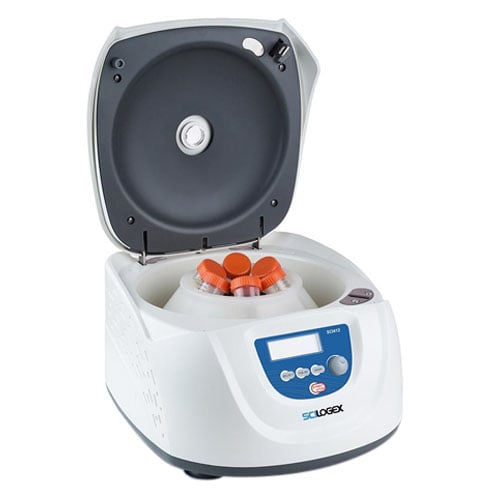
Centrifuges isolate and concentrate proteins, nucleic acids, and other cellular components from a liquid suspension. They separate these components based on their densities by spinning them at high speeds, efficiently isolating DNA and RNA, concentrating microbial cells from culture media, and separating serum or plasma from blood samples.

Once samples are placed inside the centrifuge, the rotor spins at high velocity and generates centrifugal force. This force pushes denser particles to the bottom of the tube while lighter particles remain at the top.

Different types of centrifuges offer varying speeds, with high-speed refrigerated centrifuges and preparative ultracentrifuges ideal for microbiology studies. Moreover, swinging-bucket and fixed-angle rotors are commonly used, but flow rotors are recommended for processing tissue homogenates, mitochondria, or cell and algae harvest.

Incubator

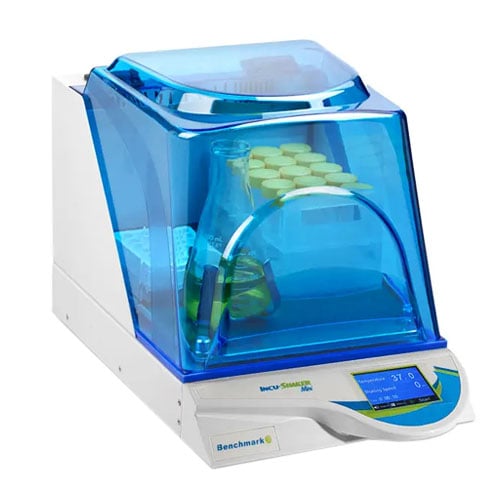
Incubators are necessary in microbiology labs as they create optimal conditions for biological processes. They provide and maintain a controlled environment to support the growth and development of cells, tissues, and microorganisms.

Incubators have heating and cooling systems and feature sensors and controls to accurately regulate environmental parameters such as CO2 levels, temperature, and humidity. In university labs, incubators enable students to conduct experiments on microbial metabolism and physiology, incubate cell lines, and grow bacterial cultures.

Among the various types of incubators, BOD incubators are a specialized type designed to maintain low temperatures, typically ranging from 10℃ to 60℃. They measure the oxygen microorganisms consume during the decomposition of organic matter, making them essential in environmental microbiology.

Laminar Flow Hood

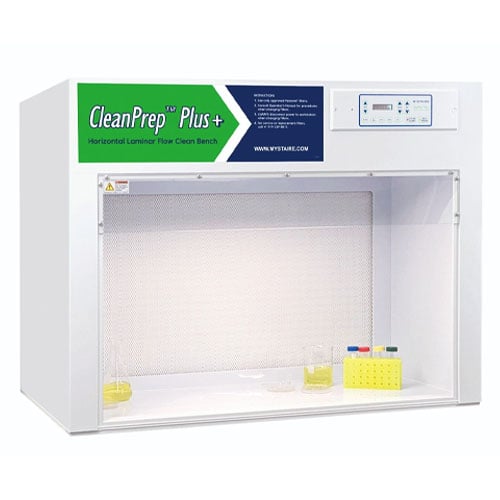
Laminar flow hoods are a staple in microbiological work. They create a sterile environment by using positive displacement airflow, either horizontal or vertical.

Horizontal laminar flow hoods are perfect for cell, tissue, and media culture preparation. Air enters through the fan at the top of the machine and moves downward into the HEPA filter. It then moves horizontally across the samples on the work surface, preventing airborne contaminants from reaching them.

On the other hand, the air enters the top of the vertical laminar flow hoods through the fan and seeps through the HEPA filter. The filtered air moves downward in a waterfall-like effect, preventing cross-contamination and making them ideal for microbiological examinations.

UV Chamber

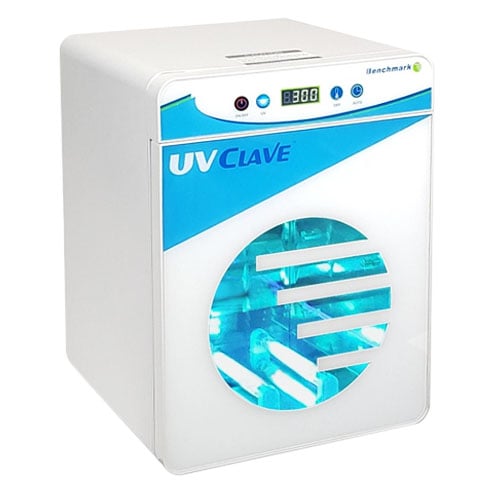
A UV chamber's primary function is to decontaminate and sterilize surfaces and tools. It uses UV-C light to eliminate surface microorganisms and damage their DNA, preventing cross-contamination during experiments.

A UV chamber, often called a UV light box, also sterilizes research tools and disinfects personal protective equipment, such as lab coats and gloves. It ensures students and researchers can perform biological processes without affecting the accuracy and reliability of their experiments.

PCR Hood

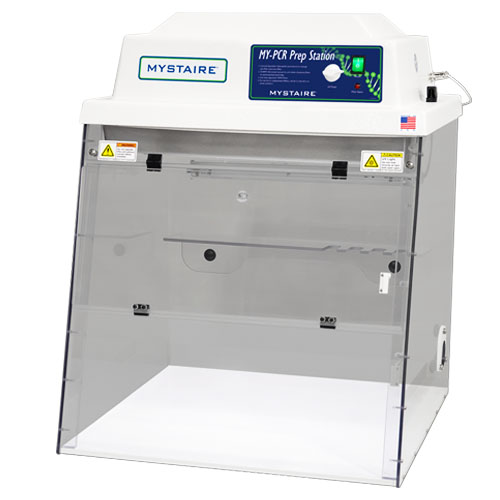
A PCR workstation, also known as a PCR hood, provides a contamination-free, sterile environment for microbiological procedures. It combines a vertical laminar flow hood and a UV chamber, using the added benefit of UV light to provide an extra layer of cleanliness and control.

PCR workstations are widely used in molecular biology, specifically in applications such as DNA fragment modification, gene amplification, pathogen identification, genetic disorder detection, forensic analysis, and gene expression studies.

Biosafety Cabinet

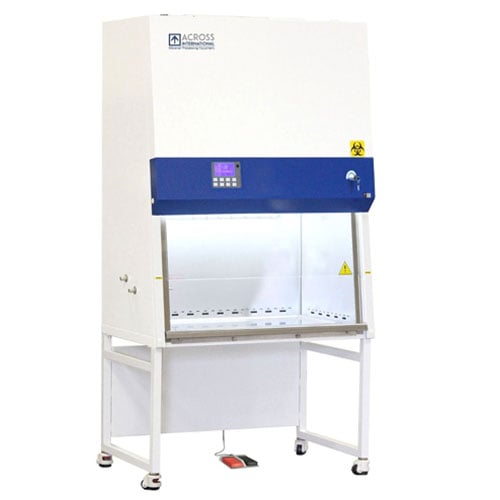
While laminar flow hoods primarily protect the samples, biosafety cabinets prevent sample contamination and protect the users and environment from harmful agents. They come in classes: Class I, II, and III.

Class II units are the most suitable for university microbiology labs of these three. Often called cell culture or tissue culture hoods, these cabinets use negative and positive displacement airflows, with the Type B2 and C2 cabinets offering more protection.

Meanwhile, Class III biological safety cabinets are necessary when examining infectious agents or toxins that can infect operators through inhalation or direct contact with the eyes or the respiratory tract. They are also ideal for studying diseases without vaccines or therapies available.

Ultra-Low Temperature Freezer

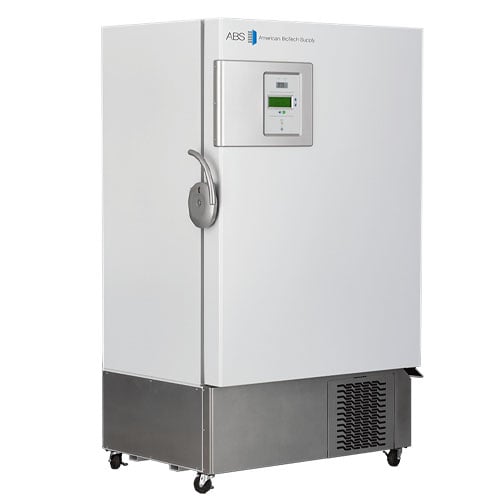
Samples, drugs, enzymes, and other biological materials are best stored in ultra-low temperature (ULT) freezers. These cold storage units offer temperatures between -45°C and -86°C, making them ideal for storing temperature-sensitive materials.

ULT freezers operate with advanced cooling systems and insulation to achieve and maintain ultra-low temperatures. Students must have access to ULT freezers when conducting experiments that need to preserve cell lines for a long time or examine bacterial and viral strains to ensure zero contamination and the reliability and continuity of molecular biology research.

Compound Microscopes

Microscope

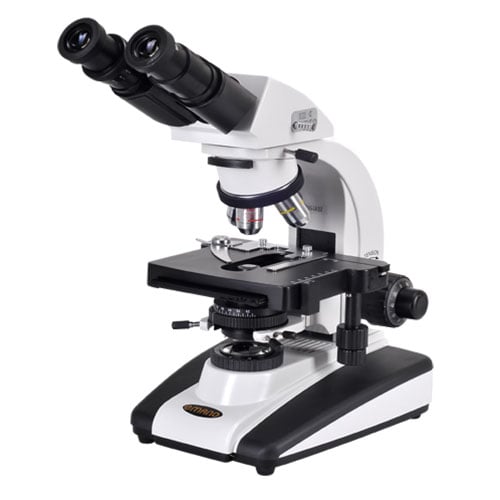
Light and fluorescence microscopes are standard tools for observing and analyzing microorganisms. Light microscopes can magnify specimens using visible light, making them ideal for routine fungi, bacteria, and protozoa examinations. Fluorescence microscopes, on the other hand, offer enhanced capabilities by using fluorescent dyes to label specific components within a cell.

Apart from these two, high-quality compound microscopes and electron microscopes are necessary for enhanced magnification. Compound microscopes offer high magnification and resolution, while electron microscopes provide even greater magnification for examining the ultrastructure of cells and the structures of viruses.

pH Meter

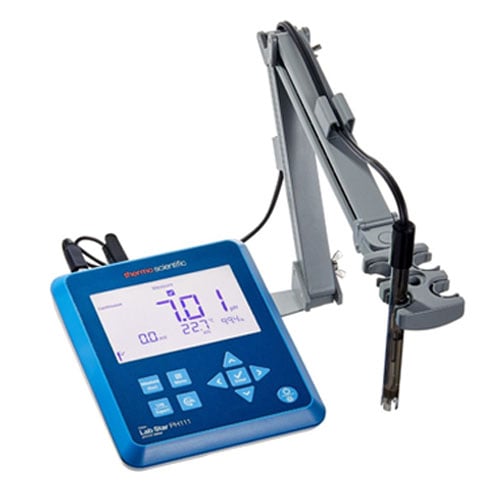
pH meters determine the acidity and alkalinity of a water-based solution by measuring the electrical potential difference between the pH and reference electrodes. Unlike pH strips, they provide more accurate readings, making them the preferred option for various applications, such as ensuring proper microbial growth or analyzing biological fluids.

Every microbiology lab should have at least one type of pH meter available. Benchtop pH meters are the standard laboratory choice. However, portable units are highly recommended in a campus lab setup where several students may require a pH meter simultaneously.

Magnetic Stirrer

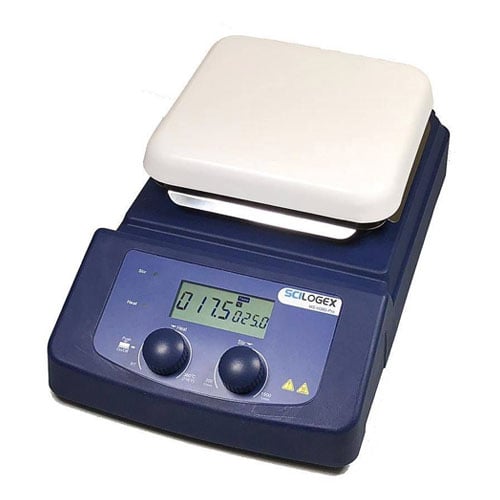
Magnetic stirrers are essential for applications that require precise and efficient liquid stirring. Available in both digital and analog models, these devices generate a rotating magnetic field that spins the stirrer bar immersed in the solution, ensuring thorough mixing. The stirring speeds vary based on the stir bar and the device’s power, allowing for tailored mixing processes.

Many magnetic stirrers come equipped with a hot plate to enhance their functionality further. These models can mix and maintain liquids at specific temperatures, meeting the precise requirements of various experiments. This combination of stirring and heating makes magnetic stirrers versatile tools in laboratory settings.

Water Bath

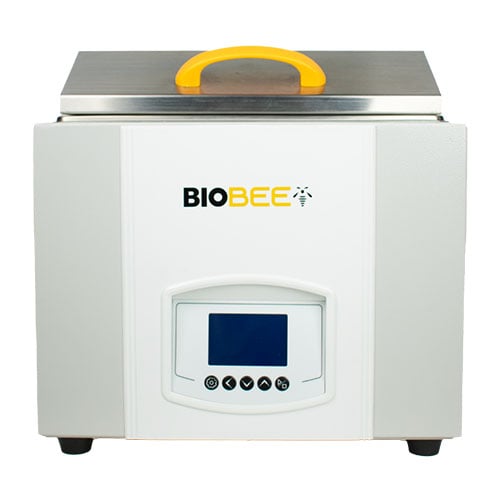
Water baths provide a consistent and controlled temperature environment for various applications, such as warming and incubating. This functionality makes them vital for scientific tasks and a must-have for all laboratories.

In microbiology, water baths are ideal for incubating and activating bacterial and yeast cultures, allowing researchers to precisely control the temperatures needed for the cultures. They are also perfect for safely thawing frozen reagents or samples and creating an optimal environment for enzymes to achieve the desired reactions.

Balance

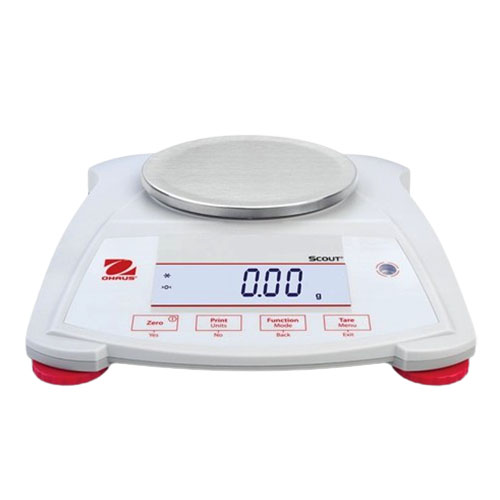
Laboratory balances, especially micro and analytical balances, are crucial in microbiology labs because they are precise and accurate in measuring small sample masses. They use a highly sensitive weighing mechanism that measures mass down to the nearest milligram or microgram, providing the exact quantities needed for reliable results.

These instruments ensure consistent mass and reagent preparation, especially when placed inside dead air boxes to shield them from bumps, spills, and air drafts. Their qualities make them indispensable for microbial growth, experimental reproducibility, and other microbiological applications.

Equipping university microbiology labs with these essential tools can foster significant scientific discovery and innovation. Investing in high-quality equipment ensures precise and reliable results and prepares students for successful careers in research and industry.

TLD provides a wide range of lab equipment ideal for microbiology work in campus labs. Contact our knowledgeable team for expert assistance at 1-800-733-2522, email, or message us via live chat, available on our website.

Sources:

https://www.labster.com/blog/upgrading-your-microbiology-lab-equipment

https://www.priorclave.com/en-us/autoclave-customers/growth-media-prep/

https://www.steris.com/healthcare/knowledge-center/sterile-processing/everything-about-autoclaves

https://www.excedr.com/blog/what-is-a-centrifuge

https://www.mrclab.com/laboratory-incubators-definition-purpose-functionality

https://www.ossila.com/pages/laminar-flow-hoods-microbiology-molecular-biology-and-pharmaceuticals

https://www.labconco.com/articles/what-are-the-biosafety-cabinet-classes

https://www.dir.ca.gov/dosh/dosh_publications/Aerosol-Diseases-fs.pdf

https://genemod.net/blog/ultra-low-freezer

https://hudsonrobotics.com/best-types-of-ph-meters-for-microbiology-labs/

https://microbeonline.com/ph-meter-parts-principle-and-applications/

https://microbenotes.com/magnetic-stirrer-principle-parts-types-uses-examples/

https://www.scilogex.com/blog/our-blog-1/water-bath-a-crucial-ally-in-your-laboratory-24

https://www.igenels.com/pcr-workstation-everything-you-should-know/

https://www.scalepeople.com/four-types-of-laboratory-balances/

https://www.prestogroup.com/blog/a-guide-on-the-use-of-a-bod-incubator/#

https://www.mrclab.com/what-is-bod-incubators-and-its-uses

Request A Quote

Customer Information
Shipping Address
Billing Address

Will you need a lift gate? *

(For deliveries requiring a LTL truck and the customer does not have a dock door)

Would you like to add shipping amount to quote? *

Are you tax exempt? *

(If you are tax exempt, please email your tax exemption form to [email protected])

Upload PDF: