

Why Is Gas Chromatography Essential for Natural Gas Analysis?
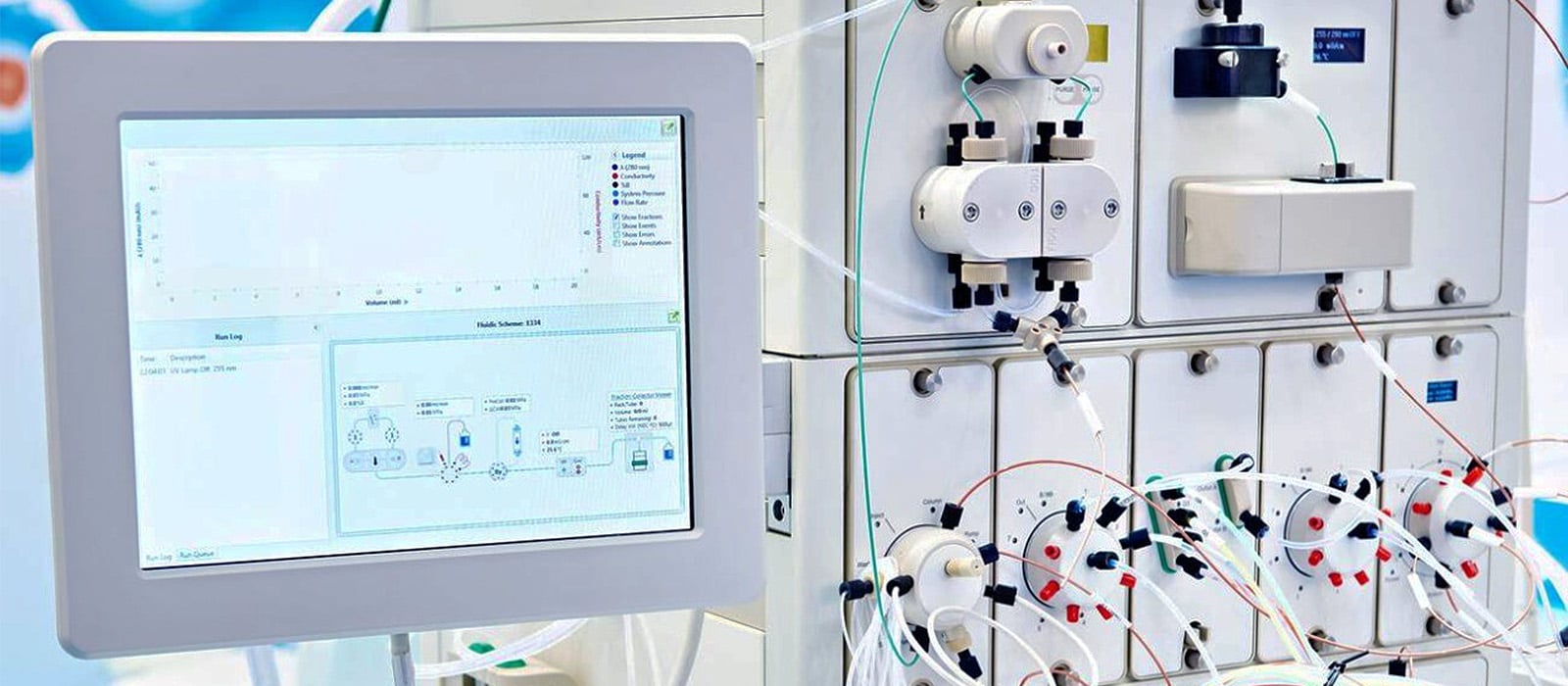
Learn how a GC system or chromatograph functions and how gas chromatography optimizes natural gas processing.
Defined as a mixture of gaseous hydrocarbons, natural gas mainly comprises methane with different amounts of butane, pentane, ethane, and propane. It also contains non-hydrocarbon gases like helium, nitrogen, and carbon dioxide. Due to its use, natural gas needs to undergo processing and testing, and this is where natural gas analysis comes into play.
Natural gas analysis uses gas chromatography (GC) to determine a sample’s composition, quality, and safety It also helps assess its calorific value, identify contaminants, and ensure it complies with the regulatory standards for industrial and commercial use. More importantly, it calculates the energy content, which is instrumental in discovering how valuable the gas is.
Why Use Gas Chromatography for Testing Natural Gas Samples

GC uses a carrier gas in the mobile phase to separate, detect, and quantify chemical components in volatile substances. It can identify hydrocarbon content and inert gases and even distinguish the presence of contaminants, sulfur compounds, and other impurities.
Given its capability, it has become a widely used chromatographic technique in various applications. One of these is natural gas processing, wherein numerous tests of natural gas samples are required to determine the following:
- Economic value of the field
- Potential end uses and customers
- Potential processing costs
- Quality control for plant operations
- End user costs for using the gas
By utilizing gas chromatography, natural gas producers and distributors can ensure their products meet industry standards and contractual requirements, delivering reliable and high-quality fuel to stakeholders.
How a Gas Chromatograph Works

A gas chromatograph (GC) system follows the same fundamental steps and functions when analyzing natural gas samples as it does when testing other types of samples. This process comprises four stages: sample introduction, separation process, detection, and data analysis.
Sample Introduction
Before analysis, the collected natural gas sample must be dried to remove excess moisture or filtered to eliminate particulates. Failure to properly prepare the sample leads to unreliable results. Once conditioned, the sample is introduced into the chromatograph using a manual injection or an autosampler.
Sample Process
The sample is heated and then carried by the mobile phase through a chromatographic column. The mobile phase could be any commonly used inert gas, such as nitrogen, argon, hydrogen, or helium, the widely used carrier gas for chromatography. Inside the column, the gas mixture's components interact with the stationary phase and travel at various speeds. This reaction makes lighter gases pass through much faster than heavier molecules, leading to separation.
Detection
The separated components pass through a detector after reaching the column's end. With the help of the detector, typically a flame ionization detector (FID) or a thermal conductivity detector (TCD), the system measures and records the chemical or physical properties of the gas.
Flame Ionization Detector - The FID is highly sensitive and selective. It effectively detects and measures hydrocarbons and other organic compounds in natural gas.
Thermal Conductivity Detector - The TCD is considered a universal detector because it is highly stable and does not need sample ionization. It is ideal for detecting inert and permanent gases.
Data Analysis
Once recorded, the data is analyzed by computer software, which produces a chromatogram showing signal intensities, retention times, and other information. The system then compares the results with calibration standards and produces a detailed report.
Common Challenges and Limitations of Gas Chromatography

While GC is a powerful analytical technique, it comes with its challenges. Incorrect installation of parts and consumables can lead to gas leaks. The buildup of contaminants and polar analytes on the glass liners, column, and inlet can also cause tailing peaks, catalytic breakdown, or irreversible adsorption.
Another limitation is its reliance on gas as a mobile phase, restricting its application to volatile compounds with a molecular weight of approximately 1250 Da. It also requires low temperatures and specialized cold injection techniques to prevent the degradation of thermally sensitive compounds.
Despite these challenges, gas chromatography remains the gold standard for analyzing natural gas samples.
Explore various GC consumables and supplies at The Lab Depot! Contact our team at 1-800-733-2522, email, or through live chat on our website.
Sources:
https://separationsystems.com/natural-gas/
https://macel-plin.hr/2024/06/25/chromatographs-a-key-technology-in-natural-gas-analysis/