
What to Consider Before Purchasing a Centrifuge
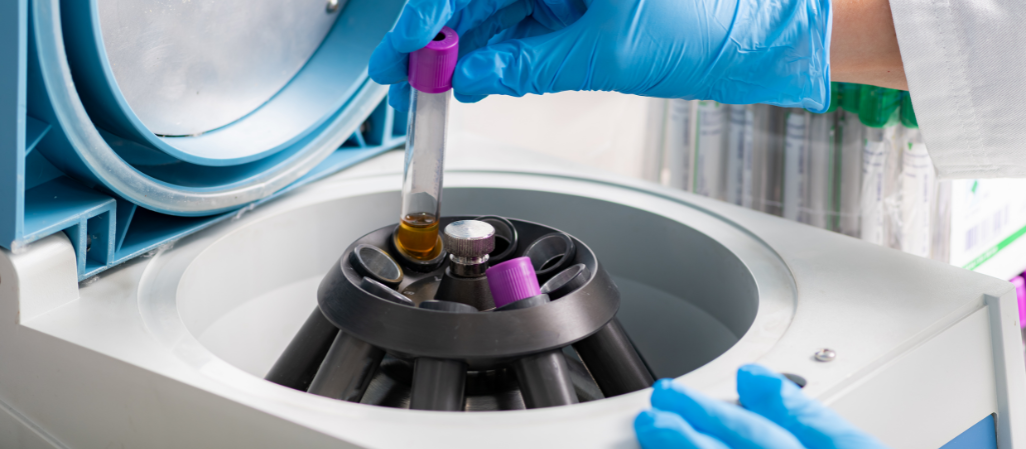
Many aspects must be considered before making a centrifuge purchase. Each element must be assessed, from sizes and capacities to sample positioning and g-force, to maximize efficiency and achieve the desired outcome. This article provides a brief overview of centrifuges and centrifugal force, the various types of centrifuges, and the essential considerations needed before purchasing.
An Overview About Centrifuges
What is a Centrifuge, and How Does it Work?
A centrifuge is a type of equipment that separates particles by density. This separation occurs through centrifugation, which uses centrifugal force at high speeds to separate particle mixtures of fluids, liquids, or gases within a liquid.
What Is Centrifugal Force?
Particles separate in a liquid via centrifugal force, which pushes denser particles outward from the central axis in a circle. If the centrifugal force caused by spinning is stronger than the liquid's upward push (buoyancy force) and the particle's resistance to movement (frictional force), the particles will sink (sediment). Lighter particles that experience a weaker force will remain suspended near the top of the liquid.
The Different Types of Centrifuges
Many centrifuges vary in speed, capacity, temperature management, and applications. They can spin plastic and glass centrifuge tubes, bottles, microplates, and other sample containers. Here is a list of some common centrifuges you may find in a lab:
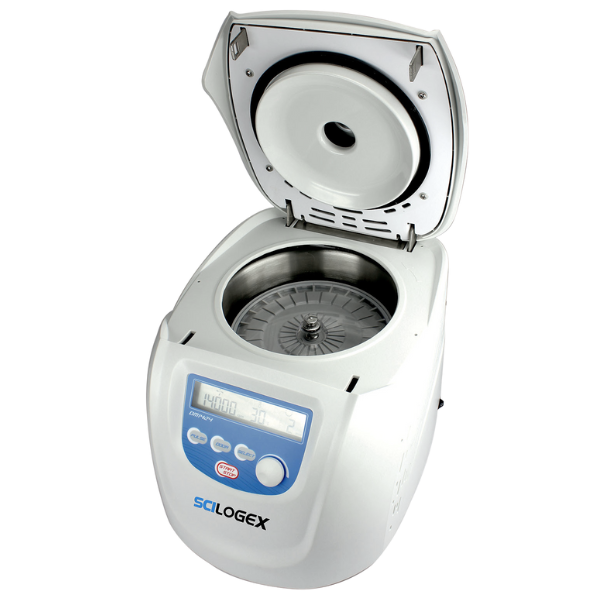
Benchtop Centrifuge
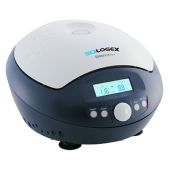
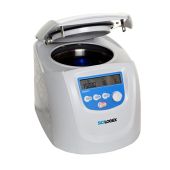
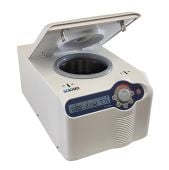
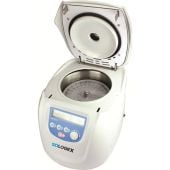
As their name implies, benchtop centrifuges reside on a workbench. These units are smaller and require less power than their standing-floor counterparts. These centrifuges come in various models: high-capacity, high-speed, micro, mini (compact), and refrigerated.
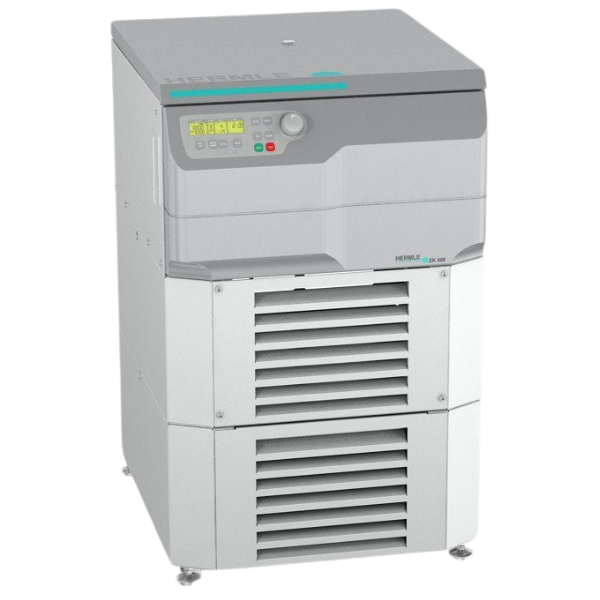
Floor-Standing Centrifuge
Depending on the model, floor-standing centrifuges can spin samples in bulk and/or at high speeds. There are various floor-standing centrifuges, such as high-capacity or high-speed centrifuges. Other versions of the floor-standing model also include undercounter or underbench centrifuges for maximizing the workspace, and refrigerated models.
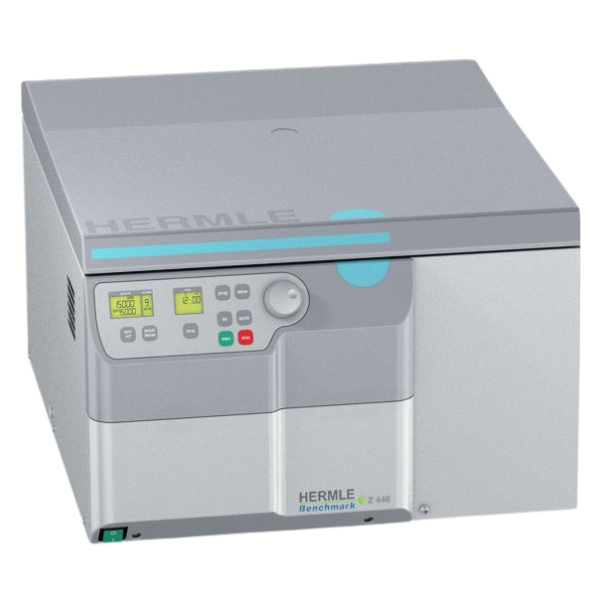
High-Capacity Centrifuge
High-capacity centrifuges can spin larger-volume centrifuge tubes and bottles of up to 750 mL or more and come with various rotors and adapters to suit your application(s). These models typically operate at low to medium speeds of over 4,000 x g and use either fixed angle or swinging-bucket rotors.
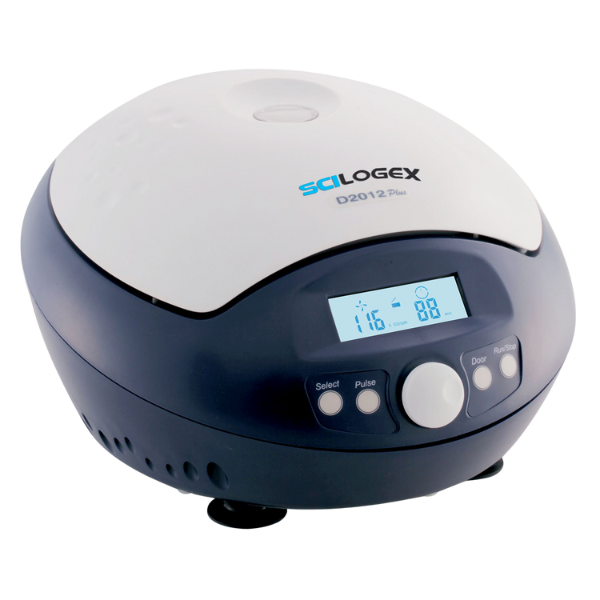
High-Speed Centrifuge
These high-speed centrifuges come in benchtop or floor-standing models. They can spin centrifuge tubes, bottles up to 250 mL, and various microplates. They use fixed angle or swinging-bucket rotors with different adaptors to handle speeds of 20,000 rpm or more.
Additionally, super-speed benchtop models can reach up to 30,000 rpm, and floor-standing ultracentrifuges can reach 150,000 rpm.
Low-Speed Centrifuge
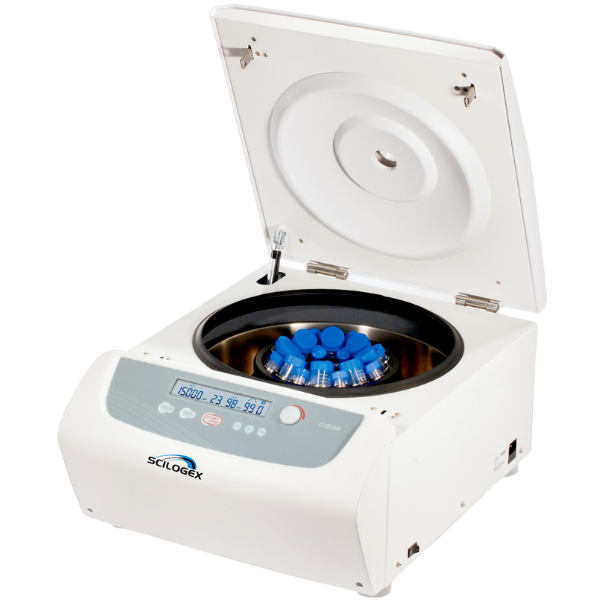
On the other side of the speed spectrum, low-speed centrifuges are optimal for gentle operations where high centrifugal forces could damage samples. These centrifuges can utilize swinging buckets and fixed angle rotors and have speeds up to 6,000 rpm.
Refrigerated Centrifuge
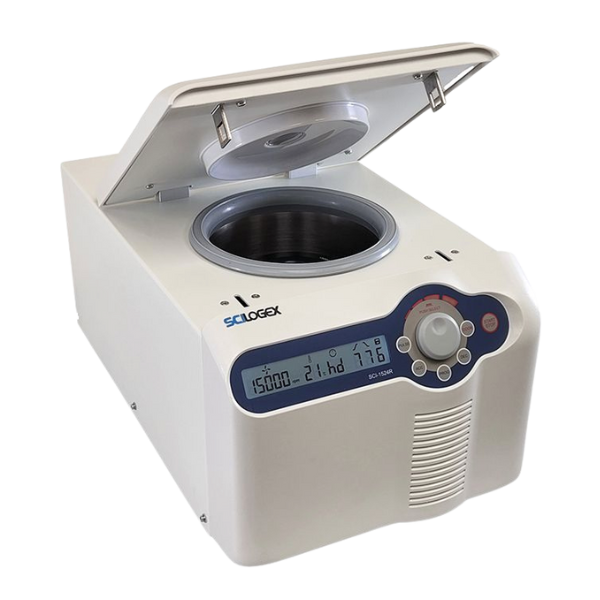
Refrigerated centrifuges are best suited for heat-sensitive samples and applications. They maintain cooler temperatures within the chamber where the samples spin at high speeds and have adjustable temperature ranges, preserving the sample’s integrity. These centrifuges are available in benchtop and floor-standing models.
Microcentrifuge
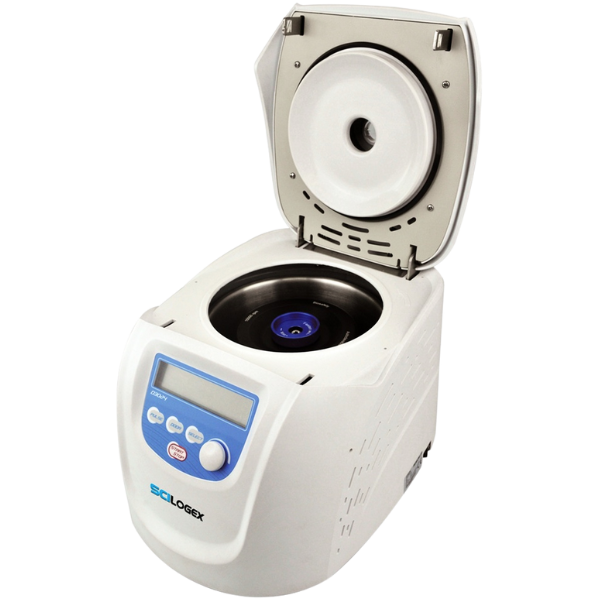
Microcentrifuges are benchtop centrifuges for spinning small-volume microcentrifuge tube samples ranging from 0.2 to 2.0 mL at medium to high speeds. In addition to handling small volumes, these devices tend to have a more compact build, reducing clutter and allowing for easy storage when not in use. Due to their micro size, their rotor and adapter options are limited.
Mini Centrifuge
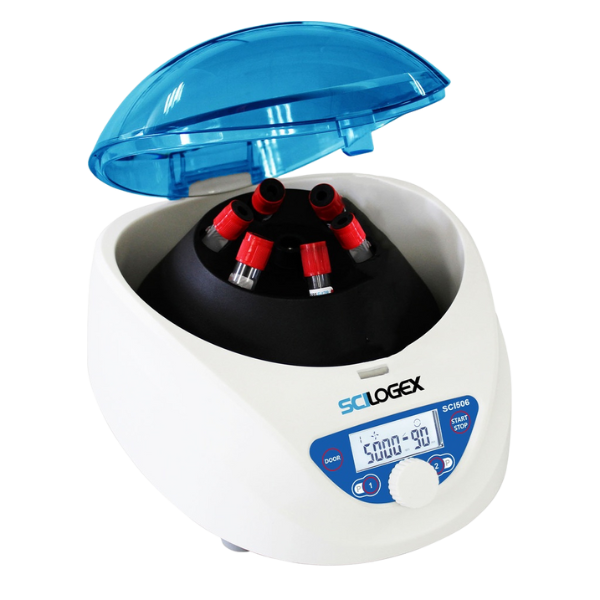
The mini or compact benchtop centrifuges are similar to microcentrifuges but are slightly larger and can hold more centrifuge tubes and volumes. These centrifuges can come in various forms, including high-speed and clinical for separating plasma or serum from blood. Due to their small size, they are limited in their rotor and adapter options.
Key Considerations
Before purchasing your next centrifuge, ask yourself, "what does my application require?" Consider these factors to narrow down your centrifuge needs.
Sample Volumes and Workspace
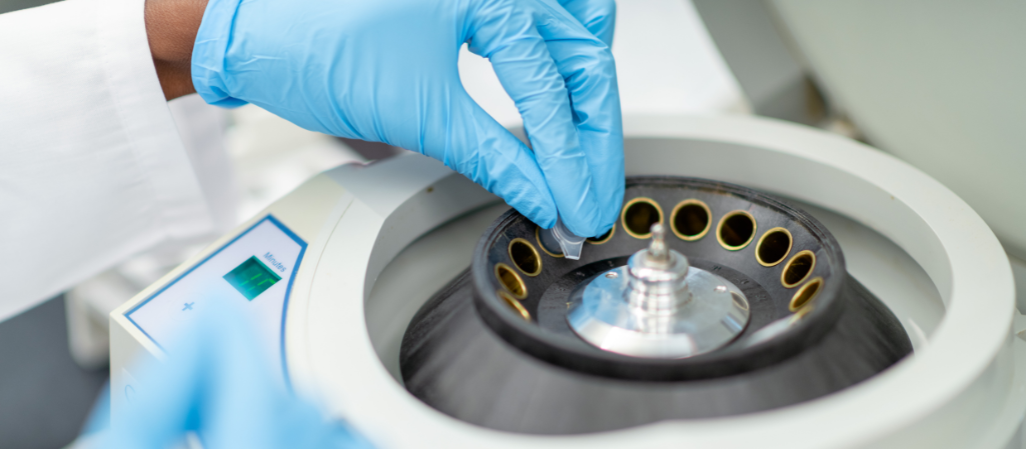
The number of containers, their volume, and the workspace will be significant determinants of which centrifuge will best suit your applications. Each has its pros and cons:
| Centrifuge | Pros | Cons |
|---|---|---|
| Floor-standing centrifuge | ||
| Benchtop centrifuge | ||
| Mini & Microcentrifuges |
Sample Positioning and Rotors
Positioning the sample is crucial depending on the desired outcome of centrifugation. The two main types of rotor designs are fixed angle and swinging bucket rotors.
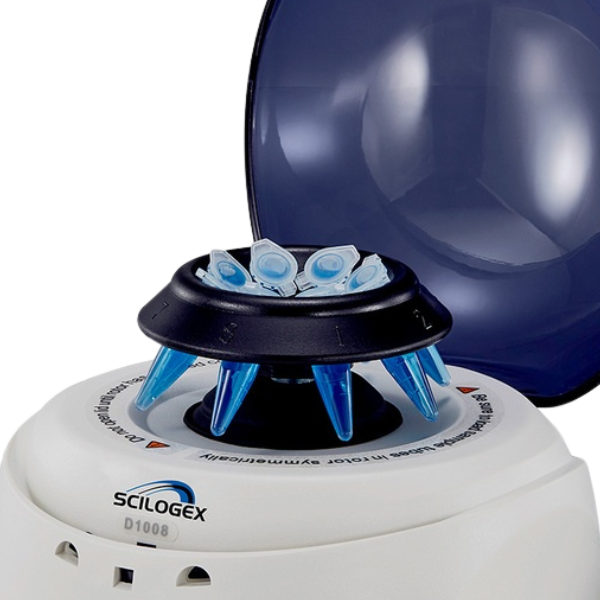
Fixed angle rotors hold tubes at a fixed angle, commonly between 23° and 45°. This angle allows a stronger centrifugal force to act on the sample within the tubes. As the rotor spins, the centrifugal force pushes denser particles outward, causing them to sediment out of the suspension and form a pellet at the bottom of the tube at an angle.
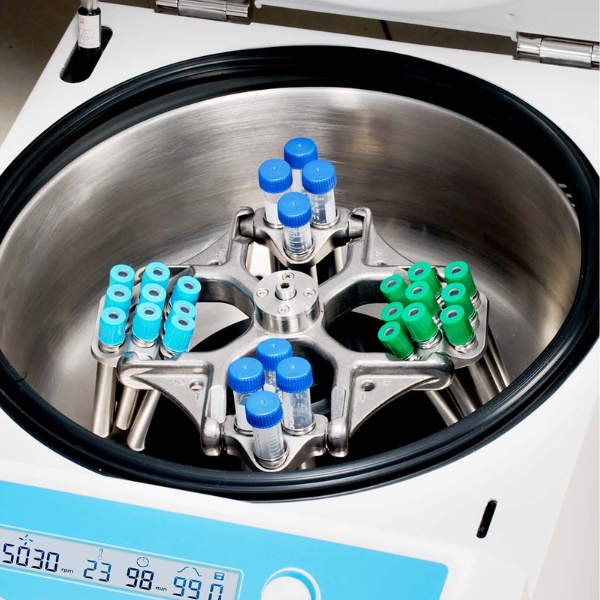
In swinging bucket rotors, which are swing out rotors paired with a bucket accessory, centrifugal force swings the samples from a vertical position when stationary to a horizontal one when spinning. This horizontal position creates a longer path for settling particles, making swinging buckets ideal for separating large volume, low-density particles at low speeds and large capacities.
Should I Use a Fixed Angle Motor or Swinging Bucket Rotor?
Your application determines whether to use a fixed angle or swinging bucket rotor. Fixed angle rotors are ideal for applications requiring fast and efficient separation due to the higher g-forces they achieve than swinging bucket rotors. They are best for separating biological material, pelleting or separating macromolecules, and more. Because of their sample spacing, they also have the added benefit of accommodating more samples.
In contrast, swinging bucket rotors excel at separating mixtures with density gradients. Their horizontal orientation allows continuous movement through the gradient and prevents sediment from settling back into the liquid layer (supernatant). Additionally, these rotors are better for sensitive applications, such as LCMS, that may become compromised by a higher g-force from a fixed angle rotor.
Regarding container compatibility with rotors, both rotor types typically have adapters, o-rings, caps, and other accessories to accommodate size differences, applications, quantity of tubes or bottles, and more. However, not all units may accompany different rotors and accessories (as seen by the Sample Volumes and Workspace Pros and Cons chart), so always review each unit’s accommodations before purchase.
Maximum Speed
Centrifuges vary based on their maximum speed, typically expressed as rotations per minute (rpm). Speed helps determine the efficiency of separation; the higher the speed, the better the separation performance. Low-speed centrifuges range from 0 to 6,000 rpm, while high-speed centrifuges can reach up to 20,000 rpm or higher.
To determine the amount of acceleration/force exerted on a sample, use relative centrifugal field (rcf), calculated as g = (1.118 x 10⁻⁵) R S², where R is the radius in cm, and S is speed (rpm).
Rcf is a reliable method for measuring gravitational force on a sample. It remains consistent across various centrifuges and rotor sizes. This means that the results obtained using rcf will be accurate and dependable.
Sample Temperature Sensitivity
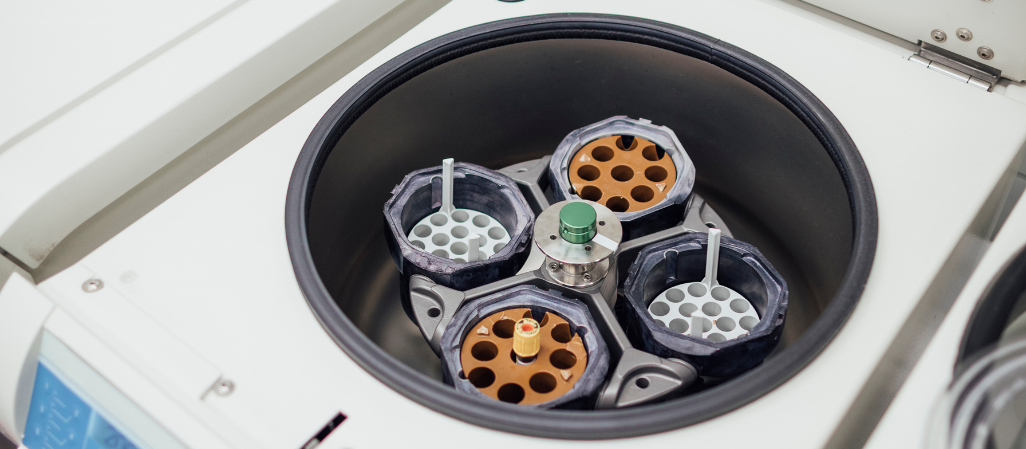
Another critical aspect of a centrifuge is whether it is ideal for temperature-sensitive samples. Centrifuges generate heat from friction from the spinning rotors, motors, and bearings. This heat can damage biological samples, such as proteins and enzymes, by denaturing or reducing their activity.
A solution to this issue is refrigerated centrifuges. A refrigerated centrifuge has a built-in refrigeration compressor that combats the heat within the chamber by circulating a coolant and expelling the heat waste. These centrifuges commonly have a temperature range of -20°C to 40°C, although these temperatures may vary.
Please note that different manufacturers design refrigerated centrifuges differently. Some units may emphasize temperature control and stability more than others. Be sure the unit you purchase will meet your application’s requirements.
Centrifuge Tubes, Bottles, and Accessory Precautions
Be aware of the types of tubes, bottles, and adapters used for high-speed centrifuges. For example, materials such as glass may shatter at 1300 rcf in fixed angle rotors or 2200 rcf in swinging bucket rotors.
In addition to evaluating the material's compatibility with g-force (x g), always check for chemical compatibility if chemicals are involved during centrifugation. Review a general overview of chemical compatibility with plastics, but note that this article does not explicitly address centrifugation.
Other factors that may impact container viability are length, how the tube or bottle fits in the rotor, bottom construction, and length of exposure to speed/force. Always review the specifications of your sample containers before use and check if they can be reused in a centrifuge.
For further insight, read your centrifuge manual for additional safety details and research whether your equipment has been tested for your intended application.
This article has broken down what centrifuges are, the different types of centrifuges, and the key considerations before purchasing a unit. If you want to shop for a reliable brand for your centrifuge applications, check out Scilogex, which guarantees quality and excellence at a fair price. If you need any assistance, contact our knowledgeable sales team at 1-800-733-2522, [email protected], or message us via Live Chat, available on our website.
Sources:
https://www.flottweg.com/wiki/separation-technology/centrifuge-speed-and-acceleration/
https://www.labmanager.com/the-basics-of-centrifuge-operation-and-maintenance-1433
https://www.richmondscientific.com/difference-between-fixed-angle-and-swing-out-centrifuge-rotors
http://tools.thermofisher.com/content/sfs/brochures/ANLSPCONICALTUBES%201112.pdf
Related Products
-
![SCI12 High Speed Personal Micro-Centrifuge]() SCI12 High Speed Personal Micro-Centrifuge
SCI12 High Speed Personal Micro-CentrifugeStarting at from $1,500.00 Sale $1,425.00
-
![SCI24 High Speed Microcentrifuges]() SCI24 High Speed Microcentrifuges
SCI24 High Speed MicrocentrifugesStarting at from $2,700.00 Sale $2,565.00
-
![SCI-1524R High Speed Refrigerated Microcentrifuges]() SCI-1524R High Speed Refrigerated Microcentrifuges
SCI-1524R High Speed Refrigerated MicrocentrifugesStarting at from $7,200.00 Sale $6,840.00
-
![SCI24H Digital Hematocrit Centrifuge]() SCI24H Digital Hematocrit Centrifuge
SCI24H Digital Hematocrit CentrifugeStarting at from $3,270.00 Sale $3,106.50
-
![SCI412 Clinical Low-Speed Centrifuges]() SCI412 Clinical Low-Speed Centrifuges
SCI412 Clinical Low-Speed CentrifugesStarting at from $1,171.00 Sale $1,112.45
-
![SCI506 LCD Digital Clinical Centrifuge]() SCI506 LCD Digital Clinical Centrifuge
SCI506 LCD Digital Clinical CentrifugeStarting at from $520.00 Sale $494.00
-
![SCI636 Multi-Purpose Low-Speed Centrifuges]() SCI636 Multi-Purpose Low-Speed Centrifuges
SCI636 Multi-Purpose Low-Speed CentrifugesStarting at from $4,400.00 Sale $4,180.00