Synthetic biology redesigns living organisms to function differently from what they would not naturally do. It builds new biological components, pathways, or even organisms from scratch using DNA as a design material, unlike traditional genetic engineering, which focuses on modifying one or two genes.
Using this approach, scientists can reprogram microbes to break down plastic waste or develop bacteria that detect toxins in water. They can also modify crops to enhance their nutrition and, instead of extracting compounds from rare plants, engineer yeast strains to produce these compounds needed for perfumes and medicines.
Real-World Use in the Life Sciences
Vaccine and Drug Development
Instead of relying on time-consuming conventional methods, researchers now use engineered biological systems to speed up the process. During the COVID-19 pandemic, synthetic biology helped companies create new vaccines using previously designed genetic templates and automated platforms.
Synthetic biology has also enabled scientists to produce large quantities of artemisinin by engineering yeast to efficiently synthesize a precursor compound. Anti-malarial drugs contain artemisinin, which is rather difficult to obtain in large amounts.
Gene and Cell Therapies
Scientists are finding ways to instruct immune cells to eliminate cancer cells without affecting healthy cells and tissues. They are also developing targeted therapies that are more effective and have minimal side effects.
Tissue Engineering
Scientists are designing cells to produce proteins that help build scaffolds or extracellular matrices. These scaffolds serve as the foundation where new tissue can grow. They have also created synthetic biological systems that behave like real tissues, mimicking everything from skin to cartilage, and can potentially create lab-grown organs next for transplants.
Diagnostics
Cells and biological circuits can be engineered to function like sensors that can detect disease-related molecules or environmental toxins. They can cause visible changes when they interact with a target molecule and can even be designed to identify different diseases at once.
Synthetic Biology Lab Equipment
The following equipment and instruments are necessary for conducting synthetic biology research:
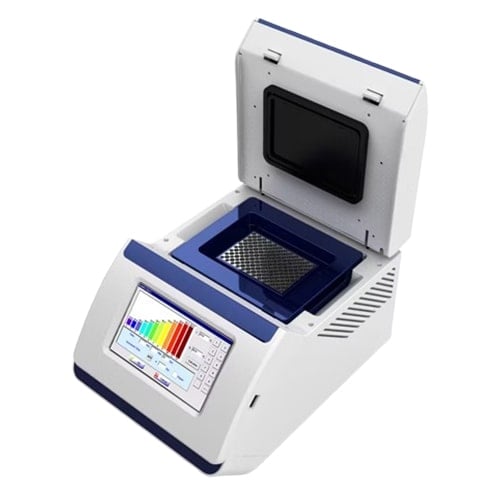
Thermocyclers
A thermocycler or PCR machine works by cycling through precise temperature changes that allow DNA strands to separate and replicate. In synthetic biology, it is used to prepare DNA sequences that are later introduced into cells. Without PCR, the building blocks of synthetic constructs wouldn't be possible.
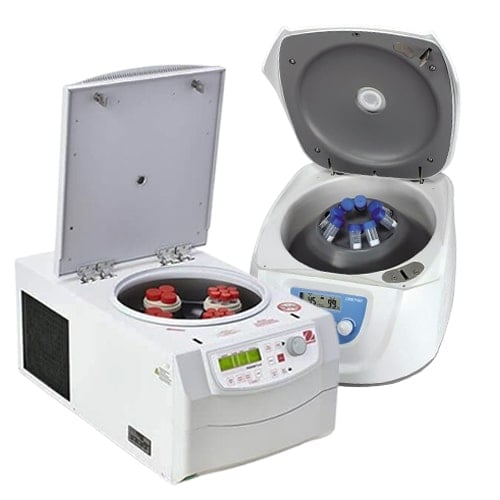
Centrifuges
A centrifuge separates biological materials based on density by spinning samples at high speeds. It is needed for harvesting cells, isolating DNA, or separating proteins. Synthetic biology labs use centrifuges regularly to collect engineered cells or purify their products.
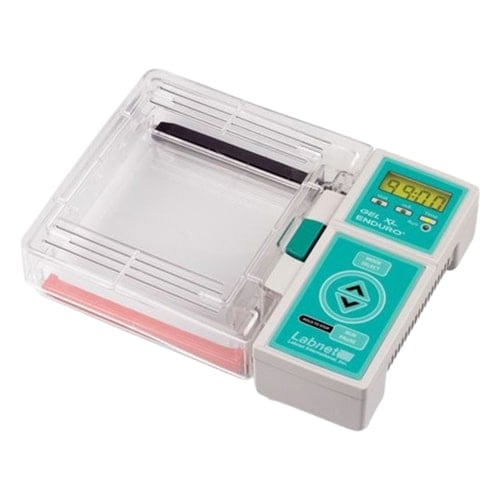
Electrophoresis Systems
An electrophoresis system allows scientists to visualize DNA or proteins by running them through a gel under an electric current. This technique separates molecules by size, helping confirm whether a DNA sequence was correctly assembled or a protein was successfully produced.
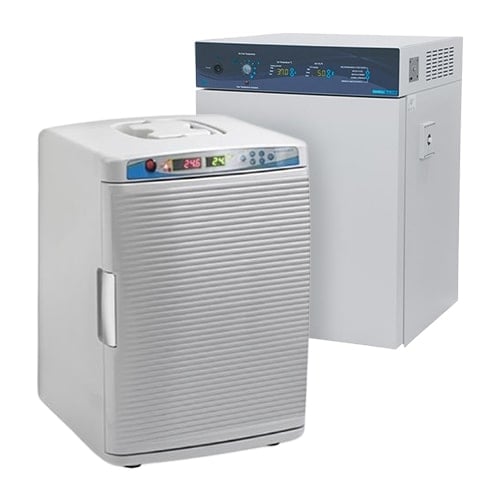
CO2 Incubators
Cell cultures and engineered organisms need controlled environments to grow. A CO2 incubator maintains ideal temperature, humidity, and CO₂ levels to support the growth of bacteria, yeast, or mammalian cells used in synthetic biology.
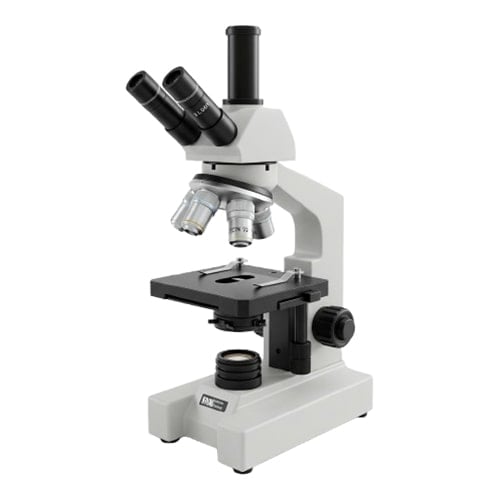
Microscopes
A microscope helps researchers observe cells, bacteria, or biological structures at the microscopic level. More importantly, it allows them to monitor the behavior of modified organisms or determine changes in cell morphology after genetic manipulation.
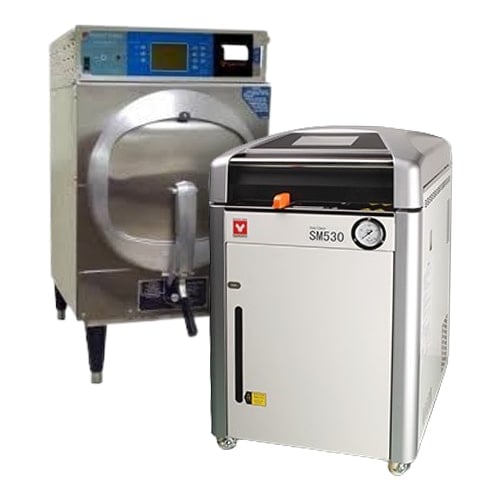
Autoclaves
An autoclave uses pressurized steam to sterilize lab tools, culture media, and waste. It ensures that experiments are not contaminated by unwanted microbes.
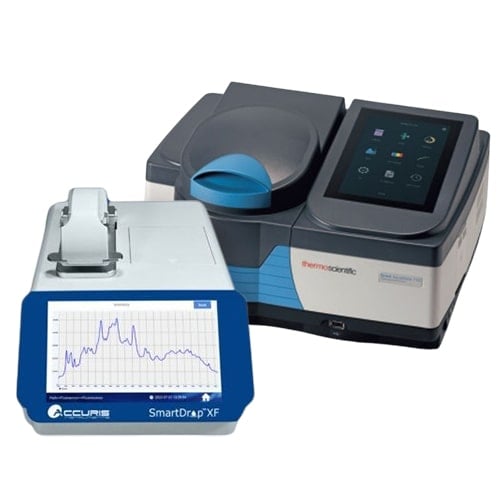
Spectrophotometers
A spectrophotometer quantifies DNA or protein concentrations in synthetic biology research. It also monitors bacterial growth and assesses chemical reactions. In short, it functions as a quality control for an engineered system.
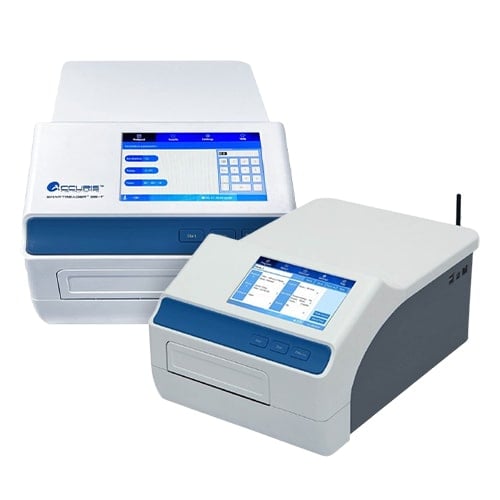
Microplate Readers
A microplate reader detects biological or chemical reactions in small volumes using absorbance, fluorescence, or luminescence. They are ideal for high-throughput experiments because they can measure hundreds of synthetic constructs in one go.
Flow Cytometers
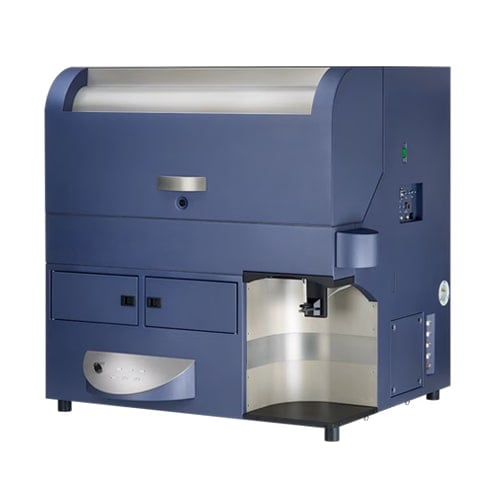
A flow cytometer helps track how engineered genes behave inside individual cells. Researchers can measure gene expression levels or isolate specific cell populations for further study.
FAQs
Are synthetic biology and genome editing the same?
Synthetic biology and genome editing involve altering an organism's DNA, but they differ in scale and approach. Genome editing modifies existing genes, removing, adding, or altering short sequences. On the other hand, synthetic biology creates entirely new DNA sequences from scratch and inserts them into organisms to perform brand-new functions.
Is it possible to synthesize the whole genome of an organism?
In 2002, American researchers successfully synthesized a viral genome for the first time. A few years later, in 2008, scientists at the J. Craig Venter Institute or JCVI in the U.S. developed the bacterial genome of Mycoplasma genitalium from scratch. In 2010, JCVI scientists took a step further by constructing the first cell controlled by a synthetic genome. Progress continued in 2017 with the partial synthesis of the yeast genome (Saccharomyces cerevisiae), showing that eukaryotic genomes could also be manipulated. More studies have since demonstrated full-genome synthesis in prokaryotes, such as Mycoplasma mycoides and Escherichia coli, while researchers are actively working on synthesizing entire genomes in eukaryotes.
Explore top-quality core and specialized lab equipment from reliable manufacturers available at The Lab Depot. Need expert assistance? Contact our team at 1-800-733-2522, email, or through live chat on our website.
Sources:
https://www.genome.gov/about-genomics/policy-issues/Synthetic-Biology
https://hudsonlabautomation.com/pros-and-cons-of-synthetic-biology/
https://lifesciences.danaher.com/us/en/library/synthetic-biology.html
https://www.excedr.com/blog/lab-equipment-list-for-synthetic-biology-research
https://hudsonlabautomation.com/in-synthetic-biology-these-tools-need-to-be-in-your-lab/
https://www.labcompare.com/10-Featured-Articles/580049-How-Synthetic-Biology-Has-Shaped-COVID-19-Response/
https://www.nature.com/scitable/blog/bio2.0/artemisinin_a_synthetic_biology_success/
https://www.escolifesciences.com/resources/choosing-the-right-co2-incubator
https://bioethicsarchive.georgetown.edu/pcsbi/sites/default/files/The-Ethics-of-Synthetic-Biology-Suggestions-for-a-Comprehensive-Approach.pdf
https://www.nist.gov/news-events/news/2021/03/scientists-develop-cell-synthetic-genome-grows-and-divides-normally
https://www.technologyreview.com/2008/01/25/128261/synthesizing-a-genome-from-scratch/
https://pmc.ncbi.nlm.nih.gov/articles/PMC11446350/