Last Updated: April 23, 2025
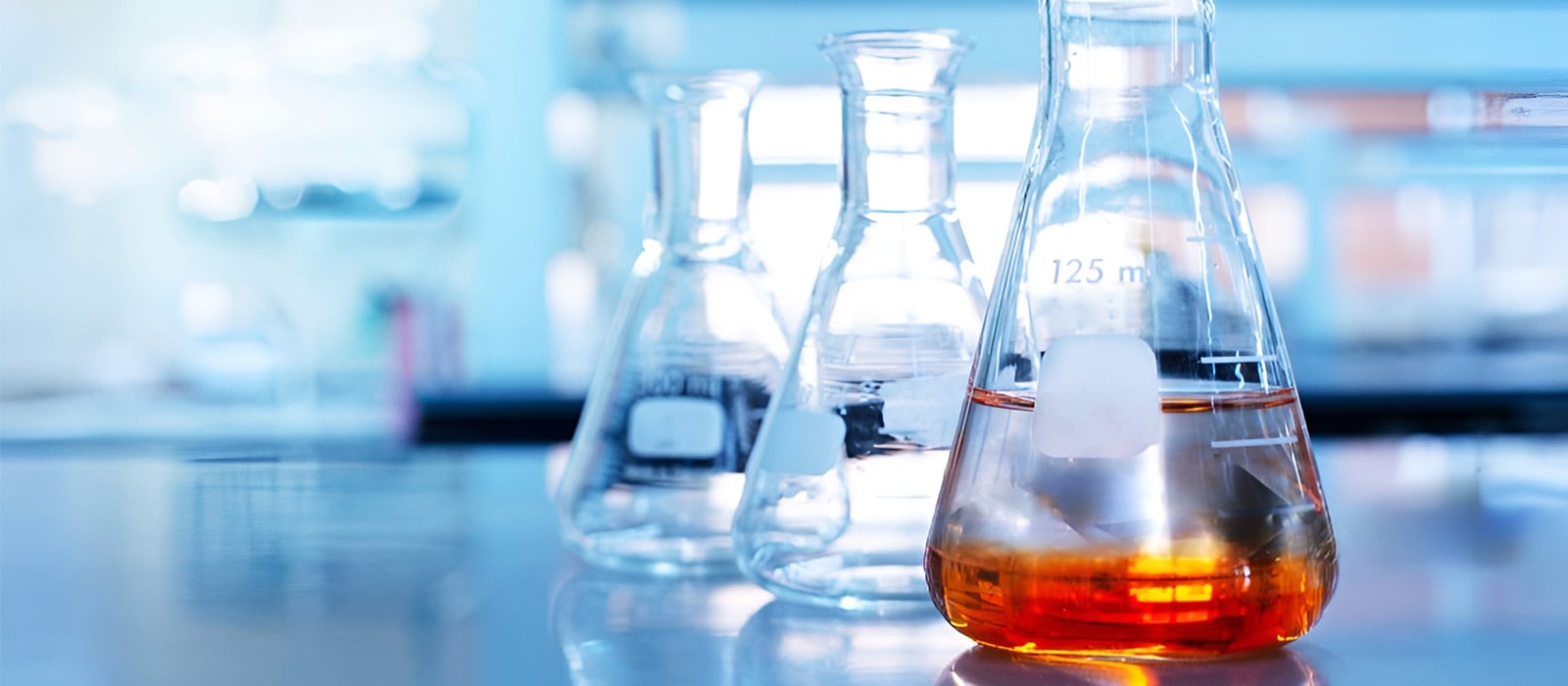
Explore the key properties of borosilicate glassware, why it's preferred in laboratory applications, and what to consider for safe and effective use.
Laboratory glassware is produced from hundreds of commercial glasses, but low-expansion borosilicate glasses are ideal for most laboratory applications. Beakers, flasks, kettles, test tubes, and ground joints are made of borosilicate glass, so they will withstand nearly all temperatures commonly used in laboratory functions properly.
Main Properties of Borosilicate Glassware
Borosilicate glass is the gold standard for scientific applications, but what makes borosilicate glassware preferred in laboratory settings?
High Thermal Shock Resistance
Borosilicate glass combines silica and boric oxide, giving it a low expansion coefficient of about 3.3 × 10⁻⁶ /°C. Unlike ordinary glass, it expands and contracts minimally when exposed to sudden temperature changes, preventing cracking or shattering.
Chemical Resistance
Borosilicate glass has a non-porous surface that prevents the absorption of residues and is inert to most materials and chemicals. This characteristic prevents unwanted compounds from leaching into your samples and averts unnecessary reactions, contamination, or material degradation during experiments or storage. It resists corrosion from most acids, alkalis in moderate concentrations, salts, and organic substances.
However, there are exceptions:
Hydrofluoric acid (HF): Hydrofluoric acid has the most serious effect among these acids. Even in very low concentrations or trace amounts, HF can cause significant damage to borosilicate glass.
Phosphoric acid and caustic solutions: Phosphoric acid and hot caustic solutions like sodium hydroxide may cause no problems when cold, but they cause etching or corrosion at elevated temperatures. For example, caustic solutions at up to 30% concentration are safe at ambient temperature but may damage glass when heated.
Mechanical Strength
Borosilicate glass is much more durable than standard soda-lime glass, so much so that borosilicate centrifuge tubes can handle relative centrifugal force (RCF) exceeding 10000 xg. In comparison, ordinary glass tubes can withstand RCF below 3000 xg. Although borosilicate glass offers improved strength, it is still inherently delicate. It performs well under moderate mechanical stress, such as stirring with overhead stirrers or controlled heating in mantles, but is prone to damage from abrupt physical stress or impact.
Why Labs Choose Borosilicate Glassware
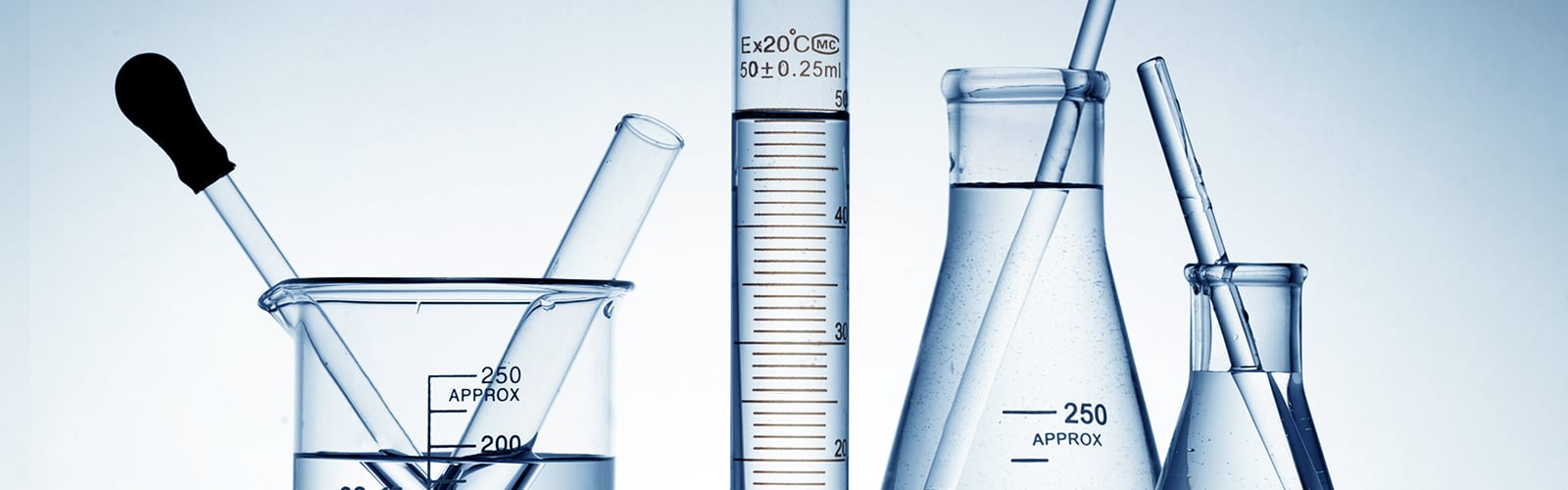
Because of its exceptional stability, borosilicate glass is commonly used in:
Borosilicate glassware can last for years, even in demanding lab conditions, mainly when properly used and cleaned. Some of the proven ways to keep them in good condition for a long time are:
Soak them right after use to keep residue from drying and setting.
Clean them using non-abrasive, lab-approved detergents, brushes, or cloths.
Avoid applying excessive force when assembling or disassembling ground joints.
Use separators and avoid stacking to prevent scratching.
Limit long-term exposure to hydrofluoric acid, phosphoric acid, and strong caustics.
Store glassware in a dry, stable location.
Regularly check for cracks, chips, or scratches before and after every use.
Never place metal or other hard objects inside the glassware to prevent scratches.
Remove jewelry when handling or cleaning glassware.
For a more in-depth guide, read our article Laboratory Glassware Care and Use Recommendations.
Proper care and handling are essential to extend the lifespan and maintain the reliability of borosilicate glassware in the lab. Following these best practices will ensure your borosilicate beakers, flasks, test tubes, and other lab glassware will handle routine and complex lab applications.
Explore the collection of borosilicate glassware at The Lab Depot. We carry popular lines, including Corning Pyrex, Kimble Chase Kimax, and Vee Gee Scientific Bomex. For expert support, contact our team at 1-800-733-2522, email, or through live chat on our website.