Different Types of Chromatography Techniques
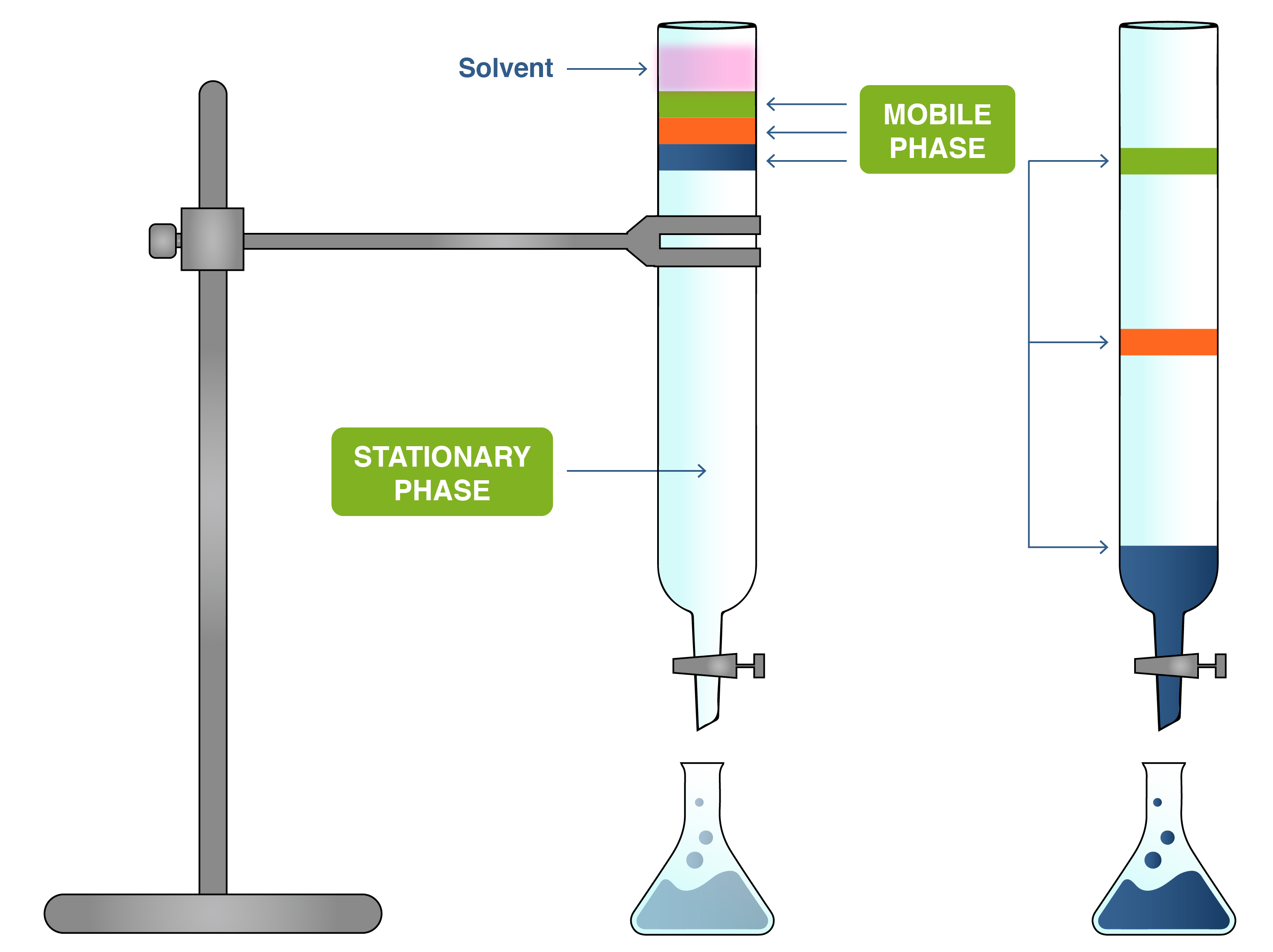
Chromatography includes several specialized techniques for distinct analytical and preparative purposes. These techniques vary in their separation methods and the nature of the phases used.
Gas Chromatography
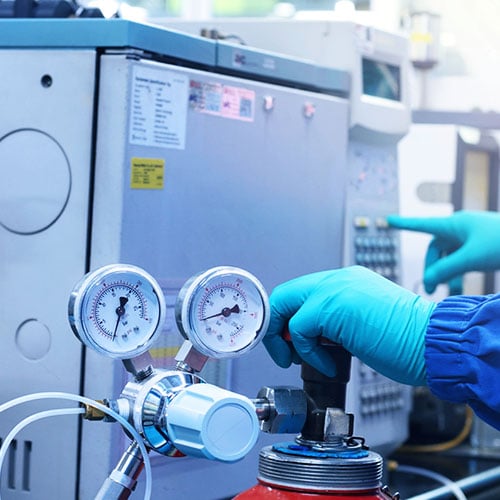
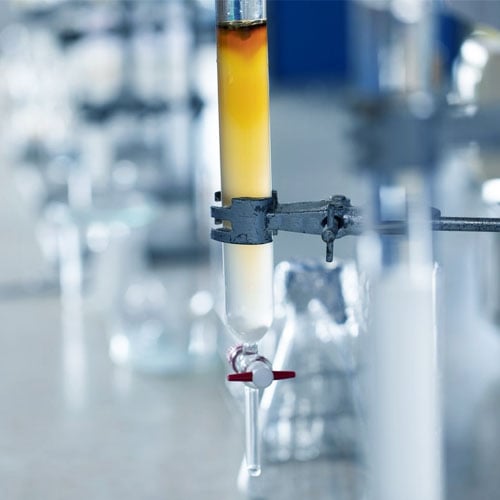
Gas chromatography is a specialized type of column chromatography that uses an inert gas as the mobile phase. Nitrogen is typically used to carry the sample through the column.
The sample is vaporized and injected into the mobile phase using a GC autosampler syringe or a similar tool in this technique. As the inert gas flows through the column, the different components of the sample mixture interact with the stationary phase based on their properties, leading to their separation. What remains in the column are the components that bind to the stationary phase.
Placing the column in the oven maintains sample vaporization during the separation process. Consequently, the stationary phase, a liquid coating inside the column or a solid inserted into the column, must endure extremely high temperatures.
Thin Layer Chromatography
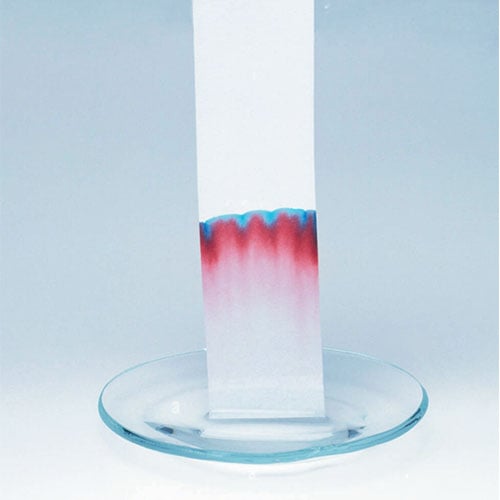
Thin layer chromatography (TLC) utilizes a thin layer of silica gel as the stationary phase. The silica gel, which can be replaced with aluminum oxide or cellulose, is supported on a piece of glass or plastic to which a small sample is applied.
The glass coated with the stationary phase is dipped inside a solvent that functions as the mobile phase. As the solvent ascends, it carries the sample components at varying rates based on their affinity for either phase, separating them.
This TLC technique is often employed in identifying and quantifying compounds in different biological samples, monitoring the progress of biochemical reactions, and purifying compounds from complex mixtures. It is also valuable in drug discovery and development.
Affinity Chromatography
Affinity chromatography isolates antibodies and purifies proteins, enzymes, DNA, RNA, cells, and viruses, making it essential in life science applications. It effectively performs these tasks by exploiting the target molecule’s unique binding properties and using a particular ligand immobilized on a stationary phase.
The stationary phase, a resin or gel, is coated or paired with a ligand with a high affinity for the target molecule. The mixture containing this molecule passes through the chromatography column, enabling the target molecule to bind to the ligand as other components wash away.
Changing the conditions disrupts the binding interaction, causing the purified target molecule to elute. The molecule can then be collected in the elution buffer.
Paper Chromatography
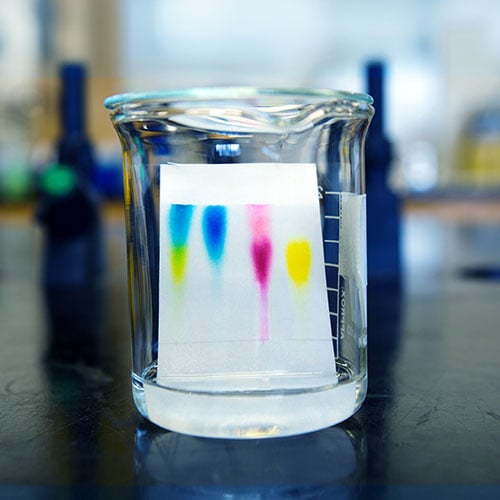
Paper chromatography is frequently used to separate and identify small molecules, such as amino acids, sugars, and nucleotides. It works similarly to thin layer chromatography but uses a thin strip of absorbent paper as the stationary phase.
With this analytical technique, the mobile phase is typically a solvent that travels up the paper by capillary action. When a sample is applied to the paper at the spot marked with a pencil, not with a pen or ink, to avoid interfering with the results, the solvent moves up the paper along with the sample components at different rates, depending on their interaction with the mobile and stationary phases.
Ion Exchange Chromatography
Ion exchange chromatography separates and purifies molecules based on their charged properties. It is effective for peptides and proteins and helps analyze amino acids, separate metabolites, and examine inorganic ions.
This chromatography technique uses a resin, either cation or anion exchangers, as the stationary phase placed in the column. When the sample mixture is inserted into the column, the molecules in the sample that have an opposing charge to that of the stationary phase will bind to the resin. Uncharged molecules or those with the same charge as the resin pass through.
Washing the chromatography column ensures the resin contains only the desired charged molecules. Changing the buffer's pH or the ionic strength weakens the electrostatic interactions between the molecules and resin, enabling the collection of the target molecules.
High Performance Liquid Chromatography
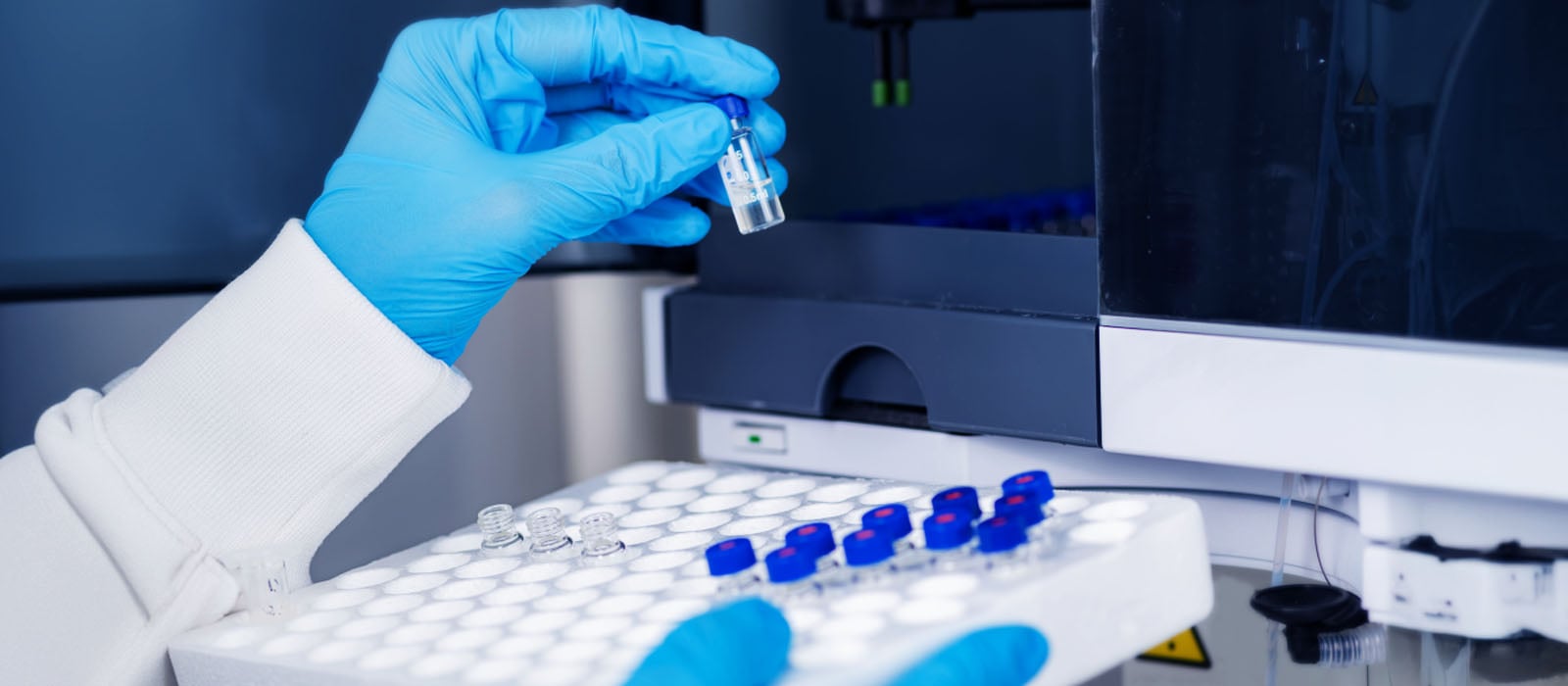
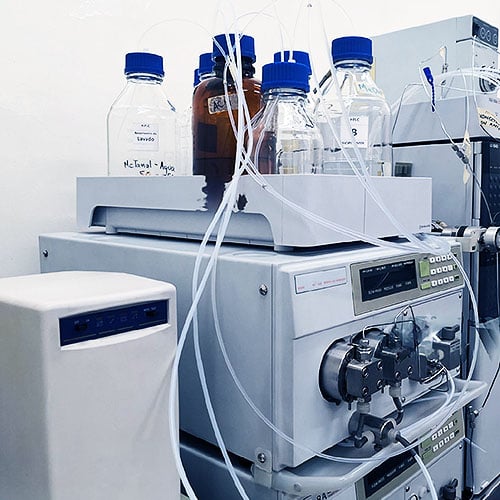
High performance liquid chromatography (HPLC) is another type of column chromatography. It uses a liquid mobile phase and is known for its high efficiency and precision in separating, identifying, and quantifying compounds in a mixture.
In HPLC, a high-pressure pump pushes the mixture of solvents into the column, after which the sample gets injected into the flowing mobile phase. As the sample moves through the column, its components interact with the stationary phase.
This technique is vital in pharmaceutical research and development. It is also widely used to analyze blood, tissue extracts, and other complex biological samples to detect and quantify biomolecules.
Different types of chromatography are critical tools in life science applications. Each type offers unique advantages and enables researchers to perform exact and accurate procedures. By leveraging the strengths of various chromatography techniques, scientists can advance research, develop new therapies, and enhance our understanding of biological systems.