

Vacuum Oven vs. Convection Oven: Which Do You Need for Cannabis Processing?
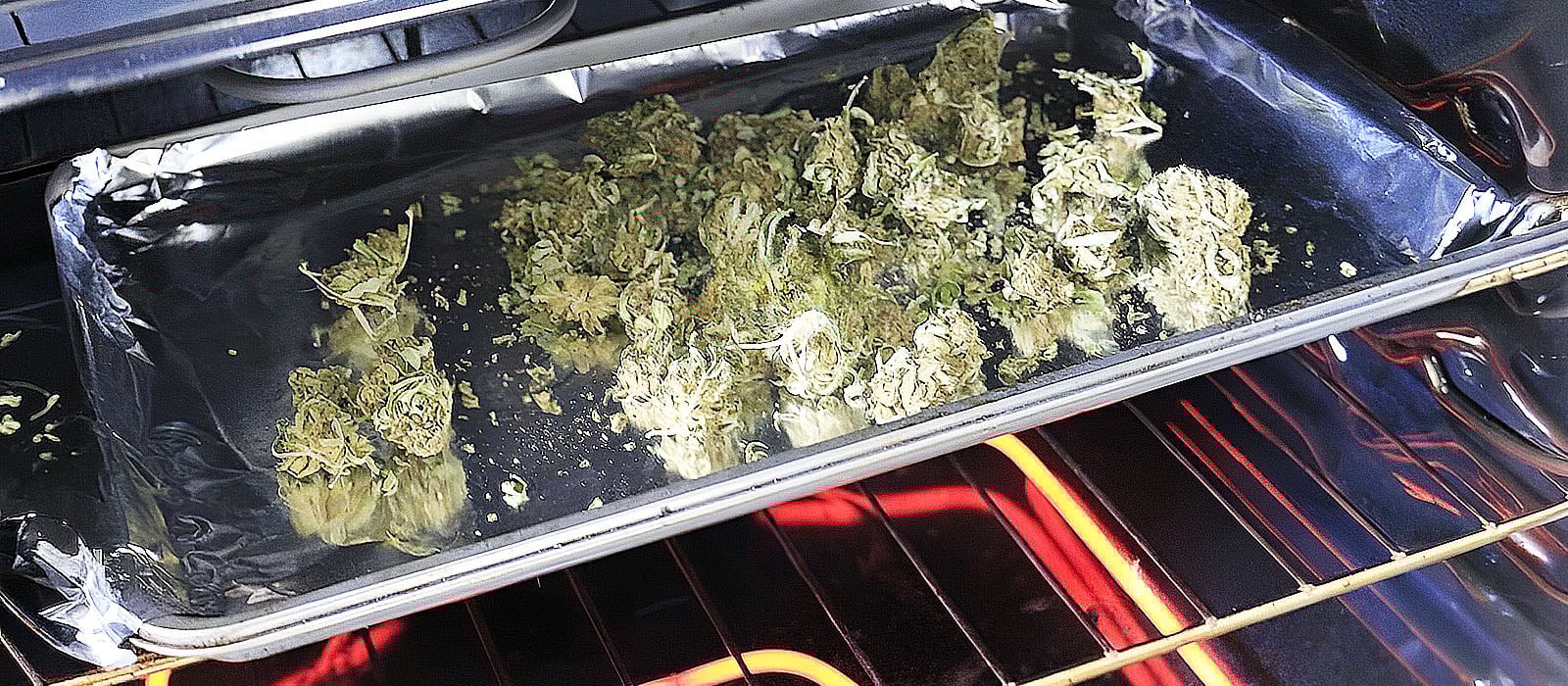
Deciding between a vacuum and convection oven for cannabis? Learn which preserves terpenes, prevents oxidation, and is best for BHO purging or decarbing.
When choosing between a vacuum and a convection oven for cannabis processing, you're deciding the fate of your concentrate.
One oven preserves the soul of the plant; the other risks destroying it. This guide will help you determine which oven is recommended and see how both types can benefit your cannabis lab workflow.
How Do Vacuum and Convection Ovens Differ?
If you want to produce high-purity extracts, focusing on the equipment is not enough. Instead, you also need to understand how heat actually moves inside the oven chamber.
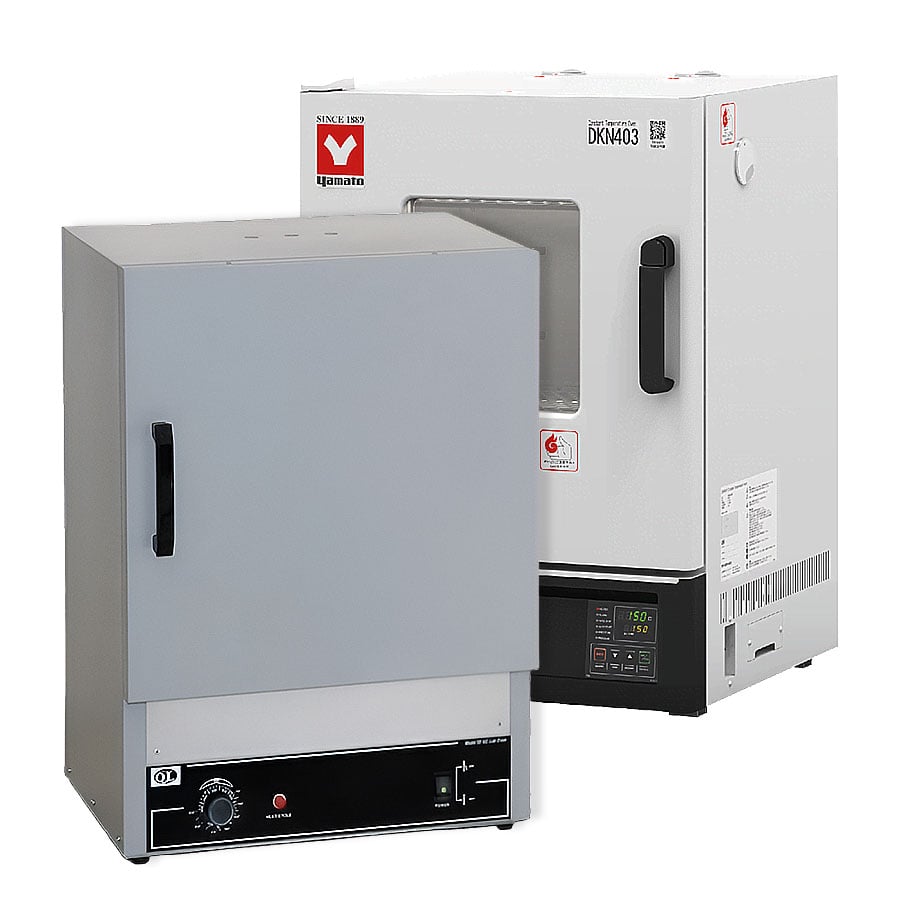
Convection Ovens
In a forced-air or mechanical convection oven, a fan circulates heated air throughout the chamber. In a gravity or natural convection oven, the air moves naturally as it heats and cools.
One disadvantage of using convection ovens is that air is not an excellent conductor of heat. Plus, the presence of oxygen at atmospheric pressure promotes oxidation. This can darken your oil and degrade THC into CBN.
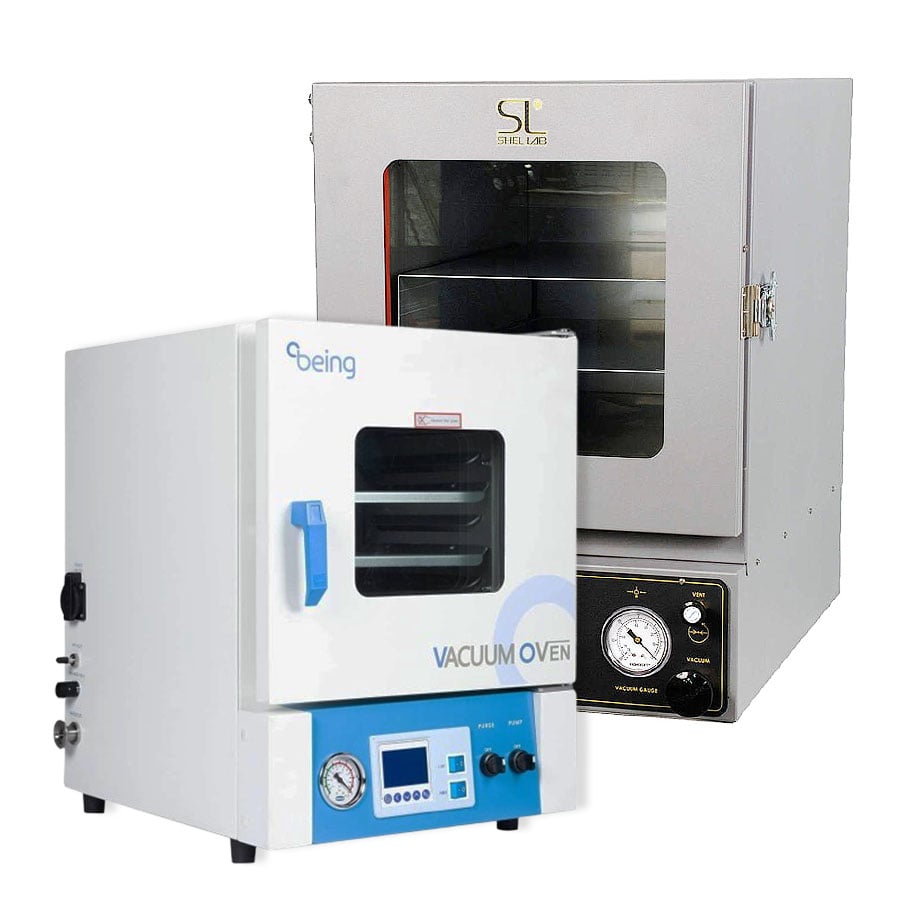
Vacuum Ovens
A vacuum oven operates by removing the air from the chamber. Once the air is gone, heat is transferred via conduction, which is achieved through direct contact between the heated shelves and your parchment or PTFE sheets.
The advantage of using a vacuum oven is that it lowers the boiling point of the substances inside. As a result, the solvents begin to boil at lower temperatures, preserving the plant's terpenes.
Quick Comparison: Convection vs. Vacuum Ovens
| Convection Ovens | Vacuum Ovens | |
|---|---|---|
| Heat Mechanism | Natural or mechanical convection | Conduction |
| Oxygen Levels | High | Near zero |
| Atmospheric Pressure | Ambient | Reduced |
| Solvent Boiling Points | Standard at sea-level temperatures | Lowered through vacuum pressure |
| Terpene Preservation | Low | High |
| Oxidation Risk | High | Low |
| Processing Speed | Faster for simple drying of solids | Faster for liquid-to-solid transitions |
| Best For | Bulk biomass decarboxylation, glassware drying, tool sterilization | Solvent purging, degassing resins, finishing distillates |
Is Vacuum Important in Cannabis Processing?
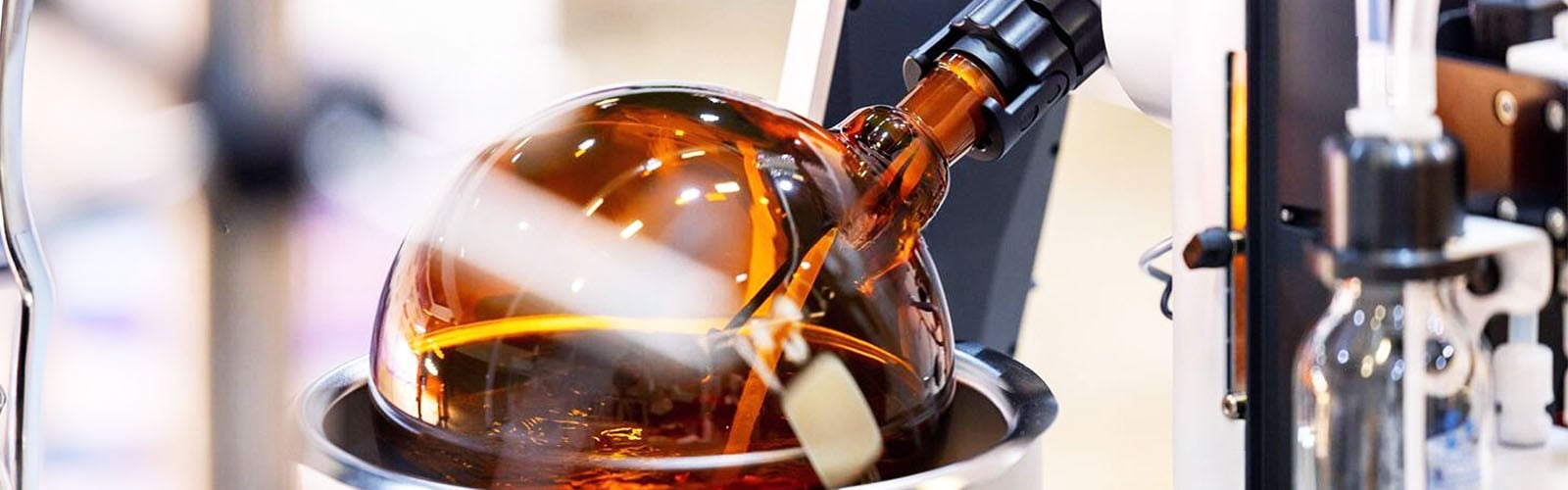
Yes. Solvents, such as butane and ethanol, have fixed boiling points at sea level. However, when you reduce the pressure inside the chamber to create a vacuum, you lower their boiling points and enable low-temperature evaporation. Here's how a vacuum oven is used for the two most common methods:
Butane Hash Oil (BHO) Purging
BHO shatter is a pure form of concentrates extracted from cannabinoids using butane as the solvent. It is brittle and has a clear, glass-like finish, which can be achieved only at low heat in a high-vacuum environment.
Using a vacuum oven, BHO is purged at temperatures ranging from 90ºF to 115ºF. To prevent terpenes from degrading, operating within the 90ºF to 100ºF range is ideal. Increasing the temperature to 115ºF will remove residual solvents much faster.
Operating in a deep vacuum within the prescribed temperature range is required to prevent BHO shatter from turning into sugar, as excessive heat will spoil valuable compounds.
Ethanol Recovery and Finishing
Vacuum is essential in two ways: solvent recovery and purging. To remove ethanol from the extract using heat, you can use either a rotary evaporator or a falling film evaporator. But they must be placed under a vacuum to ensure efficient evaporation without damaging the heat-sensitive compounds.
Meanwhile, a vacuum oven is useful to guarantee that the final product is free of residual ethanol. This way, you can ensure that the product is safe and pure.
Do You Still Need a Convection Oven?
Yes. Although vacuum ovens are the better choice, convection ovens are still useful in other parts of the process, such as:
-
Decarboxylation: When working with bulk biomass to convert THCA to THC for edibles or distillates, a forced-air convection oven delivers the required high heat (about 230ºF to 250ºF).
-
Drying Biomass: Convection ovens can reduce moisture in raw plants, which prevents microbial growth and helps keep them stable. This option can degrade components, though.
Which Oven Should You Buy?
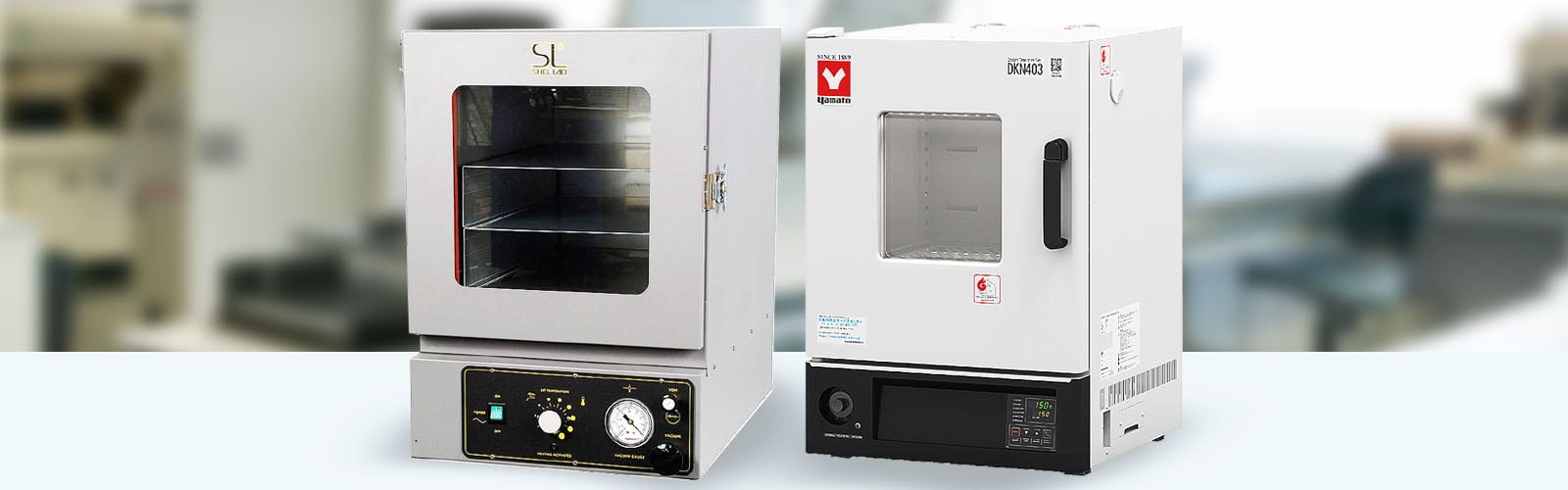
While a convection oven offers the volume and utility needed for preparation work, a vacuum oven provides the anaerobic environment required for a high-quality finish, making them a powerful duo.
For high-terpene concentrates, a vacuum oven is a non-negotiable investment, as it allows you to purge volatile solvents at low temperatures. But for high-volume biomass preparation, edibles, or distillates, a forced-air convection oven is recommended.
The Lab Depot carries different types of lab ovens from trusted manufacturers. For expert assistance in finding the ovens you need, contact our team at 1-800-733-2522, email, or through live chat on our website.
Sources:
https://blog.usalab.com/best-practices-using-vacuum-oven-bho-extraction
https://blog.usalab.com/making-bho-shatter-with-vacuum-purge
https://www.labuniquely.com/ethanol-extraction-complete-guide/
https://gwsionline.com/ethanol-extraction/
https://www.mrclab.com/understanding-the-differences-between-various-types-of-lab-ovens
https://blog.usalab.com/vacuum-oven-temps-times-cannabis-extraction-applications