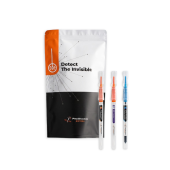

U.S. Facilities Switch to ProGnosis Biotech's European-Engineered Hygiene Monitoring
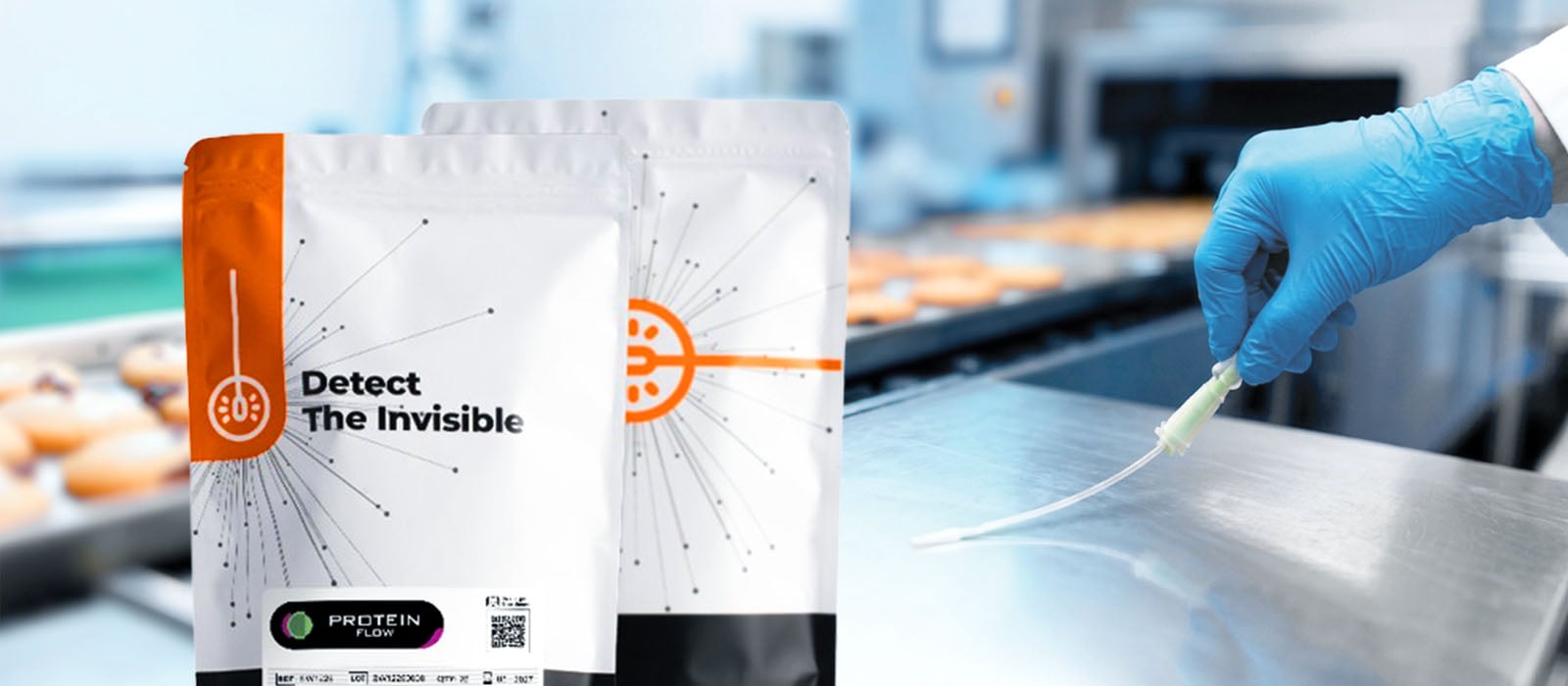
Learn how ProGnosis Biotech’s advanced hygiene monitoring solutions help U.S. facilities meet FSMA compliance and satisfy GFSI audits.
A common issue with some hygiene monitoring programs is that they fall short in assessing whether your sanitation program is improving over time. ProGnosis Biotech designed its hygiene monitoring solutions to solve that problem.
ProGnosis Biotech manufactures its ATP-FLOW and Protein-FLOW swabs in European facilities certified to ISO 13485 medical device standards. Each one goes through automated cleanroom assembly, so reagent leakage isn't left to chance on any given batch.
In addition, the PhosReader 2 ATP Swab Luminometer undergoes end-of-line optical testing to verify its self-calibration and 1×10⁻¹⁶ mol detection limit before it ships. Combining hardware with quantifiable data gives food processing plants a decisive edge during FSMA (Food Safety Modernization Act) and GFSI (Global Food Safety Initiative) audits.
The Problem With "Pass/Fail Only" Hygiene Testing

Most ATP luminometers on the market give you exactly what the name implies: a light reading translated into a pass, caution, or fail. That's useful in the moment, but auditors reviewing a preventive controls or sanitation program want to see trends: Is a particular line creeping toward the fail threshold over three weeks, even if it hasn't crossed it yet? Is a corrective action actually working, or did the numbers just happen to dip on inspection day?
A binary result can't answer that. But systems like ATP-FLOW and Protein-FLOW can—by automatically measuring and logging quantifiable RLU concentrations.
ATP-FLOW Series for Hygiene Verification
Different surfaces present different hygiene challenges, so relying on a one-size-fits-all swab is rarely effective. Rather than shipping a single multi-purpose swab for every surface, ProGnosis Biotech developed the ATP-FLOW line, which is compatible with the PhosReader 2 Luminometer:
-
ATP-FLOW Surface is a pre-moistened, flexible swab designed for food-contact surfaces, equipment, and general environmental monitoring, with results in 10 seconds.
-
ATP-FemtoFLOW has a 4x lower LOD than the standard swab, which is the kind of sensitivity that matters in high-risk or highly sanitized environments.
-
ATP-FLOW Total Water has a swab tip for capturing microbial and non-microbial free ATP in a liquid sample, which gives plants a way to verify their clean-in-place systems are actually working.
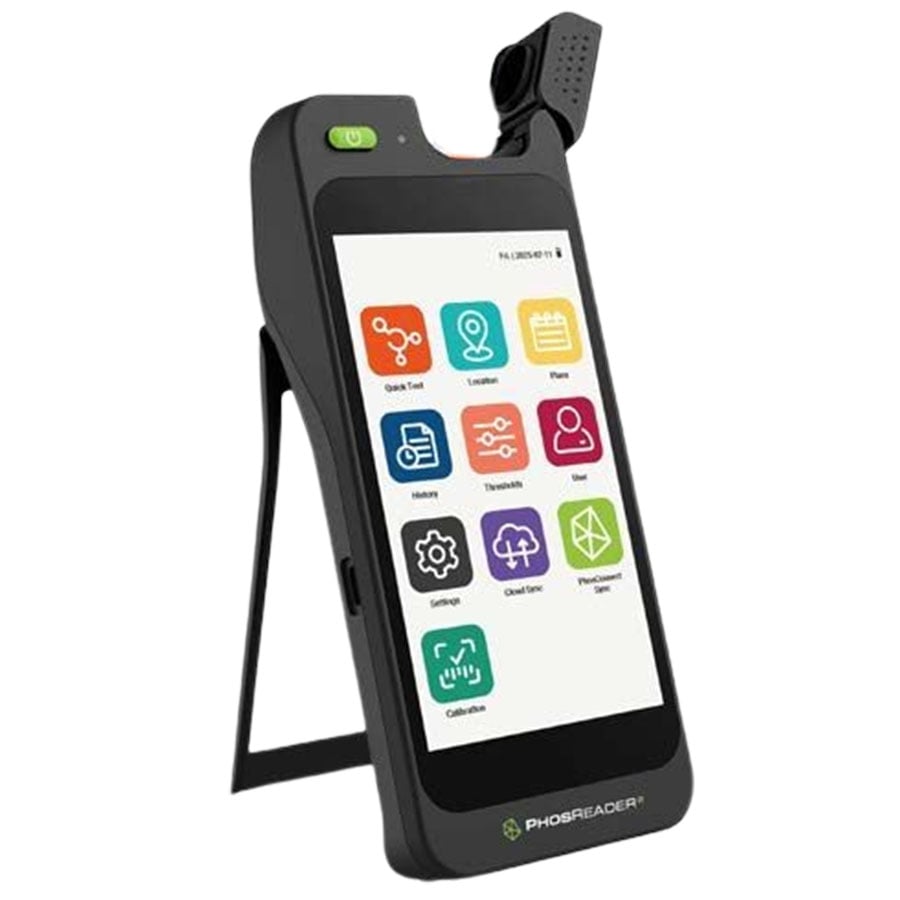
PhosReader 2 Luminometer
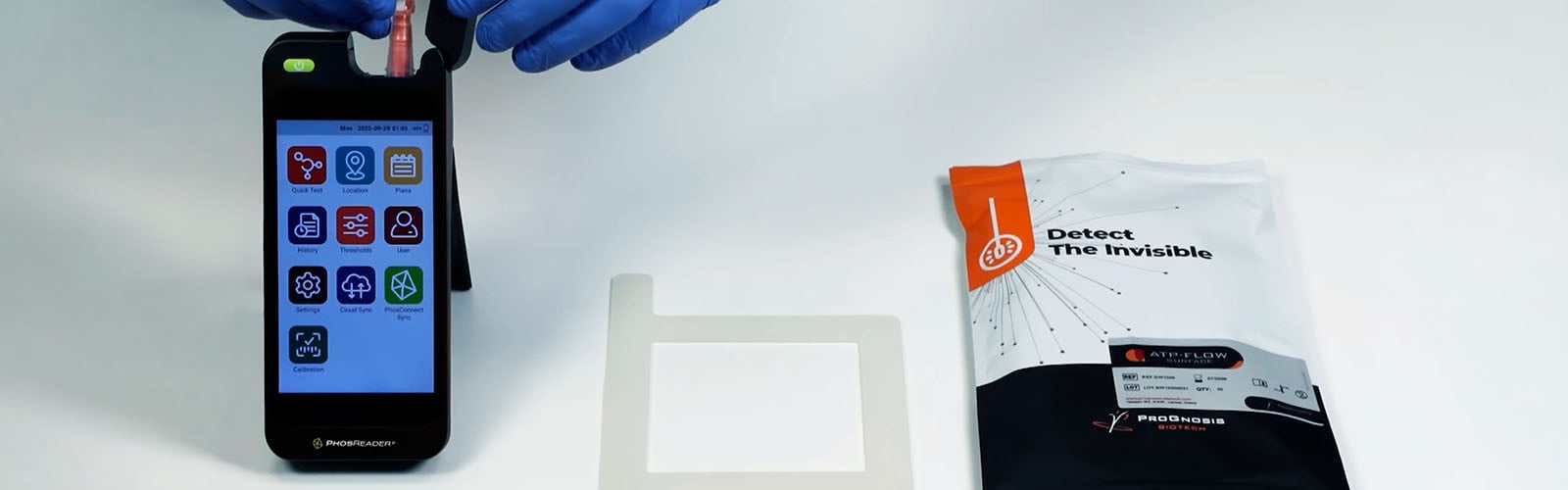
The PhosReader 2 Luminometer is a handheld bioluminescence reader. A few things separate it from a standard device:
-
Quantifiable output. Instead of a simple yes/no, the PhosReader 2 reports actual concentration levels, so sanitation teams can track whether a zone is trending clean or trending toward a problem long before it fails outright.
-
Low limit of detection (LOD). Higher sensitivity means the reader catches residual contamination that a less precise instrument might miss.
-
Built-in data management. Results sync to a PC or cloud system automatically, turning swab results into an actual audit trail instead of a stack of handwritten logs someone has to transcribe the night before an inspection.
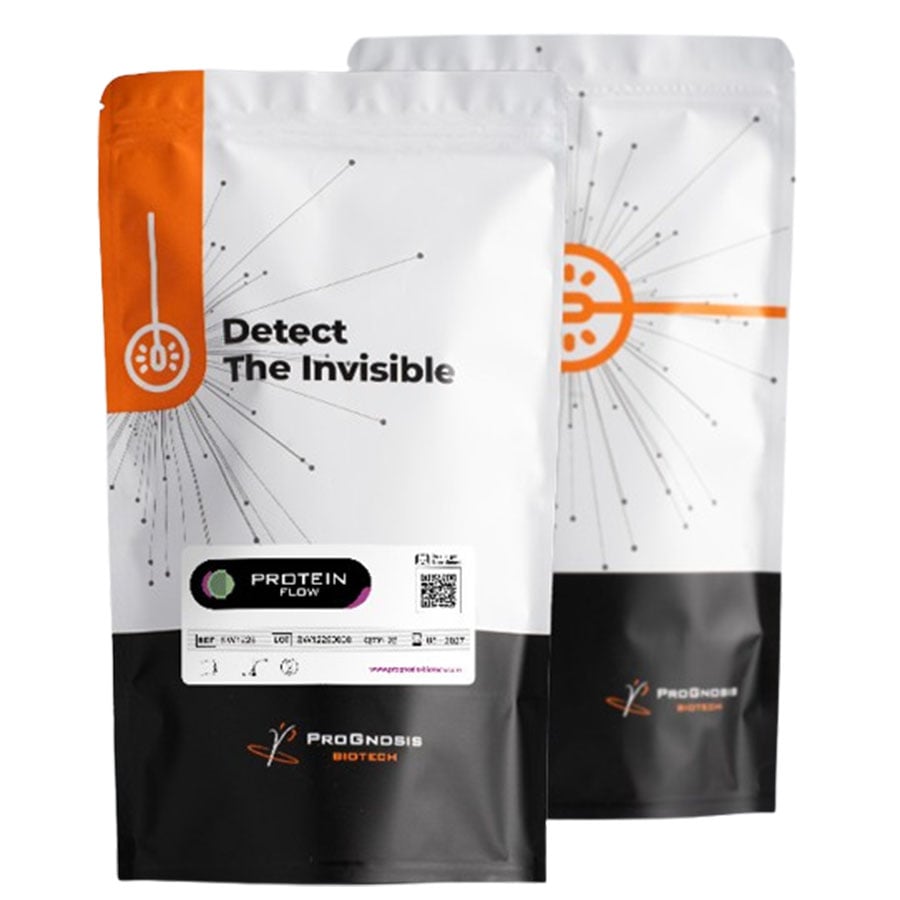
Protein-FLOW for Confirmation of Cleaning Effectiveness
Protein-FLOW is a colorimetric swab using the Biuret method, without a reader, incubator, or anything to charge or calibrate. When you swab a surface with protein residue, the swab shifts color from green to purple. It can detect as little as 10 µg of protein in under 10 minutes.
It requires no constant refrigeration, which means it stays stable and reliable at room temperature, from 2°C to 25°C. This means fewer cold-chain hassles and zero worry about swabs going bad in warm supply rooms in busy facilities.
How ProGnosis Biotech Compares to Hygiena
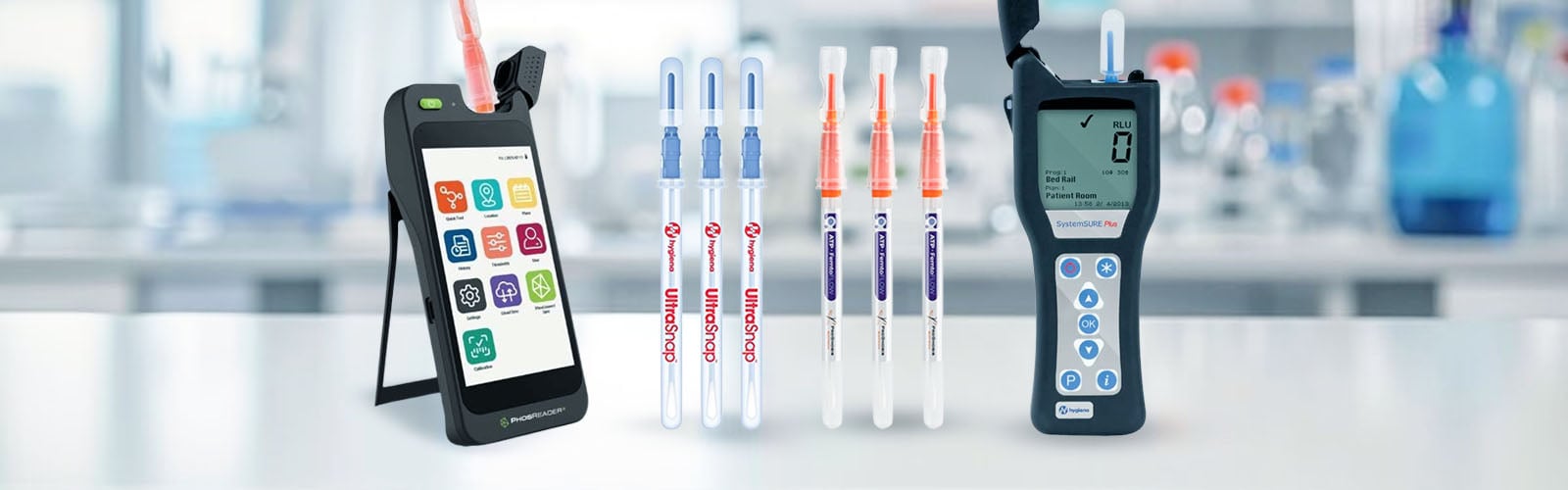
Hygiena is a familiar name in ATP hygiene monitoring, and if your facility is already built around their system, changing suppliers might seem daunting. But making the switch is usually far easier than it looks. Here is what you should consider:
-
The systems are cross-compatible. Hygiena swabs work with ProGnosis Biotech readers, and vice versa. This means plants can test ProGnosis Biotech swabs (performance, cost, or both) on the hardware they already own.
-
Speed is on par. The 10-second ATP read time on ATP-FLOW Surface matches or exceeds the response time facilities are already used to.
-
The product tiering is more granular. Between Standard Surface, FemtoFLOW, Total Water, and the equipment-free Protein-FLOW, plants can match the swab to the actual risk of the zone.
-
Trusted build quality. European manufacturing prioritizes long-term reliability, ensuring stable calibration, zero erratic spikes, and hardware you can trust shift after shift.
For a U.S. market currently rethinking supply chains and consumable costs across the board, that combination (proven build quality, interchangeable hardware, and a lower price point on reagents) is exactly why plants are taking a second look at their hygiene monitoring vendor.
How This Actually Helps at Audit Time
When preparing for FSMA and GFSA audits, you need to prove that your environmental program works all the time. Having zone-specific hygiene monitoring swabs, shelf-stable reagents, and a cloud-logging reader in the facility makes it easy for you to generate and submit clear, verifiable trend reports for high-risk areas on demand.
Frequently Asked Questions
How is ProGnosis Biotech's hygiene monitoring system different from a standard ATP test?
Standard ATP tests only give you a quick pass/fail. Its system delivers exact concentration numbers through the PhosReader 2. This gives you clear trend data over time, instead of simply knowing if a surface is clean.
Can ProGnosis Biotech swabs be used with existing Hygiena equipment?
Yes. These two systems are cross-compatible. Switching reagent suppliers doesn't require replacing existing hardware.
How fast is ATP-FLOW testing?
ATP-FLOW Surface swabs deliver results in about 10 seconds, matching or exceeding standard industry response times.
What's the difference between ATP-FLOW Surface and ATP-FemtoFLOW?
ATP-FemtoFLOW has a 4x lower LOD than the standard ATP-FLOW Surface swab, making it better suited to high-risk or ultra-sanitized zones where even trace-level contamination needs to be caught.
Do I need a luminometer to use Protein-FLOW?
No. Protein-FLOW is a colorimetric swab that changes from green to purple when protein residue is present, giving a visual result in under 10 minutes without any reader or incubator required.
Why does storage temperature matter for hygiene swabs?
All ATP-FLOW swabs degrade if they aren't kept cold, and all it takes is one off-temp refrigerator to ruin a batch. They all need to stay refrigerated at 2°C to 8°C, with a 14-month shelf life for Surface (12 months for FemtoFLOW and Total Water), and about 10 to 15 minutes to reach room temperature before you can run a test. Protein-FLOW swabs, on the other hand, are shelf-stable between 2°C and 25°C.
How does ProGnosis Biotech better prepare me for a FSMA audit?
Its system pairs quantifiable, automatically logged data with swabs tiered to the risk level of each zone. As a result, plants gain documented, trend-based evidence needed to pass GFSI audits and demonstrate FSMA compliance.
Planning to integrate ProGnosis Biotech's hygiene monitoring solutions into your lab? Order them at The Lab Depot, or contact our team at 1-800-733-2522, email, or through live chat on our website if you have any questions.
Sources:
https://www.prognosis-biotech.com/hygiene-monitoring/
https://www.prognosis-biotech.com/equipment/
https://www.prognosis-biotech.com/product/atp-flow-surface/
https://www.prognosis-biotech.com/product/atp-femtoflow/
https://www.prognosis-biotech.com/product/atp-flow-total-water/
https://www.prognosis-biotech.com/product/protein-flow/
https://www.hygiena.com/atp-testing-hygiene-monitoring-solution
https://www.prognosis-biotech.com/wp-content/uploads/ATP-Femto-Flow_v2a.pdf
https://www.prognosis-biotech.com/wp-content/uploads/Hygiene-Monitoring-Solutions_Flyer_v6.pdf
Related Products