

Thermo Scientific™ Orion™ pH Electrode: Which One Do You Need?
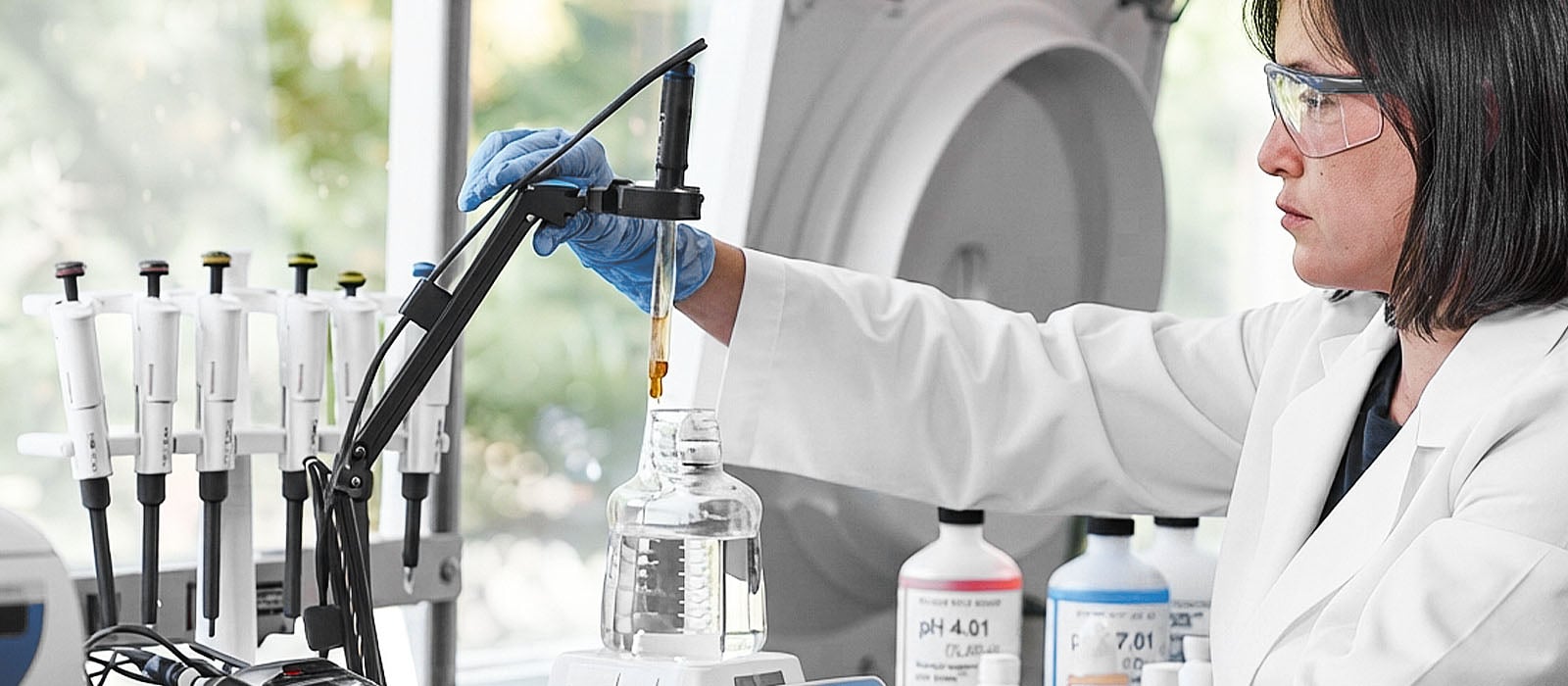
The Thermo Scientific Orion electrode portfolio spans a vast range of industries and applications and is organized into digestible classifications to help you choose which electrode is best for your samples.
Selecting the right Orion pH electrode comes down to five decisions matched to your sample type and testing environment: technology, junction type, reference type, fill type, and body style. Understanding what each one does will help the application shortlists make a lot more sense.
If you already know your sample type, refer to the Select Your Electrode by Application section for a shortlist of recommended electrodes. But if you're not sure where to start, begin with the electrode technology tables first.
Select Your Electrode by Application
[G] Glass Body
[E] = Epoxy Body
Laboratory Use
General-purpose pH electrodes are ideal for simple aqueous samples where you only need to check acidity.
If you want to produce high-purity extracts, focusing on the equipment is not enough. Instead, you also need to understand how heat actually moves inside the oven chamber.
| Category | Recommended Electrodes | |
|---|---|---|
| pH & Temperature | 8302BNUMD [G] 8107BNUMD[E] |
9107BNMD [E] 8107BNUMD [E] |
| Low Maintenance & Rugged Epoxy Body | GD9106BNWP[E] | 9106BNWP [E] GS9106BNWP [E] |
| Long Life & Chemical Resistant | 8102BN [G] 8102BNUWP [G] |
9102BNWP [G] 9102DJWP [G] |
| Clog-Resistant | 8172BNWP [G] 8165BNWP [E] |
GS9106BNWP [E] 9172BNWP [G] 9165BNWP [E] |
| Rugged Bulb & Chemical Resistant | 8104BN [G] 8104BNUWP [G] |
9104BNWP [G] 9162BNWP [G] |
Field Use & Plant Samples

Choose an epoxy body for durability and a polymer or gel fill for low maintenance. These electrodes work in lakes, ponds, streams, rivers, wastewater, food production, cosmetics, pulp and paper, and petrochemicals.
| Category | Recommended Electrodes | |
|---|---|---|
| pH & Temperature | 8302BNUMD [G] | 9107BNMD [E] 8107BNUMD [E] |
| Low Maintenance & Rugged Epoxy Body | GD9106BNWP[E] 8107BNUMD [E] |
9106BNWP [E] GS9106BNWP [E] |
| Long Life & Chemical Resistant | 8102BN [G] 8102BNUWP [G] |
9102BNWP [G] 9102DJWP [G] |
| Clog-Resistant | 8172BNWP [G] 8165BNWP [E] |
GS9106BNWP [E] 9172BNWP [G] 9165BNWP [E] |
| Rugged Bulb & Chemical Resistant | 8104BN [G] 8104BNUWP [G] |
9104BNWP [G] 9162BNWP [G] |
Titration
Use a Sure-Flow or sleeve junction for direct titration, alkalinity, total acid number, total base number, and general R&D. Both junction types make better contact with the sample and give steadier readings.
| Category | Recommended Electrodes | |
|---|---|---|
| General Titrations | 8172BNWP [G] | 9172BNWP [G] 8162SC (need cable) [G] |
| Non-Aqueous Titrations | 8172BNWP [G] | 9172BNWP [G] 8162SC (need cable) [G] |
Biological & Pharmaceutical

For DNA, RNA, TRIS buffers, media, buffer preparation, proteins, and enzymes, choose an electrode with a ROSS or double-junction Ag/AgCl reference, which keeps silver away from the sample. A TRIS-compatible electrode is also suitable.
| Category | Recommended Electrodes | |
|---|---|---|
| pH & Temperature | 8302BNUMD [G] 8157BNUMD [E] |
8302BNURCA [G] 8157BNURCA [E] 8107BNUMD [E] 8107BNURCA [E] |
| Low Maintenance & Rugged Epoxy Body | 8102BNUWP [G] | 9102DJWP [G] 8102BN [G] |
| Semi-Micro Size | 8103BN [G] 8103BNUWP [G] |
911600 [E] 9110DJWP [G] 8115BN[E] 8115BNUWP [E] |
| Micro Size | 8220BNWP [G] | 9810BN [G] 9863BN [--] |
| Titrations | 8172BNWP [G] | 9172BNWP [G] 8162SC [G] |
Academic & Student Use
An epoxy body holds up to repeated student use in general chemistry, water ecology, environmental testing, and fieldwork. Glass-body electrodes are more fragile, but they allow micro, semi-micro, and specialized electrodes for more advanced work.
| Category | Recommended Electrodes | |
|---|---|---|
| pH & Temperature | 8107BNUMD [E] 8157BNUMD [E] |
9107BNMD [E] 9157BNMD [E] |
| Low Maintenance & Rugged Epoxy Body | GD9106BNWP [E] | 9106BNWP [E] GS9106BNWP [E] |
| Long Life & Chemical Resistant | 8102BNUWP [G] | 9102BNWP [G] 9172BNWP [G] |
| Rugged Bulb & Chemical Resistant | 8104BN [G] 8104BNUWP [G] |
9104BNWP [G] 9104APWP [G] |
Food & Beverage

For beer, wine, semi-solids, meat, cheese, juice, and carbonated drinks, use a flat-surface tip with a ROSS or double-junction Ag/AgCl reference, which keeps silver from touching the sample. If the sample must be pierced, use a spear tip instead. Either option fits QC/QA labs and product development and should have a Sure-Flow or open junction to prevent clogging.
| Category | Recommended Electrodes | |
|---|---|---|
| pH & Temperature | 8107BNUMD [E] | 8302BNUMD [G] 8157BNUMD [E] |
| Sauces, Jams, Salad Dressing, Dairy | 8172BNWP [G] | 9165BNWP [E] 9172BNWP [G] |
| High Temperatures—pH & Temperature | 8302BNUMD (100°C) [G] | 9107BNMD (80°C) [E] 9157BNMD (90°C) [E] |
Extreme pH & Brine
Use ROSS Sure-Flow or open-junction electrodes. High ionic strength shifts the liquid junction potential, and these electrodes keep better contact with the sample for steadier readings.
| Category | Recommended Electrodes | |
|---|---|---|
| pH & Temperature | 8302BNUMD [G] | 9157BNMD [E] 8157BNUMD [E] |
| Easy Maintenance, Flushable Junction | 8172BNWP [G] 8165BNWP [E] |
9172BNWP [G] 9165BNWP [E] |
| Rugged Epoxy Body | 8165BNWP [E] 8156BNUWP [E] |
8156BNWP [E] GD9156BNWP [E] |
| HF (Hydrofluoric Acid) | 8172BNWP [G] 8104BNWP [G] |
9106BNWP [E] 9104APWP [G] 8104BN [G] |
Industrial & Chemical
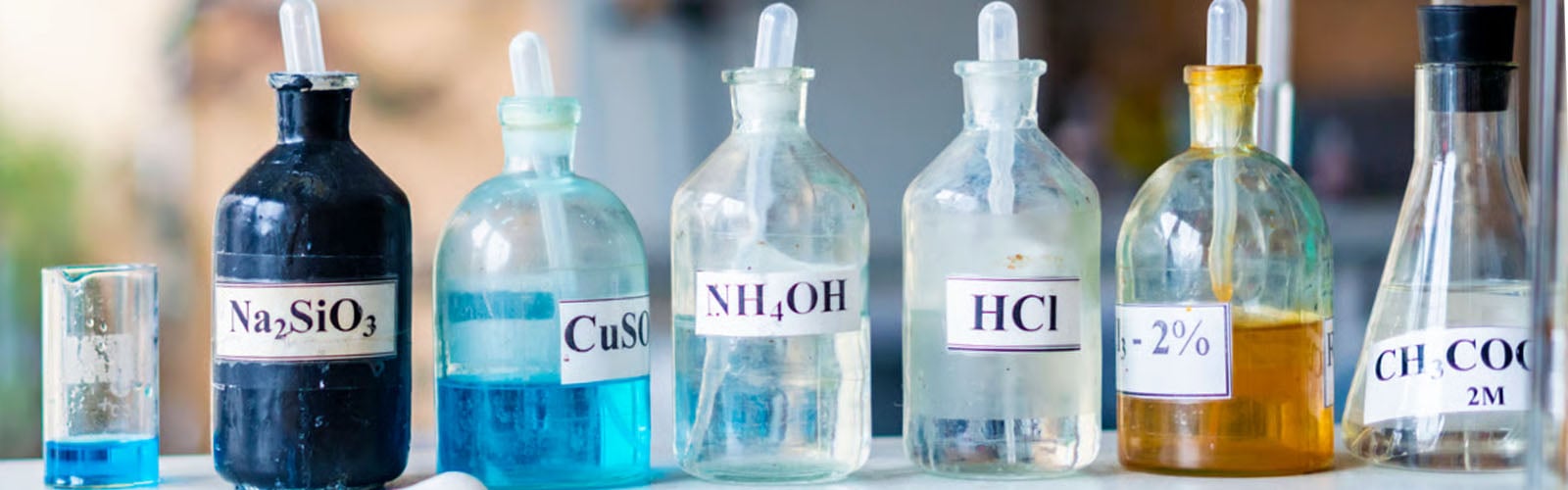
Choose a glass body, which resists damage from the sample, and a Sure-Flow or open junction. Typical uses include chemical validation, quality control, and production assurance.
| Category | Recommended Electrodes | |
|---|---|---|
| pH & Temperature | 8302BNUMD [G] | 9107BNMD [E] 9157BNMD [E] |
| Extreme pH (<2 or >12) & Brines | 8172BNWP [G] | GD9106BNWP [E] 9172BNWP [G] |
| Viscous (Slurry, Emulsion, Wet Sludge) | 8172BNWP [G] | 9104APWP[G] 9172BNWP [G] |
| Flat Surface (Paper, Dewatered Sludge, Textiles) | 8135BN [E] 8135BNUWP [E] |
913600 [E] 9135APWP [E] |
Petrochemical & Non-Aqueous
Use a glass body and pair it with a Sure-Flow or open junction. This setup helps with the unstable or drifting readings common in paints, inks, petroleum products, engine coolant, bioethanol, and alcohol.
| Category | Recommended Electrodes | |
|---|---|---|
| pH & Temperature | 8165BNWP [E] | 9107BNMD [E] 9157BNMD [E] |
| Low Maintenance & Rugged Epoxy Body | 9165BNWP [E] | 9106BNWP [E] GS9106BNWP [E] |
| Long Life & Chemical Resistant | 8172BNWP [G] | 9102BNWP [G] 9172BNWP [G] |
| Rugged Bulb & Chemical Resistant | 9107APMD [E] | 8104BN [G] 9104BNWP [G] 8162BNWP [G] |
Consumer Products

For cosmetics, lotions, oils, baby products, and health products, opt for a glass body with a Sure-Flow or open junction.
| Category | Recommended Electrodes | |
|---|---|---|
| pH & Temperature | 8107BNUMD [E] | 9104BNWP [G] 9107APMD [E] |
| Clog-Resistant & Easy to Clean | 8172BNWP [G] | 9104APWP [G] 9172BNWP [G] 9165BNWP [E] |
| Clog-Resistant & Rugged Body | GD9106BNWP [E] | GS9106BNWP [E] 9156APWP [E] 8165BNWP [E] |
Environmental
For seawater, rivers, streams, lakes, runoff, rainwater, soil, and spray or pesticide research, choose an epoxy body, a ROSS or double-junction Ag/AgCl reference, and a refillable design for better sample contact.
| Category | Recommended Electrodes | |
|---|---|---|
| pH & Temperature | 8107BNUMD [E] | 9107BNMD [E] 9157BNMD [E] |
| Clean Waters (Potable, Surface, Ground, Drinking, Treated Effluent) | 815600 [E] 8156BNUWP [E] |
9156APWP [E] 9162BNWP [G] |
| Wastewater | 8172BNWP [G] 8165BNWP [E] |
9156APWP [E] GD9106BNWP [E] |
Clean & Pure Water

For distilled, deionized, purified, boilerfeed, and rainwater, including sample dilution, use a ROSS or double-junction Ag/AgCl reference. They cover sample dilution and other general lab measurements.
| Category | Recommended Electrodes | |
|---|---|---|
| pH & Temperature | 8302BNUMD [G] 8107BNUMD [E] |
9107BNMD [E] |
| Low Maintenance & Rugged Epoxy Body | GD9106BNWP [E] | 9106BNWP [E] GS9106BNWP [E] |
| Long Life & Chemical Resistant | 8102BN [G] 8102BNUWP [G] |
9102BNWP [G] 9102DJWP [G] |
| Clog-Resistant | 8172BNWP [G] 8165BNWP [E] |
GS9106BNWP[E] 9172BNWP [G] 9165BNWP [E] |
| Rugged Bulb & Chemical Resistant | 8104BN [G] 8104BNUWP [G] |
9104BNWP [G] 9162BNWP [G] |
Electrode Technologies
Thermo Scientific splits its Orion electrodes into three technology categories: ROSS, Triode, and Sure-Flow. Each one solves a different problem, and knowing which one your samples call for makes the rest of this guide a lot easier to navigate.
ROSS
ROSS electrodes feature a proprietary double-junction reference that responds quickly. It stays accurate across a wide range of sample types and barely reacts to temperature swings. If you're working with something that tends to be hard on a standard reference, such as proteins, sulfides, TRIS buffers, or biological media, ROSS is the safer choice, and the Ultra line carries an industry-best warranty on top of that.
Triode
A Triode electrode has a built-in ATC temperature sensor, so one probe delivers both pH and temperature instead of you running two separate cables into your meter. It uses a BNC connector for pH and a separate connector for temperature. It works with Thermo Scientific Orion pH meters and other brands, though the temperature connector/element can be unique to the meter model.
Sure-Flow
Sure-Flow is about the junction and uses an easy-to-clean, open, and free-flowing design that resists clogging. This characteristic makes it the electrode of choice for sludge, soil, or slurries that would gum up a standard ceramic junction. It is also ideal for compounds that react with silver, such as bromides, iodides, cyanides, and sulfides.
NOTE: ROSS, Triode, and Sure-Flow aren't mutually exclusive, as each covers a different part of the electrode (reference, form factor, junction), so you can combine them freely. ROSS Sure-Flow electrodes pair the ROSS reference with an open junction (see Featured Sure-Flow below), while ROSS Ultra Triode electrodes pair it with a built-in ATC probe. The only true either/or is Triode vs. a standalone electrode plus a separate ATC probe.
pH Electrode Types
Electrode type mostly refers to the shape and size of the sensing tip, chosen based on your sample volume and whether you're measuring a liquid, a solid, or a semi-solid.
| Type | Size | Key Features | |
|---|---|---|---|
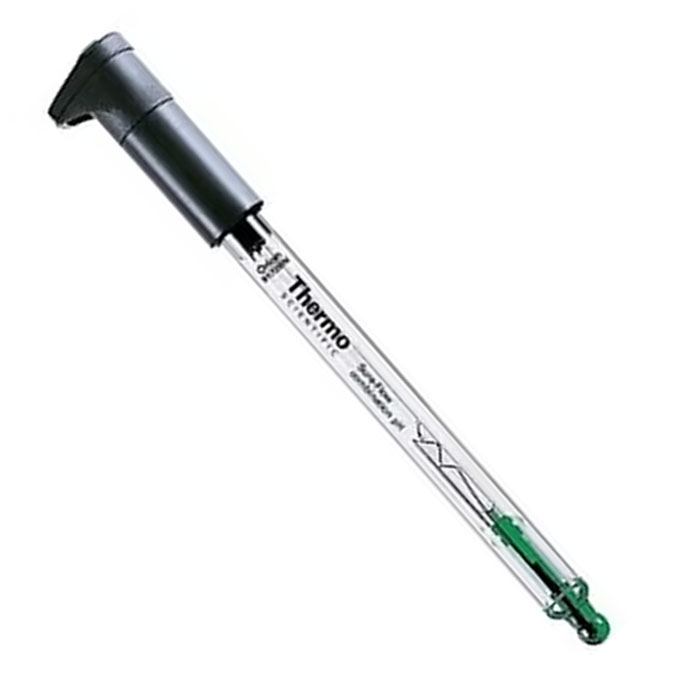 |
Orion™ Model 91-72 Sure-Flow pH Electrode | 12 mm diameter |
|
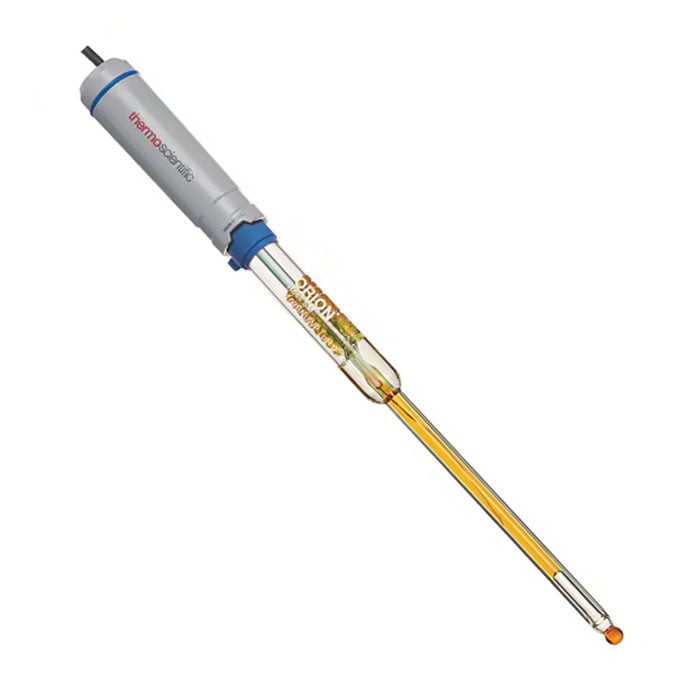 |
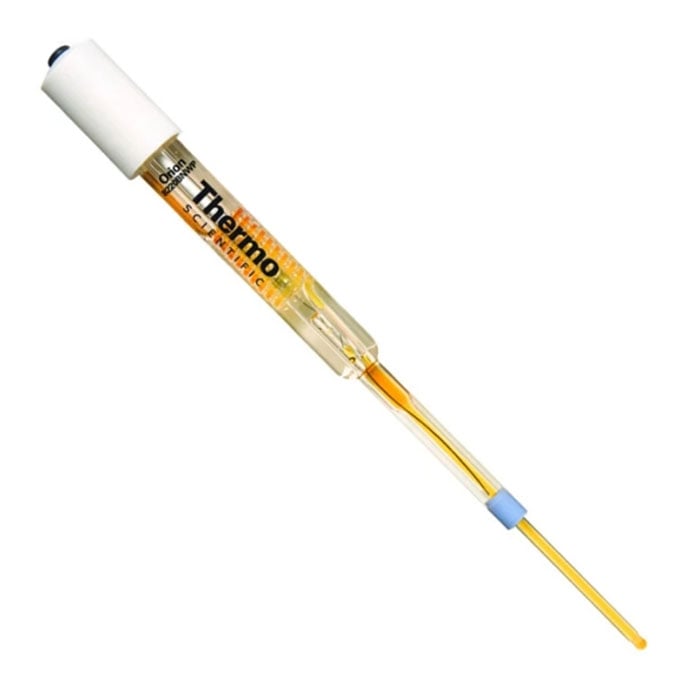
Orion™ ROSS Ultra™ Thin Stem Glass Bodied Combination pH Electrodes |
6 to 8 mm diameter for samples down to 200 µL |
|
 |
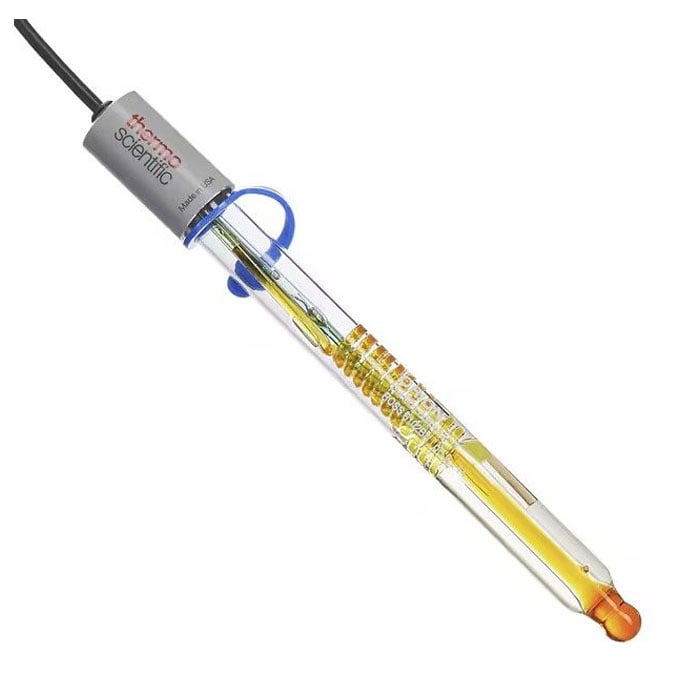
Orion™ PerpHecT™ ROSS™ Combination pH Micro Electrode |
1 to 5 mm diameter for samples as small as 0.5 µL |
|
 |
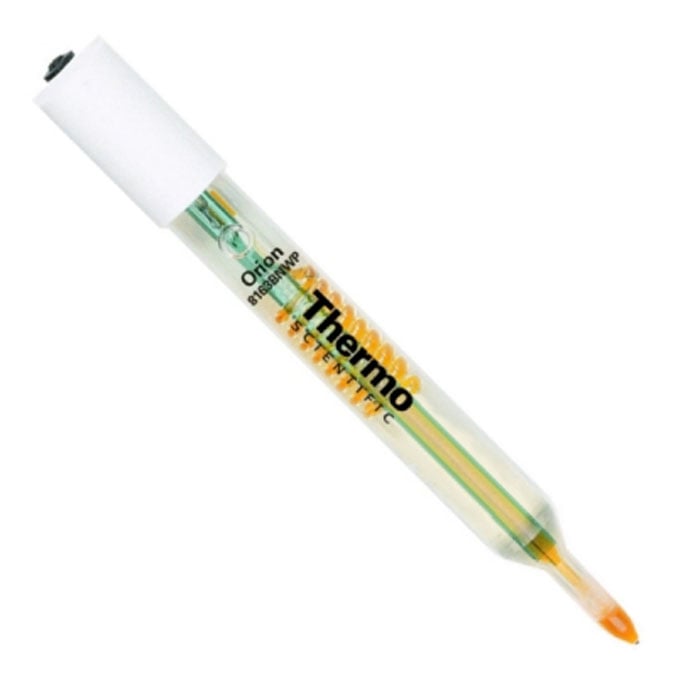
Orion™ ROSS™ Glass Bodied Combination pH Electrodes |
Standard sizing with a reinforced bulb |
|
 |
Orion™ 8163BNWP ROSS™ Combination Spear Tip pH Electrode |
Pointed tip |
|
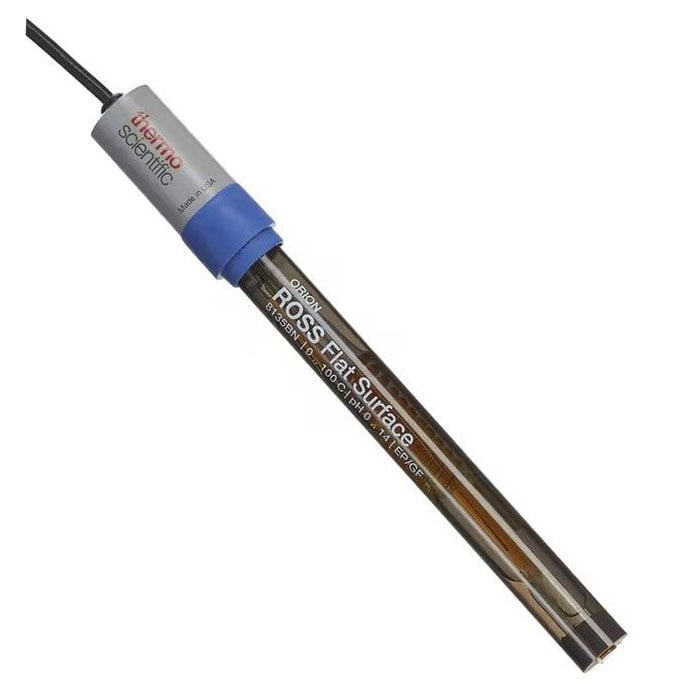 |
Orion™ ROSS™ Flat Surface Refillable Epoxy Bodied Combination pH Electrodes | Flat epoxy-body bulb |
|
pH Electrode Junctions
The junction is the point where the electrode's internal reference solution contacts your sample. Clean samples can use almost any junction, while dirty, viscous, or particulate-heavy samples need an open or Sure-Flow junction to avoid clogging.
| Junction | Best For | Key Features | |
|---|---|---|---|
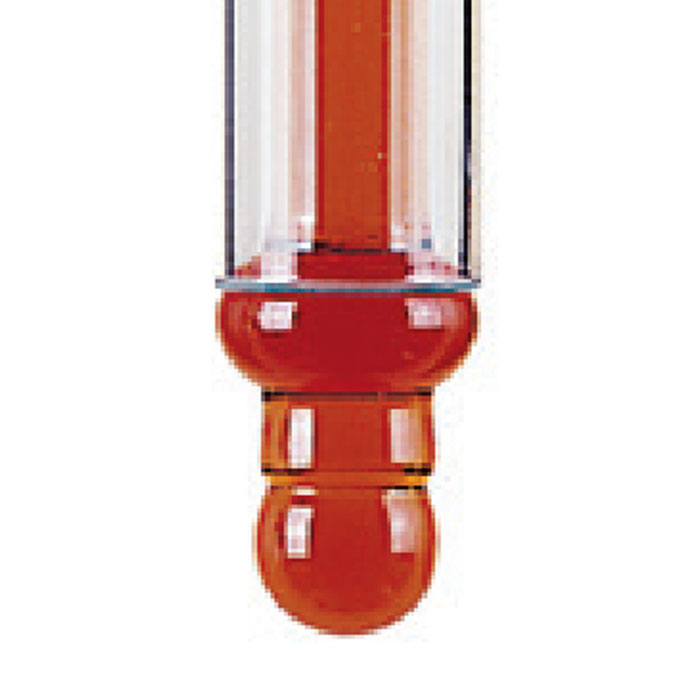 |
Sure-Flow, Sleeve, and Laser-Drilled Hole (Open) |
|
|
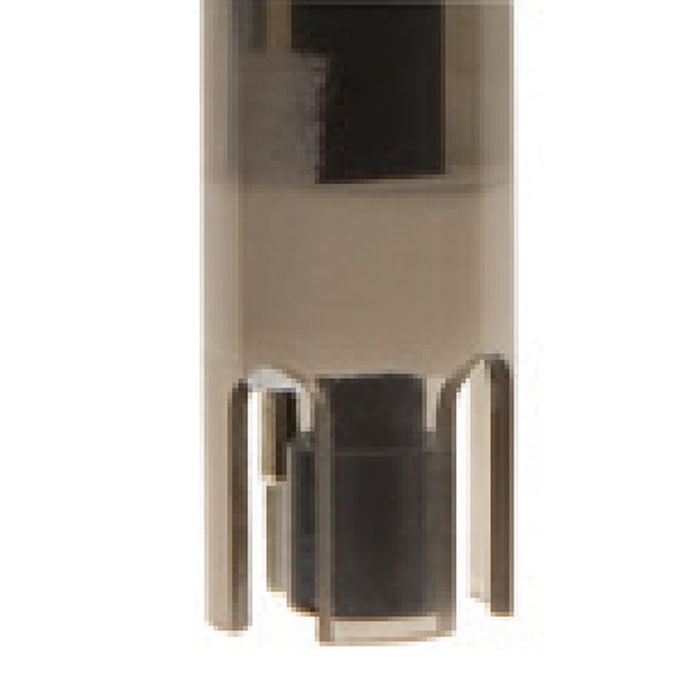 |
Ceramic and Glass Capillary |
|
|
 |
Wick and Glass Fiber |
|
|
pH Electrode References
The reference determines measurement precision, response time, and how well the electrode handles proteins, sulfides, and other reactive samples. ROSS references offer the best all-around performance, while single-junction Ag/AgCl is the economical, general-purpose option.
| Reference | Precision | Response Time | Best For | Features |
|---|---|---|---|---|
| ROSS Reference | 0.01 pH | Best |
|
|
| Double Junction Ag/AgCl | 0.02 pH | Better |
|
|
| Single Junction Ag/AgCl | 0.02–0.1 pH | Good |
|
|
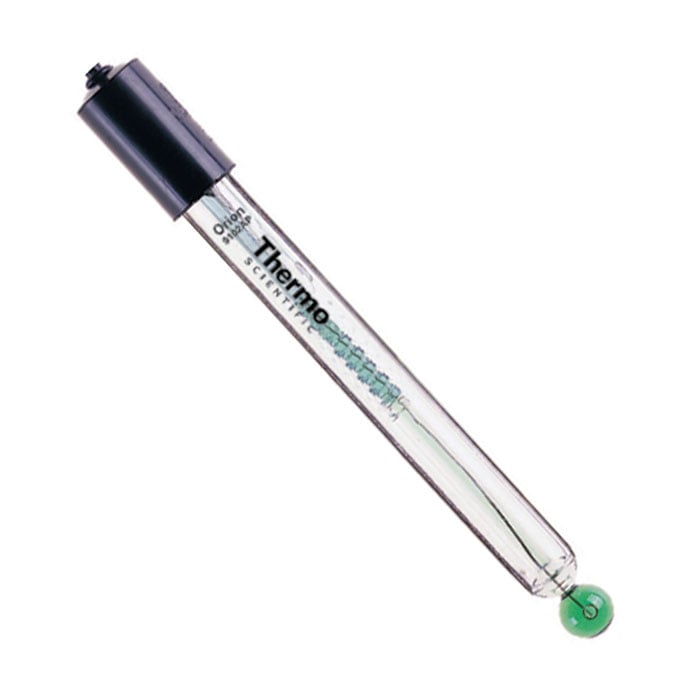
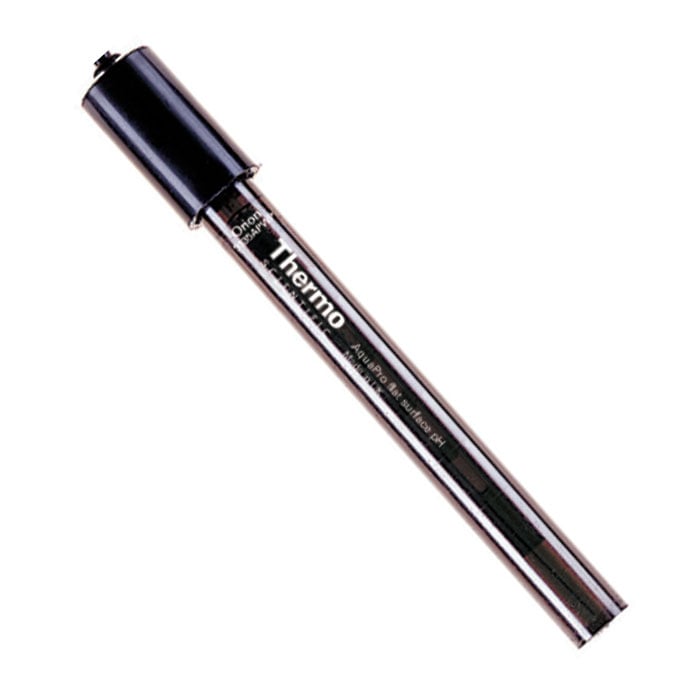
pH Electrode Fill Types
Fill type is a maintenance-versus-precision trade-off. Refillable electrodes need periodic maintenance but deliver the best precision and longest life. On the other hand, sealed polymer or gel designs are lower-maintenance but trade off some precision and warranty length.
| Fill Type | Maintenance | Precision | Response Time | Warranty | |
|---|---|---|---|---|---|
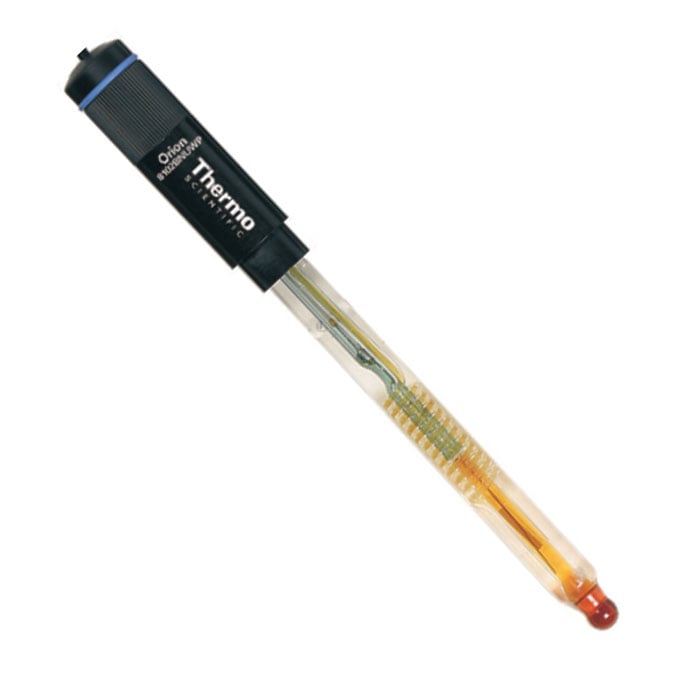 |
Refillable |
|
0.01–0.02 pH | Best | 1 to 2 years (6 months for Ag/AgCl micro electrodes) |
 |
Polymer Filled (Sealed) |
|
0.02 pH | Better | 1 year |
 |
Gel Filled (Sealed) |
|
±0.02–0.1 pH | Good | 3 to 6 months |
pH Electrode Body Styles
Body style is a durability-versus-versatility trade-off. Glass handles a wider range of chemistries but breaks under rough handling, whereas epoxy gives up some of that chemical range for a body that can survive a drop.
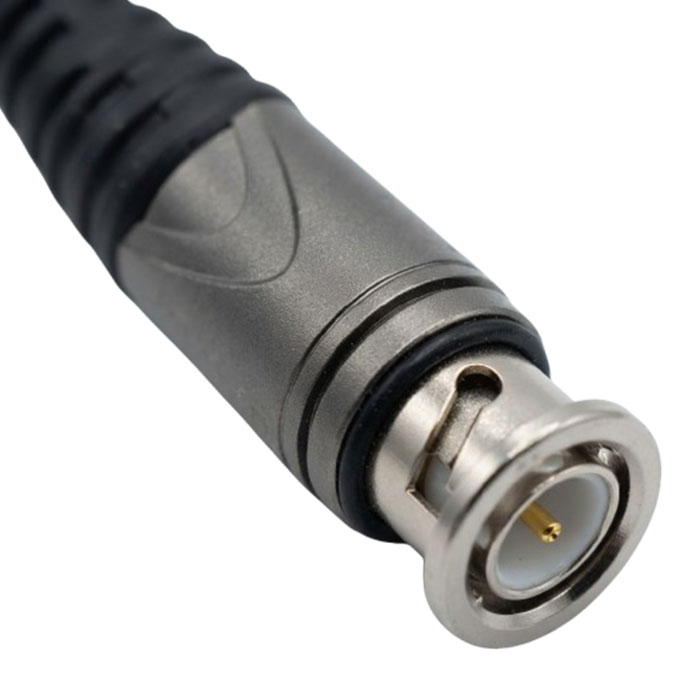
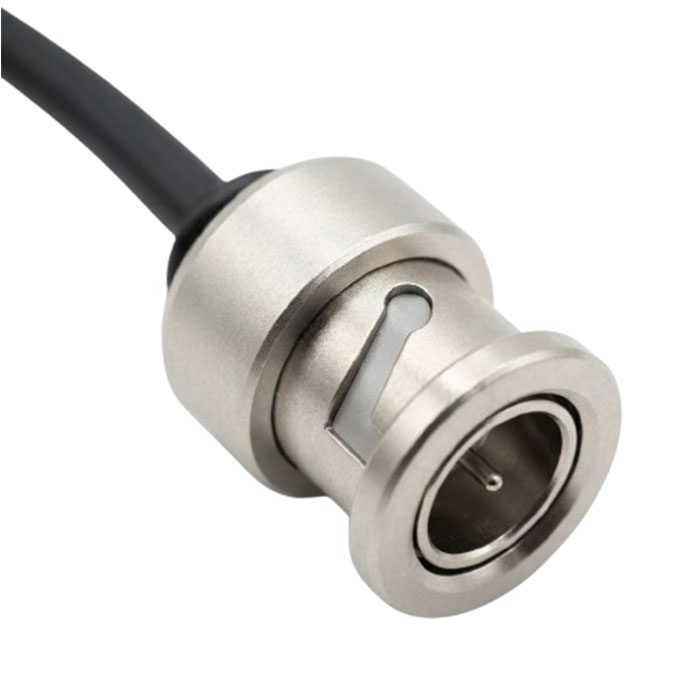
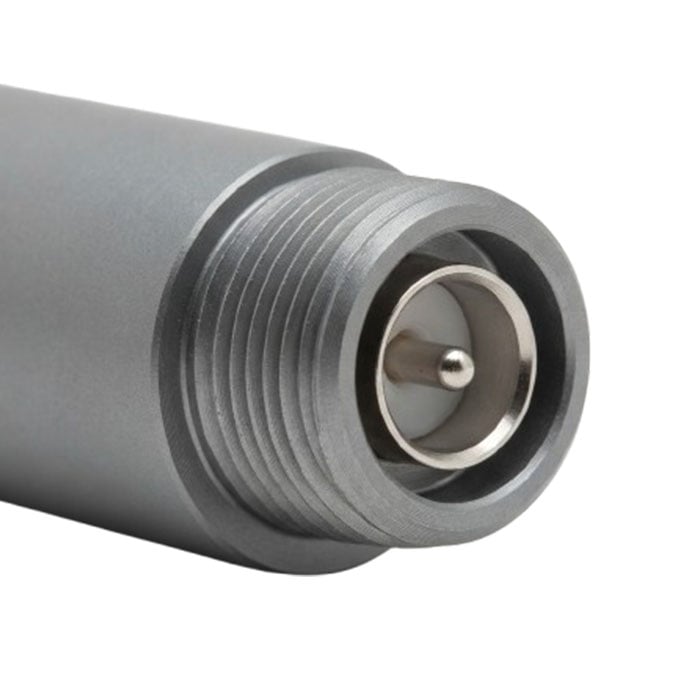
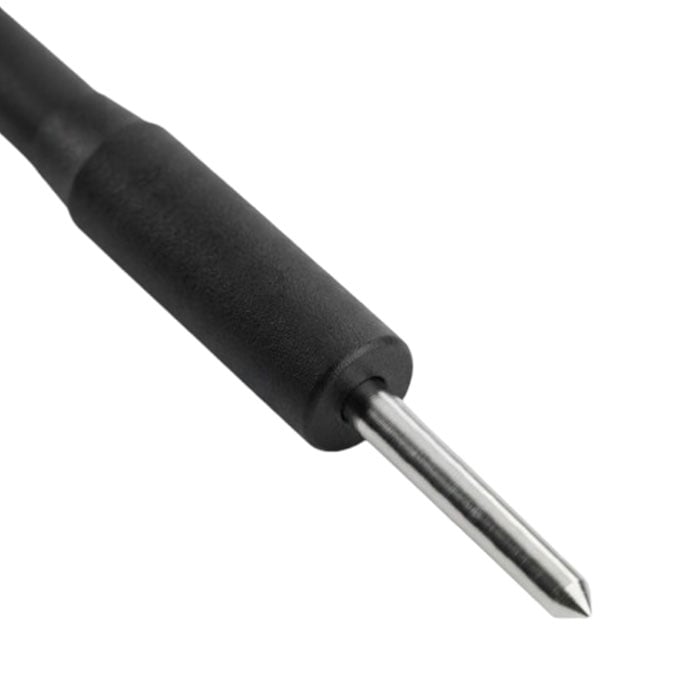
pH Electrode Connectors
The connector is about compatibility, not performance. Waterproof BNC and BNC electrodes plug straight into most Orion meters, while screw cap and pin tip designs need a matching cable or a half-cell setup on the other end.
| Connector | Compatibility | |
|---|---|---|
 |
Waterproof BNC |
|
 |
BNC |
|
 |
Screw Cap |
|
 |
Pin Tip |
|
ATC Probe Connectors
An Automatic Temperature Compensation (ATC) probe measures sample temperature so your meter can correct the pH reading automatically. If your electrode isn't a Triode with a built-in sensor, you'll need a separate ATC probe with a connector that matches your meter.
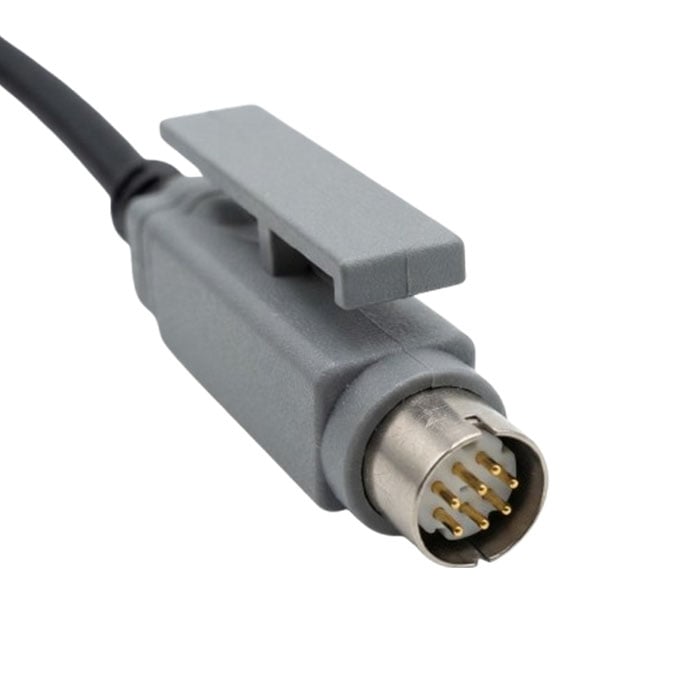
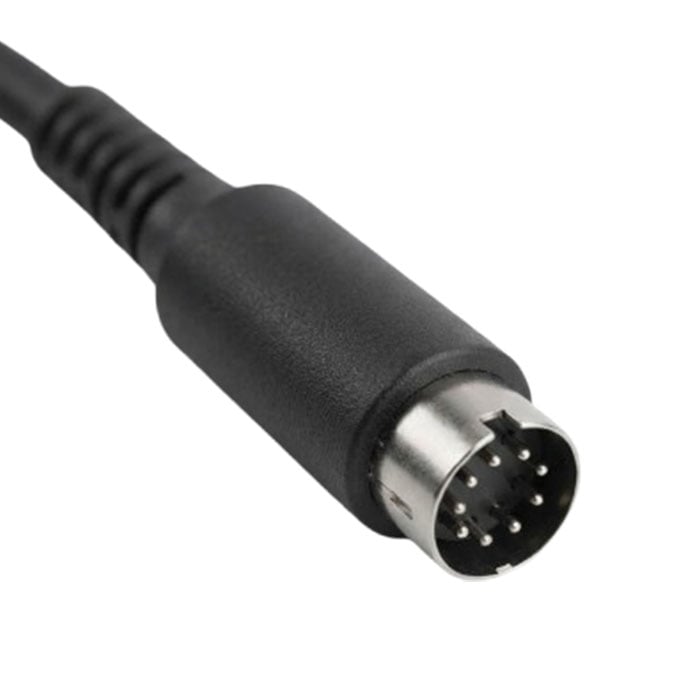
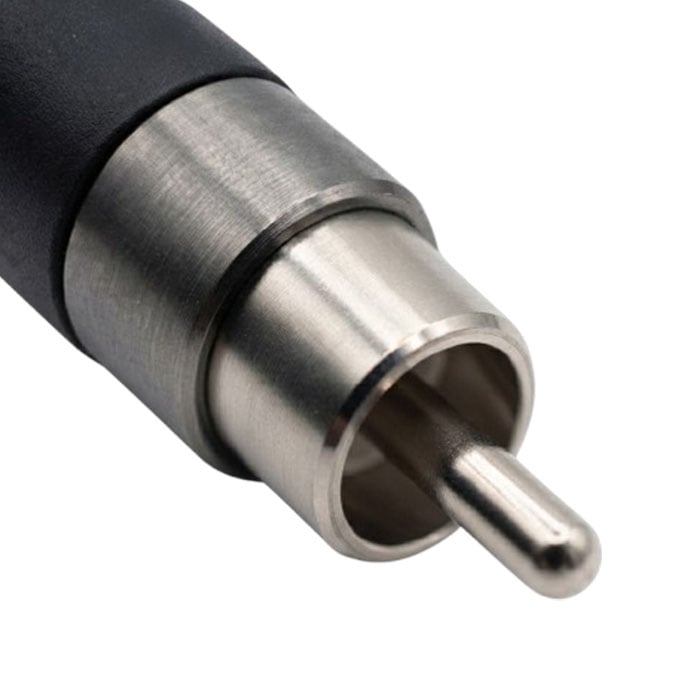
ATC Probe Ordering Information
| SKU | Description |
|---|---|
| 927005MD | Epoxy ATC probe, MiniDIN |
| 927006MD | Glass ATC probe, MiniDIN |
| 927007MD | Stainless steel ATC probe, MiniDIN |
| 928007MD | Micro ATC probe with stainless steel 1 mm x 38 mm tip, MiniDIN |
| 917005 | Epoxy ATC probe, 8-pin DIN |
| 917007 | Stainless steel ATC probe, 8-pin DIN |
| 927005 | Epoxy ATC probe, 3.5 mm phono tip |
Featured Electrodes
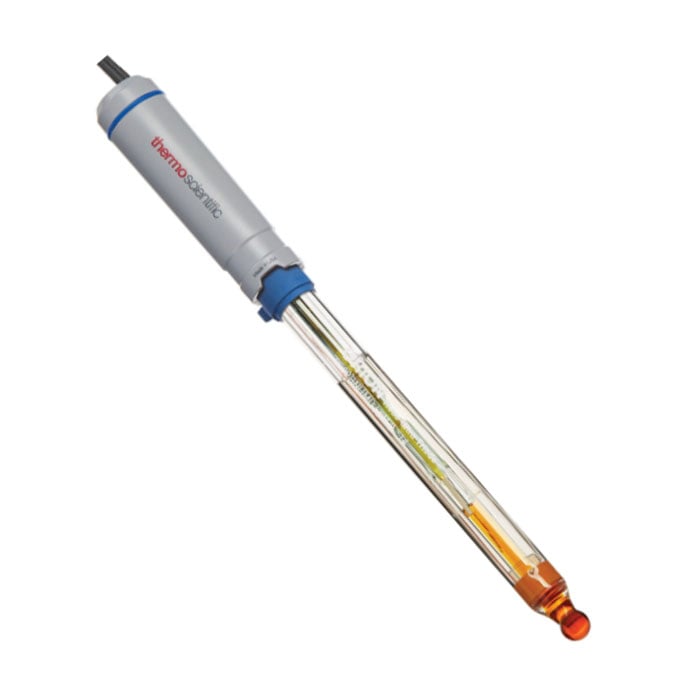
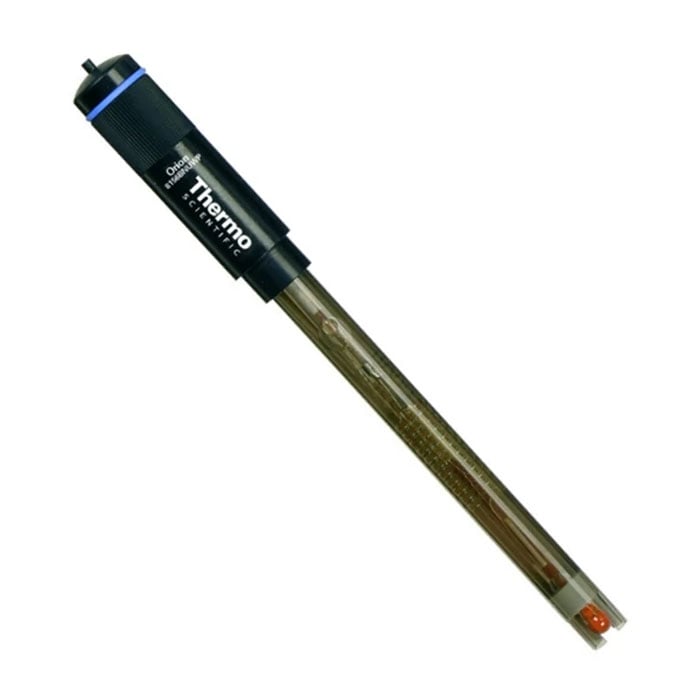
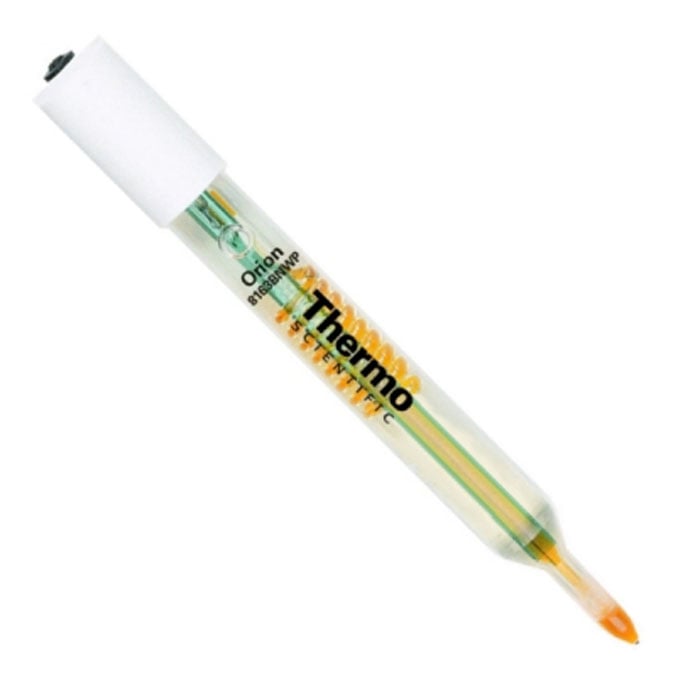
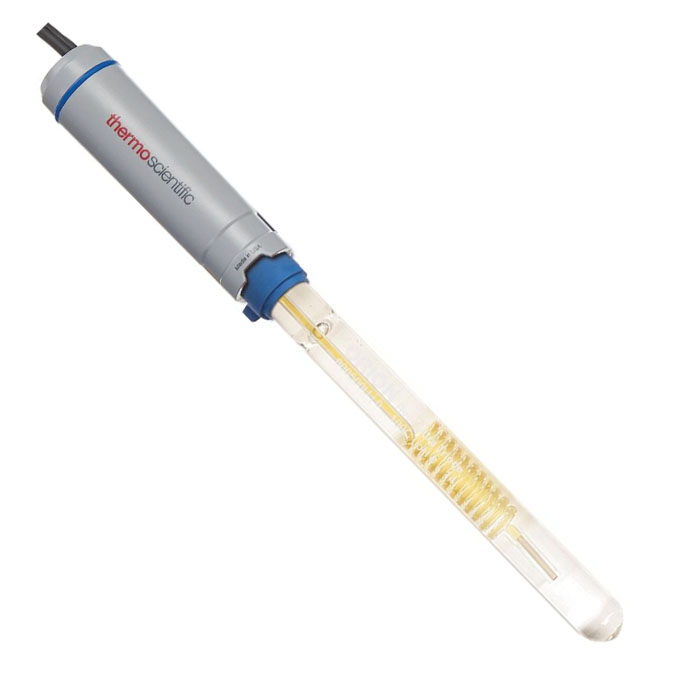
Orion ROSS
These electrodes are categorized into four types: general-purpose glass and epoxy models, a spear tip for solids, and a reference half-cell for pairing with other ROSS sensors.
 |
 |
 |
 |
|
| Product Name | ROSS Ultra Combination Glass Body Extended Life pH Electrode | ROSS Ultra Combination Epoxy Body pH Electrode | ROSS Combination Glass Body pH Electrode, Spear Tip | ROSS Ultra Glass Body Reference Half-Cell |
| Product SKU # | 8102BNUWP | 8156BNUWP | 8163BNWP | 800500U |
| pH Range | 0–14 | 0–14 | 0–14 | 0–14 |
| pH Precision | 0.01 | 0.01 | 0.01 | - |
| Temperature Range | 0–100°C | 0–100°C | 0–100°C | 0–100°C |
| Internal Reference | ROSS | ROSS | ROSS | ROSS |
| Junction | Ceramic | Glass Fiber | Ceramic | Ceramic |
| Fill Solution (SKU) | 3 M KCl (810007) | 3 M KCl (810007) | 3 M KCl (810007) | 3 M KCl (810007) |
| Length x Diameter x Tip | 120 mm x 12 mm | 120 mm x 12 mm | 120 mm x 4.5 mm x 20 mm | 120 mm x 12 mm |
| Connector Type | Waterproof BNC | Waterproof BNC | Waterproof BNC / Screw Cap | Pin Tip |
| Key Features |
|
|
|
Reference half-cell for use with:
|
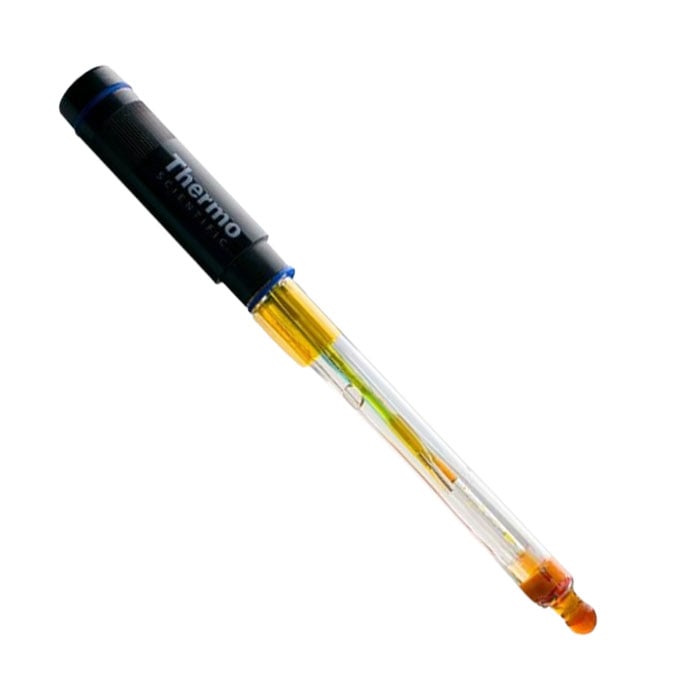
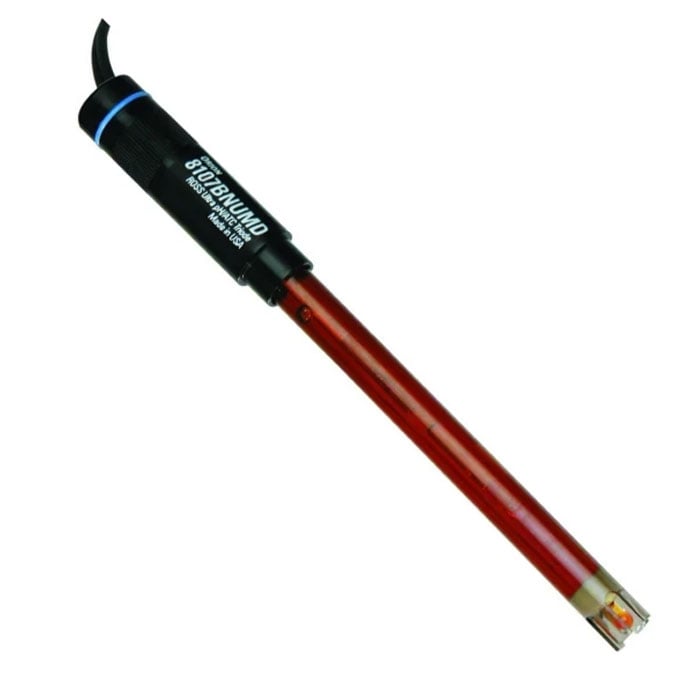
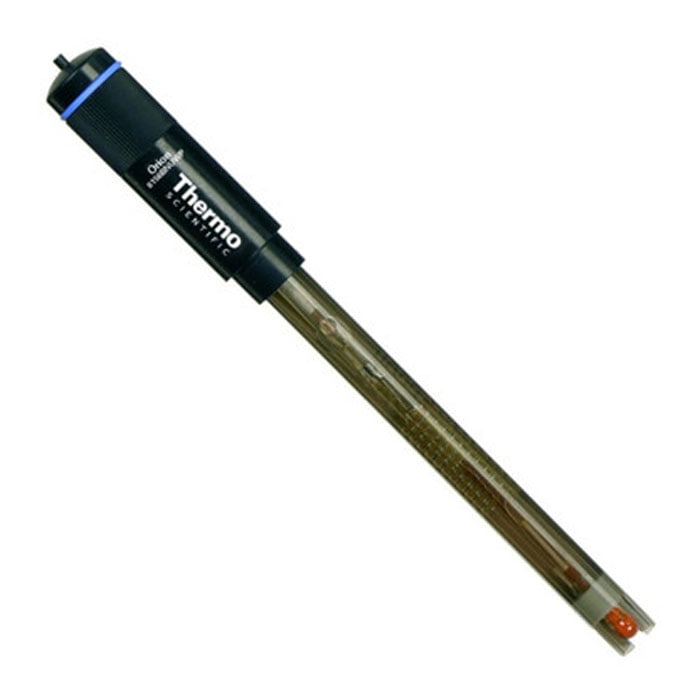
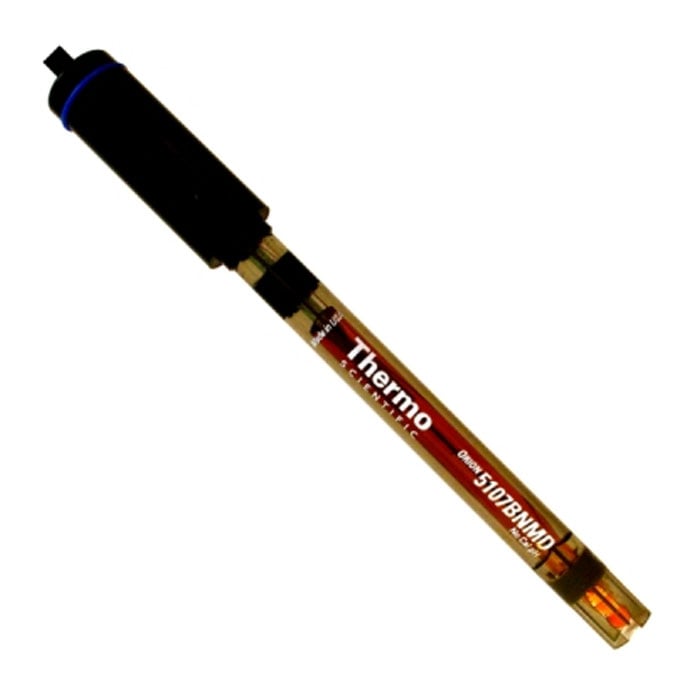
Orion Triode
A Triode combines the pH sensor and the ATC temperature sensor in one body instead of two. The four models below differ mainly in body material and how much upkeep they require.
 |
 |
 |
 |
|
| Product Name | ROSS Ultra pH/ATC Triode with Glass Body | ROSS Ultra pH/ATC Triode with Epoxy Body, Low Maintenance Gel | ROSS Ultra pH/ATC Triode with Epoxy Body | Orion No-Cal pH/ATC Triode with Epoxy Body |
| Product SKU # | 8302BNUMD* | 8107BNUM* 8107UWMMD* |
8157BNUM* | 5107BNMD |
| pH Range | 0–14 | 0–14 | 0–14 | 0–14 |
| pH Precision | 0.01 | 0.01 | 0.01 | 0.01 |
| Temperature Range | 0–100°C | 0–100°C | 0–100°C | 0–100°C |
| Internal Reference | ROSS | ROSS | ROSS | Platinum |
| Junction | Ceramic | Glass Capillary | Glass Fiber | Ceramic |
| Fill Solution (SKU) | 3 M KCl (810007) | - | 3 M KCl (810007) | - |
| Length x Diameter x Tip | 120 mm x 12 mm | 120 mm x 12 mm | 120 mm x 12 mm | 120 mm x 12 mm |
| Connector Type | Waterproof BNC / mini-DIN* | Waterproof BNC / mini-DIN* Waterproof BNC / mini-DIN* 3 m |
Waterproof BNC / mini-DIN* Waterproof BNC / mini-DIN* 3 m |
Waterproof BNC / mini-DIN |
| Key Features |
|
|
|
|
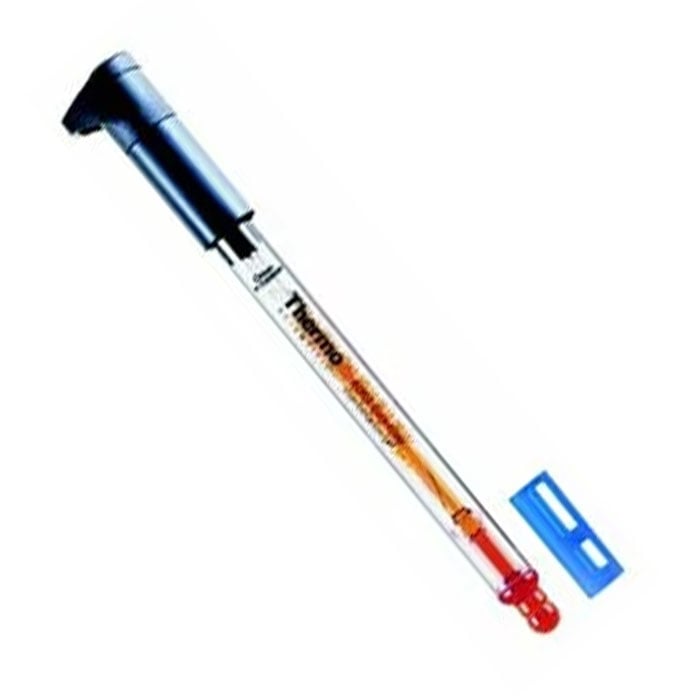
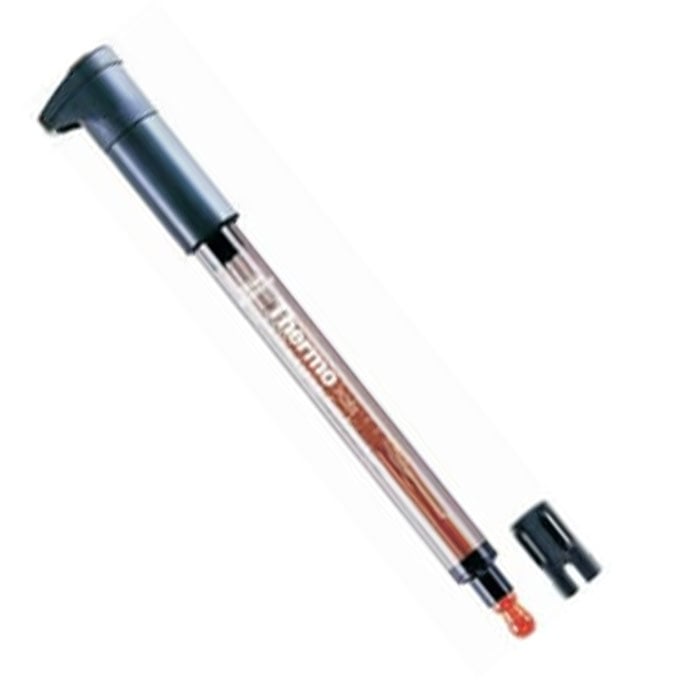
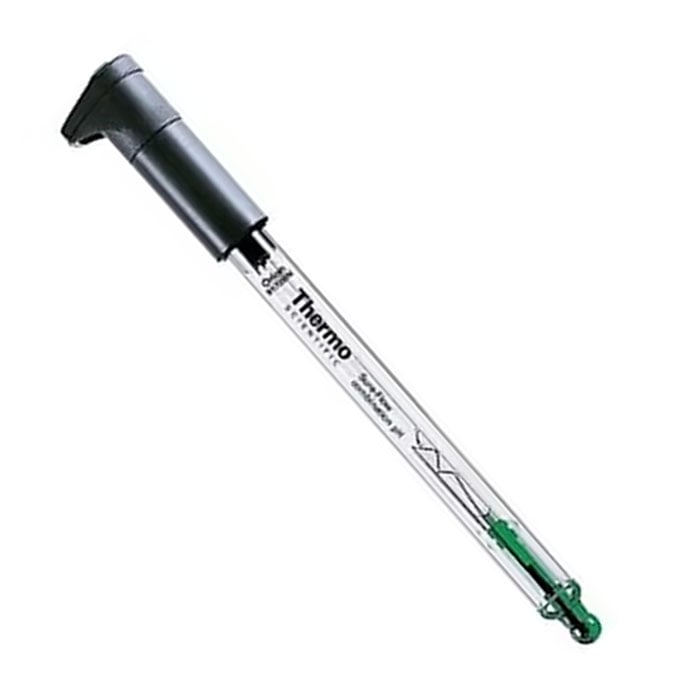
Orion Sure-Flow
Sure-Flow's open junction solves clogging, so the four electrodes here vary by reference type (ROSS vs. Ag/AgCl) and body material rather than by what samples they can handle.
 |
 |
 |
|
|
| Product Name | ROSS Sure-Flow Combination pH Electrode with Glass Body | ROSS Sure-Flow Combination pH Electrode with Epoxy Body | Sure-Flow Combination pH Electrode with Glass Body | Sure-Flow Combination pH Electrode with Epoxy Body |
| Product SKU # | 8172BNWP | 8165BNWP | 9172BNWP | 9165BNWP |
| pH Range | 0–14 | 0–14 | 0–14 | 0–14 |
| pH Precision | 0.01 | 0.01 | 0.02 | 0.02 |
| Temperature Range | 0–100°C | 0–100°C | 0–100°C | 0–100°C |
| Internal Reference | ROSS | ROSS | Ag/AgCl | Ag/AgCl |
| Junction | Sure-Flow | Sure-Flow | Sure-Flow | Sure-Flow |
| Fill Solution (SKU) | 3 M KCl (810007) | 3 M KCl (810007) | 4 M KCl w/ Ag/AgCl (900011) | 4 M KCl w/ Ag/AgCl (900011) |
| Length x Diameter x Tip | 120 mm x 12 mm | 120 mm x 12 mm | 120 mm x 12 mm | 120 mm x 12 mm |
| Connector Type | Waterproof BNC | Waterproof BNC Waterproof EDIN |
Waterproof BNC | Waterproof BNC |
| Key Features |
|
|
|
|
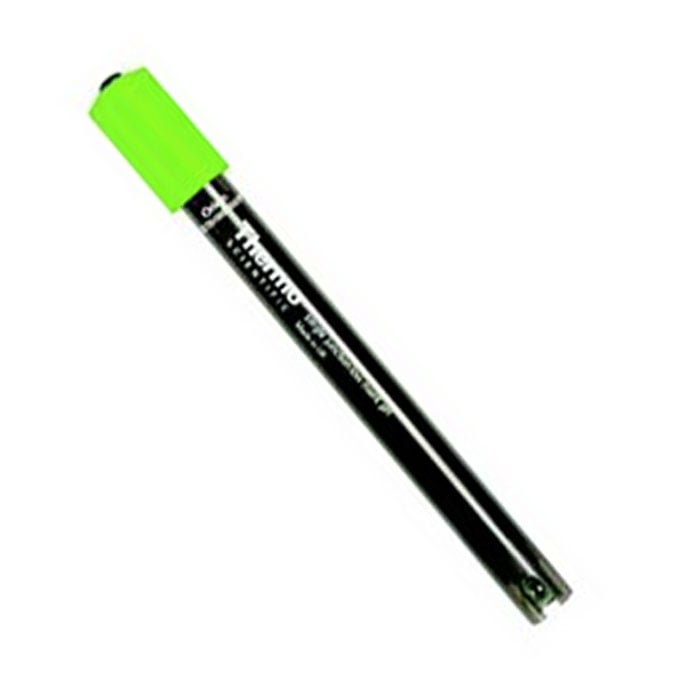
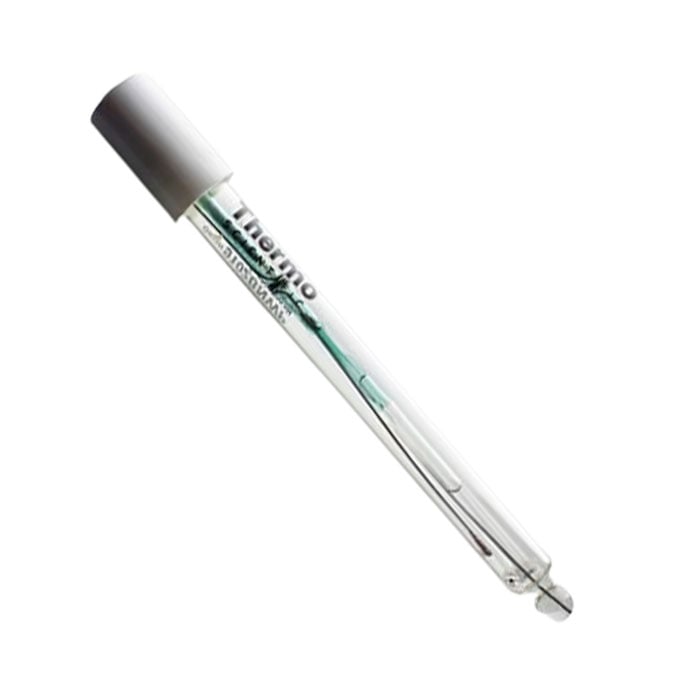
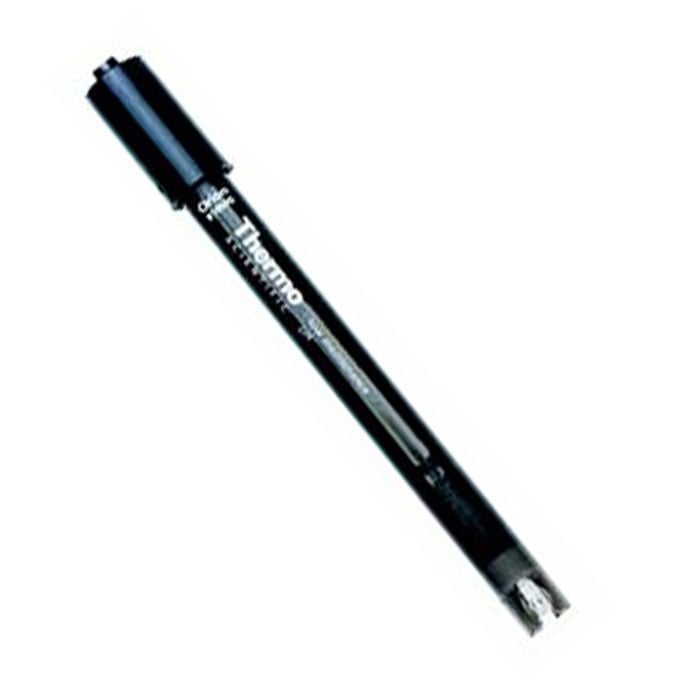
Orion Ag/AgCl
These three trade some precision and reference sophistication for a lower price, and differ from each other in body material, temperature range, and whether the fill is refillable.
 |
 |
 |
|
| Product Name | Orion Green pH Combination Electrode | Orion Combination pH Electrode | Orion Economy pH Combination Electrode |
| Product SKU # | GS9106BNWP GD9106BNWP GD9156BNWP |
9102BNWP | 9106BNWP |
| pH Range | 0–14 | 0–14 | 0–14 |
| pH Precision | 0.05 (Single junction) 0.02 (Double junction) |
0.02 | 0.05 |
| Temperature Range | 0–90°C | 0–90°C | 0–80°C |
| Internal Reference | Ag/AgCl Ag/AgCl Double junction |
Ag/AgCl | Ag/AgCl |
| Junction | Glass capillary | Ceramic | Wick |
| Fill Solution (SKU) | 910008-WA | 4 M KCl w/ Ag/AgCl (900011) | Permanently gelled Ag/AgCl electrolyte |
| Material | Epoxy body | Glass body | Epoxy body |
| Refillable | Refillable/Low-maintenance gel-filled models | Yes | No |
| Length x Diameter x Tip | 120 mm x 12mm | 120 mm x 12mm | 120 mm x 12mm |
| Connector Type | Waterproof BNC | Waterproof BNC | Waterproof BNC |
| Key Features |
|
|
|
Frequently Asked Questions
What's the difference between a ROSS electrode and a standard Ag/AgCl electrode?
ROSS electrodes use a proprietary reference that gives 0.01 pH precision, the fastest response time, and the best response to temperature extremes. They also work well across various samples, including TRIS, protein, and sulfide samples. On the other hand, standard single- or double-junction Ag/AgCl electrodes offer 0.02 to 0.1 pH precision at a lower cost and are a good fit for general-purpose, everyday use.
Which junction should I use for dirty, viscous, or particulate-heavy samples?
Choose a Sure-Flow, sleeve, or laser-drilled open junction. It's the most clog-resistant option and is compatible with virtually all sample types, including soil, sludge, colloids, and organic solvents. Ceramic and glass capillary junctions work well for routine, cleaner samples, and wick or glass fiber junctions are a good match for aqueous samples in rugged epoxy electrodes.
Should I choose a refillable, polymer-filled, or gel-filled electrode?
Refillable electrodes require periodic filling and draining but deliver the best precision (0.01–0.02 pH), the fastest response time, and the longest warranty. Polymer-filled electrodes are sealed and low-maintenance, with a small trade-off in precision. Meanwhile, gel-filled electrodes are also sealed and low-maintenance, but are best suited to general-purpose use where the widest precision range (±0.02 to 0.1 pH) is acceptable.
Do I need a glass body or epoxy body?
Glass bodies are compatible with any sample, including solvents, and are easy to clean, but they're more fragile. Epoxy bodies are durable and rugged, with protective bulb guards, making them a better fit for field work, plant environments, and academic or classroom settings where breakage is a concern.
Do I need a separate ATC probe, or should I get a combination pH/ATC electrode?
A Triode combination electrode measures pH and temperature with a single probe and is the more convenient option for most users. If you already have a compatible pH electrode and just need temperature compensation, a separate ATC probe connected via MiniDIN, 8-pin DIN, or RCA (depending on your meter) will do the job.
How do I know which electrode fits my specific application?
Start with your sample type: is it clean or dirty, aqueous or non-aqueous, solid or liquid, biological or industrial? Then match that to a junction, a reference, and a body style. See the Select Your Electrode by Application tables above for pre-matched recommendations by industry and use case.
Have you decided which Thermo Scientific ORION electrodes you need? If you still need help, The Lab Depot team can assist you in finding the models. Contact us at 1-800-733-2522, email, or through live chat on our website.