

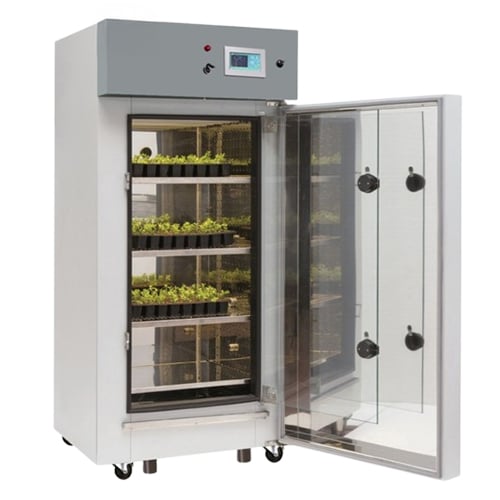
Growth Chamber: Growth chambers can achieve temperatures needed for seeds to develop. They can also adjust light settings to promote photosensitive processes and produce the recommended moisture level. Researchers can replicate seasonal or stress conditions through these units and conduct consistent multi-day viability studies.
Seed Viability Testing for Smarter Farming
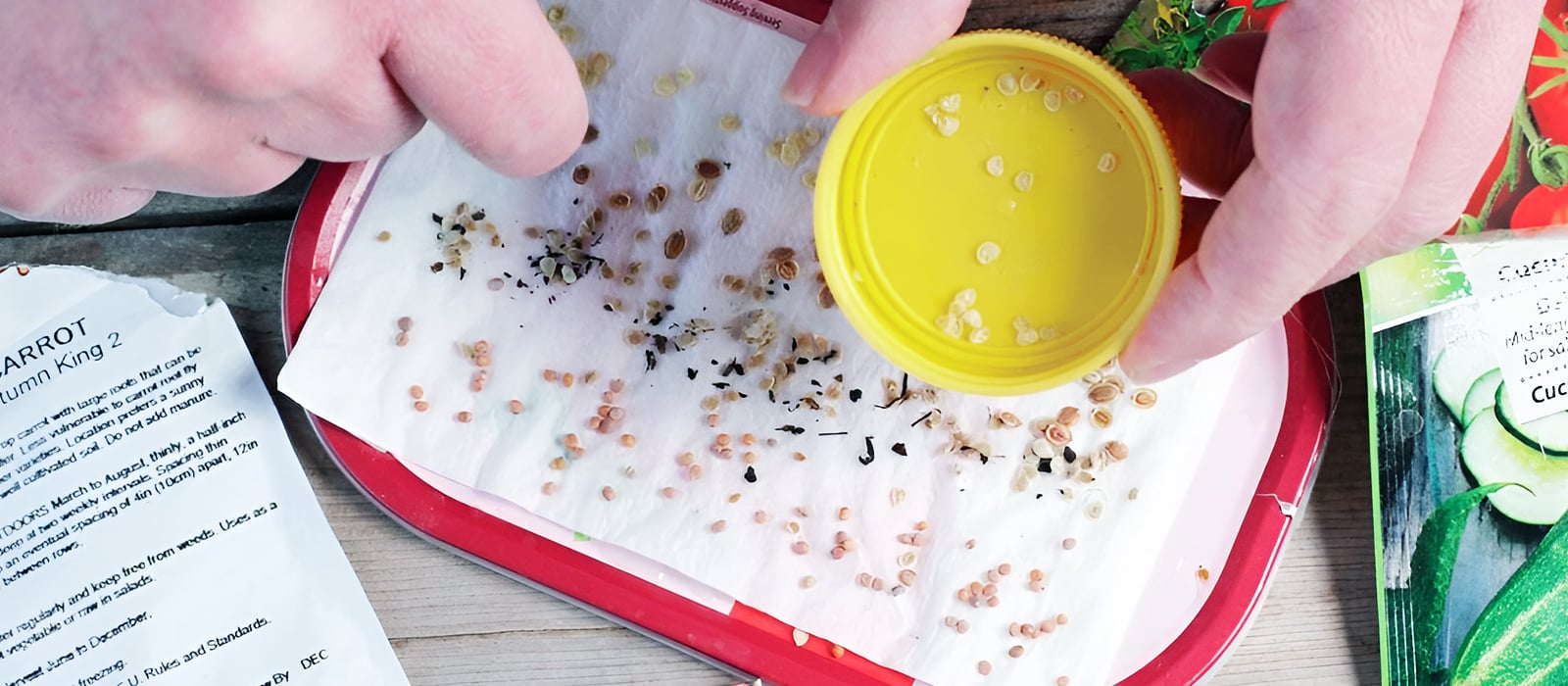
Discover how seed viability testing can boost germination, reduce waste, and support smarter, more efficient farming practices.
When planting seeds, whether crop, fruit, or vegetable seeds, there's no guarantee that all of them will grow. Fortunately, there is a way to work around this problem, and that is through seed viability testing. By understanding the viability of seeds, farmers and seed producers can make the best decisions and maximize successful germination.
What is Seed Viability?
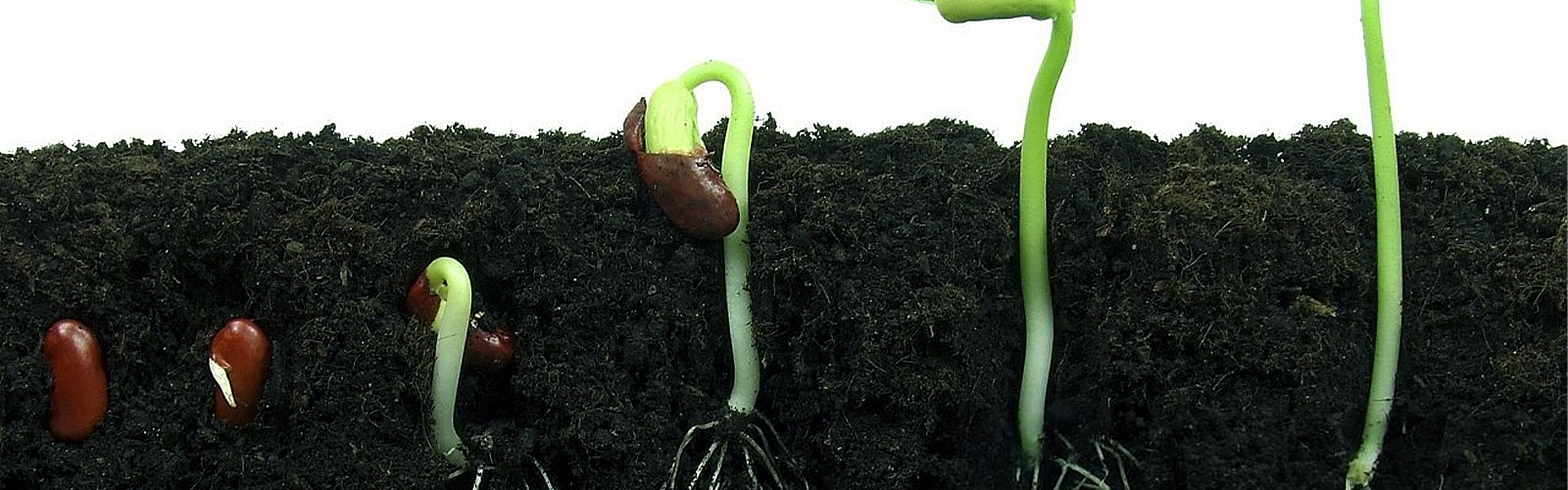
Seed viability pertains to the potential of seeds to germinate and eventually grow into a normal seedling. Viable seeds contain a healthy embryo with intact metabolic functions and sufficient nutrient reserves for germination.
However, some seeds can be viable but dormant. Where viability refers to the likelihood of growth, dormancy is a natural survival mechanism preventing seeds from germinating until the right conditions are met. Simply put, viable and dormant seeds are alive, except the latter requires an extra nudge to wake up.
Why Seed Viability Matters
At face value, knowing which seeds are viable increases the rate of planting success. However, it is also about effectively managing resources. Viability testing benefits seed companies by ensuring excellent seed quality and helping farmers select the best seed lots. It also aids the efforts of gene banks to monitor long-term storage and conservation efficiently.
How to Test for Viability
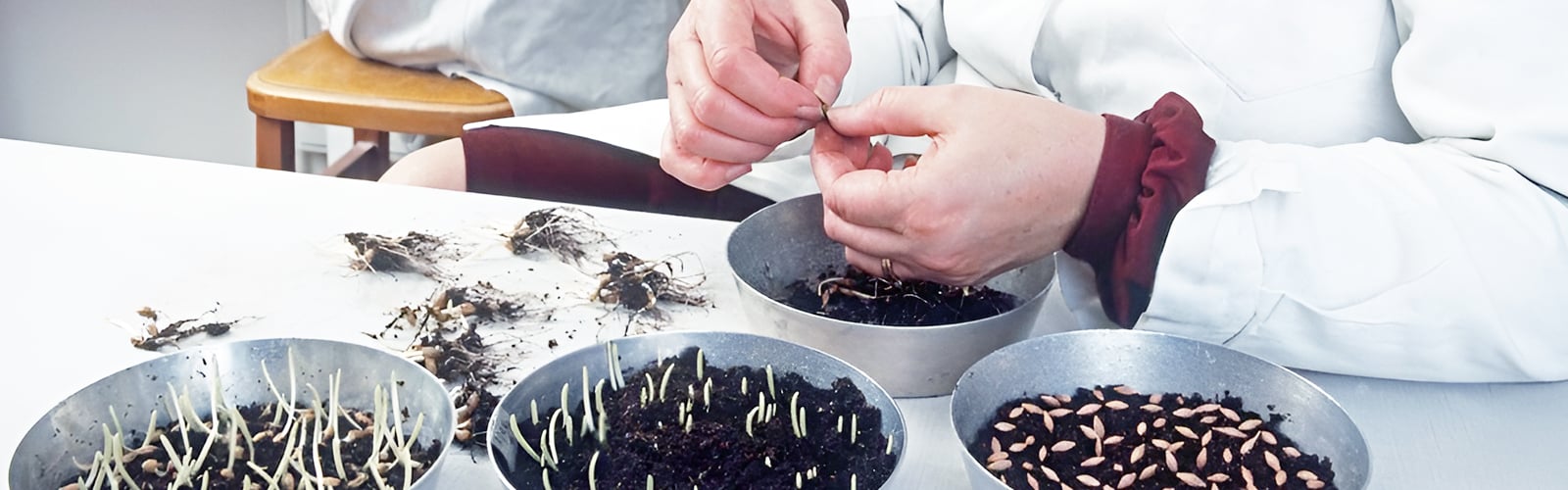
Seed technologists and scientists use various methods to assess seed viability. Performing these tests will ensure that batches are healthy and effective and determine which seeds are ready for planting.
Standard Germination Test
The most commonly used method, this test involves placing seeds under optimal temperature, moisture, and light conditions to measure the percentage that germinate within a specific timeframe. Seeds are monitored over 7 to 21 days, depending on the species being tested, to allow sufficient time for normal germination to occur.
Tetrazolium Test
In this rapid biochemical test, seeds are soaked, cut open, and treated with tetrazolium chloride. Viable cells stain red, while non-viable ones remain colorless. This test is ideal for dormant seeds or quick viability assessments when time is limited.
Accelerated Aging Test
Seeds are exposed to high heat and humidity for several days to simulate aging, then tested for germination to predict how long a seed lot will maintain viability in storage. A low post-aging germination rate means the seed lot may deteriorate quickly in storage, while a high rate indicates good long-term viability.
Cold Test
This stress test simulates early spring planting conditions. Seeds are placed in cold environments with high moisture levels before growing under standard conditions. It measures how well seeds perform under stress and helps determine which seed lots are suitable for cool or wet field conditions.
Which Laboratory Tools Are Needed?
Various laboratory supplies and equipment are needed to simulate natural conditions and measure biological responses. Aside from germination trays, humidity domes, and blotting paper, these essential lab tools are necessary to test for viability:
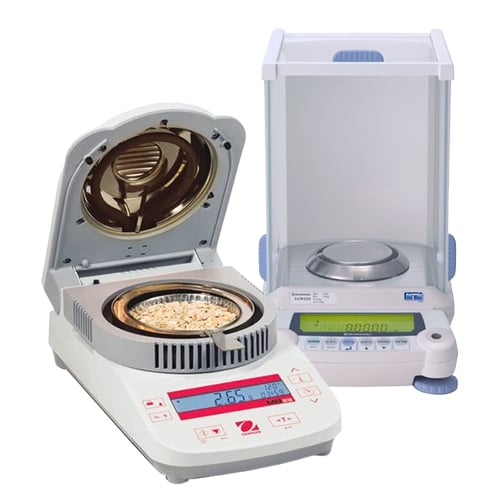
Moisture Analyzer and Analytical Balance: Moisture analyzers determine how much moisture content is present in seeds through thermogravimetric or halogen drying methods. On the other hand, analytical balances measure the weight of seeds to the nearest 0.1 mg before and after testing, proving to be most useful for small or lightweight seeds.
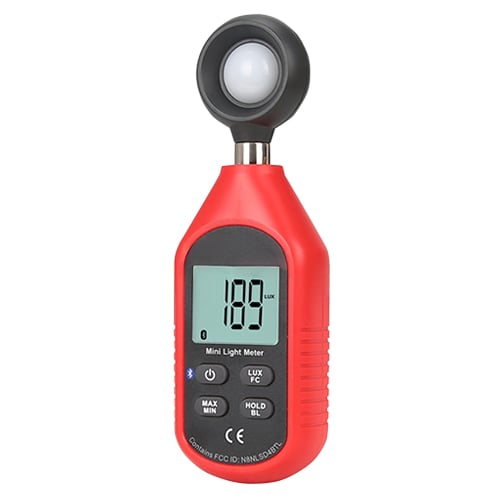
Light Meter and Environmental Sensor: Light meters verify that light levels meet species-specific requirements, while environmental sensors help detect fluctuations that could affect test accuracy. These pieces of equipment are a must-have since light intensity, temperature, and humidity must be continuously monitored to ensure optimal germination conditions.
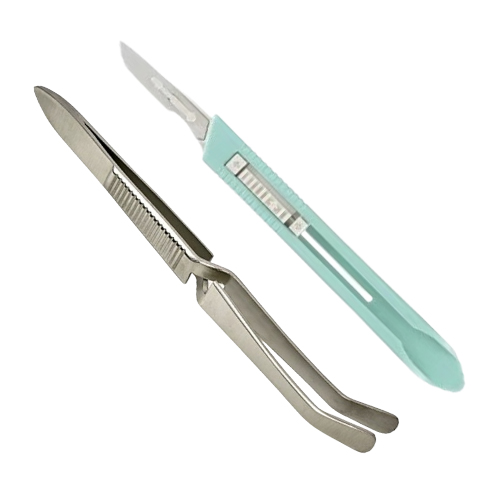
Sterile Tools and Handling Equipment: like forceps, scalpels, and seed counters are used during testing and preparation. Maintaining cleanliness and precision in handling helps reduce contamination and ensures the integrity of each test.
Investing in correct and high-quality laboratory equipment is a must to guarantee accurate data collection when conducting different testing methods. Ensuring that seed viability assessments are precisely done will benefit seed producers, agricultural professionals, and researchers.
For reliable moisture analyzers and other essential lab equipment, browse the expansive product inventory at The Lab Depot. Contact our team at 1-800-733-2522, email, or through live chat on our website for expert support.
Sources:
https://www.seed.nd.gov/lab-services/seed-quality-lab/viability-tests
https://passel2.unl.edu/view/lesson/568bb80a6749/1
https://plantpropagation.org/seed-viability-testing/
https://www.agrifarming.in/seed-viability-test-procedure-and-methods
https://www.mrclab.com/growth-chambers-for-seeds-germination-plants-and-insects