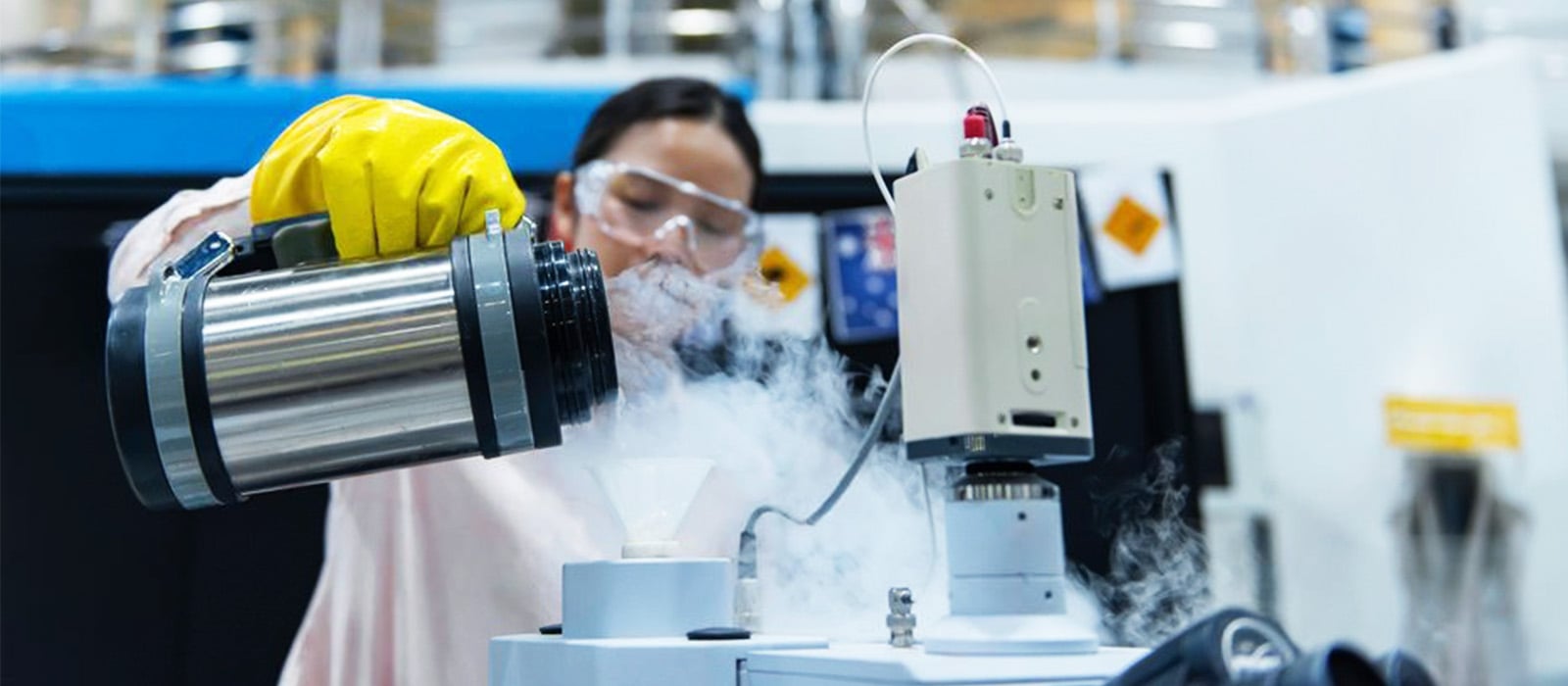
Cryogenic liquids, also called cryogens, cryogenic fluids, cryofluids or refrigerated liquefied gases, are essential in cryopreservation, space science, and other applications, but handling them comes with serious safety responsibilities.
Liquid nitrogen may be the most familiar cryogenic fluid, but it's far from the only one used in laboratories and industries. Some of the common cryofluids include liquid oxygen, liquid helium, and liquid hydrogen, each with its own characteristics and functions.
When these liquified gases reach freezing temperatures below -238°F (-150°C), even brief contact can cause lasting harm. Understanding the properties of these substances is the first step. But knowing the risks is what makes a working environment safe.
Working with refrigerated liquefied gases poses several hazards. Here's what you need to watch for and how to respond.
Exposure to cryogenic liquids or their vapors can cause the skin and tissue to instantly freeze, resulting in severe frostbite or cold burns, also known as cryogenic burns. Worse, these injuries can occur without direct liquid contact since supercooled vapors are enough to cause damage or, worse, potential amputation, if exposed for a long time.
Cryofluids quickly expand when warmed. If stored in a sealed or unsuitable container, pressure can build quickly and cause an explosion. When that happens, it can lead to serious injuries, chemical spills, and damage to equipment or the surrounding area, often requiring trained professionals to step in for cleanup and safety control.
Liquid hydrogen is highly flammable, and liquid oxygen can intensify combustion. Even minor leaks in these substances can be dangerous.
Eliminating ignition sources using a Class B or D fire extinguisher after an explosion will prevent further damage. Evacuating and isolating the area is also highly recommended.
Each of these risks underscores the importance of preparation. Now, let's look at the gear that helps prevent these situations in the first place.
Using proper PPE is more than a mere recommendation when working with cryogenic materials; it's a must. Due to the extreme cold and potential chemical reactions involved, improper gear (or none at all) can have irreversible effects.
Face and Eye Protection
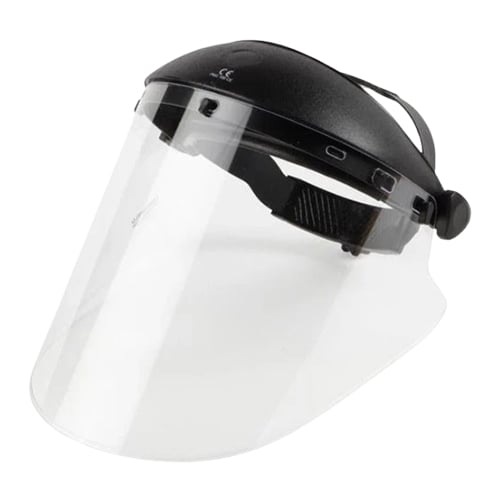
Use a goggle to seal out vapors and a face shield to achieve full-face protection from unexpected splashes. They are most useful during transfers or processes that could release cold gas or droplets.
Having the right gear is half the job. How you use it is what keeps you safe. Always keep in mind that PPE works best when it's paired with good habits and proper training.
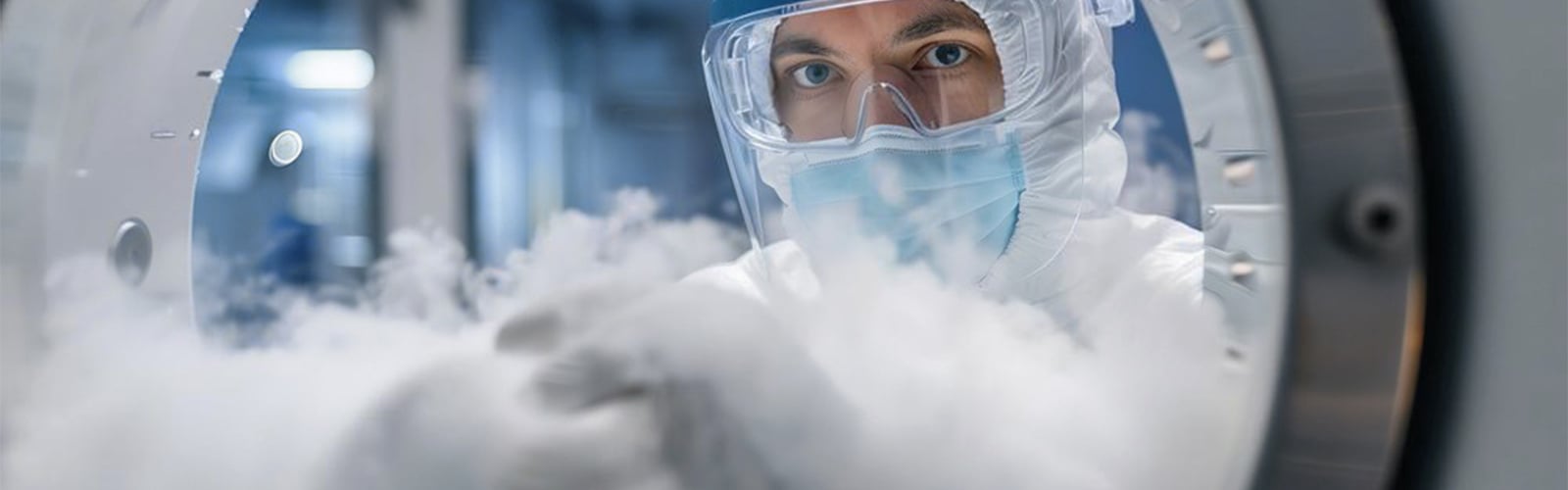
Important Cryogenic Safety Tips to Remember
Wear all necessary PPE
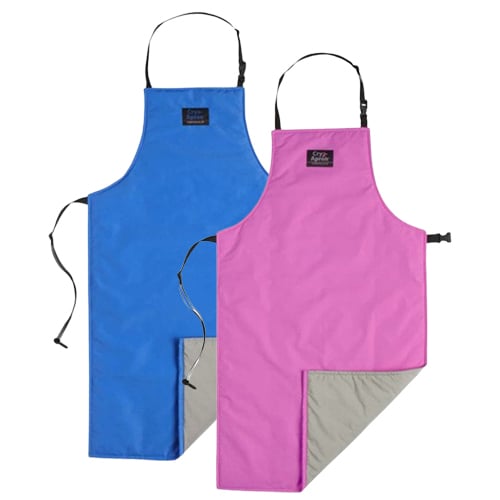
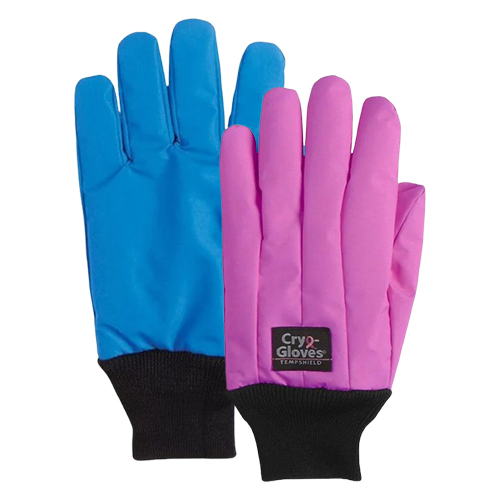
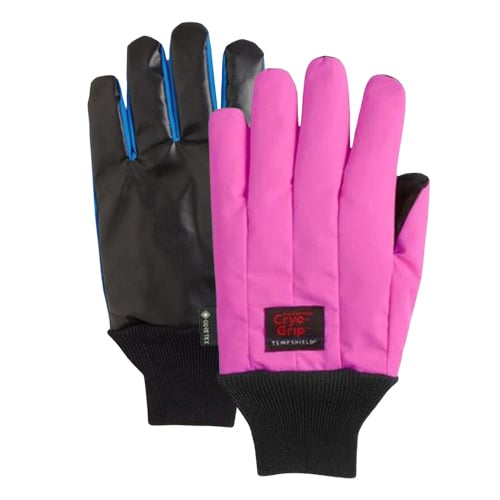
As outlined in the previous section, face shields, gloves, and gaiters, among other personal protective equipment, are required at all times Heathrow Scientific produces a line of Tempshield® products, including safety kits and waterproof gloves that are tested to provide protection from cryogenic hazards.
Use appropriate containers
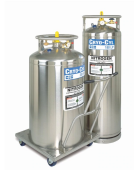
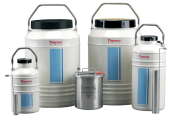
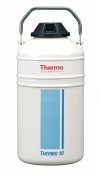
Although regular laboratory tools are durable, they can become brittle when exposed to extremely low temperatures. Cryogenic storage dewars, which are specialized vacuum flasks designed to hold cryogens, feature advanced insulation materials and construction that are vital for maintaining high thermal efficiency.
Ensure your piping system is properly insulated
When dispensing cryofluids, using a designated and well-insulated transfer hose helps prevent leakage or spills. On a similar note, transferring cryogens requires caution and patience to avoid vapor release, rapid boiling, and overfilling dewars.
Work in a well-ventilated space
Oxygen is displaced when cryogenic fluids evaporate; therefore, working with cryogens in a confined space poses a high risk of asphyxiation. For added security, install oxygen sensors, especially if your workspace lacks sufficient ventilation.
Working with refrigerated liquefied gases doesn't have to be intimidating. When you pair the correct tools with careful habits and a good understanding of the risks, these materials become manageable and useful in various applications, from medicine to aerospace research.
Do you need cryogenic gloves and gaiters? The Lab Depot offers top-quality lab products designed for cryogenic applications! Our expert and professional sales team is ready to help if you have product concerns. Contact us at 1-800-733-2522, by email, or through the live chat feature on our website.
Sources:
https://ehs.oregonstate.edu/sites/ehs.oregonstate.edu/files/pdf/si/cryogenics_si.pdf
https://ehs.cornell.edu/research-safety/chemical-safety/laboratory-safety-manual/chapter-16-physical-hazards/1610-0
https://umdearborn.edu/environmental-health-and-safety/lab-safety/chemical-safety/cryogenic-liquids-use
https://demaco-cryogenics.com/blog/all-about-cryogenic-fluids-characteristics-qualities-and-applications
https://www.labmanager.com/cryogenic-safety-procedures-19993
https://www.co2meter.com/blogs/news/what-is-cryogenics