

Quality Assurance in Dairy Processing: Managing Hygiene, Composition, and Shelf Life
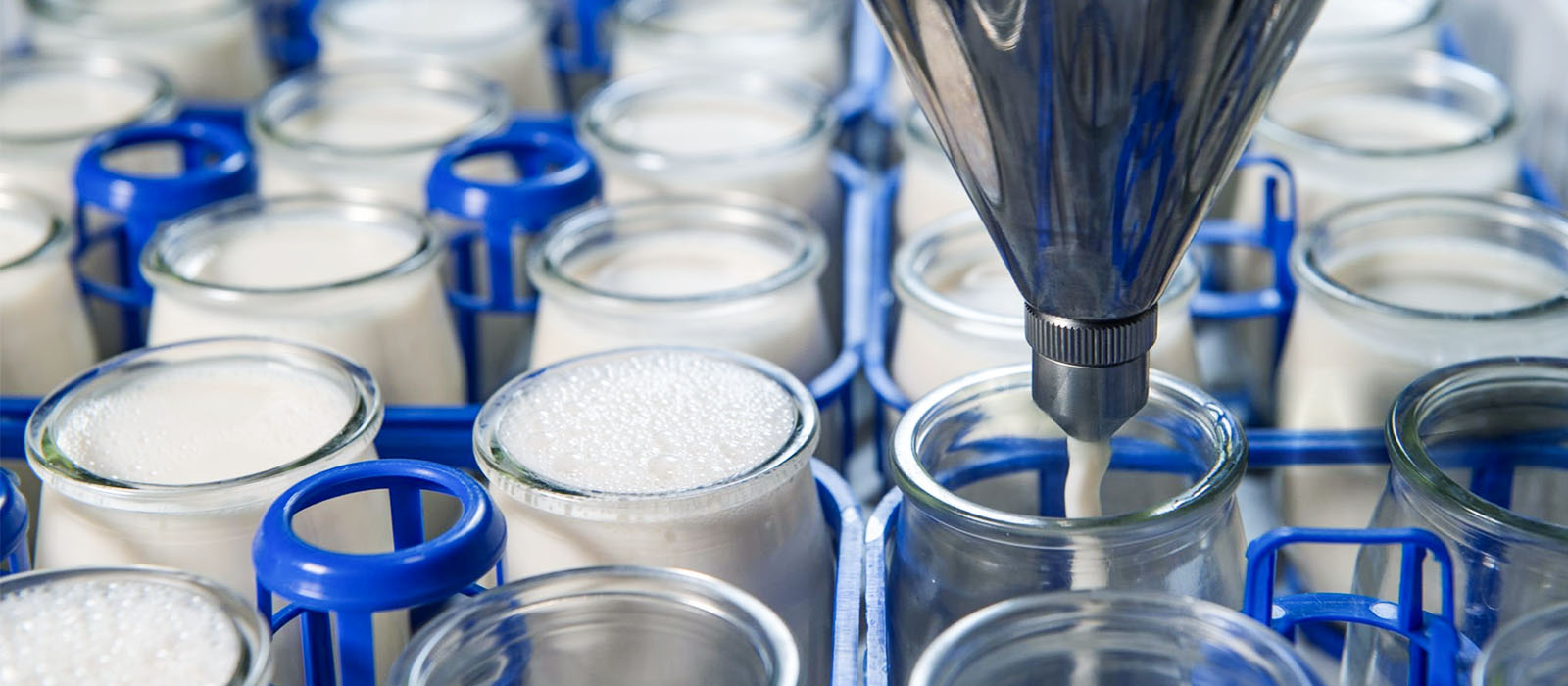
Learn how quality assurance shapes dairy processing, from hygiene monitoring and fat testing to shelf-life studies and lab equipment needs.
Quality assurance (QA) is non-negotiable in dairy production. Failure at any stage, from collecting raw milk to shelving packaged products, means failing to ensure food safety.
Most dairy QA programs rest on three pillars: hygiene and sanitation, chemical composition and fat analysis, and shelf-life management. Each pillar depends on its own testing protocols and lab instruments, and weakness in any one of them puts the other two at risk.
Hygiene and Sanitation in Dairy Processing

Milk has high water activity, near-neutral pH, and plenty of nutrients, making it an ideal environment for spoilage organisms and pathogens.
Cold-tolerant bacteria can multiply, ruining the product's flavor and cutting its shelf life. Coliform presence indicates systemic sanitation failures. More critically, Listeria monocytogenes thrive in cold, damp places for years, posing a severe product recall risk.
Testing Protocols in a Hygiene Program
A hygiene program includes swab testing and alkaline phosphatase (ALP) testing to ensure proper and safe dairy processing.
Environmental and Surface Monitoring
Swab testing of stainless steel tanks, piping, valves, and drains, paired with ATP bioluminescence monitoring, gives QA teams a fast readout on how clean a surface is after a wash cycle. ATP testing measures residual organic material in seconds rather than the hours or days needed for a culture result, which makes it useful for verifying a line before it goes back into production.
Pasteurization Verification
Running an ALP test is how you confirm a batch actually hit its required time and temperature targets. Since raw milk naturally contains ALP, proper heat treatment destroys the enzyme. ALP also survives heat better than the pathogens pasteurization is meant to eliminate, which is why it works as a marker. If the enzyme is gone, whatever pathogens were present are gone too. If an ALP test comes back positive after processing, you're either looking at a failure to reach full temperature or raw milk sneaking in after the hold tube.
Essential Hygiene Lab EquipmentContamination Control
For a hygiene lab to be fully functional, it should have dependable incubators, autoclaves, and a steady supply of sterile sampling tools.
| Equipment | Functions |
|---|---|
| Incubator and Water Bath | For total plate counts, coliform counts, and other culture-based methods |
| Autoclave | To sterilize culture media, sample bottles, and tools between uses |
| Petri Dish, Sterile Swabs & Culture Media | For microbial monitoring, environmental sampling, and pasteurization checks |
Fat Content and Chemical Composition Analysis

Clean milk still needs to hit exact compositional targets, such as the butterfat percentage, moisture content, and solids-not-fat. These are responsible for cheese yield, mouthfeel, and recipe consistency, so tracking them closely will help avoid burning profit margins or risking compliance issues.
Core Analytical Methods
Three core analyses handle the bulk of lab throughput, and each serves a distinct purpose, so swapping one out for another is not advised.
Centrifugal Fat Determination
Gerber and Babcock tests use acid to dissolve proteins, allowing centrifuges to force fat into a graduated column for a direct percentage reading. Gerber testing requires a narrow, calibrated butyrometer, while the Babcock method uses a wider-mouthed test bottle.
pH and Titratable Acidity
Monitoring lactic acid development is the best way to check if your starter cultures are working. Standard glass-bulb pH probes struggle in cheese vats because milk fats and proteins form a film over the bulb, which clogs the sensing junction and causes measurement drift. ISFET probes solve this by swapping the fragile glass bulb for a flat, solid-state sensor that resists organic buildup. Because of this anti-fouling design, ISFET sensors hold calibration much longer and deliver reliable automated readings.
Total Solids / Moisture Control
Forced air drying ovens remain the official reference standard, though quick-turn process control relies on desktop analyzers checked periodically against that oven baseline. Moisture analyzers pair halogen or infrared heating with an integrated balance, cutting an hours-long oven cycle to minutes.
Equipment Behind Fat and Composition Testing
Heated centrifuges, anti-fouling pH sensors, and moisture analyzers are some of the required lab equipment for accurate fat content and chemical composition analysis.
| Equipment | Functions |
|---|---|
| Heated Centrifuge and Test Glassware | For separating and reading fat percentage in Gerber and Babcock testing |
| Water Bath and Acid Dispenser | For preparing samples and bringing them to the correct temperature before centrifugation |
| ISFET / Anti-Fouling pH Sensor and Auto-Titrator | For consistent pH and titratable acidity readings that resist fouling from milk fat and protein |
| Moisture Analyzer and Precision Balance | For fast total solids and moisture checks, validated against oven reference results |
Shelf-Life and Stability Testing

A product batch can pass a lab check at packaging and still spoil on the store shelf. When shelf-life issues occur, they can be caused by enzymes that survived heat treatment or fat oxidation causing off-flavors. They can also be due to post-pasteurization bugs entering through dirty filler nozzles or bad seals.
Testing Workflows for Longevity
Shelf-life work generally comes down to two questions: how a product ages under conditions that force the issue quickly, and how it holds up under the conditions it will actually face on the way to a customer. The workflows below cover each one.
Accelerated Shelf-Life Testing (ASLT)
Rather than waiting weeks or months for a product to age naturally, ASLT holds samples at elevated temperatures to speed up the chemical and microbial changes that would eventually cause spoilage, giving a plant an early read on how a formulation or packaging change is likely to perform under normal conditions.
Cold Chain and Storage Stability Monitoring
This tracks how milk, yogurt, butter, and other products actually hold up under the refrigeration conditions they will see in distribution and on a retail shelf, including physical changes like syneresis (the watery layer that separates on top of yogurt) that have nothing to do with microbial safety but everything to do with consumer perception.
Supporting Equipment for Shelf-Life and Stability Testing
Cold storage units, incubators, and spectrophotometers are some of the required lab equipment for reliable shelf-life and stability testing.
| Equipment | Functions |
|---|---|
| Refrigerated Incubator & Environmental Chamber | For tracking microbial growth and physical stability during a study |
| Spectrophotometer & Colorimeter | For measuring lipid oxidation, tracking color drift, and catching early stage browning reactions |
| Refrigerator & Freezer | For holding retention samples for the full length of a product’s claimed shelf life |
Best Practices for an Efficient Dairy QA Lab

The equipment matters, but so does how a lab is organized around it. A few habits separate labs that catch problems early from labs that find out about them from a customer complaint.
-
Keep wet chemistry and microbiology physically separate. Acid handling for fat testing and general chemistry work should not share bench space with sterile microbiological testing. Cross traffic between the two areas is one of the more common, and more preventable, sources of contaminated plate counts.
-
Follow a hard calibration schedule. Temperature sensors, laboratory balances, and pH meters drift over time without showing obvious warning signs. Stick to the schedule to ensure your data is accurate and reliable, and regularly update your calibration logs.
-
Treat sample collection as the real starting point. If a sample gets contaminated while being pulled from a tank, the rest of the lab work is wasted effort. Use leak-proof sterile containers, dedicated pipettes, and properly sanitized homogenizers to avoid collection errors.
Quality testing in dairy processing requires dependable tools you can trust. The Lab Depot carries lab equipment and supplies from leading manufacturers to support your QA workflows. Get in touch with our specialists at 1-800-733-2522, email, or through live chat on our website to find the right solutions for your dairy plant.
Sources:
https://www.intechopen.com/chapters/58924
https://www.dairyaustralia.com.au/milking/milk-quality-and-mastitis/dairy-hygiene
https://www.thinkusadairy.org/quality-assurance
https://www.fao.org/fileadmin/user_upload/livestockgov/documents/CXP_057e.pdf
https://www.zwirnerequipment.com/blog/quality-control-in-dairy-processing/
https://recorderchartsandpens.com/blog/the-importance-of-temperature-control-in-dairy-operations/
https://mitti.com/topics/farm-management/dairy-production-and-management
https://smartfoodsafe.com/dairy-food-safety-challenges-solutions/