

Preservative Efficacy Testing Prevents Microbial Contamination in Cosmetics
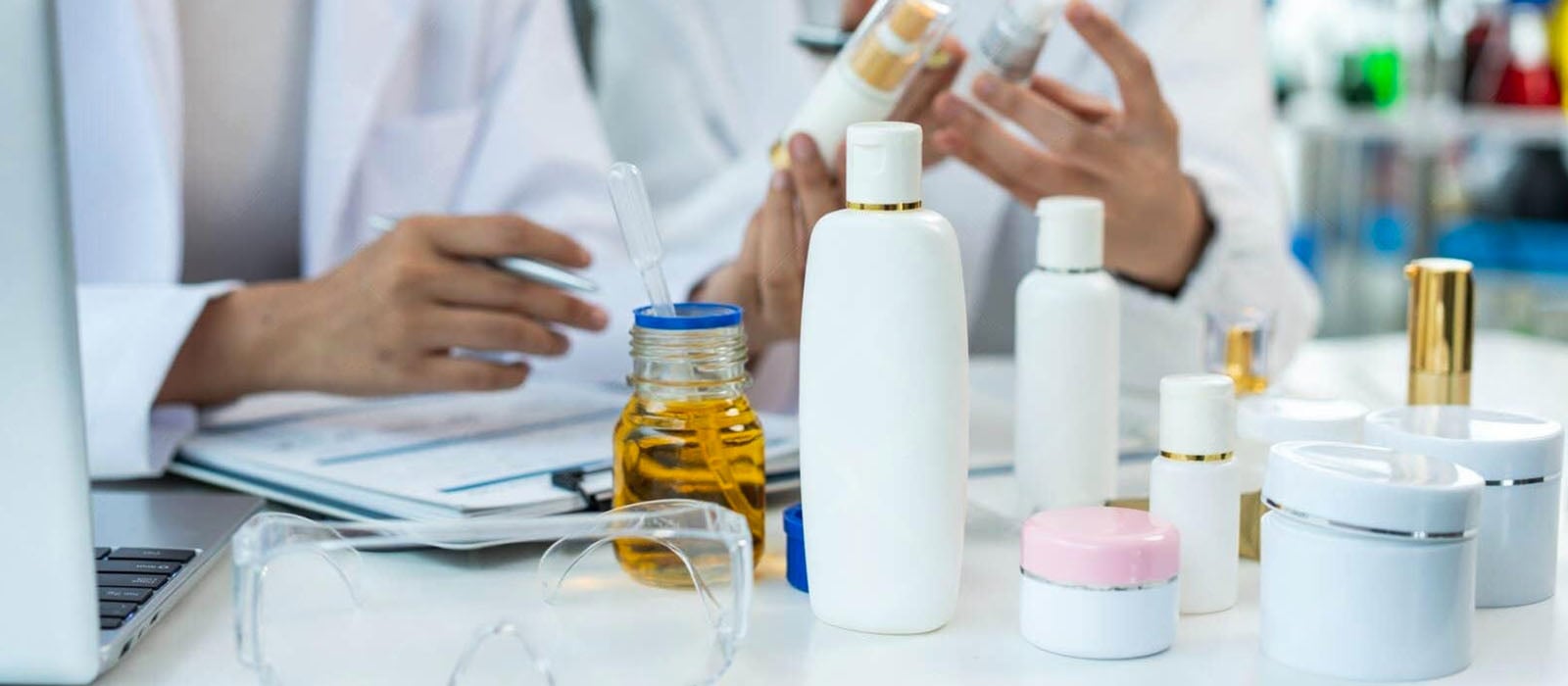
Protect your cosmetic formulation through preservative efficacy testing. Learn how USP 51 challenge tests evaluate microbial reduction in multi-use products.
Bacteria, yeasts, and molds don't need much to get established in a formulation. A trace of contaminated raw material, a splash of poorly treated process water, or a jar opened and closed with wet fingers every morning for three months can help bacteria, yeasts, and molds multiply, turning a cosmetic product into a health hazard and a commercial failure.
That's the risk that preservative systems manage, and it's the reason why regulators and manufacturers treat microbial contamination as one of the most consequential quality issues in the cosmetics industry. This is where preservative efficacy testing comes in.
What is Preservative Efficacy Testing (PET)?

Preservative efficacy testing is a laboratory method that measures how fast and effectively a product's preservative system reduces the growth of microorganisms inoculated at set concentrations into the cosmetic formulation. Evaluated over 28 days, it aims to ensure that multi-use products like cream and serum remain safe to use.
PET, also called antimicrobial effectiveness testing (AET) and cosmetic challenge testing, answers the underlying question: if this product were opened, used, and re-closed dozens of times by a real consumer over its shelf life, would the preservative system still be able to knock down whatever microorganisms got introduced along the way? PET answers that question before a product ever reaches a store shelf.
USP, ISO, and EU Requirements
Testing labs lean on one or more of the three standards, depending on where the product's headed:
-
USP 51 is the Pharmacopeia chapter used by U.S. cosmetic laboratories to guide inoculation, sampling schedules, and log-reduction interpretation. Labs rely on this pharmaceutical standard as the benchmark for proving preservative efficacy since the FDA doesn't mandate testing protocols for cosmetics.
-
ISO 11930 is the standard for cosmetics, and it's widely used in the EU and by manufacturers selling products globally. Beyond the challenge test itself, it also provides a risk-based way to interpret the results.
-
EU Regulation (EC) No. 1223/2009 doesn't prescribe a specific test method. It says the Cosmetic Product Safety Report must show the product is adequately preserved, which, in practice, means most water-based products go through ISO 11930 to meet that requirement.
USP 51 vs. ISO 11930 Requirements
| USP 51 | ISO 11930 | |
|---|---|---|
| Region typically used | U.S. | EU / International |
| Organisms tested | 5 fixed strains | Similar core panel, some regional variation |
| Criteria structure | Category-based (1-4) | Criteria A / Criteria B |
| Stringency | Fixed numeric log reduction | Risk-based, two-tier |
How Do Cosmetic Labs Conduct USP 51 Challenge Testing?
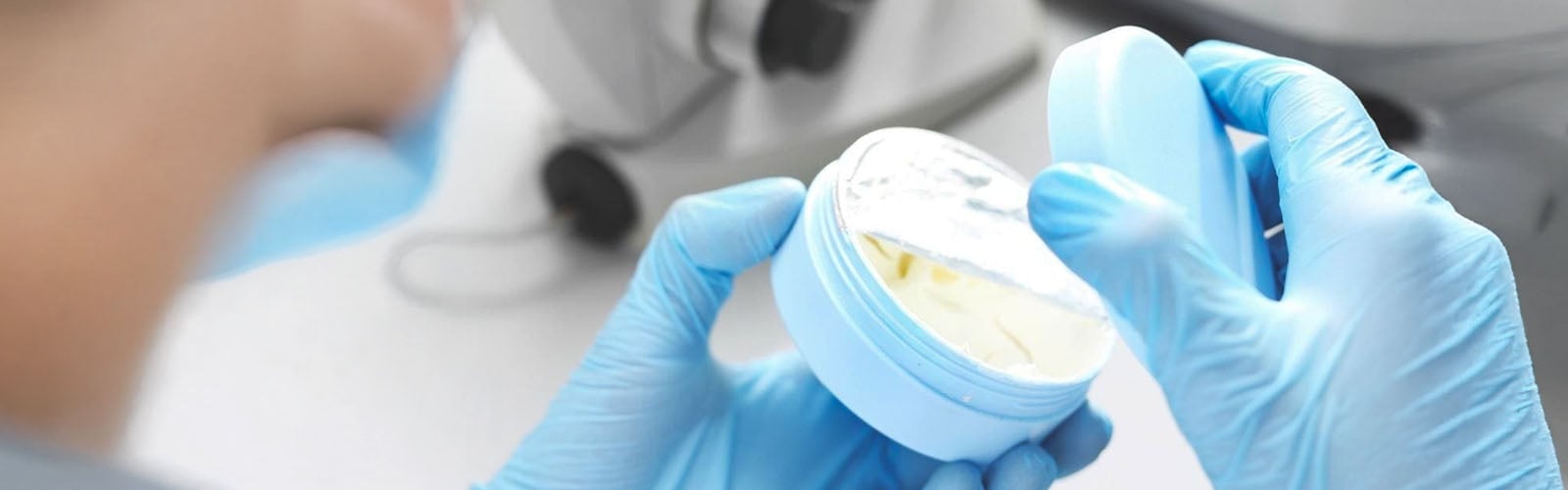
USP 51 challenge testing follows a defined, reproducible sequence: a product is assigned to one of four risk-based categories, its preservative system is challenged with a standardized panel of five microorganisms, and the surviving population is measured at set intervals over 28 days. Here's a clear look at every step of the testing process.
Step #1: Assign the product category.
Before any inoculation, the lab classifies the formulation according to USP 51's four compendial categories, based on route of exposure and associated risk. Most leave-on and rinse-off cosmetics, such as creams, shampoos, and other topically applied aqueous products, fall into Category 2. In contrast, eye-area and mucous-membrane-contact products sometimes warrant the stricter Category 1 criteria used for injectables and ophthalmic products. This classification determines which acceptance criteria the product will be evaluated for.
Step #2: Run method suitability.
With neutralization validation, the lab must confirm that its recovery method (neutralizing diluents, growth media, and dilution scheme) won't suppress or inactivate the preservative during testing. This is done by spiking a product-and-neutralizer mixture with a small, known number of organisms using calibrated pipettes, typically under 100 CFU, and confirming that 50% to 200% of them are recovered.
Step #3: Prepare and standardize the inoculum.
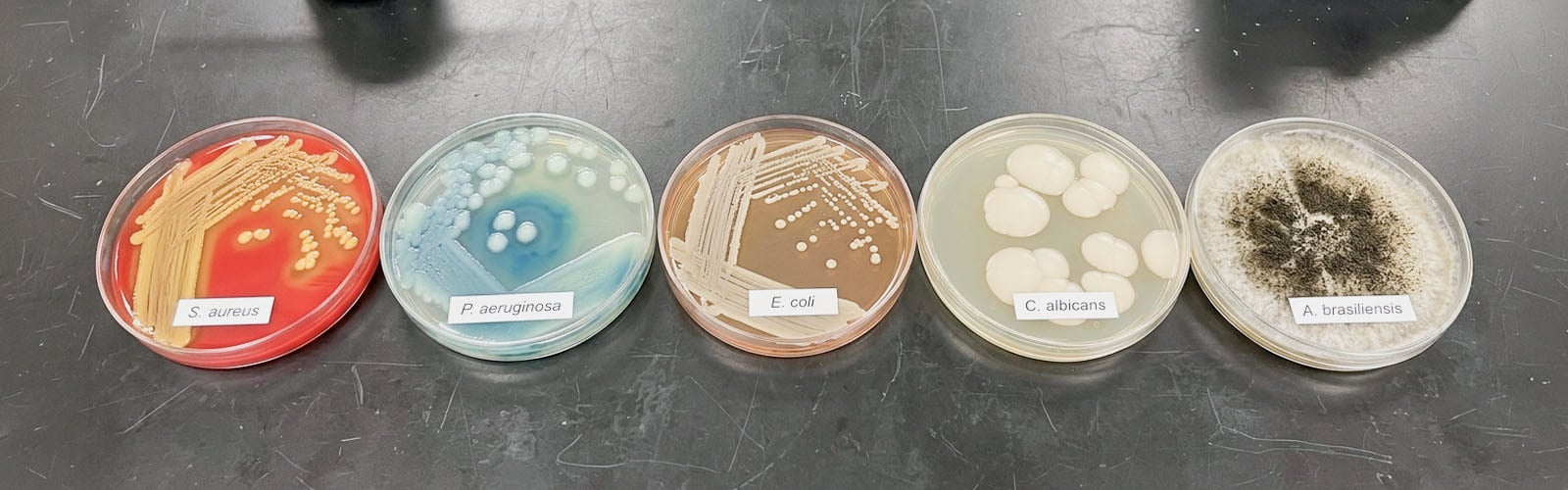
The five USP-specified challenge organisms are Staphylococcus aureus, Pseudomonas aeruginosa, Escherichia coli, Candida albicans, and Aspergillus brasiliensis. They are grown on culture media suited to each organism type: tryptic soy agar or broth for the bacterial strains; Sabouraud dextrose agar or broth for the yeast and mold. These reference organisms are then standardized to a defined concentration, yielding 1 × 10⁵ to 1 × 10⁶ CFU per milliliter when added to the product.
Step #4: Inoculate the product samples.
Inside a biosafety cabinet to keep the process sterile, each organism is introduced into its own separate aliquot of the finished product, never mixing them. Precision pipettes handle this step, since the inoculum volume needs to stay small relative to the product, generally between 0.5% and 1.0% of the total volume. This keeps the challenge from diluting or physically altering the formulation being tested.
Step #5: Incubate under controlled conditions.
Inoculated samples spend the full 28 days inside an incubator at a controlled room temperature of about 20°C to 25°C. Staying within that range keeps the test grounded in real storage conditions, since warmer temperatures can cause the microbial population to drop faster.
Step #6: Sample and plate at set intervals.
Aliquots are pulled from each inoculated sample on Day 0, Day 7, Day 14, and Day 28 using pipettes and mixed with a validated neutralizer. They're then plated onto culture media through validated dilution and pour-plate or spread-plate methods, giving surviving colonies room to grow into countable colony-forming units.
Step #7: Enumerate survivors and calculate log reduction.
Colonies on each plate are counted, and the reduction in population at every timepoint is expressed as a log₁₀ value. Log reduction is calculated as:
Log reduction = log10(N0) - log10(Nt)
In simple terms, the initial count's log value minus the count's log value at the timepoint you're checking.
Step #8: Compare results against acceptance criteria and report.
The log reduction (or, for yeast and mold, the absence of any meaningful increase) at each timepoint is checked against the numeric criteria for the product's assigned category, and the full dataset is compiled into a formal report suitable for regulatory or internal quality files.
What Lab Supplies and Equipment Does PET Require?
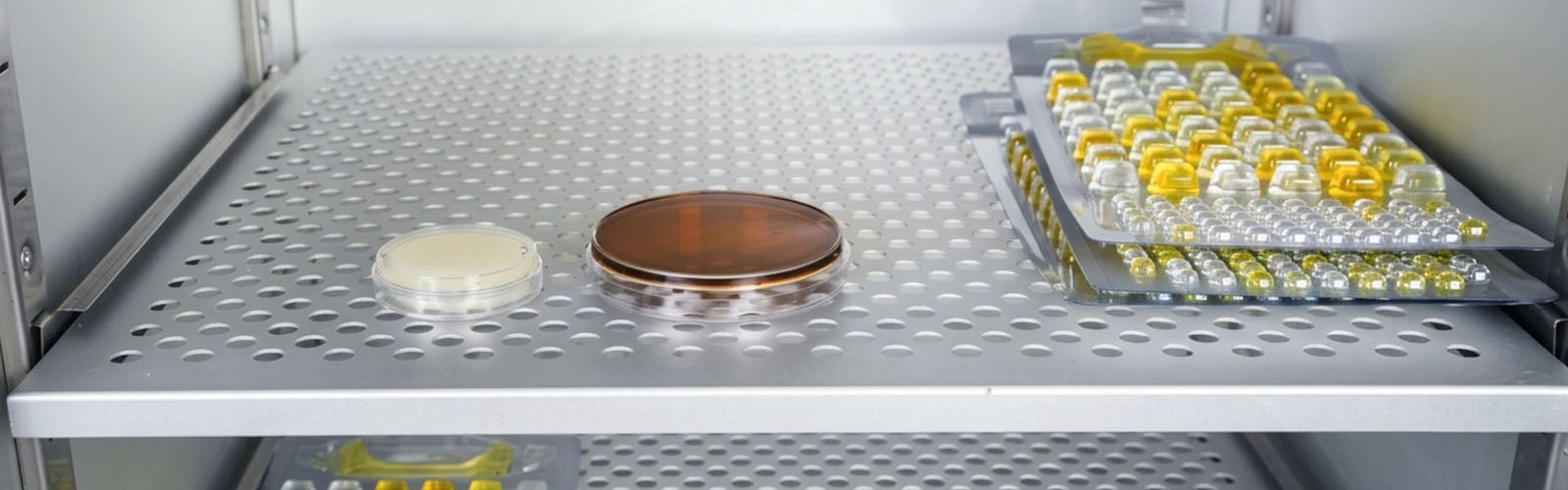
Preservative efficacy testing depends on four categories of lab essentials working together: sterilization and containment equipment (autoclaves, biosafety cabinets), measurement and preparation tools (analytical balances, pH meters, pipettes), growth and recovery equipment (culture media, incubators, colony counters), and the biological materials that drive the actual challenge (reference microorganisms, neutralizers and diluents). Each category covers a different stage of the test, from sterilizing supplies before inoculation to counting surviving colonies at the final timepoint.
| Supply/Equipment | Role in PET |
|---|---|
| Analytical Balance |
|
| Autoclave |
|
| Biosafety Cabinet |
|
| Colony Counter |
|
| Culture Media |
|
| Incubator |
|
| Neutralizers and Diluents |
|
| pH Meter |
|
| Pipette |
|
| Reference Microorganisms |
|
Looking to stock up on these lab supplies and tools? The Lab Depot offers PET essentials and more. For prompt assistance, contact our expert team at at 1-800-733-2522, email, or through live chat on our website.
Sources:
https://certified-laboratories.com/blog/what-is-preservative-efficacy-testing-pet-for-cosmetics/
https://preservativeefficacytest.com
https://adslaboratories.com/why_is_preservative_efficacy_testing_important_in_cosmetics/
https://www.mdpi.com/2079-9284/12/5/198
https://microchemlab.com/test/usp-51-antimicrobial-effectiveness-test/
http://www.uspbpep.com/usp31/v31261/usp31nf26s1_c51.asp
https://cptclabs.com/preservative-efficacy-testing-usp-versus-pcpc/
https://microbe-investigations.com/blog/difference-between-iso-11930-vs-usp-51-testing/
https://aelabgroup.com/skin-care-product-manufacturing-quality-control/
https://www.specialchem.com/cosmetics/guide/preservatives-for-cosmetic-formulations