

Organoid Research: Which Laboratory Equipment Do You Need?
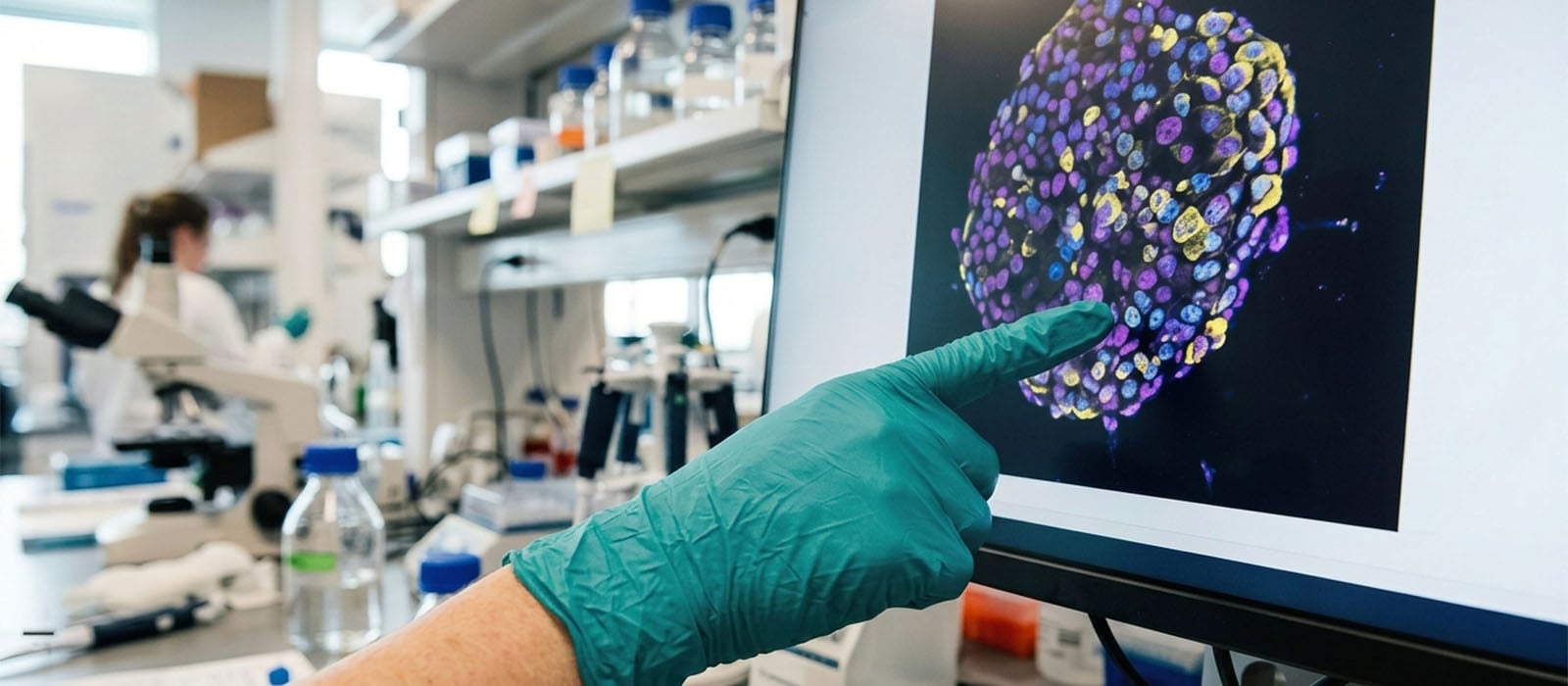
Learn about the powerful applications of 3D organoids and the essential laboratory equipment needed to advance your cellular research.
Understanding human disease and testing new life-saving drugs have long depended on two-dimensional (2D) cell cultures, in which cells are grown thinly on petri dishes. While highly accessible, 2D cell cultures have a fatal flaw: cells on a dish stretch out and lose their natural structural cues.
Given that cells behave differently than they would inside the human body, over 90% of promising new drugs pass pre-clinical trials only to fail when tested on real human patients. But this has changed with the advent of 3D organoids.
What are Organoids?
Organoids are small, three-dimensional, self-assembling multicellular microtissues grown from stem cells. They mimic the actual architecture, genetic profile, and tissue functionality of human organs.
These organoids have bridged the gap between basic cell culture and complex human physiology. However, scaling up organoid research requires more than just an updated cell line, as it demands bio-methodologies and laboratory equipment capable of culturing, sustaining, imaging, and analyzing these complex living structures
What are Organoids Used For?
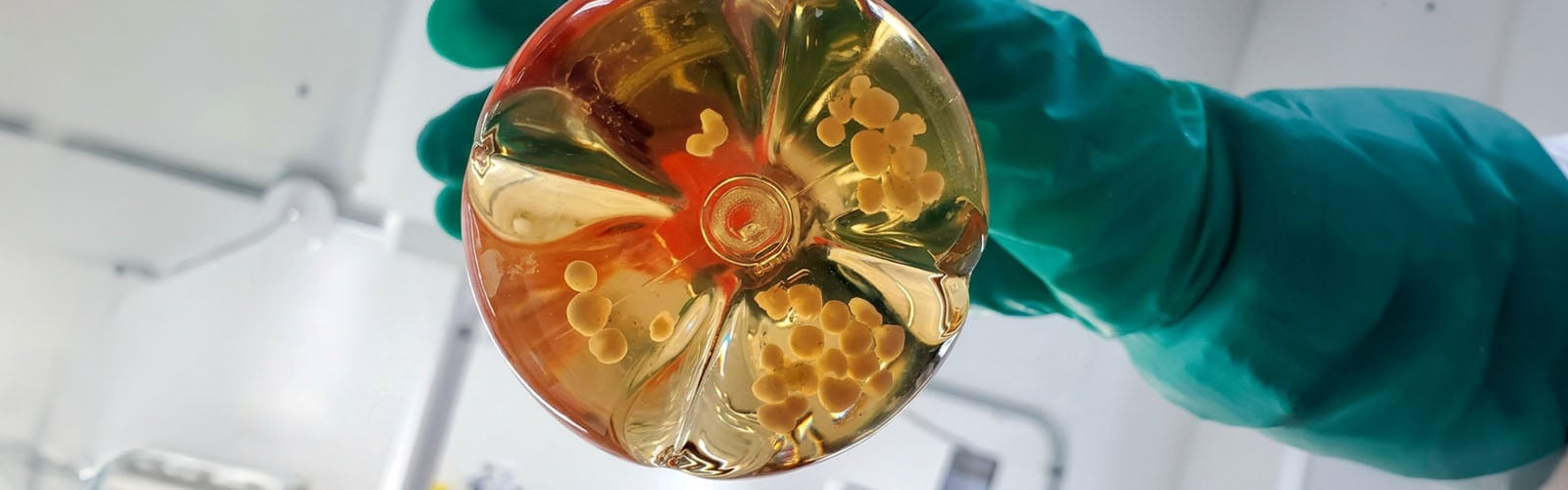
Organoids autonomously differentiate into organ-specific cell types. This unique capability unlocks three major areas of biomedical advancement:
Advanced Disease Modeling
Organoids allow researchers to study human tissue morphogenesis or how organs form and trace the exact pathways of genetic and infectious pathologies in a controlled environment, effectively creating a "disease-in-a-dish." For example:
-
Brain Organoids: Used to study complex neurodevelopmental conditions like microcephaly and map the direct effects of the Zika virus on embryonic neural tissue.
-
Intestinal and Lung Organoids: Utilized heavily during viral epidemics to investigate how pathogens like SARS-CoV-2 bind to and infect human epithelial barriers.
Patient-Derived Organoids
Nowhere is the impact of organoid technology felt more deeply than in modern clinical oncology. By taking a small biopsy from a patient's tumor, specialists can culture patient-derived organoids, frequently referred to as tumoroids.
These tumoroids preserve the genetic mutations, structural morphology, and cellular heterogeneity of the patient's tumor. With this, doctors can test a massive matrix of chemotherapies on cultured cells before treating the patient, eliminating agonizing clinical trial-and-error.
High-Throughput Drug Discovery and Toxicology
In traditional pharmacology, thousands of therapeutic molecules are weeded out early due to unforeseen toxicity or lack of efficacy in human tissue. Standardized organoid arrays enable pharmaceutical firms to conduct high-throughput screening.
Scientists can monitor how thousands of chemical compounds interact simultaneously with realistic human models, such as liver or kidney organoids. Catching cardiotoxicity or hepatotoxicity (liver damage) at this stage prevents hazardous compounds from reaching costly clinical trial phases
Laboratory Equipment for Organoid Research
Given that human organoids are sensitive to physical shear stress, atmospheric shifts, and batch-to-batch manual handling errors, labs must use clinical-grade hardware, such as the following:
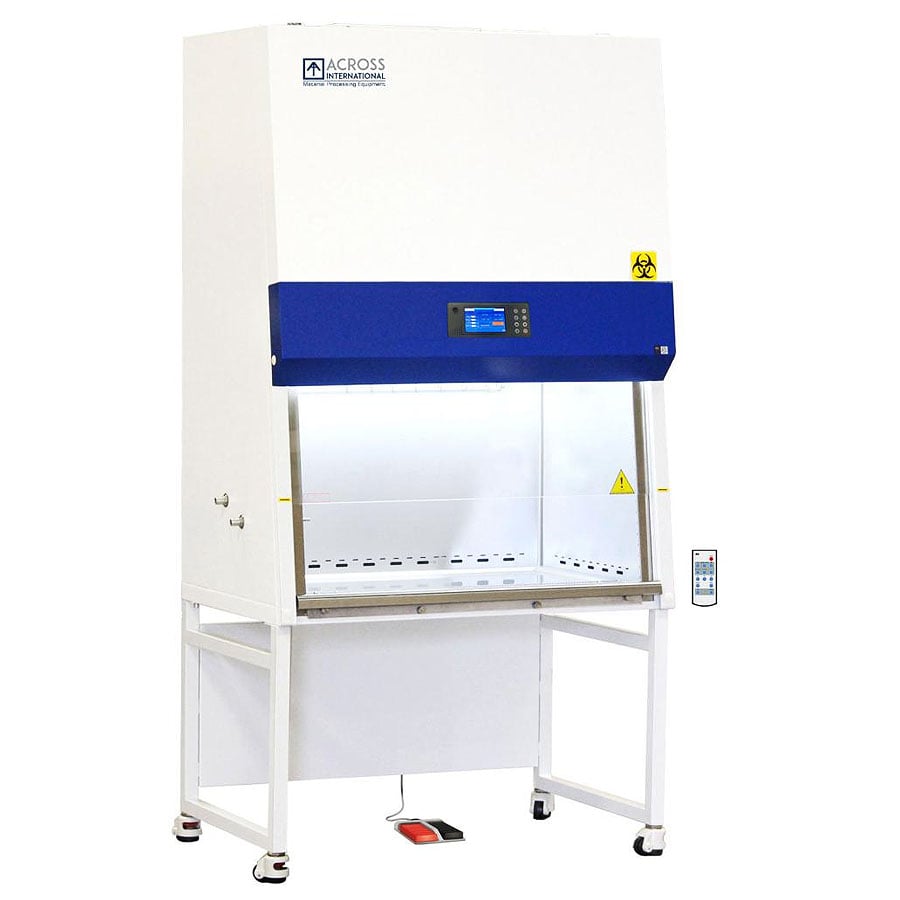
Class II, Type A2 Biosafety Cabinet: Heavy-duty, 6-foot laminar flow cabinets provide a sterile handling field. These systems use HEPA-filtered vertical airflow patterns to protect unverified primary patient biopsies from outside pathogens while simultaneously sheltering the lab technician.
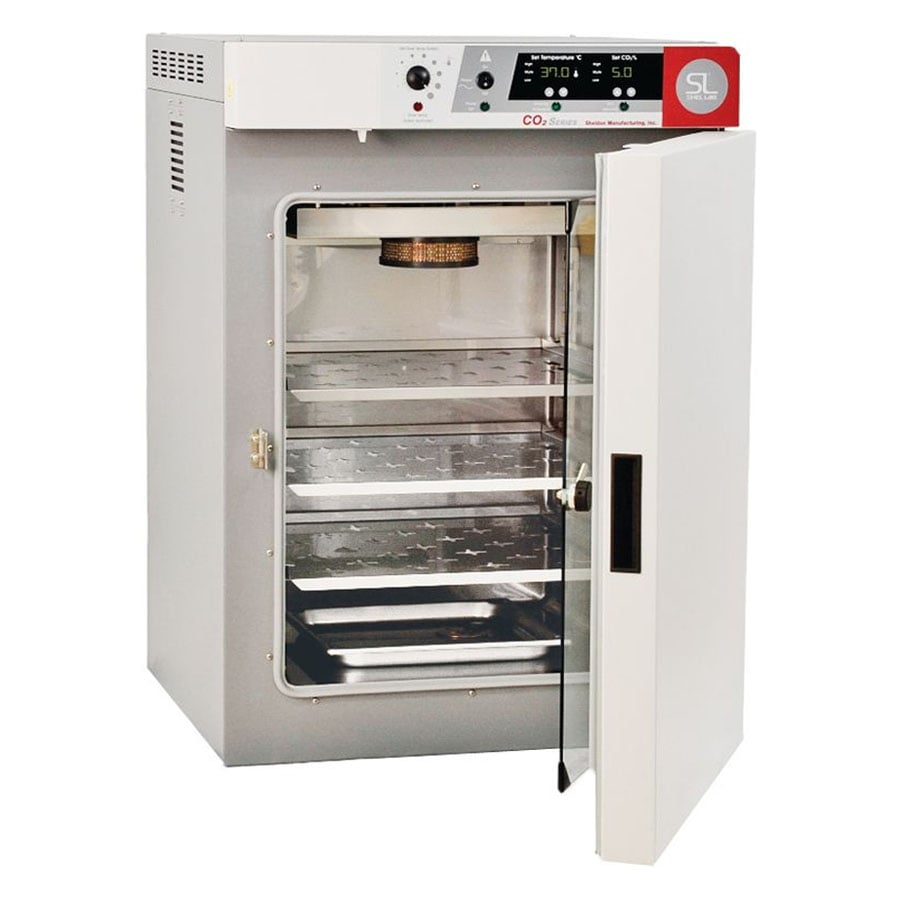
CO2 Incubator: Standard 2D cell cultures are exposed to normal atmospheric air (around 21% O₂), but tissues actually thrive in a low-oxygen, or hypoxic, environment that ranges from 1% to 10% O2. CO2 incubators today replicate these natural conditions by using automated nitrogen gas injection loops, lowering and stabilizing internal oxygen levels while maintaining a steady 5% CO2 concentration and a core body temperature of 37°C.
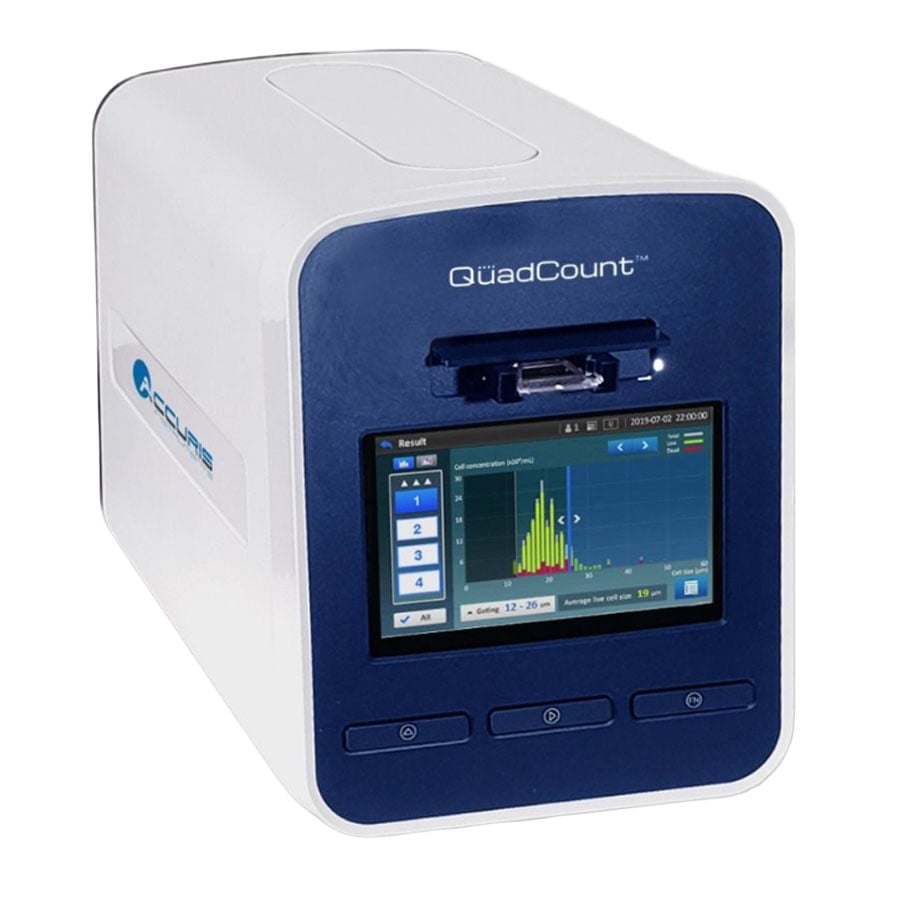
Automated Cell Counter: Given that cells are prone to mechanical bursting or lysing when handled roughly, automated cell counters use low-stress fluidics and advanced machine-vision technology to measure cell viability, cluster sizes, and seeding concentrations. They also eliminate the bias of manual human counting.
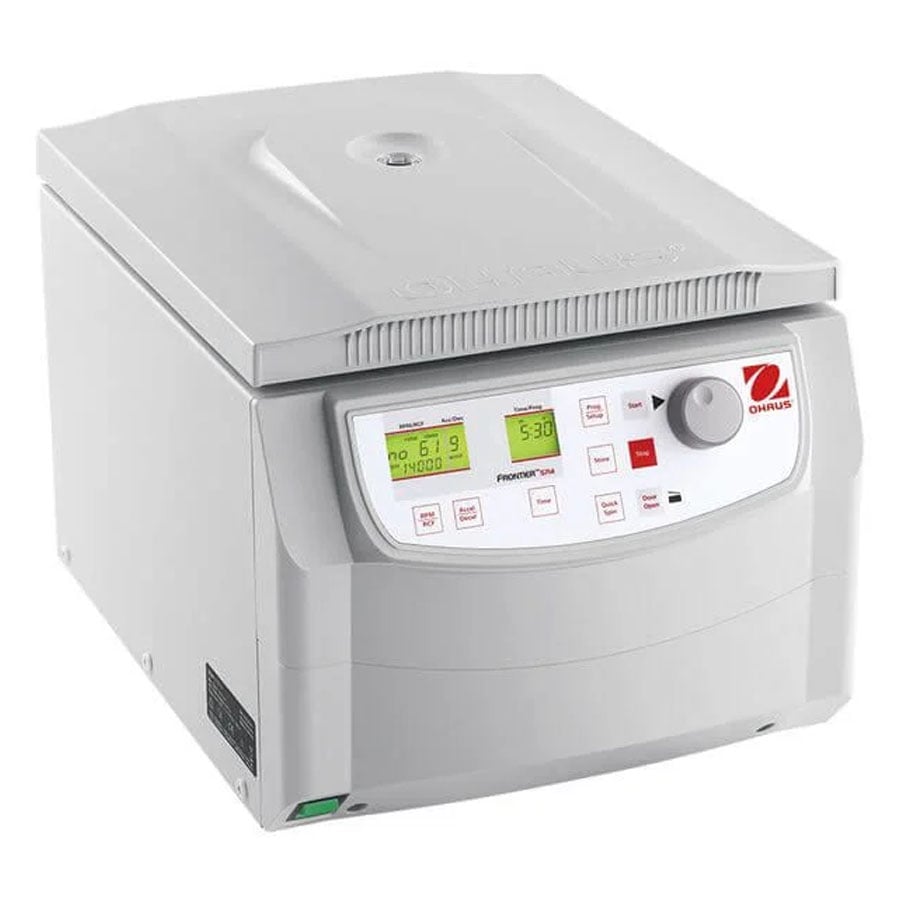
Benchtop Centrifuge: Temperature-controlled benchtop centrifuges feature tight, built-in refrigeration loops that maintain temperatures between 4°C and 22°C. They use ultra-smooth deceleration settings to ensure the freshly separated cell membranes are not damaged by sudden stops.
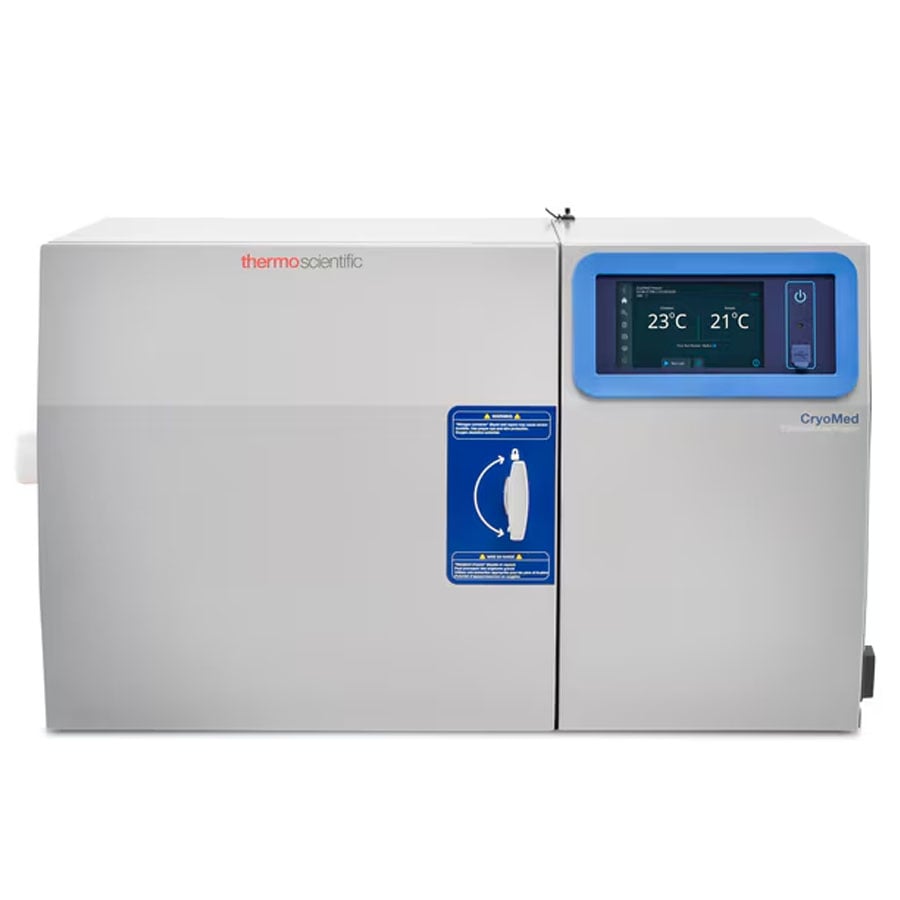
Controlled-Rate Freezer: Cell walls can be easily punctured and destroyed by sharp, jagged ice crystals formed through standard freezing methods. Controlled-rate freezers solve this by using liquid nitrogen (LN2) injection loops. They follow a strict, highly repeatable cooling curve to lower the temperature by exactly -1°C per minute, while actively counteracting the spike in latent heat released when the liquid phases into ice.
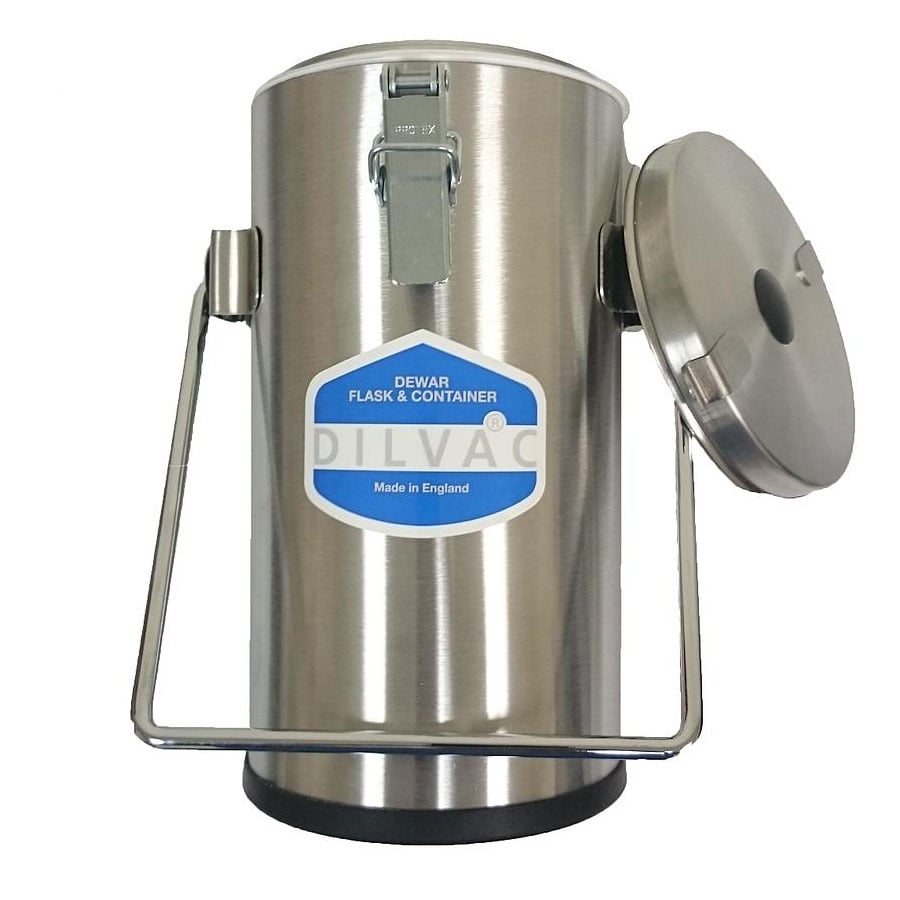
Liquid Nitrogen Storage Vat: These containment systems maintain temperatures below the glass transition point of water (under −140∘C down to −196∘C). They keep the cells suspended indefinitely in the vapor or liquid phase of nitrogen to completely arrest biological aging.
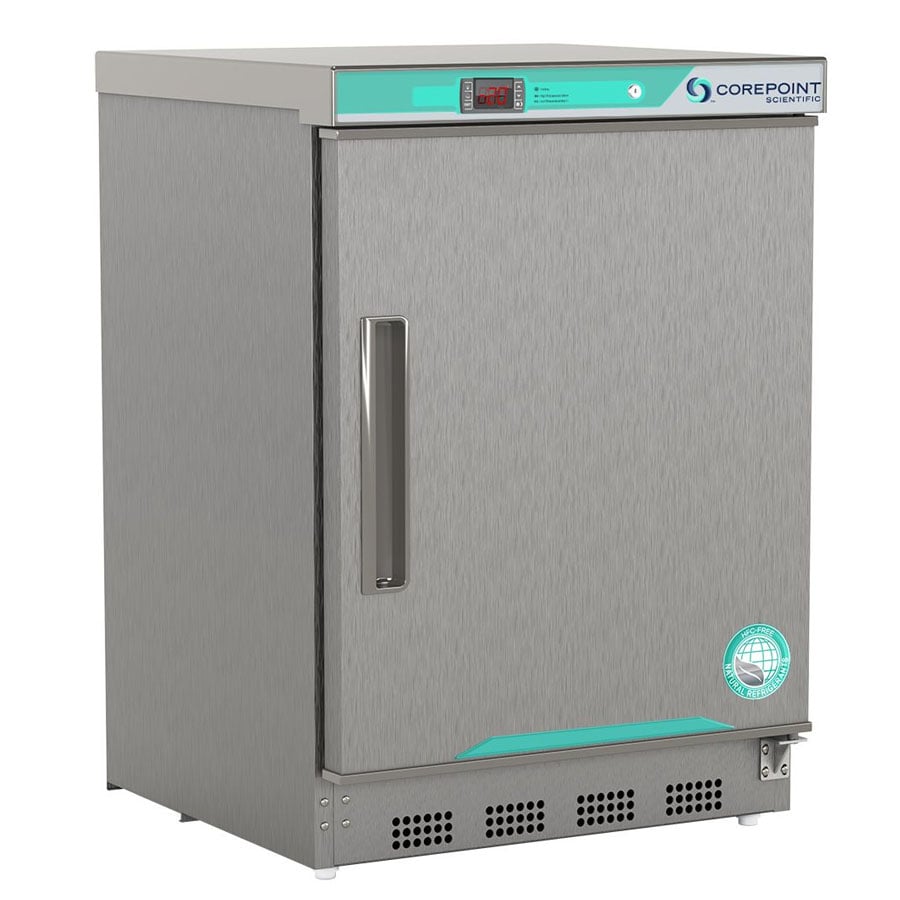
Non-Defrosting Reagent Freezer: Non-defrosting freezers operate at −20°C and −80°C and eliminate the cyclic warming phases common in commercial freezers. They are a must-have in organoid research, as they protect sensitive biological materials from degradation caused by temperature changes.
Looking for essential equipment for your organoid culture? Find the units you need manufactured by top brands at The Lab Depot. If you need assistance, contact our team at 1-800-733-2522, email, or through live chat on our website.