

Nitrogen Evaporator: Optimizing Sample Prep for PFAS Analysis
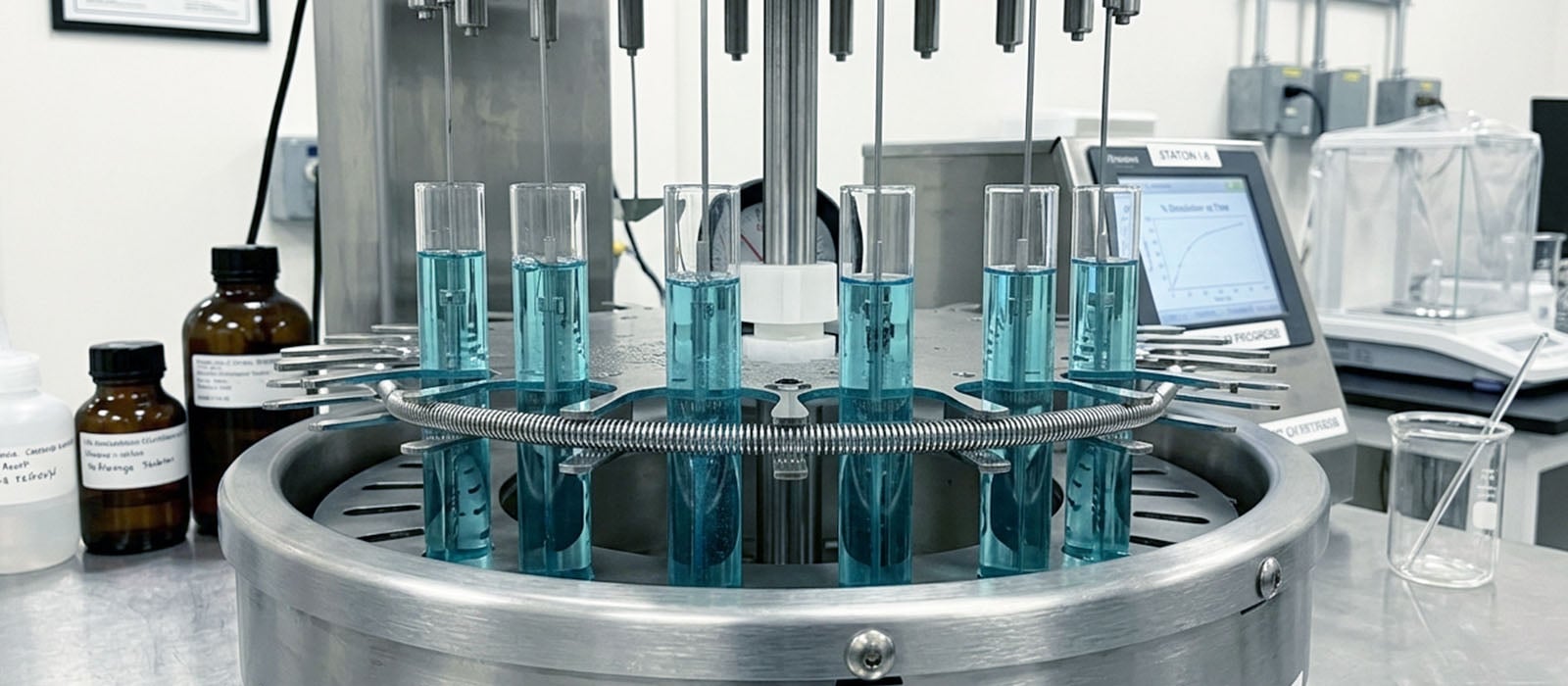
Don't let sample preparation ruin your PFAS analysis. Discover how a Teflon-free nitrogen evaporator prevents background contamination and boosts lab output.
In forensic science, the "clock" is your greatest enemy. If you have ever walked into a processing room after a major crime scene call-out on a humid weekend, you know the smell. But for a lab manager, that odor isn't just a nuisance—it’s the sound of evidence disappearing.
Biological materials are volatile. When evidence remains wet, bacteria and mold can destroy viable DNA profiles in a matter of hours. Conversely, if evidence is dried too aggressively or in an uncontained space, you risk the nightmare of cross-contamination.
This is where the evidence drying cabinet stops being just a metal box and starts being a critical line of defense. For lab managers, selecting the right unit isn't about buying furniture; it's about mitigating risk across the entire forensic investigation.
What is Nitrogen Blowdown?
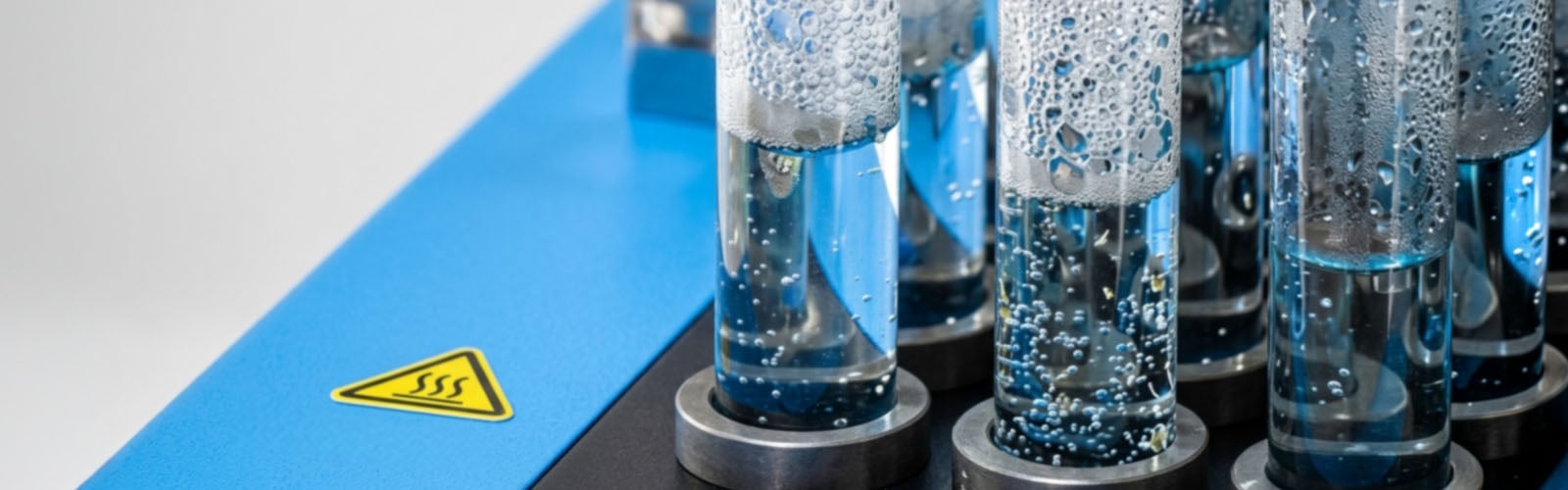
Many evaporation techniques exist, and nitrogen blowdown is one of them. In fact, it has become the standard in environmental PFAS analysis for defensible reasons.
With this method, a continuous stream of inert gas sweeps over the liquid sample's surface. This lowers the vapor pressure and prevents the solvent from condensing back into the liquid. When you pair this gentle gas flow with a controlled heating source, you get a much faster evaporation process that is still mild enough to keep your sensitive analytes intact.
However, there is a catch. Nitrogen flow positioned too high above the sample slows evaporation. Too close, and the gas force can disturb the sample or displace it entirely.
Modern systems address this by integrating the gas manifold, heating unit, and multi-position sample array into a single, calibrated instrument. The result: parallel processing of many samples under identical, reproducible conditions.
Material Compatibility
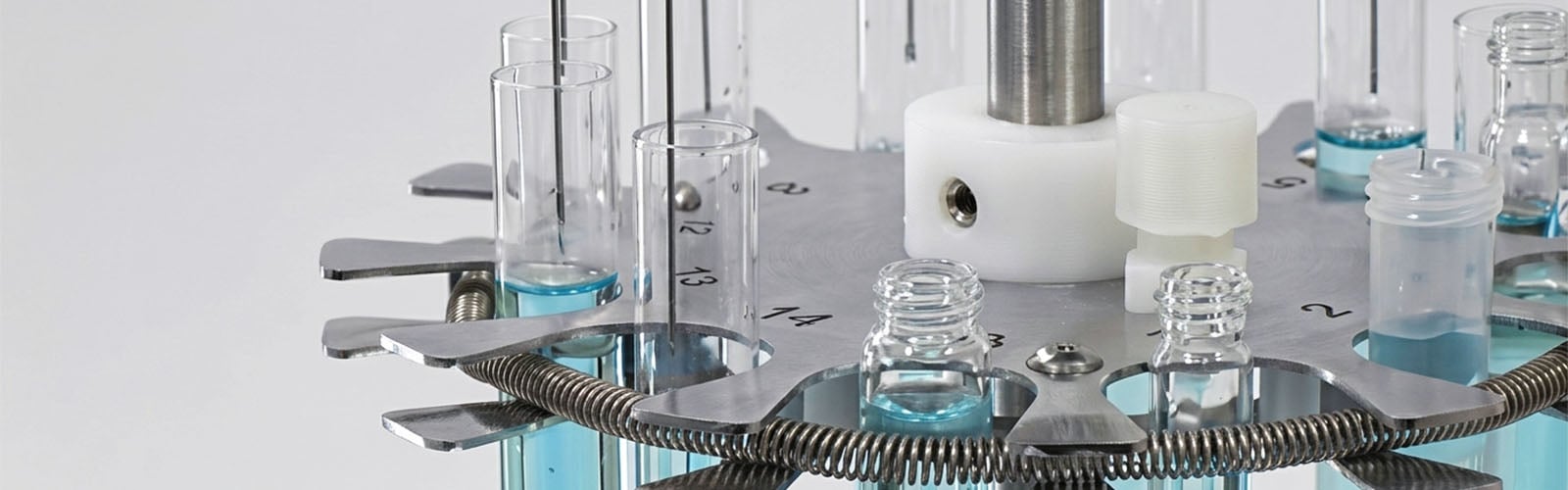
The material of an evaporator is just as important as performance for PFAS analysis. Conventional lab plastics and fluoropolymer (PTFE/Teflon) fittings found in older evaporator designs can leach PFAS compounds directly into samples. That contamination occurs during preparation, before the instrument ever sees the sample.
Newer nitrogen evaporator configurations address this by removing fluoropolymer fittings and plastic components from every surface that contacts the sample. This ensures that what the instrument measures is what was actually in the field.
Scaling Throughput Without Losing Per-Sample Control
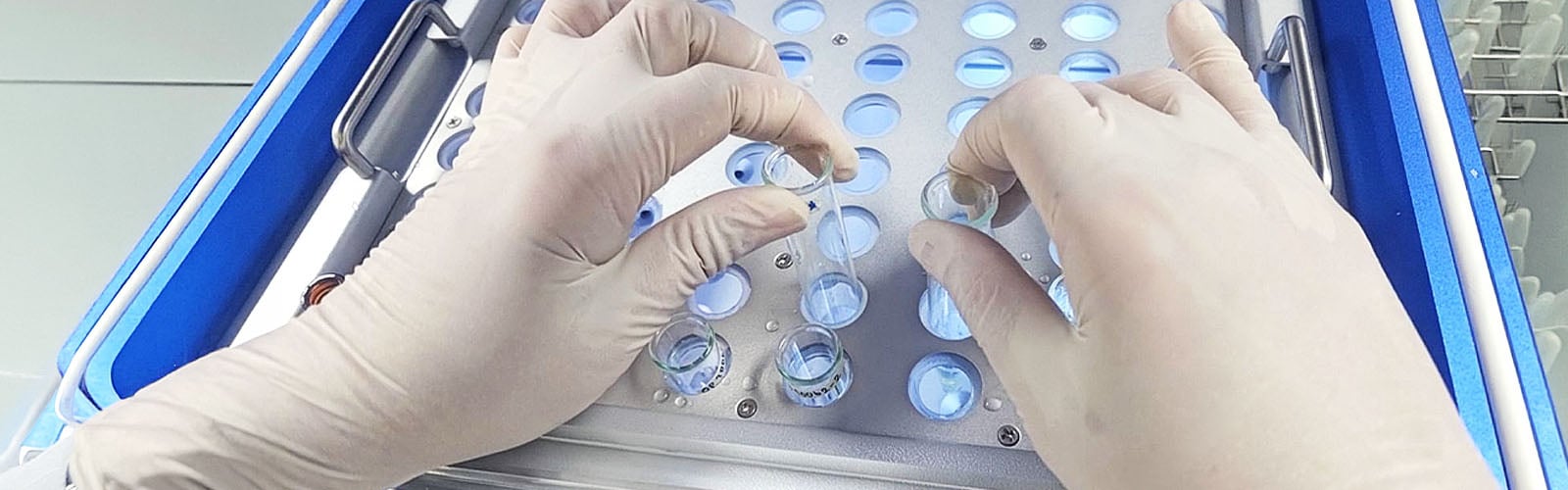
Well-designed nitrogen evaporators prevent laboratories from compromising on individual sample oversight by letting them expand their sample array while keeping control over each position. How that plays out depends on the daily volume:
-
Low Volume (6–12 samples): The focus here is on flexibility. Systems with adjustable gas valves and flexible tube holders allow technicians to jump between different EPA methods and distinct solvent profiles without a hitch.
-
Mid-Volume (Up to 45 samples): Having per-position control is ideal when running batches this size. It lets you adjust for different solvents or uneven evaporation rates without the need to pause the entire process.
-
High Volume (64–100 samples): Uniformity and automation take over. Heated water baths, digital temperature regulation, and integrated timers process large batches with minimal oversight.
NOTE: Don't overlook the value of a reliable built-in timer. Letting an evaporation run finish safely after hours effectively creates a whole new shift without adding a single dollar to your labor budget.
Selecting a Nitrogen Evaporator for PFAS Workflows
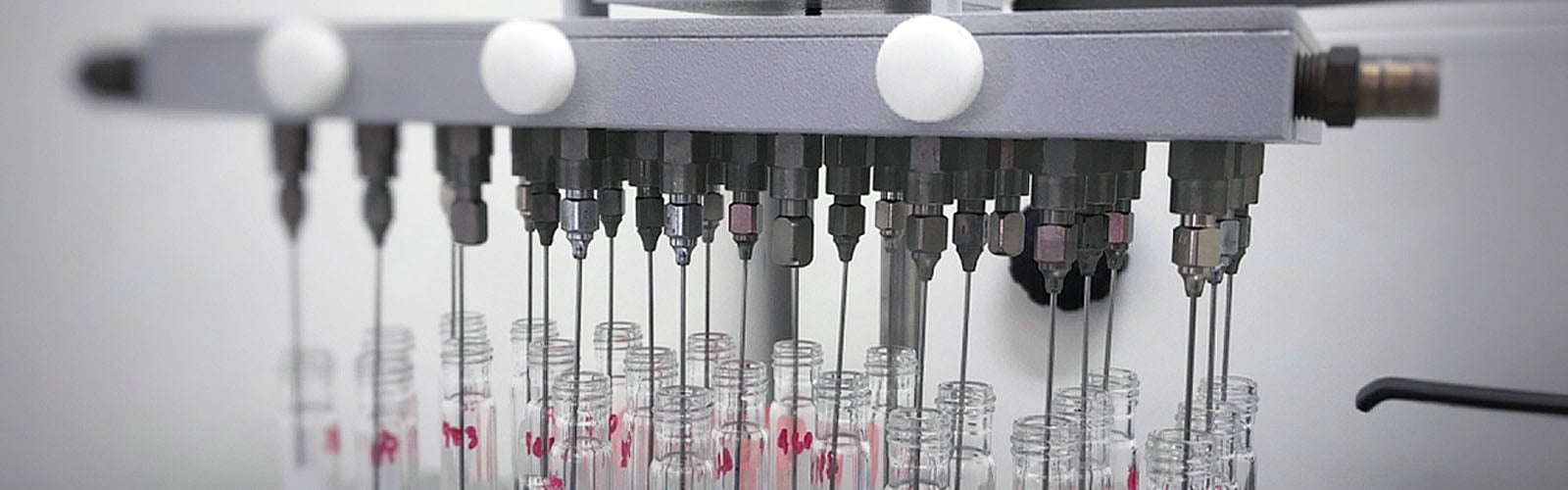
The best evaporator isn't the biggest one in the catalog, nor is it the cheapest one you can get away with. It is simply the one that fits your real-world bottlenecks.
A smaller, adaptable setup is your best bet if you:
-
Don't have a standard tube size and work with a random mix of samples.
-
Balance a rotating mix of EPA methods with different solvent properties.
-
Need independent gas control to handle unpredictable batch variations on the fly.
Go with a high-capacity, water bath system if you:
-
Process large, uniform batches of identical drinking water extracts.
-
Run the same EPA method day in and day out.
-
Need to maximize output while keeping technician touchpoints to an absolute minimum.
For efficient and accurate PFAS analysis, choose high-quality supplies and equipment from a trusted supplier. The Lab Depot offers over 60,000 products, ranging from lab consumables and chemicals to essential tools for research, medical, and educational labs. If you need help finding the right contamination-free items for your testing, our expert team is ready to assist via phone at 1-800-733-2522, email, or live chat on our website.