Understand the differences between a moisture analyzer and a drying oven to improve food quality control, production efficiency, and compliance.
Controlling moisture content is one of the most critical quality parameters in the food industry. It affects product safety, texture, shelf life, production economics, and regulatory compliance.
When there is too much moisture, microbial growth and spoilage can occur. Meanwhile, too little moisture can compromise texture and consumer acceptance. That’s why food manufacturers and quality control laboratories require reliable moisture analysis throughout the production process.
Lab Equipment for Moisture Analysis
Two of the most commonly used lab equipment for analyzing moisture content are moisture analyzers and laboratory drying ovens. Understanding how they differ and when to use them is important to help labs optimize quality control and enhance throughput without sacrificing compliance.
Moisture Analyzers
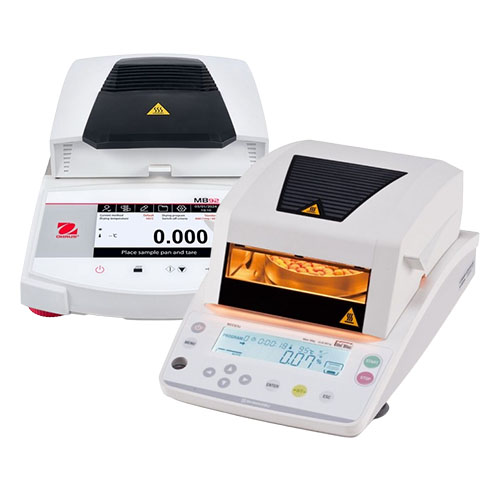
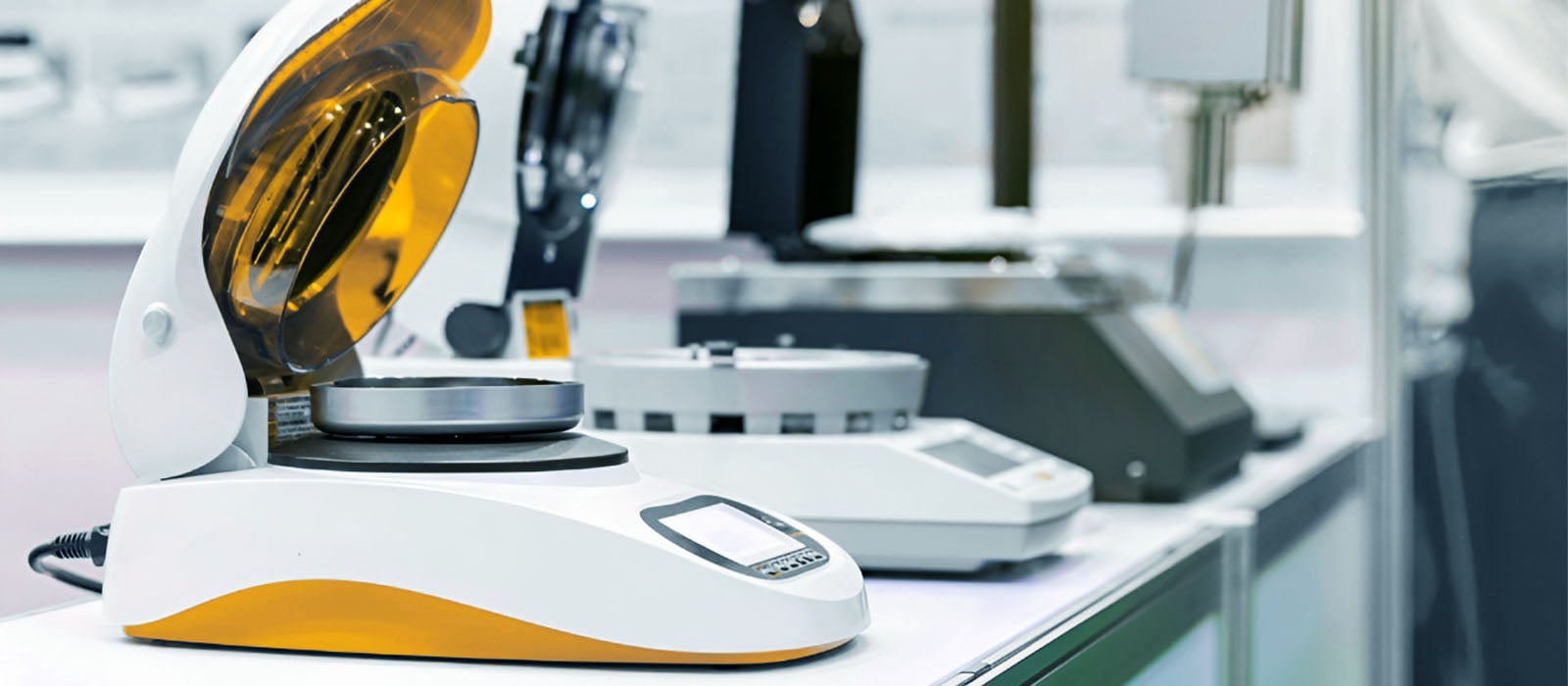
A moisture analyzer uses a thermogravimetric loss-on-drying method to measure moisture content. This method involves weighing a sample, heating it up, and weighing it again once it is dry. It uses a halogen or infrared heating source for controlled heating and reports moisture content based on weight loss as water evaporates.
Typically compact and easy to use, it delivers fast results without disrupting processes. It is ideal for use directly in food manufacturing plants and for quality checks and monitoring.
However, moisture analyzers only measure total weight loss and disregard other compounds that can influence results. When testing products with complex compositions, they may need to be correlated with reference methods.
Drying Ovens
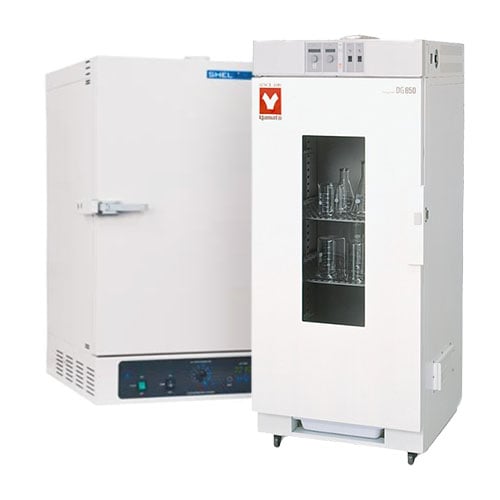
A drying oven is used to heat samples for extended periods. The samples are placed in heat-resistant containers and dried inside the oven. Afterward, the samples are placed in a dessicator to cool, helping the samples avoid reabsorbing moisture before final weighing.
This traditional gravimetric method is recognized as a reference technique in many regulatory protocols, making it highly recommended for method validation, audits, and dispute resolution.
Different oven designs can be used for various testing needs:
Despite its high accuracy, using a drying oven is time-consuming and labor-intensive. Tests can take several hours, and manual handling increases the risk of variability.
Comparing Moisture Analyzers and Drying Ovens
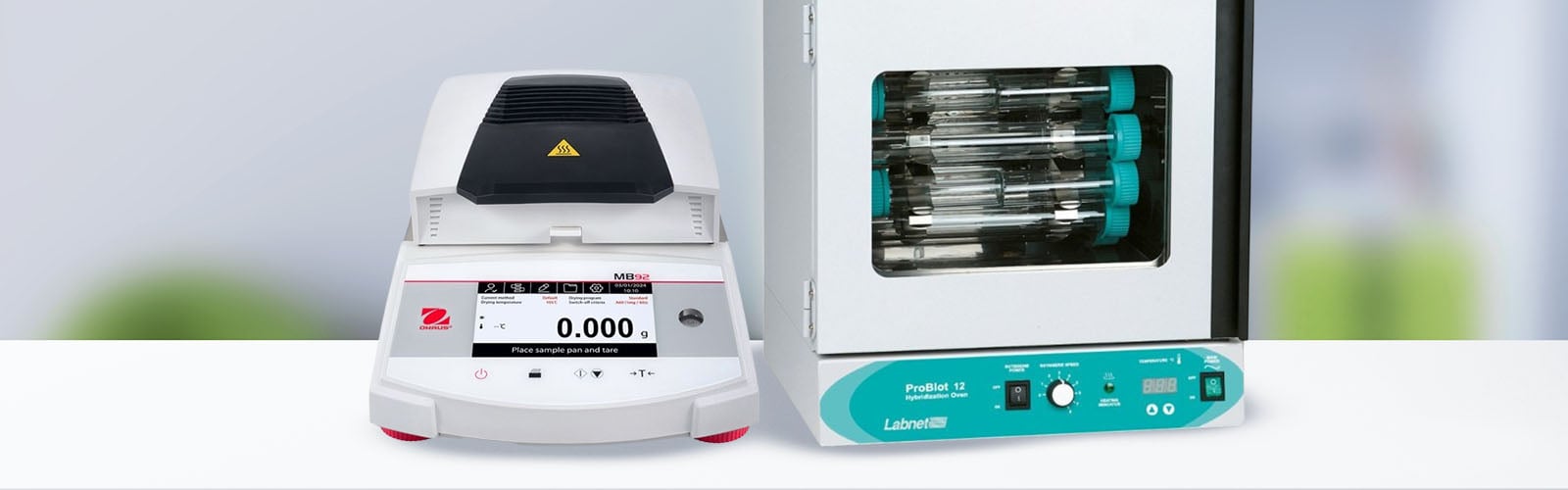
This comparison table can help labs and food plants choose the recommended tool for their processes.
|
|
Moisture Analyzers
|
Drying Ovens
|
|
Method Used
|
Loss-on-drying with continuous weight measurement
|
Loss-on-drying with pre- and post-weighing
|
|
Speed of Analysis
|
Available in minutes
|
May require several hours
|
|
Accuracy
|
High repeatability when calibrated to oven results
|
High accuracy, reference standard
|
|
Throughput
|
One sample at a time
|
Multiple samples simultaneously
|
|
Sensitivity to Volatiles
|
May be affected by non-water volatile compounds
|
Less sensitive when proper methods are followed
|
|
Space and energy requirement
|
Compact, low energy
|
Larger footprint, higher power use
|
|
Ideal for
|
Daily quality checks, in-process control
|
Compliance, method validation
|
Both lab tools serve different purposes in food production. Moisture analyzers excel in speed and convenience, making them perfect for daily and routine checks. On the other hand, drying ovens offer higher confidence for reference testing and compliance, but at the cost of time and labor. Given their specializations, many food manufacturers use both together.
Knowing how tools like moisture analyzers and drying ovens measure product dryness and moisture content helps in making better decisions, such as adjusting a drying step or approving a batch of products for packaging. When moisture testing is done reliably, it leads to more efficient processes, fewer rejected products, and food products that hold their quality throughout their shelf life.
Lab managers worldwide choose The Lab Depot as their best source of top-quality equipment. For expert assistance in selecting the right moisture analyzer or drying oven for your lab, please contact our team at 1-800-733-2522, email, or through live chat on our website.
Sources:
https://www.calibrecontrol.com/news-blog/2022/4/5/moisture-analysis-in-food
https://www.news-medical.net/life-sciences/Why-is-Moisture-Content-Analysis-of-Food-Important.aspx
https://www.mt.com/my/en/home/applications/laboratory/food-and-beverages/moisture-water.html
https://www.precisa.com/article/moisture-analysis-in-the-food-and-beverage-industry/
https://asiapacific.ohaus.com/en-ap/about-us/news/moisture-analysis-in-a-food-production-environment
https://www.precisa.com/article/determination-of-moisture-content-in-food/