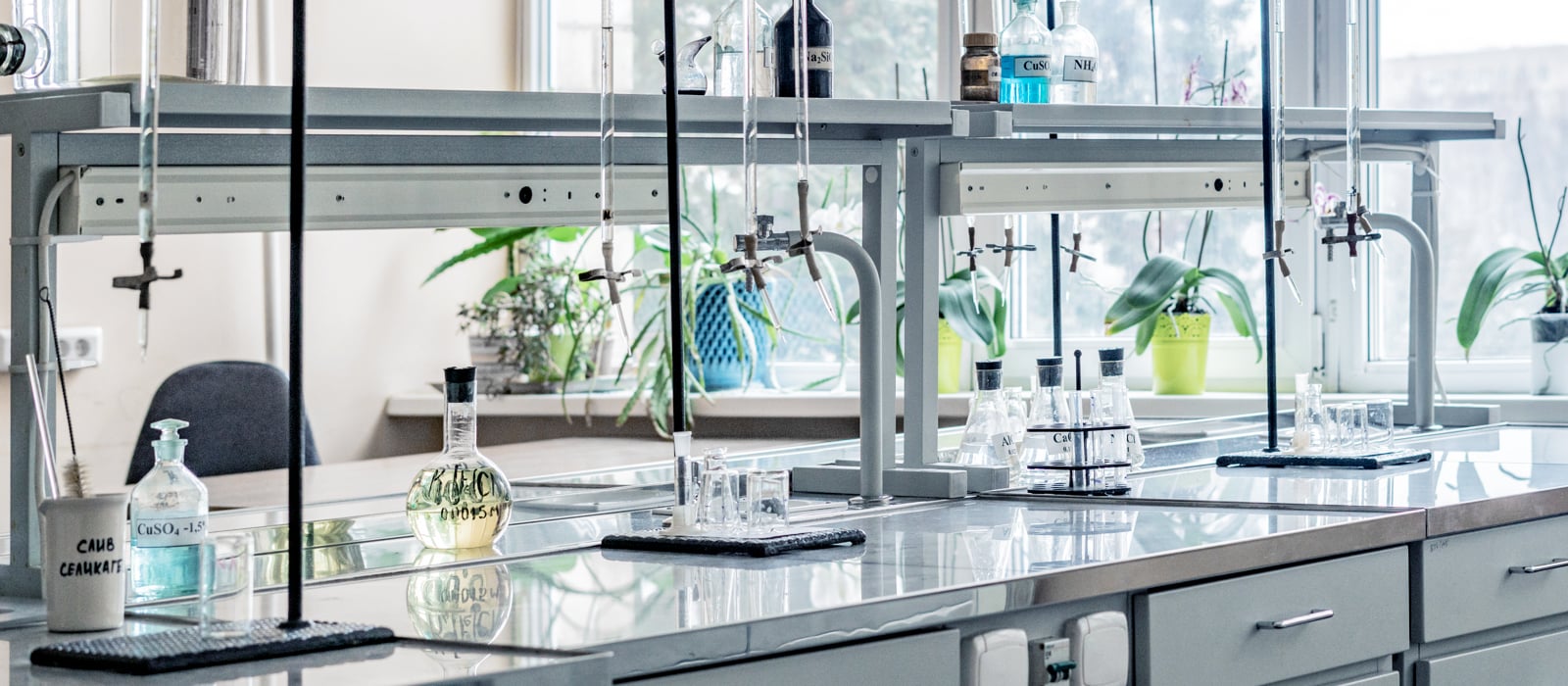
University labs are going green with My Green Lab Certification, promoting sustainability through energy-efficient lab equipment and eco-friendly practices.
Academic labs are where the search for most scientific discoveries begins, but they are also some of the most resource-intensive spaces on a university campus. Laboratories use a significant amount of energy compared to office buildings, consume single-use plastics more, and operate day and night with lab equipment that is often decades old. However, campus labs are changing this narrative as they take the path toward lab sustainability with My Green Lab.
What is My Green Lab?

My Green Lab is the perfect guide for building a culture of sustainability in science. This non-profit organization is part of the UN Race to Zero campaign and is dedicated to helping laboratories advance science with a smaller environmental footprint. Its My Green Lab Certification is a highly regarded standard for laboratory sustainability across the world, and is a program used not only by biotech companies and research institutions, but also by academic institutions like Stanford University and the University of Pennsylvania.
How Do Universities Go Green with My Green Lab?

Universities that have adopted My Green Lab's certification program have undergone several steps to build and maintain sustainable academic labs. Here's what that typically involves:
Train and engage stakeholders.
Professors, researchers, students, and lab managers participate in hands-on training sessions to learn simple, practical, and innovative practices to minimize energy use, implement waste segregation, reuse materials, and adopt greener procurement practices.
Implement sustainable laboratory practices.
By demonstrating progress in adopting a greener approach, individual labs can work their way through five certification levels: Bronze, Silver, Gold, Platinum, and Green. Their certification level is based on their assessment score, with a score of 80% or more qualifying for the top level of certification.
Incentivizing certified labs.
Georgia Institute of Technology, Stanford University, and other academic institutions operate internal green lab programs that work hand in hand with the objectives of the My Green Lab program. These internal programs often offer incentives, funding, and more to certified individual labs to encourage them to commit to sustainability.
Prioritizing Efficiency in Lab Equipment Use and Selection
Sustainability in labs means making smarter choices, and it involves selecting the right equipment that drives daily operations. Much of a lab's carbon footprint comes down to the equipment you have and how it is used. Here are some key areas where campus labs are making changes:
Cold Storage
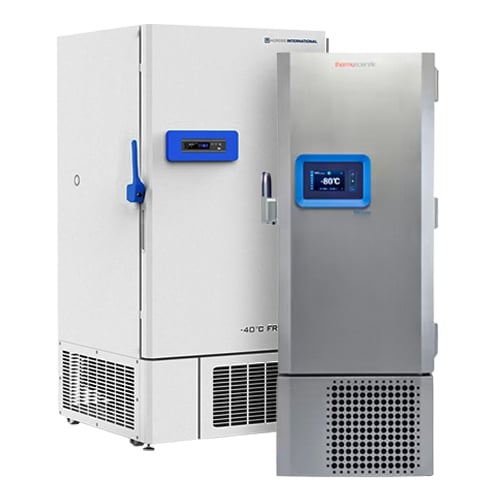
An ultra low temperature freezer set to -80°C consumes a huge amount of energy. My Green Lab recommends adjusting the temperature to -70°C. Doing so can cut energy consumption by 30% to 40%. Besides that, replacing older freezers and refrigerators with ENERGY STAR-rated models and regularly defrosting and organizing freezers are lab practices that can help lower energy use.
Fume Hoods
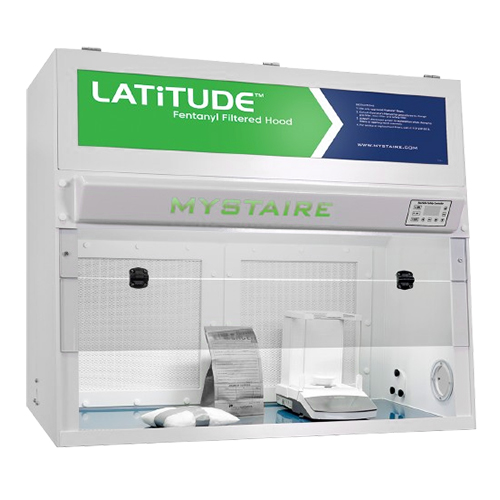
A fume hood is an essential equipment, but it uses large amounts of power. Simple practices like conducting regular system maintenance and closing hoods when not in use go a long way. However, installing a variable air volume (VAV) hood with smart sensors will make a huge difference.
Other Lab Equipment
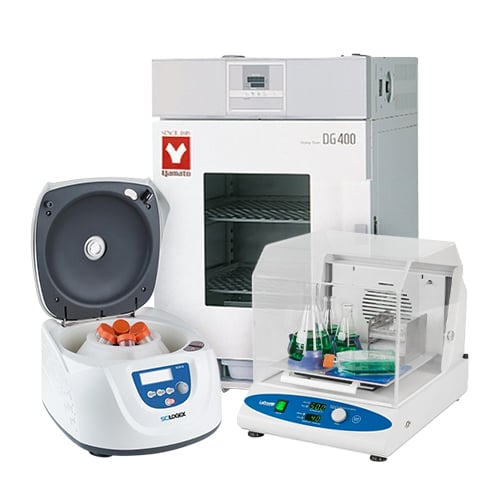
Centrifuges, ovens, and incubators are commonly used in routine to critical applications. They may have a small physical footprint, but when left running continuously, they result in high energy usage and a larger carbon footprint. My Green Lab encourages campus labs to switch to newer models with low standby power consumption and ensure that all equipment is turned off or unplugged after use.
Shared Equipment Facilities
Most universities have opted for centralized research facilities where high-powered tools and equipment are available for use across various labs. This approach addresses several points of concern as it not only reduces duplicate energy usage but it also lowers overall costs and frees up more space.
Besides making wise decisions in selecting lab equipment, universities have also reconsidered how they can reuse and recycle lab supplies. More university labs are replacing disposable plastic pipettes, tubes, and flasks, with reusable glassware. As advised by My Green Lab, campus labs are also opting for green alternatives and are effectively planning bulk orders to reduce packaging and avoid stockpiling.
Should Lab Sustainability Matter in Higher Education?

Academic labs that go through My Green Lab Certification foster long-lasting habits that benefit the planet, the institution, and the researchers themselves. They often see lower utility bills, safer working conditions, and increased engagement from students and staff. In effect, sustainability becomes part of the culture, from how people order supplies to how they set up experiments.
More importantly, the skills and habits students learn in certified green labs go with them into graduate school, industry, and research careers, making them a new generation of scientists who understand the value of environmental responsibility alongside innovation.
For top-quality and energy-efficient lab equipment, The Lab Depot is your best choice. Contact our team at 1-800-733-2522, email, or through live chat on our website for expert assistance in finding sustainable options for your lab.
Sources:
https://www.mygreenlab.org/green-lab-certification.html
https://www.environmentenergyleader.com/stories/universities-turn-to-my-green-lab-to-cut-energy-waste-in-research-facilities,73894
https://www.freezerchallenge.org/best-practices-overview.html
https://www.mygreenlab.org/uploads/2/1/9/4/21945752/fh_-_i2sl_2009_factors_affecting_fh_energy_consumption.pdf
https://solution4labs.com/en/blog/laboratory/green-labs-how-to-increase-sustainability-in-your-laboratory-
https://sustainable.stanford.edu/operations/land-buildings/green-labs/
https://www.bristol.ac.uk/sustainability/doing/labs/
https://www.sustainability.upenn.edu/get-involved/opportunities/green-labs