

Make It or Buy It? In-House vs. Ready-to-Use Culture Media for Efficiency & Quality Control
Time, cost, consistency, contamination risk. See how in-house and ready-to-use culture media stack up, and which one suits your lab.
If you have been growing cells or microbes in the lab, you might ask: should we keep making our own media, or do we start buying ready-to-use media? It sounds like a simple purchasing question, but in practice, it affects a number of factors, from your schedule and budget to staffing and the credibility of your results.
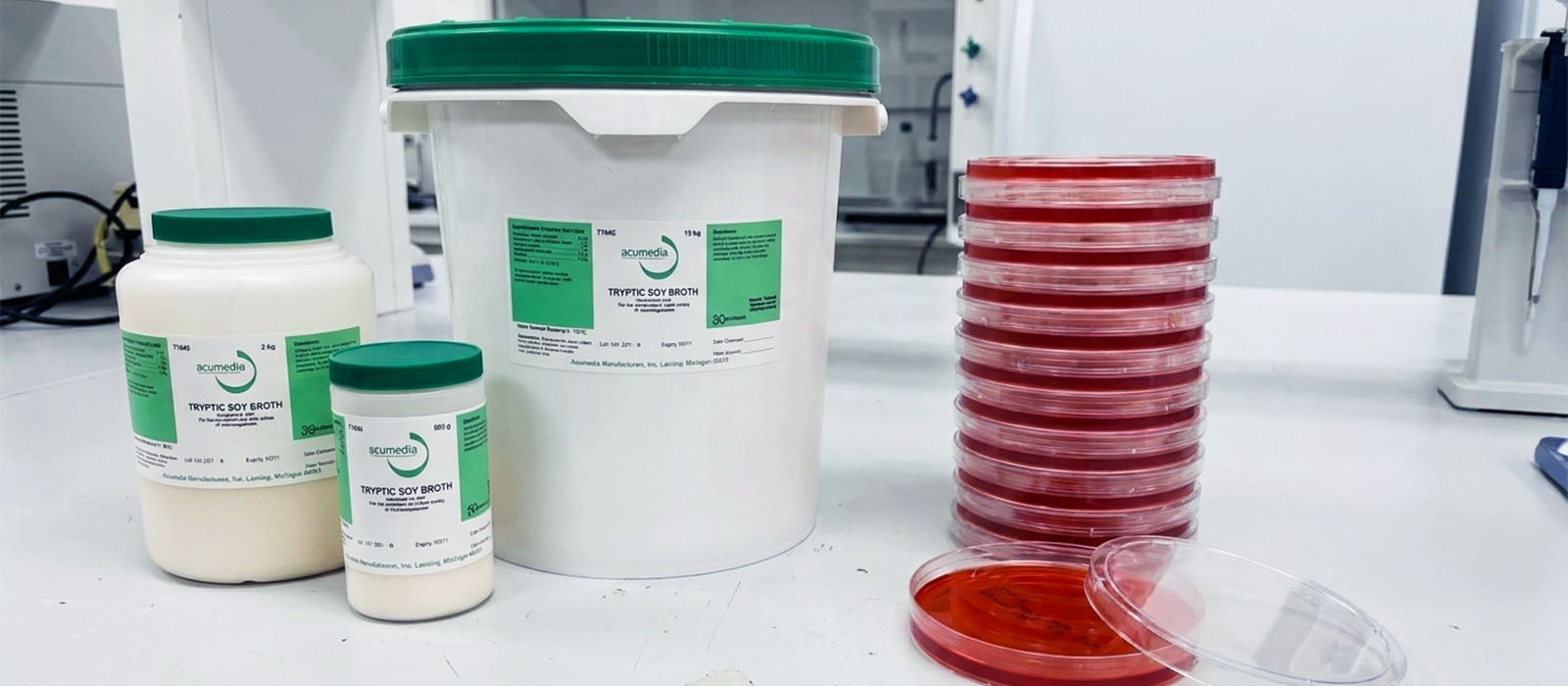
In-house culture media is anything your team makes from scratch or from dehydrated powder. Someone weighs the ingredients, dissolves them, adjusts the pH, sterilizes the batch, pours or dispenses it, and labels everything. Supplements, antibiotics, and serum are often added by hand along the way.
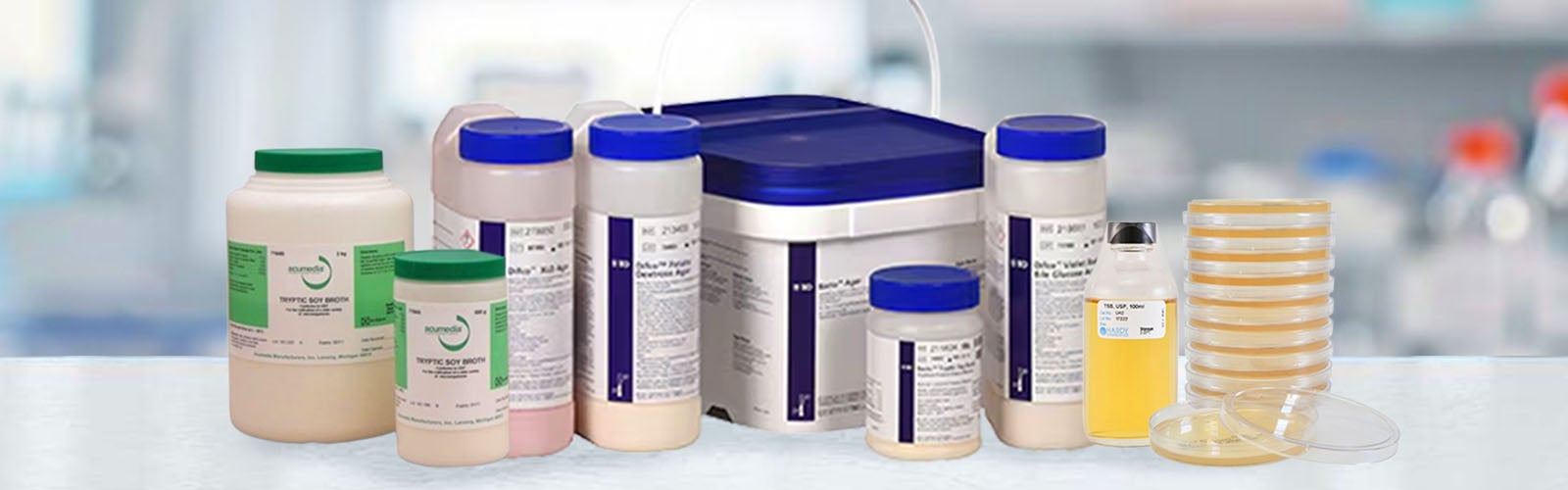
Ready-to-use (RTU) media, on the other hand, come ready to go. It can be in the form of poured plates, filled vials or tubes, or it can be sterile ready-to-use liquid culture media. The manufacturer does all the preparation, sterilization, and release testing, and you're just responsible for storage and use.
There is also a middle ground: buying dehydrated powder or premixed supplements and doing only part of the work yourself. Many labs end up here, and it’s worth keeping in mind as one of your options.
Efficiency
Efficiency comes down to how much hands-on time each option takes, how quickly you can get media when you need it, and what it costs once everything is counted. Here is how in-house and ready-to-use media compare on each factor.
Time and Labor
People tend to think the hidden cost of in-house media is the powder, but it's actually the hours. The time taken to make a single batch is quite a lot of work. In-house preparation involves numerous extra steps, including weighing, mixing, pH adjustment, autoclaving, cooling, pouring plates, labeling, logging, and eventually scrubbing down the workspace.
For labs looking for a middle ground, premixed supplements and the hybrid approach offer a practical compromise. They cut down on manual weighing and complex formulation without requiring a total transition away from in-house preparation.
On the other hand, ready-to-use media bypasses this entire process. Instead of spending hours on preparation, you just grab what you need from the lab refrigerator, check the label and expiry date, and start working right away.
Turnaround and Flexibility
In-house preparation has one clear efficiency advantage: you can make what you need, when you need it, in the volume you need. A last-minute experiment doesn't have to wait for a supplier's delivery window. If you run unusual formulations, or modify a standard recipe, making it yourself may be the only practical route.
However, in-house culture media is done in fixed batches. If you only need 10 plates but the process makes 100, you are forced to choose between wasting excess media or spending additional time re-scaling the batch.
Cost
On paper, the dehydrated powder is cheaper per liter than the finished product, and that's the figure that people will usually cite. A fair comparison would include:
-
Technician time, including documentation
-
Autoclave use, water quality, consumables, and plasticware
-
Waste from failed or contaminated batches
-
Quality control testing on each lot
-
Storage space and equipment upkeep
When you add it all up, the gap closes, and in some cases, for low- to moderate-volume production, it can even reverse. At high, steady volumes, a well-run in-house preparation room will still win on raw cost.
Quality Control
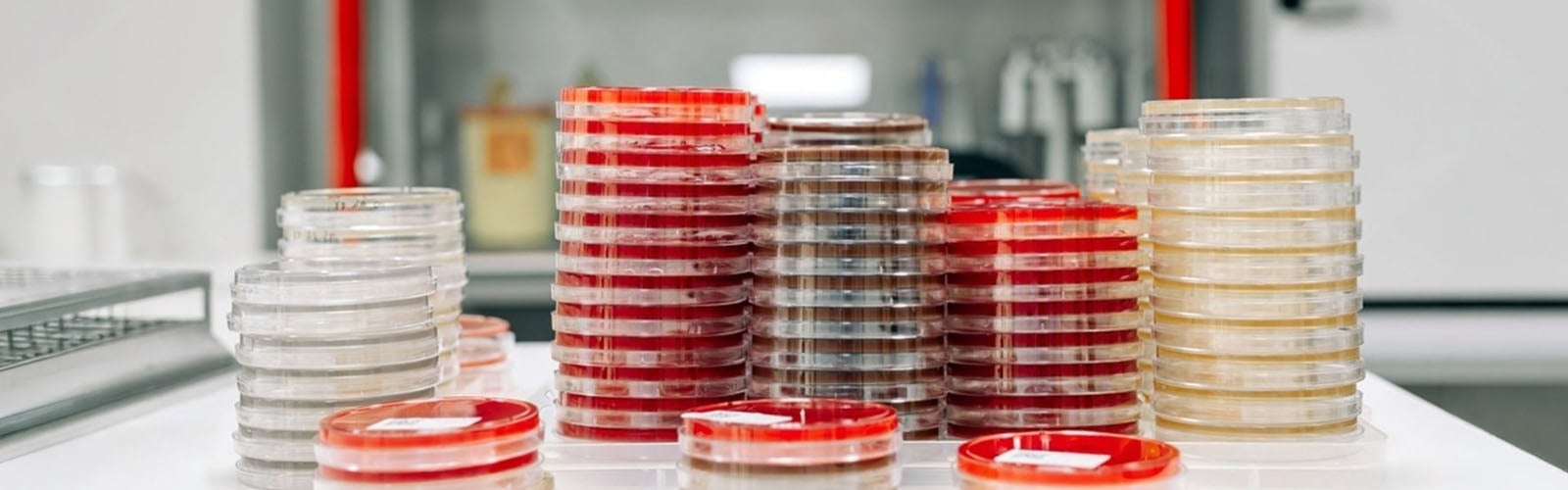
This is where the decision is usually made (particularly in the regulated/accredited environment). We look at batch-to-batch consistency, contamination risk, documentation and traceability, and the degree of control you have over the formulation.
Consistency from Batch to Batch
Prepared by hand, the media will have small variations in terms of weighing, pH drift, heating time, cooling temperature, and pouring depth. These may be of no consequence but can lead to inconsistent colony size, odd growth, or results that are very difficult to reproduce from operator to operator or week to week.
Manufacturers of ready-to-use media go through a controlled, validated process so the product is very uniform from lot to lot. That's a definite advantage for an assay where small differences in growth are important or where many people are preparing the media over different shifts.
Sterility and Contamination Risk
A well-trained team with good aseptic technique and a clean prep area will of course reduce the risk of contamination, but it will never be zero. Commercial ready-to-use culture media is sealed and released only after sterility has been confirmed. That step obviously reduces the chance of contamination originating in the media itself.
That said, ready-to-use media is not immune to problems. Damaged packaging, temperature excursions during shipping, or poor storage in your own cold storage can all compromise it.
Documentation and Traceability
RTU suppliers provide lot numbers, certificates of analysis, and performance data, making audits and accreditation reviews smoother. With in-house media, you handle the paperwork. You need records of ingredients and lot numbers, preparation parameters, sterility checks, growth performance checks, and expiry dating. Labs that do this well are perfectly able to meet standards, but it takes discipline and time, and any gap in the records becomes your gap.
Control over the Formulation
Here in-house preparation shines. You know exactly what is in your medium and can adjust it. You can troubleshoot a problem at the source, swap a component, or tune a recipe for a specific organism or cell line. With commercial media, you rely on the supplier's formulation, and changes on their end may not be obvious to you.
In-House Culture Media vs. Ready-to-Use Culture Media
| Factor | In-House Media | Ready-to-Use Media |
|---|---|---|
| Hands-On Time | High | Very low |
| Cost Per Unit (Ingredients Only) | Usually lower | Usually higher |
| True Cost with Labor and QC | Can approach/exceed RTU at small scale | Often competitive at small to mid scale |
| Batch Consistency | Depends on operators and process | Generally high |
| Contamination Risk at Source | Higher, depends on technique | Lower |
| Customization | Excellent | Limited |
| Documentation Burden | Heavy, falls on your lab | Lighter, supplier provides much of it |
| Storage and Shelf Life | Flexible, made as needed | Dependent on supplier dating and cold chain |
| Startup Needs | Autoclave, preparation space, trained staff | Refrigerated storage and a supplier |
Which Culture Media Should You Use?
Consider ready-to-use media if:
-
Your work is regulated or accredited, and audit-ready records are important.
-
You conduct routine tests where consistency between lots and between operators is needed.
-
Your lab is small, understaffed, or has no preparation room.
-
Your media requirements are either modest or unpredictable.
-
Contamination has been a constant problem.
Consider in-house media if:
-
You use specific formulations that aren't commercially available.
-
Your volume is high and steady, and you have the space for a prep area and resources to train staff.
-
You need to adjust recipes often as part of the research itself.
-
You have a working quality system that already handles documentation and testing.
A hybrid approach may be best if:
-
Most of your work is routine, but a few protocols need custom media. Buy RTU for the standard work and prepare the special items yourself.
-
You want some control but can't spare the labor. Using dehydrated culture media or pre-sterilized components cuts down on the work while keeping flexibility.
If your lab fits more than one of these descriptions, that's normal, and it's a sign to weigh your top priority first, whether that's consistency, flexibility, speed, or cost. Whichever option you land on, you can always revisit the decision as your workload and team change.
Ready to explore your culture media options at The Lab Depot? Our expert team can help! Contact us at 1-800-733-2522, email, or through live chat on our website.