OSHA 29 CFR 1910.1450 and Fume Hoods
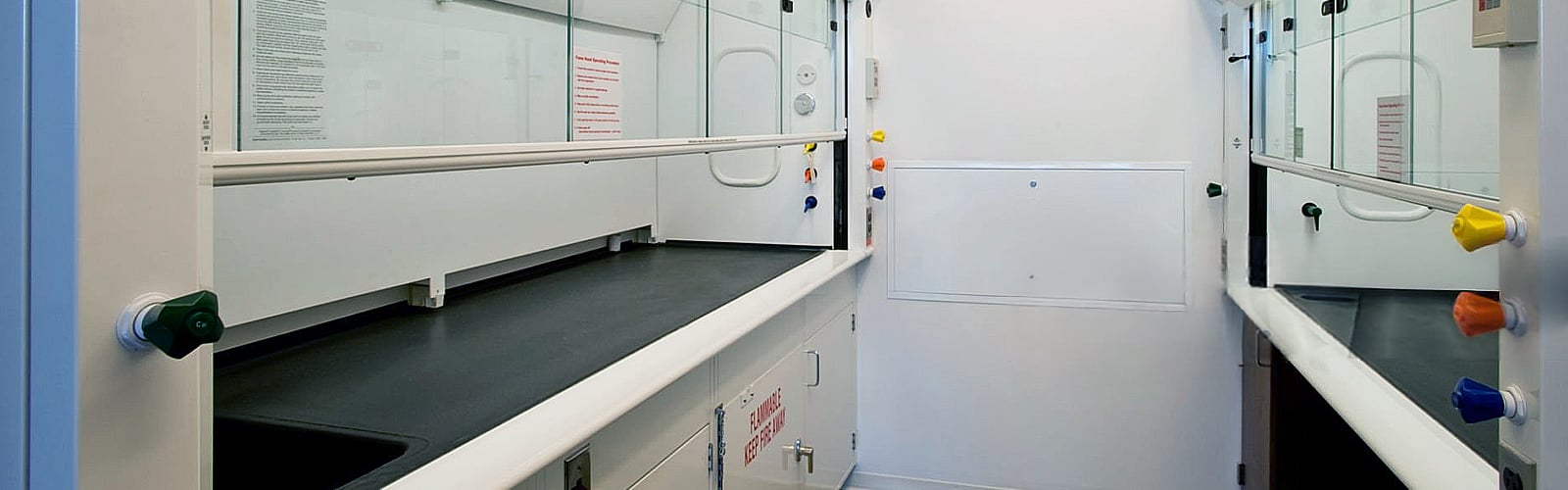
The OSHA Laboratory Standard, formally known as 29 CFR 1910.1450, addresses the handling of hazardous chemicals in laboratories and sets expectations for maintaining laboratory environments that minimize risks and protect workers' health.
At the heart of this standard is the Chemical Hygiene Plan (CHP), a written program that details the procedures, equipment, and work practices designed to protect employees.
Other primary components of the 29 CFR 1910.1450 are employee education and the use of personal protective equipment (PPE). All personnel must be trained on the risks associated with the chemicals they work with and master how to handle them safely. They must also be provided with and wear lab coats, goggles, and other appropriate PPE when handling hazardous substances.
More importantly, the OSHA Laboratory Standard emphasizes the use of fume hoods and outlines specific requirements that manufacturers and laboratories must follow to ensure compliance.
Fume Hood Requirements
PPE is just one line of defense. Engineering controls or physical systems designed to isolate or remove hazards play a critical role in lab safety. Among the most important of these is the fume hood.
Per OSHA's recommendations, a properly functioning hood should meet these requirements:
Face Velocity
Face velocity refers to the speed of air entering a fume hood through the space between the work surface and the bottom of the sash. Fume hoods must have a face velocity between 60 and 110 feet per minute (fpm) to ensure effective containment without creating turbulent airflow. The air inside the lab should flow in a manner that supports hood performance: smooth, uniform, and without high-velocity drafts or dead zones.
Monitoring
Every hood should be equipped with a continuous monitoring device—usually a flow gauge or alarm system—to confirm that airflow is within safe limits before use. If such a system isn't feasible, handling chemicals of unknown toxicity should be avoided, or alternative local exhaust systems should be used.
Maintenance
OSHA recommends evaluating hood performance at the time of installation and then testing it at least every three months. Any changes to the lab's ventilation setup should also prompt a re-evaluation.
Other Factors to Consider
Users should mind the position of the sash and maintain the designated operating level to achieve proper containment. Additionally, equipment placement matters; bulky or improperly placed items can disrupt airflow and reduce the hood's effectiveness. Keeping the workspace organized and unobstructed is a simple but vital part of fume hood operation.
NSF/ANSI 49 and Biosafety Cabinets
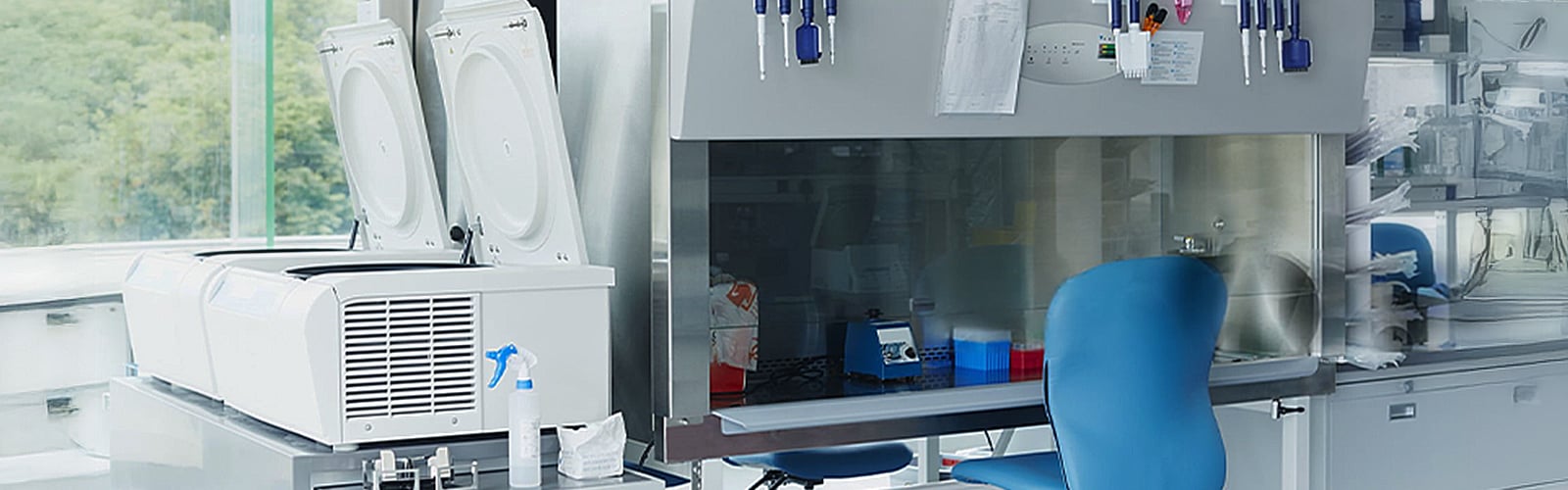
Developed through collaboration between NSF International and ANSI, NSF/ANSI 49 adds another layer of protection by establishing equipment design, construction, and performance standards for Class II biosafety cabinets (BSCs). It addresses important parameters, such as airflow dynamics, filtration efficiency, and even ergonomic design, to ensure BSCs are safe to use, effective, and reliable.
Here are the critical aspects NSF/ANSI 49 addresses:
-
Performance Testing: Includes comprehensive testing (airflow tests, filter checks, and containment evaluations) to confirm the cabinet's ability to protect personnel, the product, and the surrounding environment.
Following these requirements and standards helps labs and manufacturers lower the risks of accidents and keep the people inside lab facilities safe and healthy.
The Lab Depot takes pride in delivering quality ductless hoods manufactured by trusted companies that comply with the standards set by organizations such as OSHA, NSF, and ANSI. For expert support, contact our team at 1-800-733-2522, email, or through live chat on our website.