

Laboratory Plasticware: Maintenance, Care, and Cleaning Tips

Laboratory plastics possess distinct properties that enable them to interact effectively with various substances across different temperatures, pressures, and chemical exposures. These differences in characteristics require specific procedures before, during, and after they are used to ensure durability and reusability.
To help you preserve the strength, flexibility, and functionality of your lab plasticware, we have partnered with Dynalon Labware to provide you with an in-depth guide for proper maintenance, care, and cleaning.
Maintenance and Care
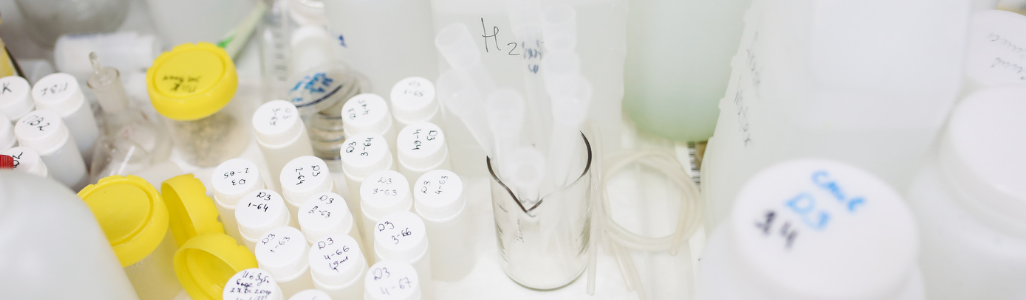
Mishandling plasticware will result in swift degradation and loss of stored materials. To ensure prolonged and effective use and prevent costly mistakes, note each polymer's chemical and physical resistance. Review thoroughly and reference the following information to find which polymers are ideal for your applications and procedures.
Chemical Resilience
Chemicals can alter plastic’s durability, flexibility, appearance, size, and weight depending on the exposure period, temperature, and concentration level. Certain chemicals, such as detergents, lubricants, oils, pure water, and surface additives in the presence of tensile stress, can result in cracking. Prolonged exposure to potent oxidizing agents can also lead to embrittlement and permanent damage, rendering them useless.
Here's a brief chart that illustrates the reactions of commonly used plastics in the laboratory when exposed to certain chemicals:
| LDPE | HDPE | PP | PMP (TPX) | PVC | PC | PS | AC | PTFE | PFA | |
|---|---|---|---|---|---|---|---|---|---|---|
| Acids-Dilute | E | E | E | E | E | E | E | G | E | E |
| Acids-Concentrated | E | E | E | E | E | X | F | X | E | E |
| Alcohols | E | E | E | E | E | G | E | X | E | E |
| Aldehydes | G | G | E | G | X | F | X | G | E | E |
| Bases | E | E | E | E | E | X | E | F | E | E |
| Esters | G | G | G | G | X | X | X | X | E | E |
| Hydrocarbons-Aliphatic | F | G | G | F | E | X | X | G | E | E |
| Hydrocarbons-Aromatic | F | G | F | F | X | X | X | X | E | E |
| Hydrocarbons-Halogenated | X | F | F | X | X | X | X | X | E | E |
| Ketones | G | G | G | F | X | X | X | X | E | E |
| Oils, Mineral | F | G | E | E | E | E | E | E | E | E |
| Oils, Vegetable | G | G | G | G | G | G | G | X | E | E |
| Oxidising Agents | F | F | F | F | G | X | X | X | E | E |
Chemical Compatibility Chart Ratings
- Excellent (E) - Excellent resistance that can withstand prolonged periods without physical, optical, or chemical property changes.
- Good (G) - Good resistance but may experience minor chemical attacks that could occur over long storage periods.
- Fair (F) - Limited resistance, but can be used for brief mixing and measuring.
- Fair (F) - Limited resistance, but can be used for brief mixing and measuring.
For a further breakdown of the chemical resistance of certain plastics, including extensive compatibility charts, review the articles under “Related Posts.”
Physical Resilience
Beyond their chemical resistance, polymers exhibit notable physical resilience that contributes to their versatility. From temperature stability to specific gravity, it is crucial to note each polymer’s capabilities to ensure prolonged use.
Here is another breakdown chart to help further understand the physical properties:
| LDPE | HDPE | PP | PMP (TPX) | PVC | PC | PS | AC | PTFE | PFA | |
|---|---|---|---|---|---|---|---|---|---|---|
| Max Temp (°C) | 80 | 120✝ | 135 | 180 | 70 | 130 | 70 | 90 | 300 | 270 |
| Min Temp (°C) | -50 | -100 | -20* | -180 | -25 | -135 | -40 | -60 | -200 | -260 |
| Transparency | TL | TL | TL | C | C | C | C | C | O | TL |
| Flexibility | F | R | R | R | R | R | R | R | R | F |
| Gas Permeability N2 | 20 | 3 | 4.4 | 65 | 0.4 | 3 | 3 | - | - | - |
| Gas Permeability CO2 | 280 | 45 | 92 | - | 10.2 | 85 | 75 | - | - | - |
| Gas Permeability O2 | 60 | 10 | 28 | 270 | 1.2 | 20 | 15 | - | - | - |
| Water Absorption % | <0.01 | <0.01 | <0.02 | <0.01 | 0.06 | 0.35 | 0.05 | 0.3 | 0.3 | <0.03 |
| Resistivity Ohm CM2 | >1015 | >1015 | >1016 | >1016 | <1016 | 2x10¹⁶ | >1016 | >1014 | >1018 | 1018 |
| Specific Gravity | 0.92 | 0.95 | 0.9 | 0.83 | 1.34 | 1.2 | 1.05 | 1.18 | 2.2 | 2.16 |
✝ Polymer may become malleable at temperatures above 80ºC if the product is under structural stress
* Material may become brittle at low temperatures
C Clear R Rigid
O Opaque F Flexible
TR Translucent
Proper maintenance and care of laboratory plasticware are vital to preserving its integrity and extending its usability. Understanding each polymer's unique chemical and physical properties allows you to make informed decisions that minimize wear and tear while ensuring reliable application performance. By implementing these best practices and regularly consulting compatibility charts, you can protect your investment and maintain the efficiency of your lab operations.
Sterilization, Cleaning, and Storage Methods

Cleaning lab plastics requires different approaches, as no single procedure is one-size-fits-all. Generally, they can be washed using a pH neutral detergent and rinsed with distilled water. However, the cleaning method may vary depending on the type of contamination.
| Contamination | Cleaning Procedure |
|---|---|
| Buffer and Aqueous Solution | Thoroughly rinse the contaminated surfaces with distilled water |
| Protein and Organic Solvents | Wipe the surfaces with a detergent solution, followed by multiple rounds of rinsing with distilled water |
| Bacteria, Viruses, Mycoplasma, and Fungi | Rinse with distilled water and sterilize with UV radiation |
| DNA and RNA | Rinse with distilled water and sterilize with UV radiation for 30-60 minutes, followed by a 15 minute autoclave at 121°C Or Immerse in at least 3% (w/v) bleach (sodium hypochlorite) for 15 minutes, followed by rinsing with distilled water |
If autoclaving or sterilization is needed, review the chart below to see what methods are compatible:
| LDPE | HDPE | PP | PMP (TPX) | PVC | PC | PS | AC | PTFE | PFA | |
|---|---|---|---|---|---|---|---|---|---|---|
| Autoclavable | No | No | Yes | Yes | No | Yes | No | No | Yes | Yes |
| Gas Sterilization | Yes | Yes | Yes | Yes | Yes | Yes | Yes | Yes | Yes | Yes |
| Dry Heat Sterilization | No | No | No | Yes | No | No | No | No | Yes | Yes |
| Gamma Irradiation Sterilization | Yes | Yes | No | Yes | No | Yes | No | Yes | Yes | Yes |
| Chemical Disinfectant Sterilization | Yes | Yes | Yes | Yes | Yes | Yes | Yes | No | No | Yes |
C Clear R Rigid
O Opaque F Flexible
TR Translucent
If you are utilizing a washing machine, set the temperature to no more than 57°C as hotter temperatures may damage structural integrity. Consider placing tubing over metal spindles to protect your plasticware from heat and other damage. Please note that low-density polyethylene, acrylic, and polystyrene are unsuitable, and polycarbonate will weaken after repeat exposure to the washers.
For stains, oils, greases, or other agents that cannot be cleaned with conventional washing, consider the following suggestions with care:
- Chromic Acid Solution: Soaking plasticware in this solution can help dislodge organic particles. Please note that this solution is a potent oxidizing agent and should be handled with caution.
- Sodium Hypochlorite (Bleach): A diluted bleach solution can remove organic stains at room temperature (20°C to 25°C). This method is not recommended for polycarbonate as it can cause damage.
- Solvents (Methylene Chloride, Acetone): These solvents can effectively remove oils and greases. However, prolonged exposure can cause some plastics to swell and should be avoided with polycarbonate, PVC, acrylic, and polystyrene.
There are a few precautions to take before cleaning, as some polymers may have adverse effects depending on the cleaning method:
- Do not use strong alkali cleaners with materials such as polycarbonate.
- Tap water may result in mineral build-up and is not recommended for rinsing.
- Avoid using scourers or abrasive cleaners that may result in scratches and other cosmetic damage.
Always remember to handle cleaning chemicals with care, wear appropriate PPE, and follow the manufacturer's instructions for thorough cleaning. After you have finished cleaning your products, ensure they are completely dry to prevent the growth of mold and mildew.
Finally, after your polymers have completely dried, be sure to store them properly. Ideally, they should be placed in a cool, dark, and dust-free environment with adequate ventilation. Avoid storing them in open, damp, or stuffy areas, as these conditions and bright light can accelerate polymer deterioration. Items should be stored in a way that prevents them from direct contact. Additionally, refrain from using completely sealed boxes, bags, or wrapping.
These tips will help you maintain and care for your plastic labware so that it stays clean and lasts, even with repeated use. We want to thank Dynalon Labware, the manufacturer of high-quality plasticware, for working with us to create this guide. If you have any additional questions, please contact our expert sales team at 1-800-733-2522, [email protected], or message us via Live Chat, available on our website.
Reference:
https://www.dynalon.com/PublicStore/images/assets/Document/Use%20and%20Care%20of%20Plastics.pdf
Sources:
https://www.dwk.com/na/technical/care-and-maintenance-of-laboratory-plasticware
https://www.globescientific.com/cleaning-practices-for-laboratory-plastics