

Lab Safety Practices When Using a Vacuum Flask
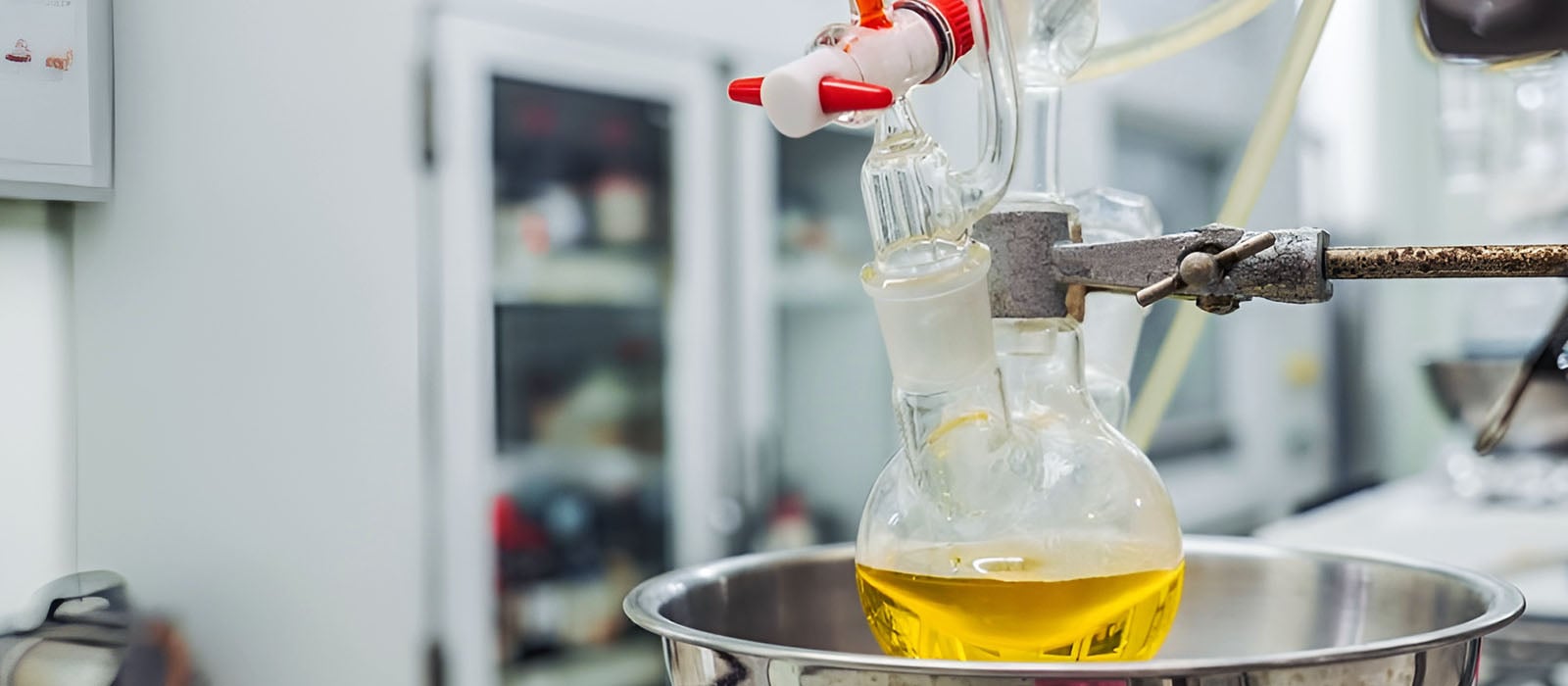
Ensure lab safety with key tips for using a Buchner flask in vacuum filtration and a Dewar flask for storing, handling, or transporting cryogenic liquids.
To ensure safety, laboratories should treat vacuum flasks as pressure-sensitive equipment rather than ordinary glassware and master the best practices to reduce vacuum flask hazards.
A systematic approach to safety when using a Dewar flask and a filtration flask, also called a Kitasato or Buchner flask, begins well before they are put into service and continues throughout their entire life cycle. This guide will help you conduct reliable experiments involving the use of a vacuum flask while ensuring lab safety.
Selecting the Right Flask
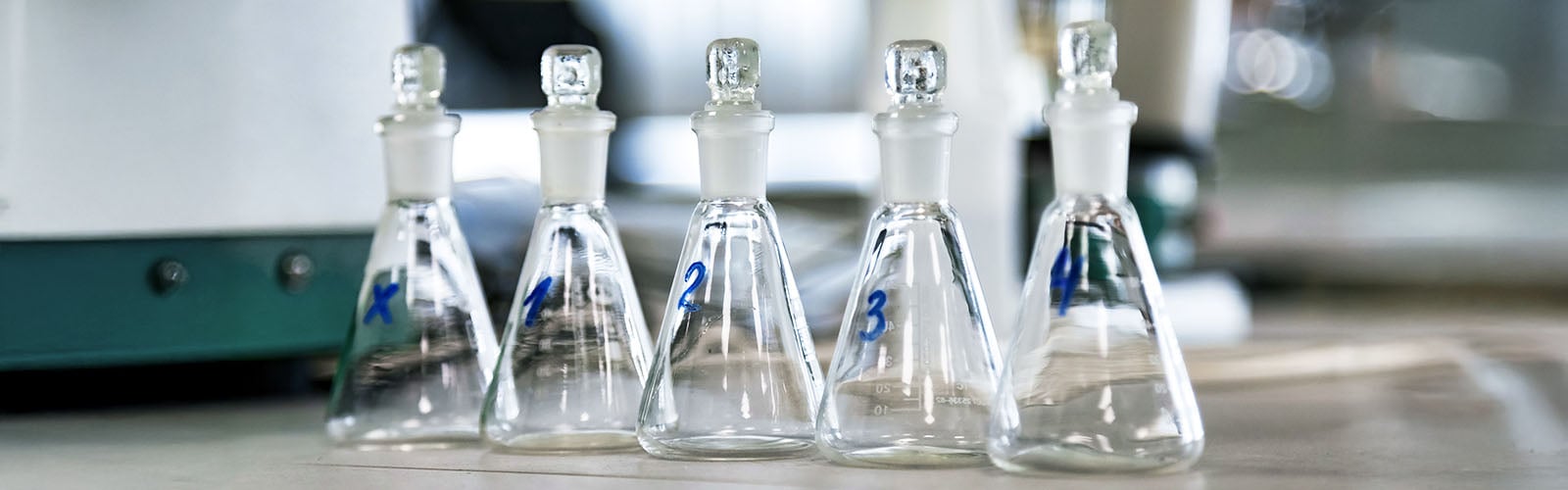
Failing to use the correct laboratory flask can lead to unreliable experiments or cause accidents. When selecting which vacuum flask to use, these important points can help:
- Be mindful of the liquid's volume and flask's size to avoid overfilling. Overfilling can cause cryogenic liquids to splash during transfer or increase pressure.
- Consider the flask's material and design. While heavy-walled borosilicate glass is standard for filtration tasks, plastic-coated or metal-jacketed flasks are an option should you value extra protection. As for Dewar flasks, double-walled stainless steel ones can be tougher than lab-grade glass Dewars for cryogenic applications.
- Check the flask's pressure rating, maximum temperature, and chemical compatibility as indicated by the manufacturer. A filtration flask designed for mild vacuum can implode under high-vacuum conditions. Likewise, an ordinary flask is not fit for liquid oxygen or corrosive cryogens.
Besides these reminders, don't forget to consult the manufacturer's manual and safety data sheets whenever in doubt.

Inspecting Your Flasks
Flasks can fail over time if damaged or compromised. That's why routinely inspecting them lets you catch small defects early before they become major safety concerns. Follow these tips for effective flask inspection:
- Ensure you are in a well-lit area with good lighting when looking for damage. Look for hairline cracks, star cracks around joints, or chipped rims that can grow under stress.
- Make sure vacuum nipples or glass connectors are intact and free from stress marks, and the fittings are not worn out.
- Look for indications of frost between the two walls. The Dewar flask can no longer safely retain cryogenic liquids due to vacuum loss caused by frost.
Plus, a basic log sheet should be kept when examining vacuum flasks. This will assist you in monitoring the vessels' status and in identifying which ones require replacement.
Secure Storage
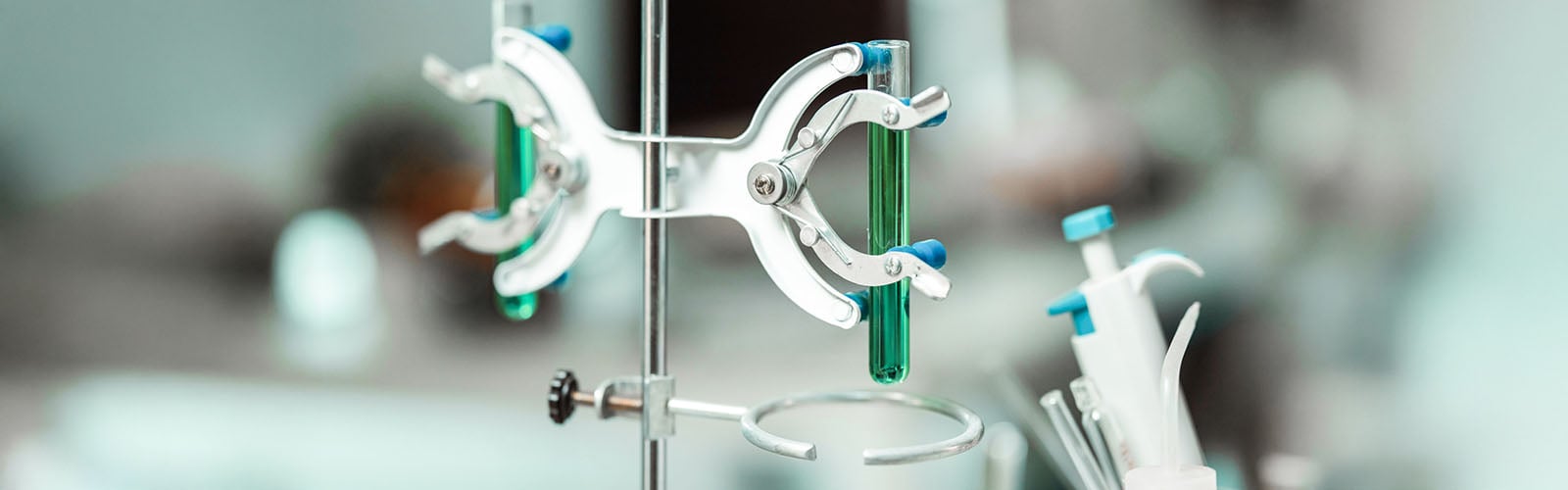
To prevent chemical backflow, tipping, and implosions, it is crucial to use the proper accessories and maintain the flask's stability. Pay attention to these guidelines:
- Use ring stands, clamps, or cradles that fit the flask’s shape for stability. A sturdy setup minimizes vibration and tipping, which can cause the glass to erode.
- Use vented stoppers or lids for Dewars and filtration setups to allow gases to escape safely.
- Always install a cold trap or liquid trap to prevent chemicals or moisture from flowing back into the pump. These traps can also keep the flask from getting contaminated.
- Avoid connecting thin or brittle tubing to pumps to prevent them from breaking under vacuum. Use heavy-walled vacuum tubing instead.
In addition to these tips, keep in mind to maintain enough ventilation around the workspace. This way, the buildup of displaced oxygen from handling cryogens will be prevented.

Essential Personal Protective Equipment (PPE)
The final line of defense against mishaps is personal protective equipment. A lab coat, cut-resistant gloves, and a face shield or safety goggles can protect you against glass implosion and chemical spills when handling filtering flasks under vacuum.
Wear gaiters over closed-toe shoes, safety glasses, long sleeves, and cryogenic gloves when using Dewar flasks for cryogenic applications to avoid cold burns. Remember to take off your watches and jewelry, too, since they can collect liquid and result in frostbite.

Safe Handling and Transport Procedures
Vacuum flasks should be protected from shocks or vibrations at all times. When handling them, avoid dropping or striking them. Prepare a secure setup, and keep them a good distance away from nearby lab equipment or any source of vibrations, such as speakers.
To reduce shocks during transportation, use carts or carriers made for glassware or Dewars. Dewar flasks should always be topped with vented lids to avoid spills, and you should never lift one by the neck alone. For storage, store vacuum flasks upright in low-traffic areas to avoid accidentally knocking them over.
Routine Cleaning and Maintenance
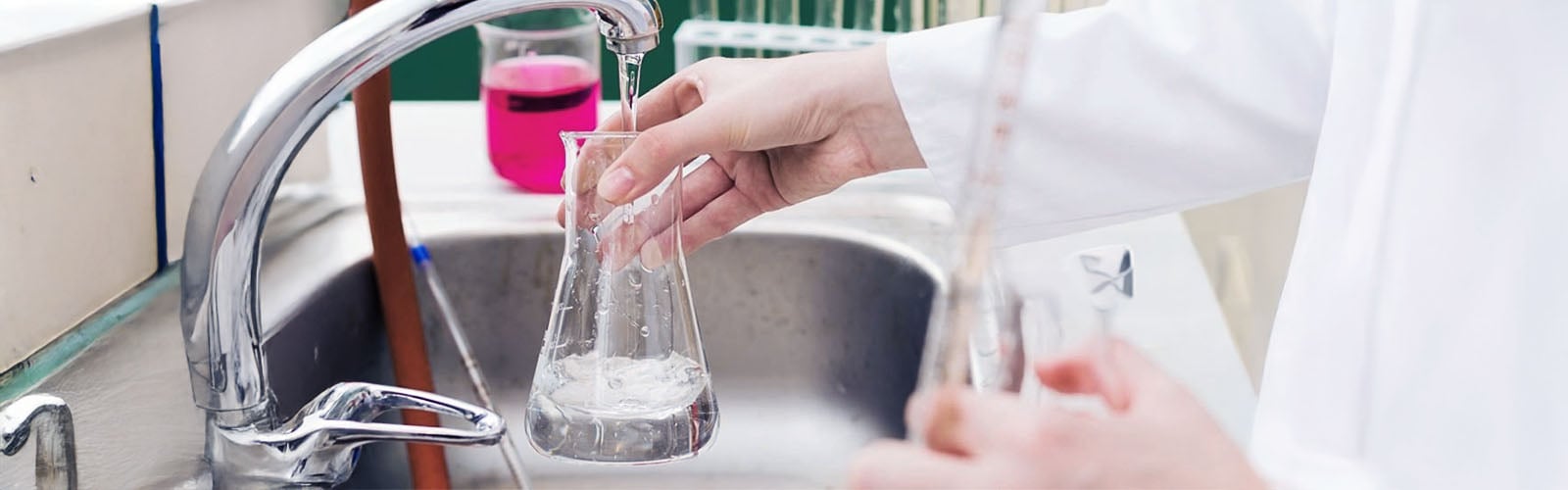
Flasks are less likely to fail unexpectedly or contaminate samples when they are kept clean and well-maintained. For efficient cleaning and upkeep, follow this guide:
- Steer clear of abrasive powders or brushes that can harm the interior of the glass and cause it to deteriorate. Use only lab-grade detergent for glassware and other mild cleaning supplies.
- Dry thoroughly to prevent moisture buildup. Moisture can freeze in cryogenic service or cause contamination under vacuum.
- Replace stoppers, O-rings, vacuum hoses, or other accessories at the first sign of wear.
- Check the service-life guidelines. If an undamaged flask is due for a replacement based on manufacturer recommendations, replace it. Even undamaged glass weakens over time.
- To prevent cross-contamination, clearly mark specific flasks for certain chemicals or cryogens.
Incorporate these procedures into your routine to avoid the most frequent mishaps when using Buchner and Dewar flasks. In addition to reducing the risks of accidents, training all laboratory personnel, displaying standard protocols, and providing quick-reference checklists at the workstation will encourage positive habits and better lab safety.
Looking for top-quality lab flasks? Find them and more at The Lab Depot! Our expert and professional sales team is ready to help if you have product concerns. Contact us at 1-800-733-2522, by email, or through the live chat feature on our website.
Sources:
https://www.labmanager.com/10-tips-to-reduce-vacuum-flask-hazards-19030
https://www1.udel.edu/ehs/research/chemical/vacuum-flask.html
https://www.uvm.edu/safety/safe-handling-glassware
https://www.safetyhow.com/articles/10-tips-to-reduce-vacuum-flask-hazards
https://www.thoughtco.com/how-to-clean-laboratory-glassware-606051