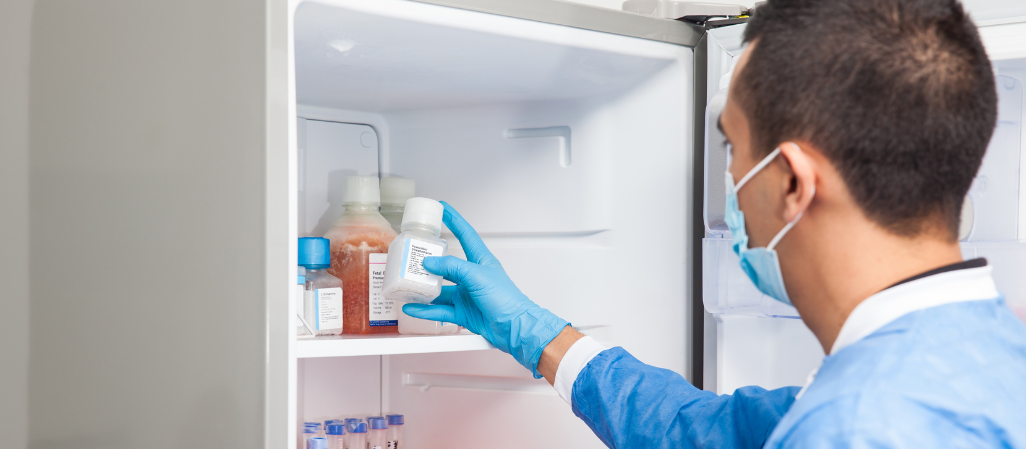
How Does a Home Refrigerator or Freezer Work?
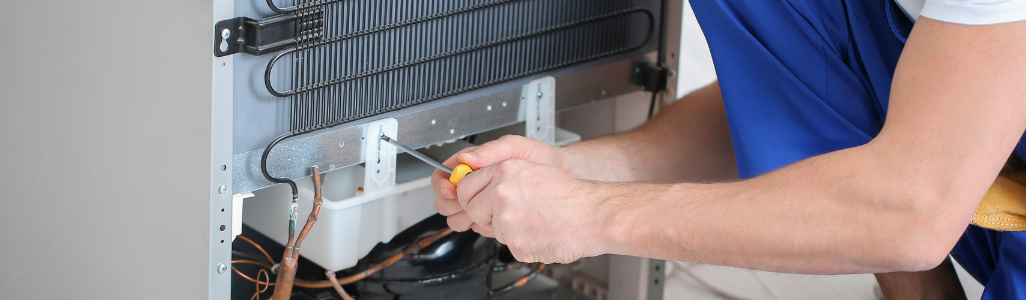
Refrigerators and freezers operate on a closed-loop system that automatically regulates and maintains a desired temperature. To achieve this, these appliances utilize coils (known as condensers) that circulate refrigerant throughout the unit. The refrigerant absorbs heat from the unit's contents and transports it away, effectively separating cold and hot air.
The challenge with this system lies in the accumulation of frost within the unit. To address this issue, most household units incorporate a defrost mechanism. These systems utilize a temperature sensor and/or a timer to prevent frost buildup proactively. By heating the evaporator coils, any ice present is melted, guaranteeing optimal cooling performance, preserving the freshness of stored foods, and eliminating the need for manual defrosting.
What Are Their Limitations and Dangers?
Although household freezers and fridges are low-cost, low-maintenance, and come with proactive defrost mechanisms, there are numerous downsides to using them with lab materials. These limitations include temperature instability, low-quality interior materials and organization, and a lack of monitoring systems in case of component or power failure.
Temperature Instability
Home freezers and refrigerators are not designed to maintain consistent temperatures throughout the unit. They often face temperature fluctuations and differ from layer to layer, mainly during their simple defrost mechanism.
One factor contributing to inconsistent temperatures between layers within a unit is the insufficiency of compressors and probes. Domestic units typically employ a single compressor that is responsible for restoring the temperature after a door opens. However, these compressors do not optimize rapid door-recovery time for frequent door openings. Depending on the quantity and duration of the door openings, it can take several minutes or even hours for the unit to return to its set temperature.
Many domestic refrigerators and freezers only provide a single probe that simulates the temperature of the stored materials. Yet, this temperature simulation may not be accurate, as the temperatures will vary from layer to layer in the unit.
Temperature instability can be dangerous with sensitive chemicals. Storing certain chemicals in a household unit may result in a fire or even an explosion, ruining hundreds or thousands of dollars of stored materials and equipment and requiring a whole new refrigeration unit.
Low-Quality Interior Materials and Organization
Freezer and refrigerator organization are essential when storing samples, chemicals, and other materials. These items may often require specific types of shelves, such as stainless steel racks or drawers, to prevent corrosion.
With home units, users are relatively limited in their options of shelves and have to rely on cheap, plastic shelving. If a spill occurs because of shelf incompatibility, it can easily result in contamination and damage to the shelves. Certain materials can also corrode the unit's walls, floors, and other parts.
Another issue with domestic refrigerators and freezers is their thin condenser tubing. This thin tubing corrodes quickly and contributes to the low life span of at-home appliances. This can leave stored materials vulnerable, especially with the lack of monitoring and backup systems incorporated with these units.
Lack of Monitoring Systems
The main issue with using a home freezer and refrigerator is the lack of alarms, backups, and other systems to ensure temperature and unit stability. Although there are creative ways to assemble alarm systems for high or low temperatures, they may be inaccurate because of the different temperature layers. Additionally, they do not adequately simulate the temperature of the stored materials.
Additionally, they may lack remote alarm contacts to alert individuals regarding an issue outside the facility. Without a backup system, any delay in detecting problems could result in irreparable damage to the stored materials, making it too late for intervention and recovery of possibly thousands of dollars worth of material.
Why Should I Purchase a Laboratory Freezer or Refrigerator?
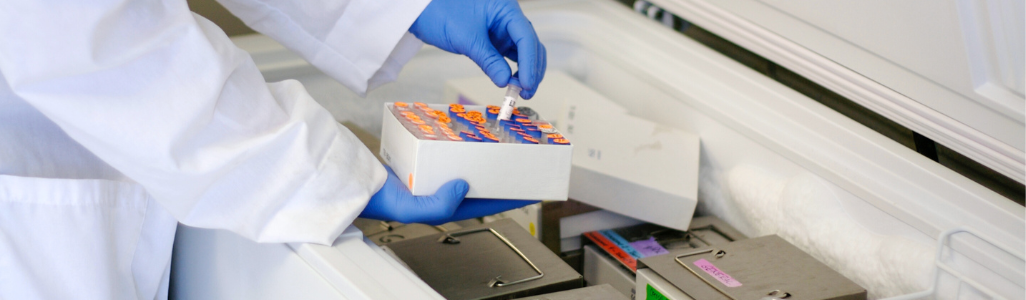
Laboratory refrigerators and freezers are exceptionally durable equipment specifically engineered to provide optimal storage conditions for stored samples. These devices operate similarly to household units but address the limitations and challenges, offering superior performance and reliability in laboratory environments.
Temperature Stability
Unlike home units, laboratory freezers and refrigerators are designed for consistent and stable temperatures throughout the unit. They are equipped with more efficient compressors, ensuring the precise release of refrigerant exactly when and where it’s needed.
To further enhance temperature stability, the lab units feature more temperature probes, which monitor and assist the compressor in maintaining consistent temperatures across all unit layers, minimizing variations and ensuring uniformity.
Additionally, most lab refrigerators utilize cycle, automatic, or manual defrost, while lab freezers use automatic or manual defrost to suit best the defrost method needed for the unit and materials.
Cycle Defrost
Cycle defrost operates on a fixed schedule, periodically defrosting based on a preset time. This method minimizes maintenance and is suitable for storing non-sensitive materials.
However, cycle defrost is not recommended for refrigerators containing sensitive samples or chemicals due to the potential for temperature fluctuations.
Automatic Defrost
A laboratory refrigerator and freezer come with compressors that acclimate to user patterns and lessen temperature variations as much as possible. They can also detect and signal the condensers to remove frost as needed, minimizing temperature fluctuations.
Despite this, using automatic defrost freezers and fridges to store sensitive materials is not recommended.
Manual Defrost
Manual defrost in laboratory cold storage units ensures the best temperature stability and is ideal for sensitive materials. As the name implies, this defrost requires the user to defrost the unit manually rather than relying on the unit to defrost itself.
Although freezers with manual defrost require users to perform additional maintenance to remove frost, they significantly reduce the risk of compromising stored materials.
Be sure to speak with a specialist and consult a user manual to determine the best way to store your materials.
High-Quality Interior Materials and Organization
American BioTech Supply (ABS) and other reputable brands manufacture their laboratory units in the United States, ensuring the highest standards of quality and reliability. Units produced by these brands often feature high-quality interior materials, such as corrosion-resistant coated stainless steel, for the walls, flooring, and adjustable or fixed shelves. These materials resist corrosion and facilitate easy cleaning in case of spills or leaks, promoting a hygienic environment.
Lab units are often equipped with high-quality interior materials, such as corrosion-resistant coated stainless steel for the walls, flooring, and adjustable or fixed shelves. These materials resist corrosion and make cleaning easy if spills or leaks occur, ensuring a hygienic environment.
Also, manufacturers may offer the option to purchase extra shelves or specialized organizational accessories, allowing for customized storage solutions that maximize space and efficiency. The rugged construction of these units, including thicker tubing in the condensers, significantly extends their lifespan, offering users long-term durability and reduced maintenance concerns.
In space-constrained laboratories and facilities, undercounter and countertop freezers and undercounter refrigerators provide enhanced organizational solutions catering to specific requirements. For optimal vertical space utilization, combination units, often referred to as dual-temperature refrigerator-freezers, are available for both specific and general storage purposes. These units facilitate efficient storage and organization, ensuring that valuable laboratory space is effectively used.
These design features provide peace of mind. They ensure the storage environment is secure, easy to maintain, and will achieve optimal performance for many years.
Monitoring and Backup Systems
Lab freezers and refrigerators often have audible and visual alarms to alert users to critical issues such as high or low temperatures, sensor malfunctions, power failures, or open doors. These alarms help identify any problem quickly, protecting sensitive samples and materials. Many of these units also offer remote alert capabilities, sending notifications to designated individuals if the alarms are not heard in person.
Depending on the model, some units also include backup systems to maintain stability during power failures or other emergencies. These backup systems may consist of lithium-ion batteries that provide temporary power and CO2 or LN2 (liquid nitrogen) systems in ultra-low temperature freezers that help sustain refrigeration and prevent temperature fluctuations. These safeguards guarantee that the integrity of stored materials is preserved even during a power outage.
Flammable Storage and Hazardous Location Refrigerators and Freezers
Storing flammable or volatile materials can be dangerous, even for lab freezers and refrigerators. Fortunately, specialty units can handle these conditions and safely store chemicals, solvents, and other hazardous materials commonly found in laboratories.
Both flammable storage and hazardous location units utilize non-sparking components or have components outside the unit in a vapor-proof enclosure to prevent or significantly reduce the chance of sparks during leakage. Hazardous location units take safety a step further, being explosion-proof and made of heavy-duty materials designed to withstand potential explosions. They often require hardwiring into a conduit for additional protection.
Proper maintenance is essential to ensure these units' safe and efficient operation. For specific recommendations, consult the manufacturer's guidelines.
It All Comes Down To Risk

We have now addressed a lot of information regarding home and laboratory units, and it all comes down to risk. Laboratory cold storage units are certainly an investment. However, they have been meticulously manufactured to last years and give your materials the best environment possible.
Not everything requiring cold storage in a lab or facility needs a robust laboratory refrigerator or freezer, such as below-24-hour urine sample storage. If something goes wrong, it is up to you whether the risk is worth the cost of your samples, chemicals, and other materials.
If you require any guidance or assistance, contact our expert team 1-800-733-2522, [email protected], or message us via Live Chat, available on our website.