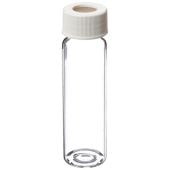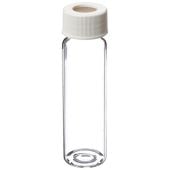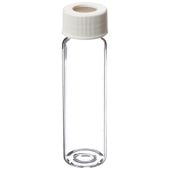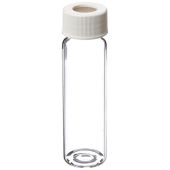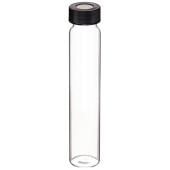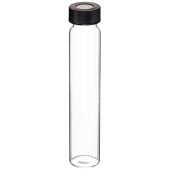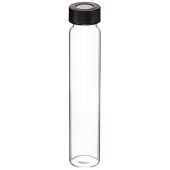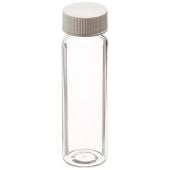

What to Consider When Purchasing VOA Vials
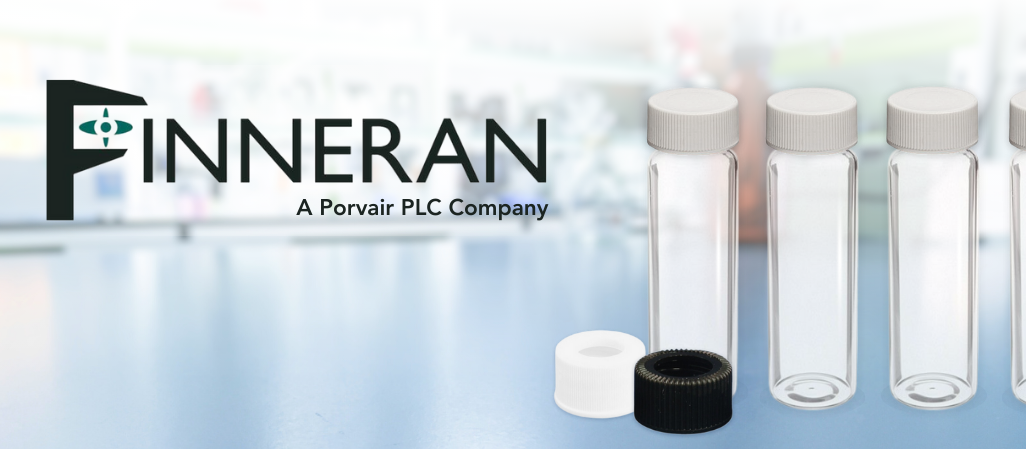
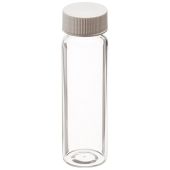
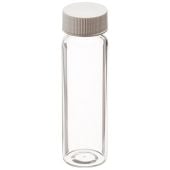
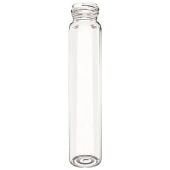
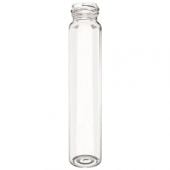
VOA vials, also known as Volatile Organic Analysis vials or EPA Vials, are essential tools in laboratories and field research for analyzing volatile organic compounds (VOCs). VOCs can be either naturally occurring or anthropogenic (human-made) and are harmful when inhaled due to their high vapor pressure rate and low boiling point. The most common VOCs include aromatic hydrocarbons like benzene, toluene, xylene, ethyl benzene, and halogenated hydrocarbons.
When working with these harmful materials, the glassware you buy must meet specific standards to ensure sample and user safety. JG Finneran Associates, a renowned brand in the industry, specializes in manufacturing top-tier VOA vials due to their consideration of various components such as class, closure preference, and more. This article will discuss these topics to help you make the best purchasing decision for your fieldwork or laboratory.
VOA Vial Classes
VOA vials come in three different classifications. These classifications are in accordance with EPA protocol.
Class 1
Containers labeled as Class 1 or Standard are containers assembled with a liner and closure without precleaning treatment.
Class 2
Class 2 vials include the liner and closure while following EPA-recommended washing procedures. These vials are washed with laboratory-grade, biodegradable, non-phosphate detergent. They are then rinsed with ASTM Type I de-ionized water and oven-dried. Finally, the vials are assembled in a contaminate-free environment. Each exterior case that contains the vials will have a document of the “Standard Operating Procedure.”
Class 3
Certified or Class 3 follows the procedures of Class 2 precleaning and assembly. However, each exterior case that holds the vials comes with a “Certificate of Analysis” certified by an independent laboratory to ensure impartial results.
Which VOA Vial Class Should I Choose?
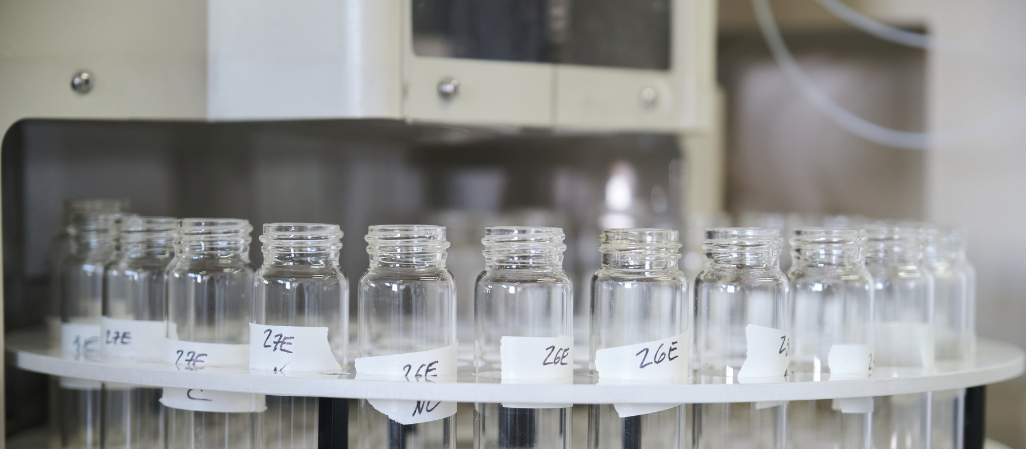
When choosing a VOA vial, the class should be determined by your application, sample sensitivity to contamination, and budget. For instance, Class 1 vials are recommended for less critical analyses and samples that are not highly sensitive to contamination. Additionally, these vials tend to have a lower price point, allowing for additional savings.
Class 2 vials are ideal for samples with moderate susceptibility and more routine analysis. These are ideal for a limited budget while still requiring a certain level of cleanliness.
Class 3 vials are the best choice for samples highly susceptible to contamination. These vials are designed to meet a specific level of cleanliness, which is why they are more expensive due to their rigorous cleaning process and certification.
Open and Solid VOA Vial Closures
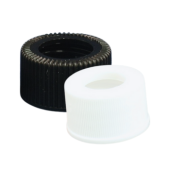
Other considerations needed are the types of closures required for an application. These VOA Vial Closures are polypropylene and have different openings and linings.
Openings
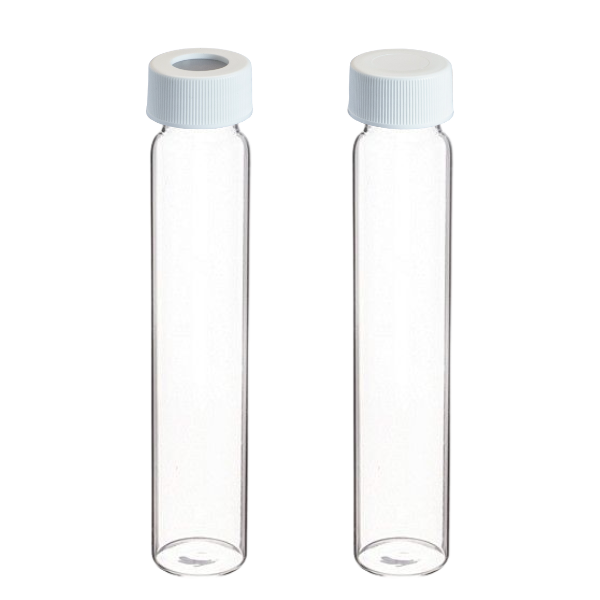
It is essential to select an opening that best suits your application requirements. There are two primary closure openings to choose from: solid and open closures. Solid top closures are best for single-use applications and sample collections, while open top closures are best for applications requiring multiple, small-quantity sample collections.
Linings
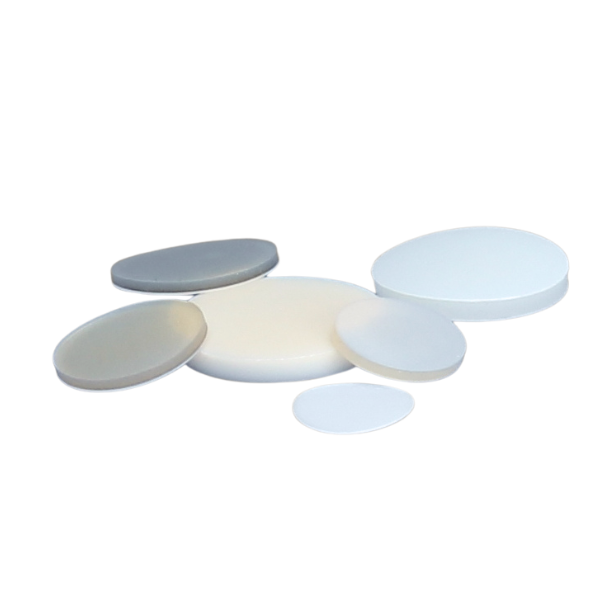
When choosing a closure opening and lining, your decision should depend on your application and personal preference. There are three types of closure lining: PTFE, PTFE & Silicone Septa, and F217.
PTFE
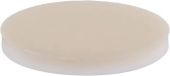
PTFE liners serve as a protective barrier between VOCs and the surrounding environment. This material does not react with the biological sample inside, preventing evaporation. It is important to note that PTFE liners are for single use only, as they cannot reseal once punctured by a needle for sample collection.
It is recommended to use solid PTFE liners that do not have any slits because VOCs can escape through these openings, potentially causing harm to the user and affecting the accuracy of the sample analysis.
PTFE and Silicone Septa
The combination of PTFE and silicone septa helps the user collect multiple samples from open closure VOA vials while avoiding contamination. While the PTFE liner prevents a reaction between the VOC and septa, the silicone septa lining allows needles to collect the sample and reseal themselves after removal.
These liners have some limitations, such as falling out of their closures. However, closures with JG Finneran’s patented Top Hat™ liner are designed so that the silicone septa sit inside the closure’s opening, causing a locking effect. This locking effect dramatically reduces the chance of liners falling out of the closure and provides additional protection against evaporation.
F217
The F217 liners are two solid layers of LDPE with a PTFE low-density foam sandwiched between them. This foam is chemically resistant, provides odor control, and prevents moisture from escaping.
Clear Glass Vs. Amber Glass
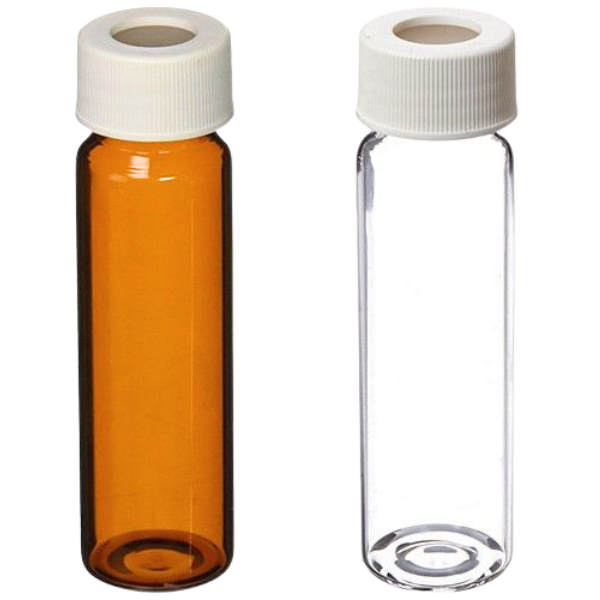
Another consideration is whether clear or amber glass best suits your sample’s needs. Clear glass allows optimal monitoring of the sample’s color, texture, and more. However, amber glass is preferred for samples sensitive to light, ensuring the sample does not become compromised when exposed to UV radiation.
Other Considerations

Many other factors must be considered when choosing the best VOA vial, closure, and other components for your specific applications. Even minor features like color-coded closures can make identification and organization more manageable.
Additionally, the manufacturing location is crucial in ensuring their cleanliness and integrity. All JG Finneran Associates' glassware is manufactured in the USA, ensuring consistent quality and class standards to protect your samples.
Apart from the manufacturing location, the reputation of the manufacturer's brand is also essential. Buying glassware from an unknown brand at a low price could lead to dangerous outcomes, especially when working with VOCs and other potentially harmful materials, including heavy metals or microplastics. Purchasing high-quality vials from a trusted brand will result in better outcomes for you and your samples.
This article discusses VOA vials, including their types, closures, colors, and important features to consider before buying them. It has been peer-reviewed by JG Finneran Associates, an ISO-certified glassware manufacturer based in the United States. JG Finneran has over 45 years of experience, making it an exceptionally reliable brand and an industry innovator and leader.
At The Lab Depot, we offer a wide variety of glassware products in addition to JG Finneran’s VOA vials. If you have any questions or require assistance, contact our expert sales team at 1-800-733-2522, [email protected], or message us via Live Chat, available on our website.
Related Products