

Isopropyl Alcohol vs. Rubbing Alcohol: Is There a Difference?
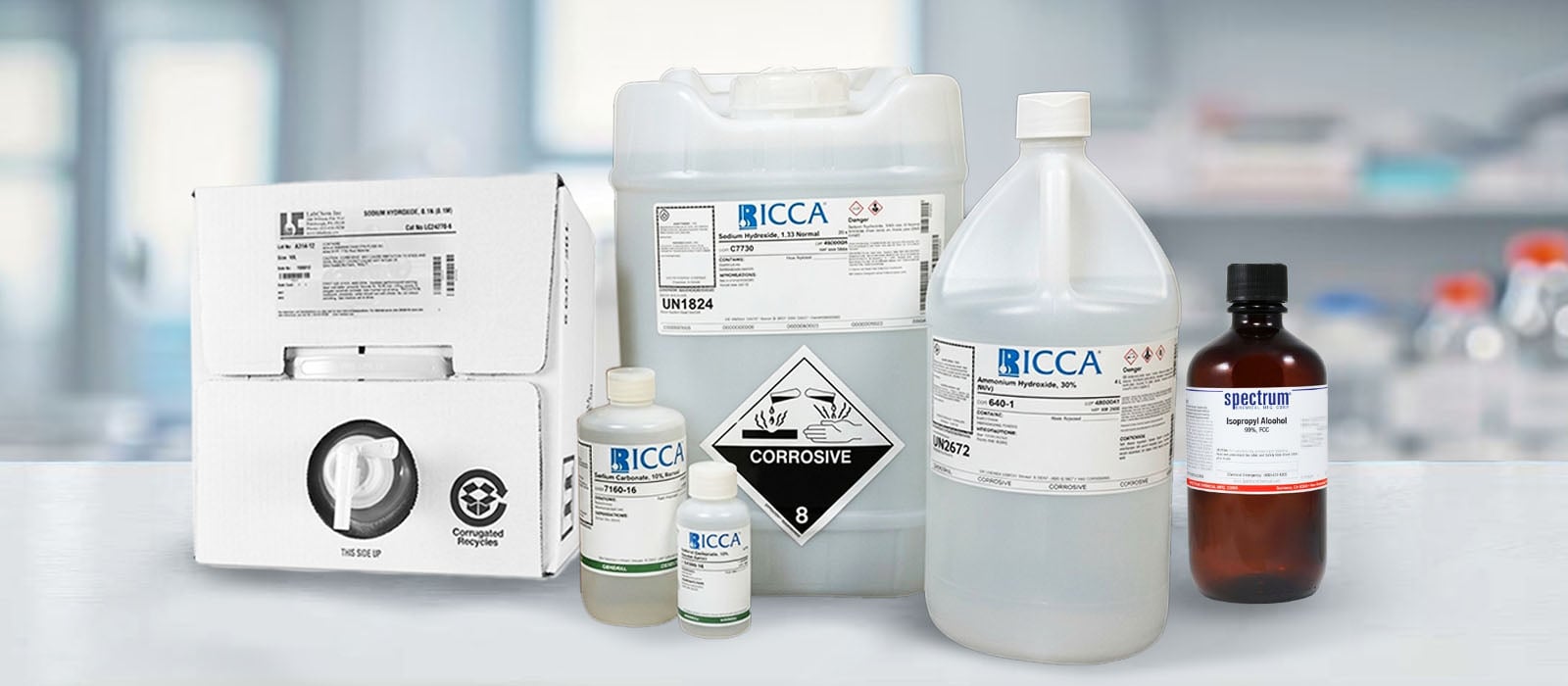
Explore the technical distinctions between isopropyl alcohol and rubbing alcohol and find out when to use the 90%, 50%, or 70% IPA solution.
Isopropyl Alcohol (IPA), or 2-propanol, refers to the pure chemical compound dimethyl carbinol (C3H8O). It is available in several concentrations, most commonly 50%, 70%, 90%, and even 99%, with each version containing a mixture of pure isopropyl alcohol and water. At higher concentrations, IPA is a powerful solvent, but at lower concentrations, it becomes more effective as a disinfectant.
Rubbing alcohol can also kill microorganisms, but is used as a topical antiseptic instead. It is a mixture of 70% IPA and additives, such as stabilizers, perfumes, and denaturants. However, this diluted IPA solution is avoided in laboratory environments because its additives tend to leave behind microscopic residue.
Note: All rubbing alcohol may contain isopropyl alcohol, but not all IPA qualifies as rubbing alcohol, especially when purity and consistency are critical.
The Lab Depot offers a comprehensive inventory of isopropyl alcohol in various concentrations from leading manufacturers, including Spectrum Chemical's 70% Isopropyl Rubbing Alcohol.
When Should You Use Each IPA Concentration?
Different concentrations serve distinct functional roles within your lab or facility. Here's a closer look at each concentration:
90% Isopropyl Alcohol
High-purity isopropyl alcohol acts as a solvent, evaporates almost instantly, and contains very little water, making it the standard for a wide range of tasks.
However, given its ability to evaporate quickly, 90% IPA falls short in disinfection. It simply doesn't stay on a surface long enough to eliminate microorganisms.
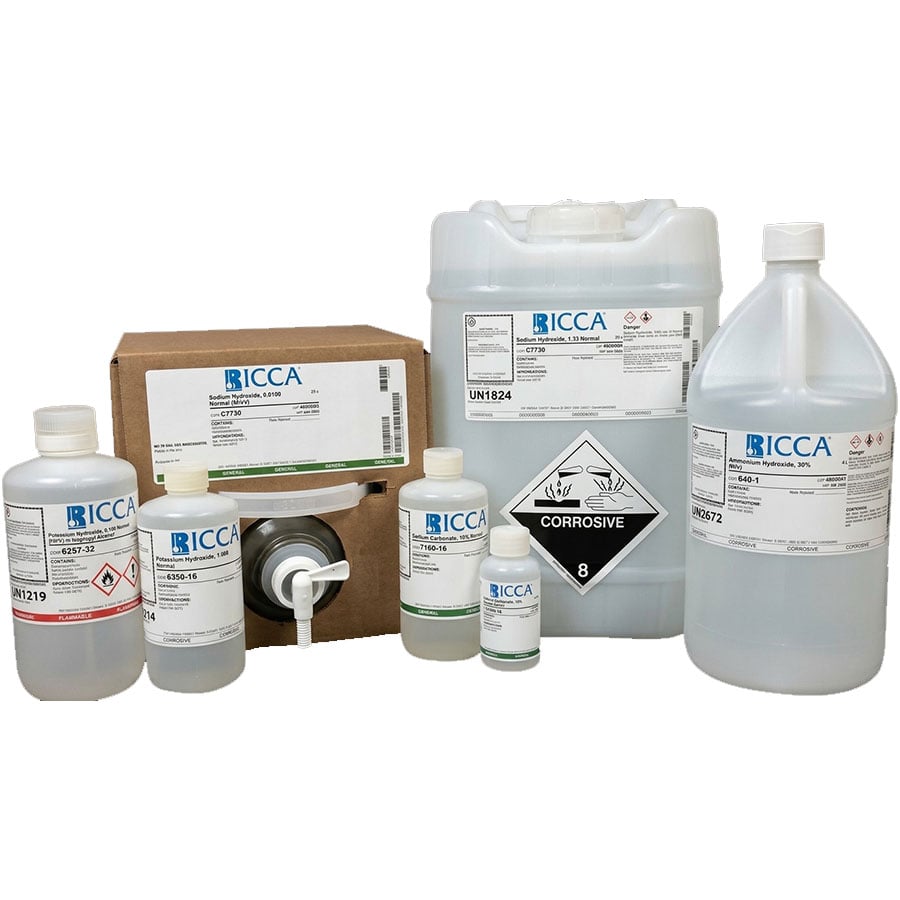
The Lab Depot carries Ricca Chemical's 90% Isopropyl Alcohol (v/v) in 4 L containers. It is ideal for cleaning electronics, dissolving adhesives, and degreasing surfaces.
70% Isopropyl Alcohol
70% IPA, commonly called isopropyl rubbing alcohol, is used as an antiseptic and disinfectant because of its water content. The added water slows evaporation, enough to give the alcohol time to attack microbial cells and denature proteins. This concentration is also used for creating a higher osmotic pressure, which draws the alcohol into the cell.
The 30% water content in a 70% solution makes it perfect for skin and surface disinfection. This also explains why 70% IPA is commonly used to wipe down lab benches or sanitize equipment.
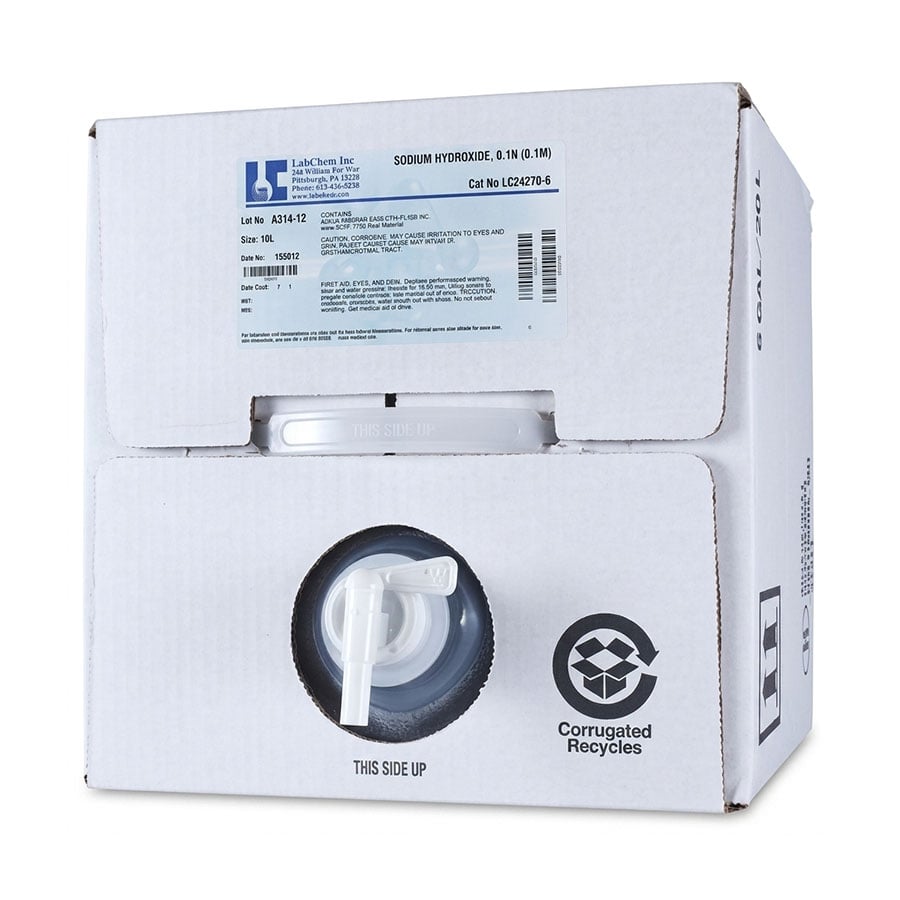
The Lab Depot offers 70% Isopropyl Alcohol (v/v) from LabChem in a wide range of volumes, including 500 mL, 1 L, 4 L, 10 L, 20 L, and 200 L. It is perfect for industrial lab applications, environmental analysis, and analytical testing.
50% Isopropyl Alcohol
50% IPA is less aggressive compared to other concentrations; that's why it is often disregarded for use in a lab setting. It cannot control contamination, but it still has some disinfecting ability.
It can be used as an antiseptic for eliminating microorganisms in minor cuts and provides a cooling effect on the skin. It can be used as a general-purpose cleaning solution, too, for areas where higher IPA concentrations or harsh solvents are avoided.
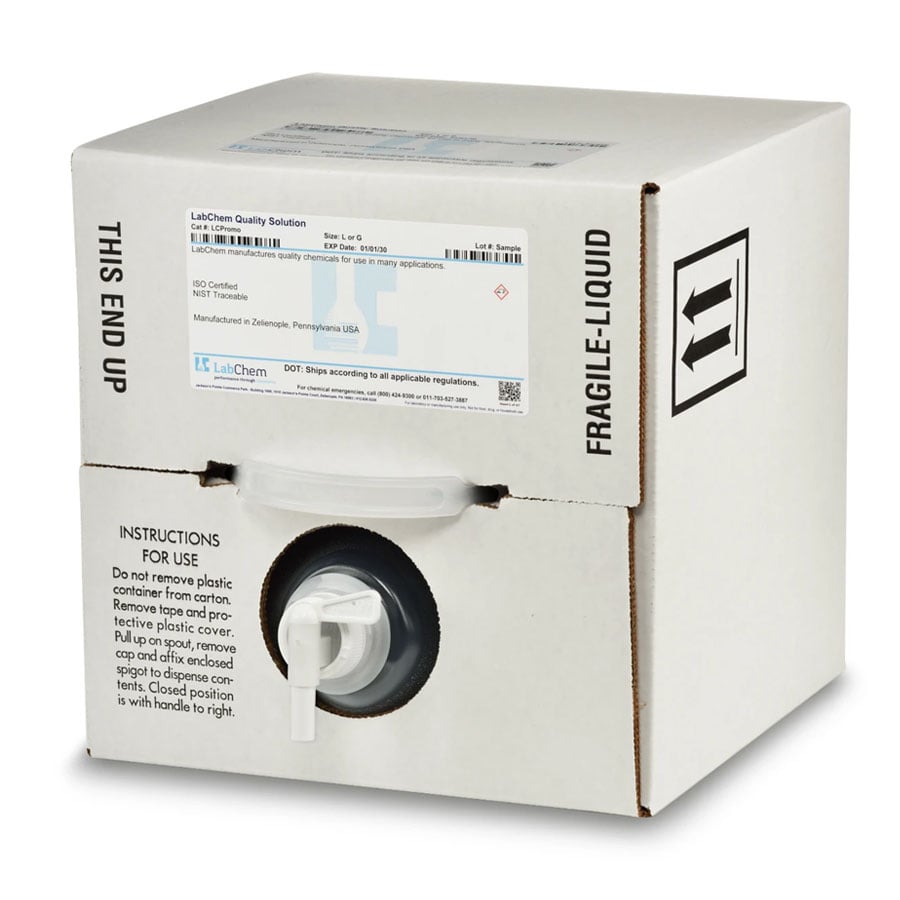
The Lab Depot has LabChem's 50% Isopropyl Alcohol (v/v) in a 20 L size in stock. Pre-mixed and ready-to-use, this IPA solution is excellent for labs with high-volume usage.
Does IPA Concentration Really Matter?
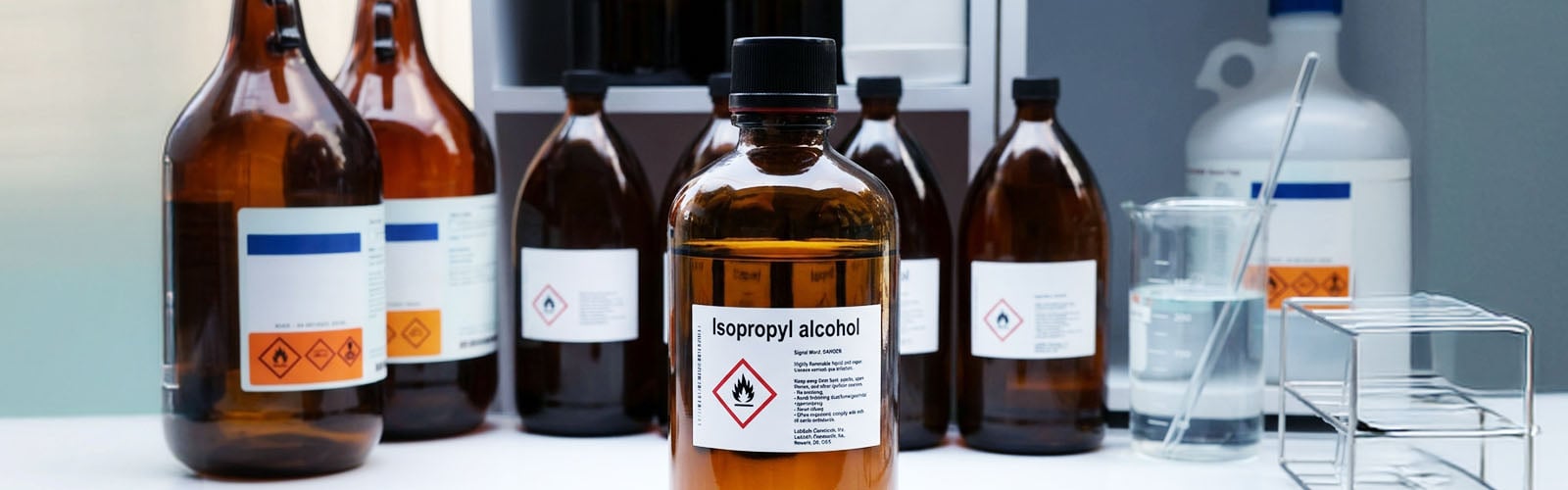
Yes. You might assume 90% IPA is the stronger, more effective choice, but higher concentrations aren't always the answer. Instead of looking at the percentage alone, it's more important to consider what you actually need the alcohol to accomplish.
Better yet, pay more attention to the water-to-alcohol ratio. Besides serving as a diluent, water functions as a catalyst in biological applications. It also regulates evaporation, slowing the process down to help the alcohol penetrate microbial cell walls for disinfection.
Overview: 50%, and 90% Isopropyl Alcohol
| 90% IPA | 70% IPA | 50% IPA | |
|---|---|---|---|
| Evaporation Rate | Fast | Moderate | Slow |
| Water Content | 10% | 30% | 50% |
| Microbial Kill Rate | Lower | Optimal | Low |
| Common Lab Task | Cleaning Electronics | Benchtop Sterilization | Skin Preparation |
| Flammability | Extremely High | High | Moderate |
| Flash Point | 18°C | 21°C | 24°C |
| Surface Tension | Moderate | High | Very High |
| Residue Potential | Trace | Low | Moderate |
Are you looking for reliable IPA solutions for your lab? The Lab Depot team can help! Contact us at at 1-800-733-2522, email, or through live chat on our website.