

How to Protect Petrochemical Lab Equipment From Texas Gulf Coast Humidity
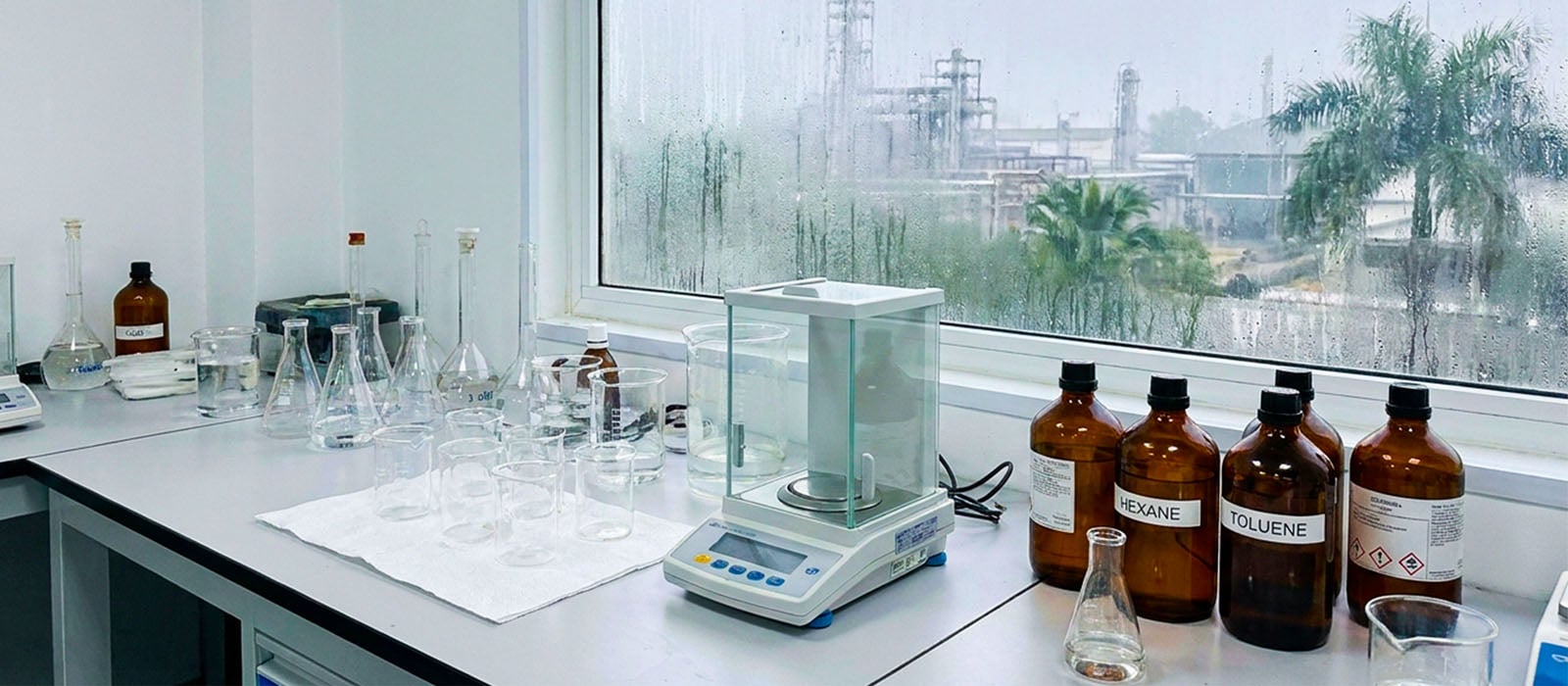
Humid Gulf Coast air can skew results and damage petrochemical lab equipment in Texas. Learn what goes wrong with balances, titrators and reagents and how to fix it.
Walk out of a Houston lab at 7 in the morning in July, and the air is like a wet towel. Walk back in, and the building is almost dry. That's the problem for petrochemical and downstream testing labs along the Gulf Coast.
Houston's average relative humidity is around 75% throughout the year, and the city sees over 100 days a year at or above 90°F. Mornings are typically well over 90% humid, and then it drops down to around 60% by the afternoon.
If you're equipping or upgrading a lab or facility anywhere in the Texas refinery belt, from Baytown down to Corpus Christi, it's worth planning around that pressure instead of discovering it one drifting result at a time.
Lab Equipment and Supplies in Texas Most at Risk From Humidity
Heat and humidity don't hit every piece of equipment equally. In petrochemical and downstream labs, balances, titrators, spectrometers, fume hoods, reagent storage, and glassware are normally affected first.
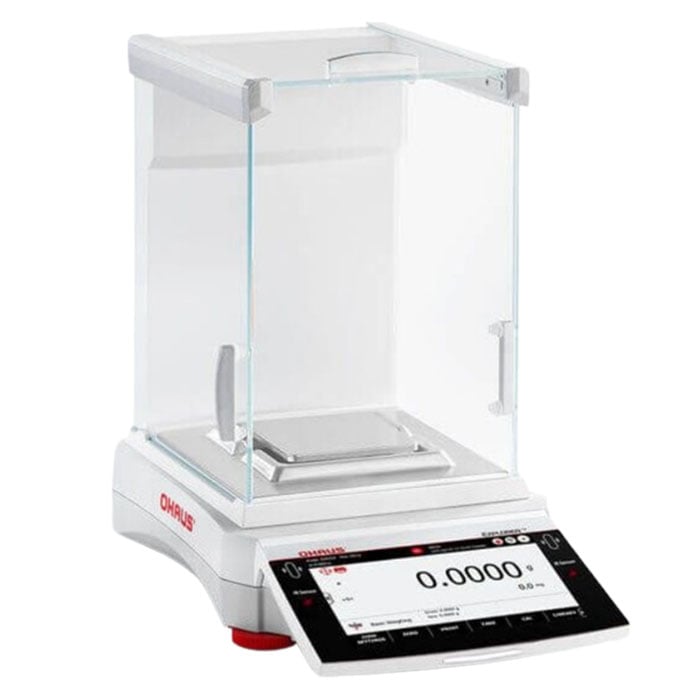
Analytical Balances: Unstable Readings in Humid Air
A good analytical balance from The Lab Depot will tell you the truth about a room before anything else. Manufacturer specs vary slightly, but most fall in the 40% to 60% relative humidity range with room temperature being held constant.
If it gets too humid, your hygroscopic samples will start to absorb moisture from the air as you're still reading the display. If you go too dry, then you'll get static charge and the readings will start to jump around.
How to Keep Balance Readings Stable
-
Keep the balance away from air vents, doors, and windows. Cold air blowing off a vent creates little currents, which manifest as unstable readings.
-
Allow the samples to reach room temperature in a closed container before weighing. 30 to 60 minutes is a common rule of thumb, longer for large or very cold samples.
-
Recalibrate when the circumstances change rather than just on a schedule. A balance that was perfect in March may well be different in the first week of August.
This is also where calibration weights earn their keep. If your lab in Texas works under ISO/IEC 17025, having traceable weights on hand and a documented routine is essential. The balance model itself is of secondary importance.
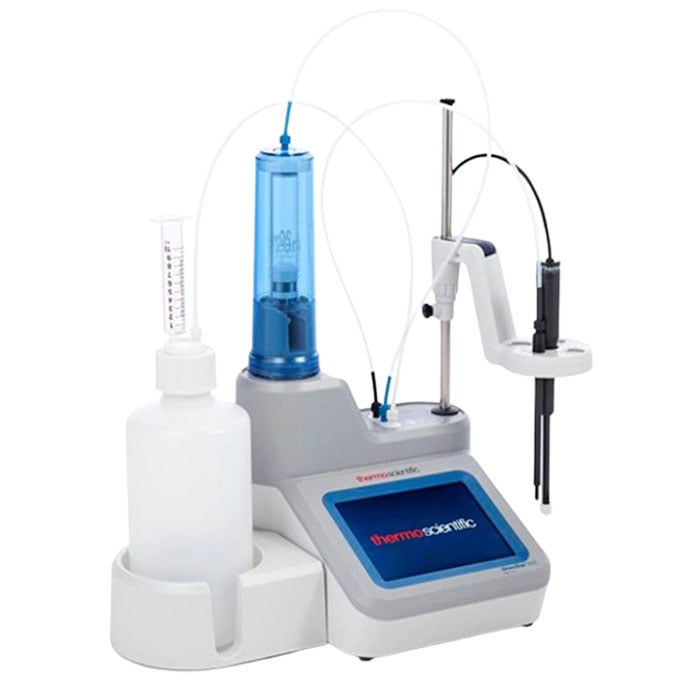
Karl Fischer Titrators: Moisture Ingress and High Drift
A Karl Fischer titrator is one of the most humidity-sensitive instruments in a petrochemical or downstream lab. The trouble is simple. Any moisture that enters the titration cell gets counted, and the titrator burns through reagent trying to deal with it. That shows up as high background drift.
How to Keep Drift Under Control
In practice, most of the drift problems in the humid areas are caused by worn septa, loose fittings, tired seals, or a desiccant tube that has stopped working. It's far cheaper to replace those parts on a regular basis than to chase a result that won't settle. The color-indicating desiccant is a big help in that it allows you to see when it's spent.
Besides checking how well the cell is sealed and how easy the desiccant is to service, placement is also important. Parking your titrator in front of a cooling vent is discouraged, as cooling air raises relative humidity.
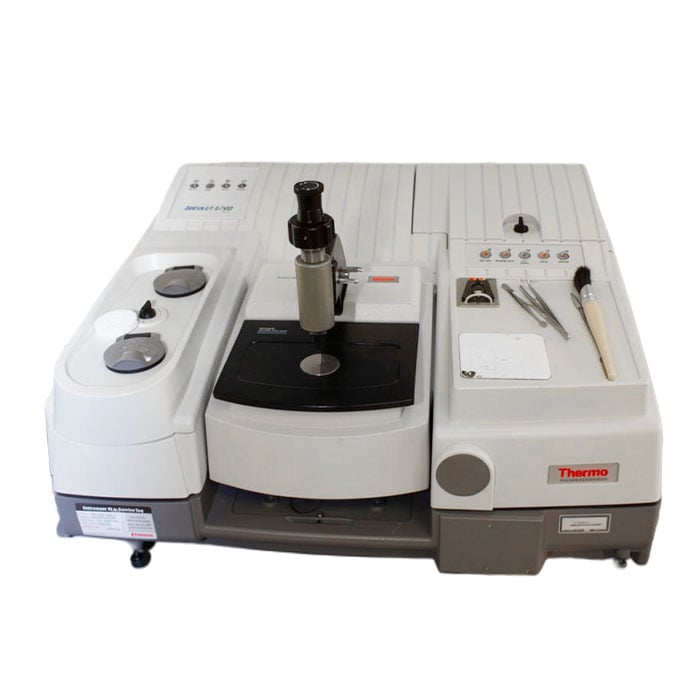
FTIR Spectrometers: Moisture Damage to Optic
An FTIR spectrometer, a common tool for fuel and lubricant analysis, uses optical parts made of potassium bromide (KBr), which absorbs water readily, so humid air can damage them. For one of its benchtop models, Thermo Scientific recommends purging the instrument with clean, dry air or nitrogen, and says this matters most when lab humidity is above 70%. Outdoor air in Houston averages around 75%, so any humidity that gets past your air conditioning is a bigger risk here than it would be in a drier state.
Not every instrument is this exposed. A viscometer or a digital density meter controls the temperature of its own sample, so it generally depends less on room conditions than a balance or an FTIR spectrometer does. Even so, check each manual’s operating range for ambient temperature and humidity, since the limits vary by model.
How to Protect FTIR Optics
-
Check the humidity indicator at least monthly.
-
Replace the desiccant when it changes color.
-
Keep the sample compartment shut when you're not loading.
-
Keep the instrument away from vents and large windows.
Some manufacturers will have a moisture-resistant optics option (e.g. zinc selenide) for use in the humid environment, and several will state very clearly that moisture damage as a result of poor site conditions is not covered by warranty.
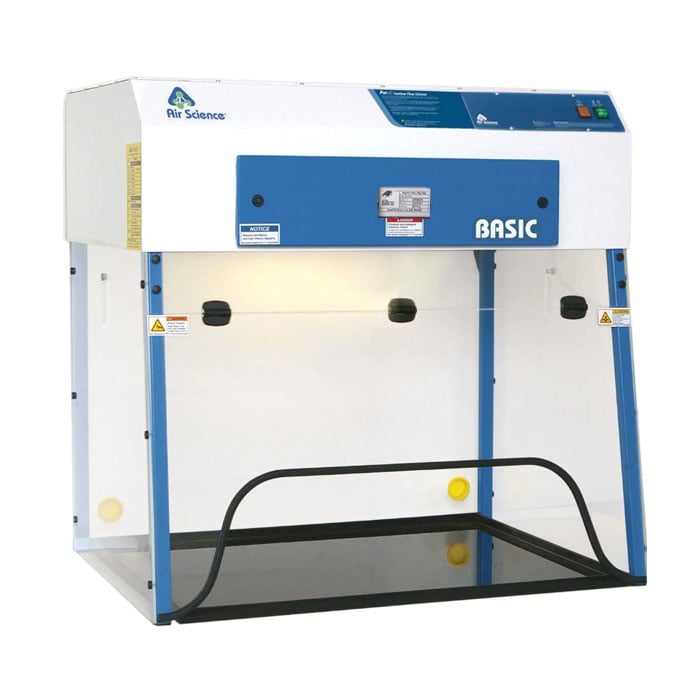
Fume Hoods: High Costs from Conditioning Makeup Air
Every cubic foot of air a fume hood exhausts has to be replaced with outside air, and in this climate that air has to be cooled and dried before it's comfortable or useful. Engineers who design labs in hot, humid regions often use energy recovery on the exhaust side for exactly this reason.
How to Keep Fume Hood Costs in Check
-
Train staff to close the sash when leaving.
-
Work with your HVAC contractor on variable air volume controls.
-
Remove any hoods you don’t use.
If you’re considering new fume hoods from The Lab Depot, consult your mechanical engineer before discussing price, since the building’s HVAC will decide what you can run.
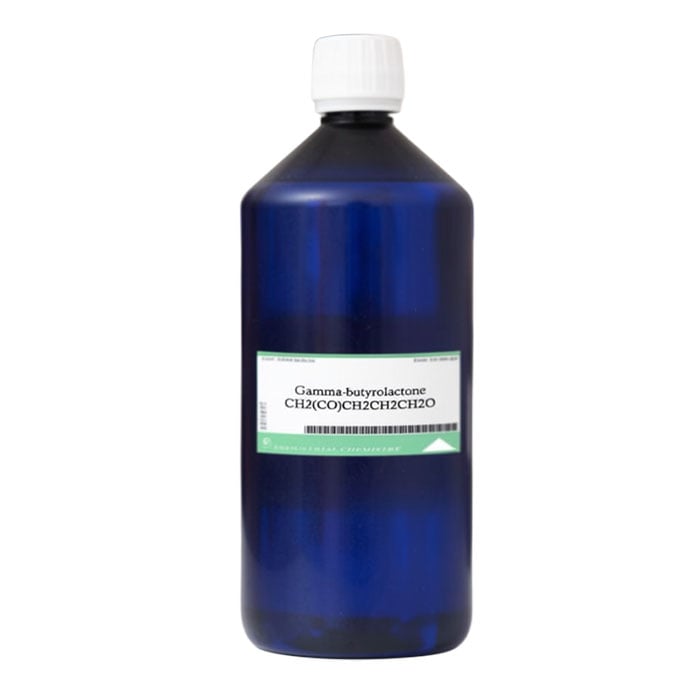
Hygroscopic Reagents: Water absorption in Storage
Solid reagents clump and cake, and some of them will just dissolve in the water they take up; others will just go heavier. A gram on the balance contains less reagent than you think, and every solution you make from it will be weaker than the label says.
Most of the damage is caused by small habits: a cap left loose or a bottle opened in a humid hallway. The purity on the label describes the bottle as packed, not as it sits on your shelf in August.
How to Keep Reagents Dry
A desiccator is the standard answer, and it only works if the seal is good and the desiccant gets recharged or replaced. Greasing the rim of a glass desiccator helps the lid seal properly.
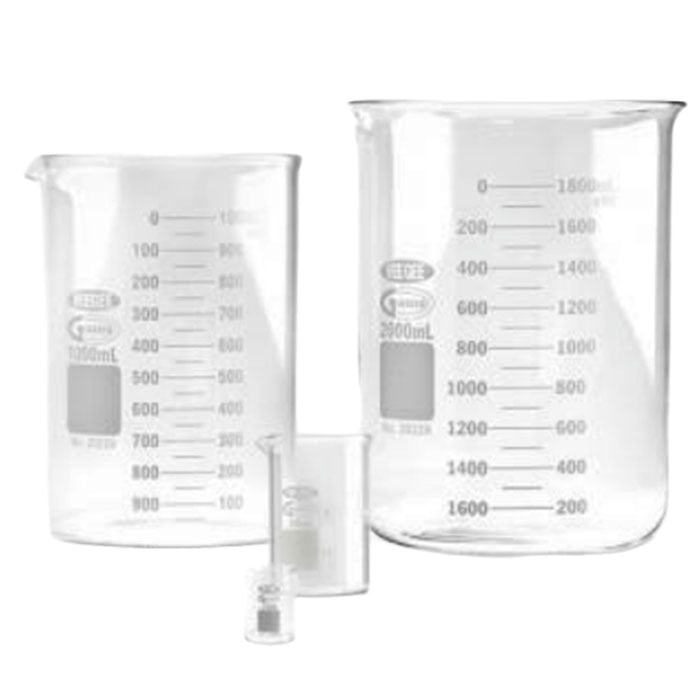
Lab Glassware: Moisture Pickup After Drying
Glass itself doesn't mind humidity, but the drying step does, so glassware that goes through an oven needs a little care. Left to cool on an open bench, it picks up moisture on the way down.
How to Keep Glassware Dry
If a gravimetric or moisture-sensitive method calls for dry glassware, let it cool in a desiccator instead. Whether your laboratory glassware comes out of a glassware washer or a sink, confirm it's fully dry before it meets a moisture-sensitive sample.
If you use reagent-grade water for rinsing and preparation, a water purification system tied to a fixed point in the lab saves you from topping off carboys in a humid storeroom.
Quality Products for Petrochemical and Downstream Labs in Texas
The Lab Depot has been supplying laboratories across North America since 1992, and our catalog covers the essential tools a Texas lab uses: balances and weights, laboratory glassware, ovens, storage organizers, water purification systems, personal protective equipment, and more.
As an authorized dealer, we trust the performance and warranty of the products we sell. We ship equipment and supplies from our headquarters in Georgia and focus on reliable shipping so labs and facilities in Texas receive their orders promptly.
If you need assistance, please contact our expert team at 1-800-733-2522, email, or live chat on our website.
Sources
https://www.smartfog.com/insights/is-texas-humid-a-region-by-region-breakdown-of-texas-humidity/
https://www.southernclimate.org/wp-content/uploads/Gulf_Coast_Climate.pdf
https://www.labmanager.com/troubleshooting-common-karl-fischer-titrator-automation-errors-35055
https://www.onepointesolutions.com/blog/fume-hood-energy-cost-savings/
https://www.csemag.com/lab-research-facility-design-hvac-and-plumbing/
https://pobel.com/en/blog/guides/what-is-a-laboratory-desiccator-and-what-is-it-used-for
https://documents.thermofisher.com/TFS-Assets/MSD/Product-Information/summit-oa-user-guide-en.pdf