

How to Manage Your Lab Budget Under New Tariff Costs in 2026

Discover how to manage your lab budget as new tariffs drive up costs. Learn strategies for leasing, reshoring, and protecting your 2026 research budget.
Running a laboratory in 2026 feels a lot different from how it did just a few years ago. If you've noticed that equipment quotes now come with an expiration date of just a few days, or that the cost of ductless fume hoods has spiked, you're seeing the direct results of a shifting global trade policy. A wave of new tariffs, specifically those targeting metals, electronics, and specialized chemicals, is forcing lab managers to abandon old "business as usual" procurement habits in favor of more defensive financial strategies.
Here is a breakdown of how these changes are hitting lab budgets and what facilities are doing to stay operational.
How Do Trade Barriers Affect Your Lab Budget?
The Metal and Infrastructure Tax
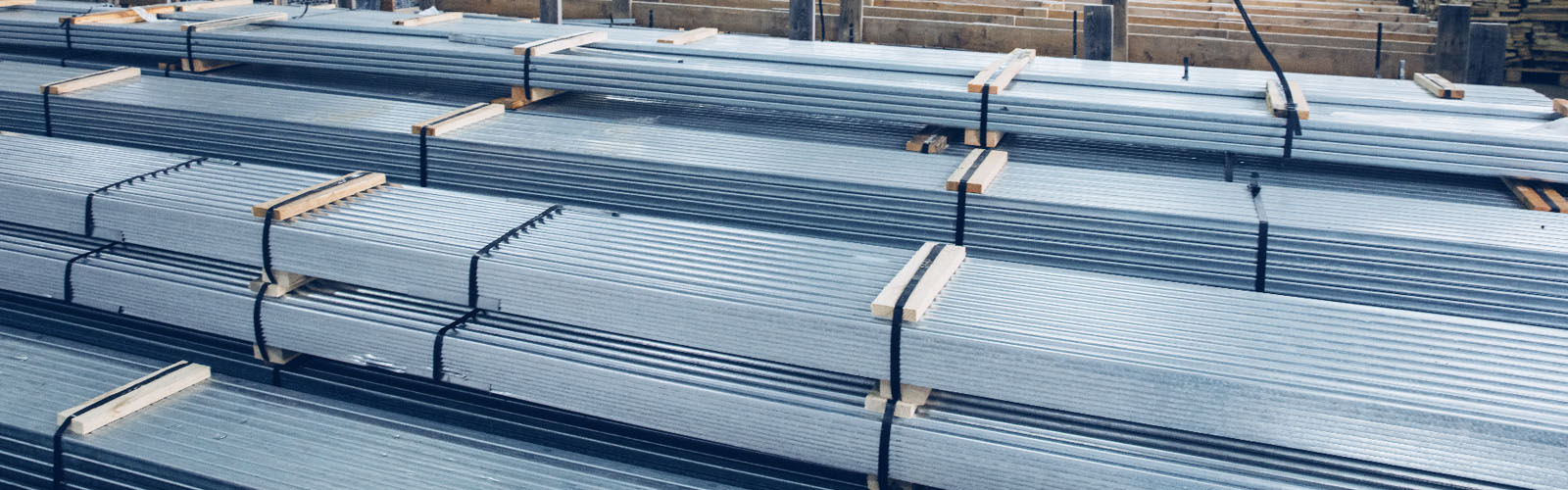
Tariffs on steel and aluminum jumped to 50% in the middle of 2025. That's why replacing old casework, building a new laboratory wing, or conducting research and development in an industrial laboratory have started costing more than they did before.
These metals are found almost everywhere in the lab, from fume hoods and reinforced tables to the internal components of centrifuges and spectrophotometers. Now, with high logistics costs and raw material taxes, making facility upgrades has become a major budgetary hurdle.
The Hidden Costs of Clinical Validation
Many diagnostic instruments are calibrated to work with specific, validated reagents and sterile disposables. However, trade disputes with countries like China are driving up import costs.
Changing a provider that offers more affordable alternatives is not easy for most labs. This process often requires a full re-validation process, which is essential in ensuring the accuracy of patient results. This involves staff time, additional testing, and potential downtime. Consequently, many clinical labs are finding themselves "locked in" to paying higher prices for imported kits and safety apparel because the cost of proving a new, cheaper domestic alternative is equally prohibitive.
How Can Labs Stay Operational Amid Rising Tariff Costs?

Shifting to Domestic Reshoring
Reshoring is the result of the unpredictability of international trade. After decades of looking overseas for the lowest price, many major suppliers are moving their manufacturing plants back to North America. The goal is to avoid the volatility of tariffs and ensure that supply chains aren't snapped by geopolitical shifts.
But this can be both advantageous and disadvantageous. Purchasing lab supplies and equipment domestically means more efficient delivery schedules and shorter wait times. However, U.S.-manufactured equipment can cost more than subsidized imports.
Exploring Strategic Financial Options

Many labs are turning to specialized financial products through partners like The Lab Depot. We currently offer three ways labs can use to help with their financial needs:
Traditional Trade Credit
This option remains the backbone of daily operations, as it allows labs to quickly secure NET terms accounts, with most accounts being processed within 24 to 48 hours. Lab managers can set up an account, apply for credit, or upload an existing credit reference file. All of these can be done directly on The Lab Depot's website, allowing you to lock in pricing before another market shift.
Extended Credit Services
This option offers a way to modernize labs without upfront capital expenditure. Through equipment lease programs and "No Downpayment" terms loans, qualified borrowers can spread the cost of high-ticket items over as long as 60 months. On The Lab Depot's website, you can get a payment quote, set your budget estimation, and apply online.
Line of Credit Financing
Unlike rigid traditional loans, unsecured working capital and hybrid lines of credit offer a more fluid solution. With payment structures available on daily, weekly, or monthly scales, these lines help support your lab's growth and cover operational gaps between major equipment acquisitions.
For expert assistance in choosing the ideal financing option for your lab or finding affordable but quality lab equipment, reach out to our team at 1-800-733-2522, email, or through live chat on our website.