

How to Choose the Right Lab Safety Apparel Material: Protection vs. Comfort
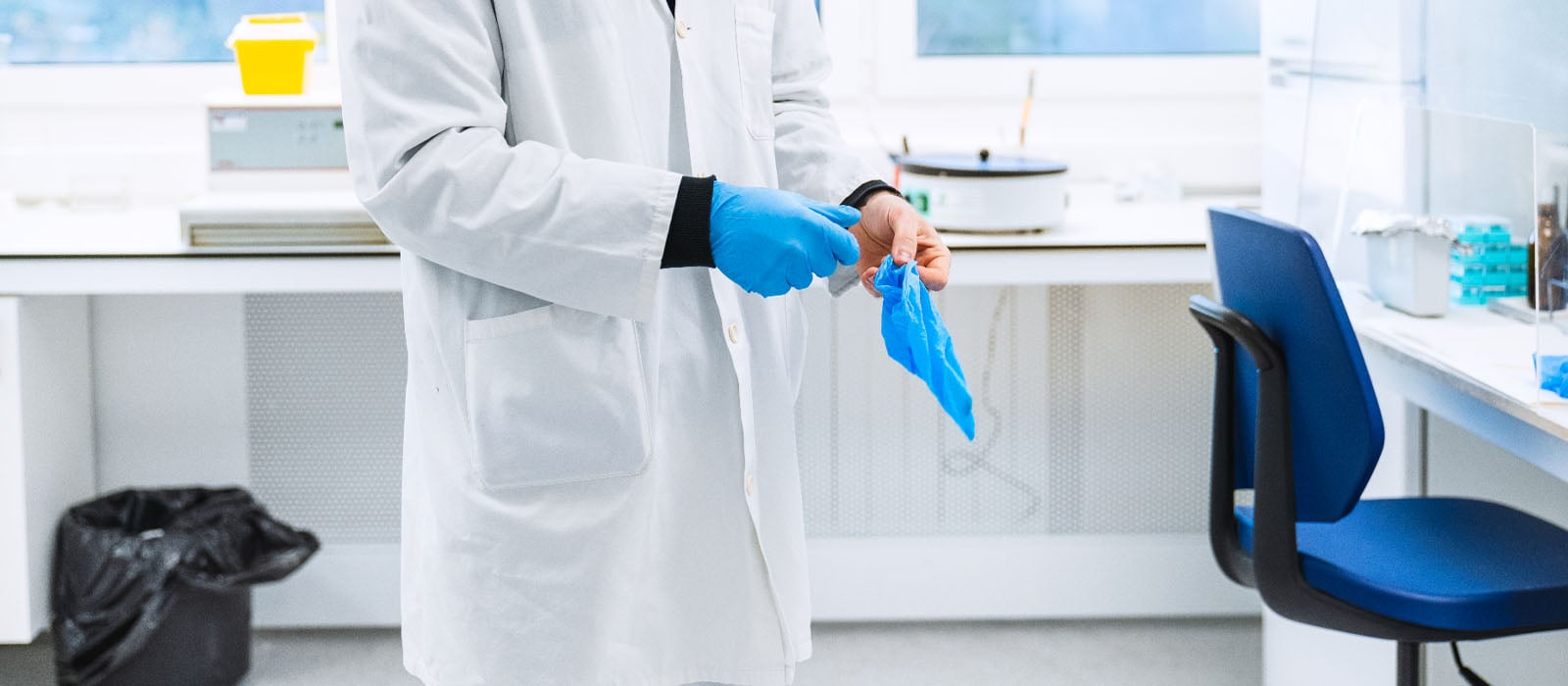
Laboratory safety apparel materials offer different levels of protection. See how SMS, microporous, PE coated, spunbond PP, and PE film stack up.
The materials behind a lab coat, coverall, or apron determine how protected you are and whether you can wear it comfortably through a full shift. That material almost always comes down to one of two types: nonwoven fabric or plastic film.
Nonwovens tend to breathe better and cost less, while films block almost everything but trap heat. Neither material is universally better, as it depends on what you're protecting against. With that context in mind, here's a closer look at the different materials used in lab safety apparel.
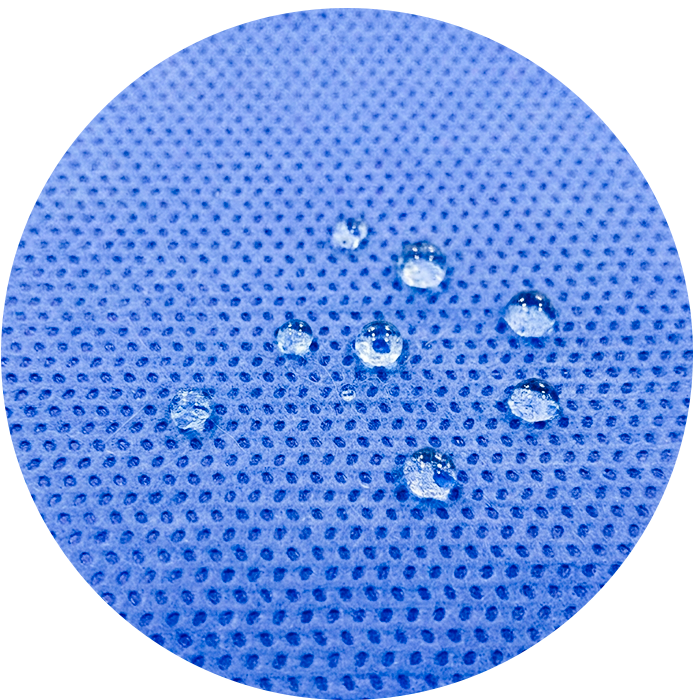
Spunbond-Meltblown-Spunbond (SMS)
This material features three stacked layers, hence its name: spunbond-meltblown-spunbond. The two outer spunbond layers provide strength, and the middle meltblown layer is in charge of filtering particles. It provides moderate liquid resistance and better airflow compared to coated or film alternatives.
| Pros | Cons | Best For |
|---|---|---|
|
|
|
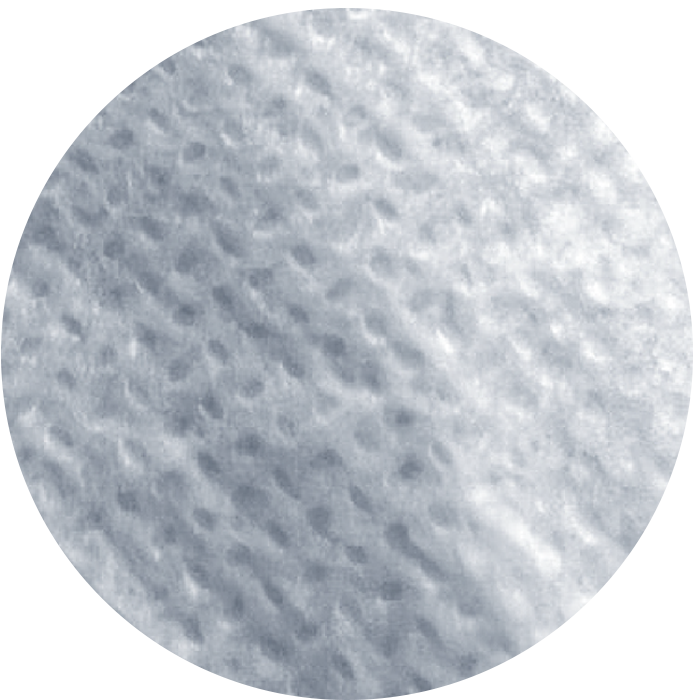
Microporous Fabric
A polypropylene nonwoven base laminated with a film punched through with microscopic pores makes up a microporous fabric material. These pores are small enough to stop liquid and particles from passing through, yet large enough to allow some air and vapor to escape. It is an excellent choice for materials that offer light to moderate protection against chemical splash.
| Pros | Cons | Best For |
|---|---|---|
|
|
|

Polyethylene (PE) Coated Fabric
The two main components of a PE coated fabric are a nonwoven base and a polyethylene film. This coating makes the material a genuine liquid barrier, but at the cost of airflow. In the lab, safety apparel made of PE coated fabric is recommended when liquid contact is expected.
| Pros | Cons | Best For |
|---|---|---|
|
|
|
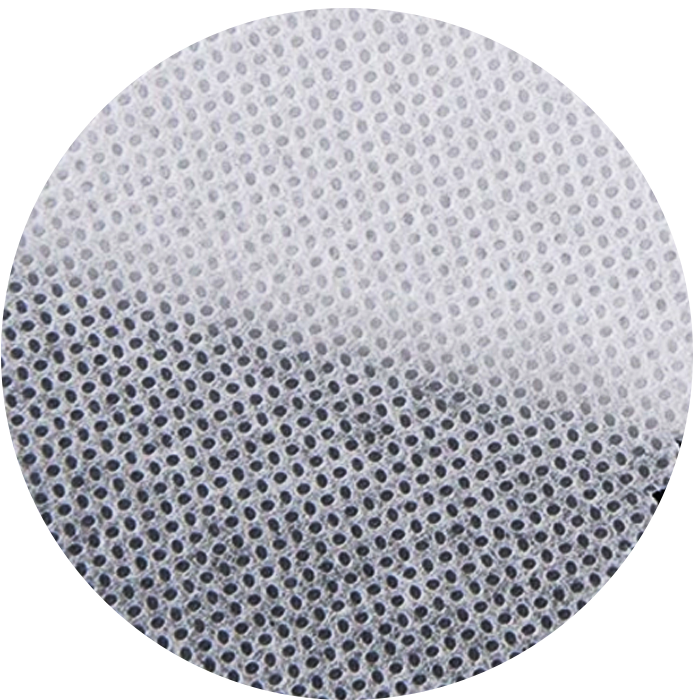
Spunbond Polypropylene (PP)
Spunbond PP is the simplest material used for lab safety apparel. It consists of a single nonwoven layer, the same fabric used in SMS and microporous products. It has no coating, making it extremely breathable but not ideal for applications involving chemicals or fluids.
| Pros | Cons | Best For |
|---|---|---|
|
|
|
Polyethylene (PE) Film
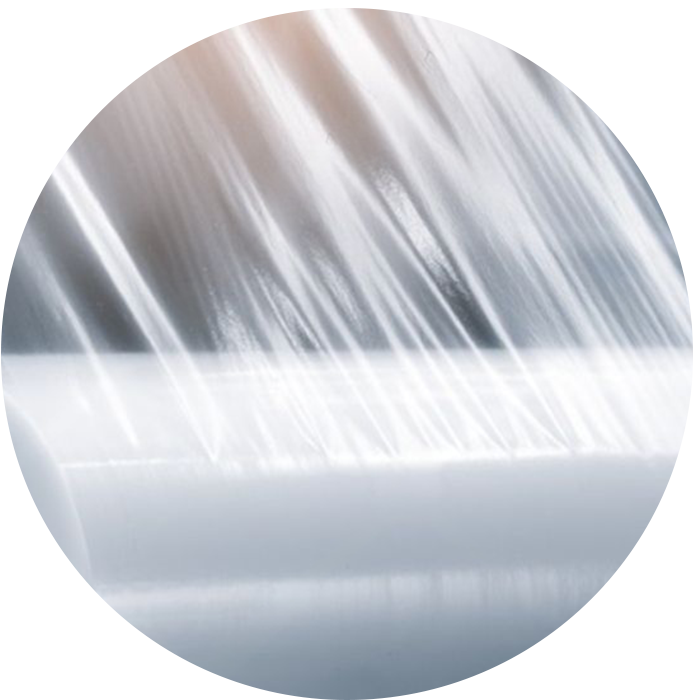
This material is a continuous plastic sheeting without a woven or bonded fiber structure. It's just plastic sheeting often worn on its own as an apron or sleeve, and can be laminated onto other fabrics as a heavy-duty coating. It offers strong liquid and chemical resistance, especially during high-risk tasks.
| Pros | Cons | Best For |
|---|---|---|
|
|
|
Lab Safety Apparel Materials Compared
No single material wins across the board, as each one trades off differently between protection and comfort. Here's how the five materials compare once you put breathability, barrier strength, durability, and comfort side by side.
| Material | Breathability | Liquid Barrier | Durability | Comfort |
|---|---|---|---|---|
| SMS | High | Medium | Medium-High | High |
| Microporous | Medium | Medium-High | Medium | Medium |
| PE Coated | Low | High | Medium | Low-Medium |
| Spunbond PP | High | Low | Medium | High |
| PE Film | Very Low | Very High | Low-Medium (unless reinforced) |
Low |
Frequently Asked Questions
What is the most breathable safety apparel material?
Spunbond PP tends to breathe the best of the group, with SMS close behind. Both make sense to use when dust or light contamination is the concern rather than liquids or chemicals.
Which material offers the best chemical protection in the lab?
PE film offers the strongest barrier of any material covered in this guide and is the clear choice when chemical protection is the top priority. For less severe exposure, PE coated fabric will suffice. Keep in mind that resistance depends on the chemical you'll be using, so check which liquids you'll be handling before choosing a safety apparel material.
Can SMS fabric be used for biohazard handling?
Yes, to some extent. SMS fabric works for light biological contact and general contamination control, but it's not built for sustained fluid exposure. When biohazard work involves significant fluid contact, PE coated fabric is the better choice.
What's the difference between microporous and PE coated fabric?
Microporous fabric uses microscopic pores to block liquid while keeping some breathability intact. PE coated fabric, on the other hand, uses a solid polyethylene film. Although it offers stronger liquid protection, it barely lets any air through.
Are spunbond PP coveralls reusable?
No, most spunbond PP coveralls are strictly disposable due to their lightweight material. Unless the manufacturer explicitly rates a particular model for reuse in their technical specs, treat them as single-use PPE.
How do I check if my lab apparel is compliant?
Review the product paperwork for certifications, such as OSHA, ANSI/ISEA, or EN guidelines. If the manual is unclear on what it covers, check with your facility's safety manager. You can also request a full specification sheet from the manufacturer.
At The Lab Depot, we carry reliable safety apparel, supplies, and furniture from trusted manufacturers. To help you find the items you need, contact our expert team at 1-800-733-2522, email, or through live chat on our website.
Sources:
https://business.medtecs.com/sms-vs-smms-nonwoven-fabric/
https://labproinc.com/blogs/ppe-apparel/differences-between-microporous-and-sms-cleanroom-frocks
https://business.medtecs.com/fabrics-materials-for-medical-gowns-and-disposable-coveralls/
https://www.dispowearprotection.com/sbpp-vs-sms-vs-pe-laminate-fabric/
https://cleanroomworld.com/blog/protecting-the-safety-of-employees-with-cleanroom-garments/
https://droppe.com/blog/article/disposable-lab-coat-materials-an-overview-of-common-fabrics/
https://www.lakeland.com/type-6-disposable-coverall-liquid-protection/