Discover how green solvents are transforming chemical processes with eco-friendly, efficient, and sustainable solutions.
Solvents primarily dissolve, dilute, or facilitate the interaction of reactants in chemical reactions and industrial processes. However, conventional solvents like benzene, chloroform, and methanol threaten human health and contribute to environmental pollution, as many are toxic, volatile, or non-biodegradable. This issue has called for more sustainable alternatives, such as green solvents.
Why Do We Need Green Solvents?
Also known as environmentally friendly solvents, green solvents align with the 12 principles of green chemistry, a framework developed in the 1990s by Paul Anastas and John Warner. It promotes safer chemical practices by minimizing waste, reducing toxicity, and designing processes that conserve energy and resources.
Using green alternatives results in cleaner product processes and less hazardous waste. It reduces the release of harmful volatile organic compounds (VOCs) into the atmosphere and promotes ecological balance by preventing the accumulation of toxic substances in ecosystems.

How Can Solvents Be Classified as Green?
For a solvent to be considered environmentally friendly, it should possess these key properties and characteristics:
Biodegradable: Green solvents do not persist in groundwater, surface water, or the air because enzymes and microbes can break them down.
Compatible: These solvents are suitable for use with different materials, from natural fibers to metals, providing flexibility without damaging equipment or substrates.
Highly Soluble: Most environmentally friendly solvents can be utilized in various applications because they effectively dissolve organic and inorganic compounds.
Less Toxic: Sustainable solvents have much lower levels of hazardous components and are significantly less volatile. These characteristics make them less of a threat to the environment and human health.
Less VOC Content: Conventional solvents produce high VOC content, resulting in more smog, polluted air, and increased health risks. On the other hand, green solvents have low VOC content, making them much safer to use.
Non-Flammable: Eco-friendly options are often less flammable, offering safer handling and reduced fire risk during storage and transport.
Reduced Carbon Footprint: Non-toxic solvents produce low levels of CO2, which helps reduce pollution and lessen the effects of climate change.
Regulatory Compliant: Sustainable solvents undergo strict testing to ensure they are safe, effective, and compliant with industry regulations.
Renewable: Eco-friendly solvents are made from renewable plant materials, biomass, and food waste, which do not produce greenhouse gases.
Selective: Many green alternatives provide targeted extraction for specific compounds. This improves separation processes and eliminates the need for unnecessary purification.
Classification of Green Solvents
One way of classifying these solvents is by dividing them into categories based on their properties and origins. These solvents can be grouped into bio-based, water-based, supercritical fluids, and deep eutectic.
|
Composition |
Properties |
Applications |
| Bio-based Solvents |
Renewable biomass sources, such as plants, algae, or microorganisms |
Non-toxic, biodegradable, have low VOC content |
Extraction processes, cleaning agents, coatings, personal care products |
| Water-based Solvents |
Water with small amounts of other solvents or additives |
Non-toxic, non-flammable, have low VOC emissions |
Paints and coatings, adhesives, cleaning products, textile manufacturing |
| Supercritical Fluids |
Gases or liquids above their critical temperature and pressure |
Low viscosity, high diffusivity |
Herbal extraction, decaffeination, essential oil extraction, pharmaceuticals, food processing, materials science |
| Deep Eutectic Solvents |
Eutectic mixture of at least two components, typically a hydrogen bond donor (HBD) and a hydrogen bond acceptor (HBA) |
Low toxicity, low volatility, high thermal stability |
Extraction of bioactive compounds from plant materials, catalysis, electrochemistry, metal processing, biomass conversion, separation processes |
Bio-based Solvents
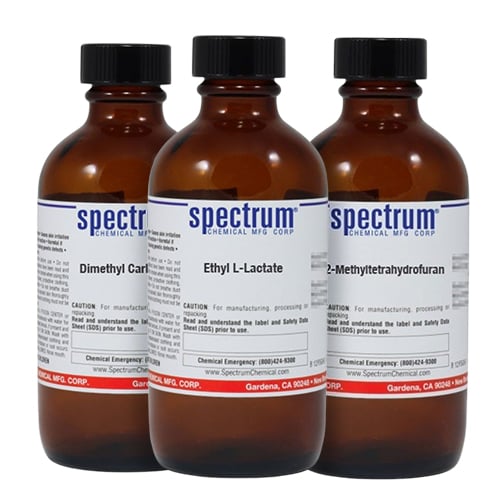
Bio-based solvents, or biosolvents, are produced from plants, mineral raw materials, microorganisms, or other renewable biomass sources. While primarily used in extraction processes, they can also be valuable in different applications, such as personal care and cleaning products.
Unlike conventional options, biosolvents are eco-friendly, biodegradable, and have reduced toxicity and lower environmental impact. They are readily available, low cost, and safe to manufacture. Here are some examples of this type of solvent:
Water-based Solvents
Water mixed with small amounts of additives or other solvents primarily comprises water-based solvents. Because of their composition, these solvents have low toxicity and high boiling points, are abundant, and are less costly to produce.
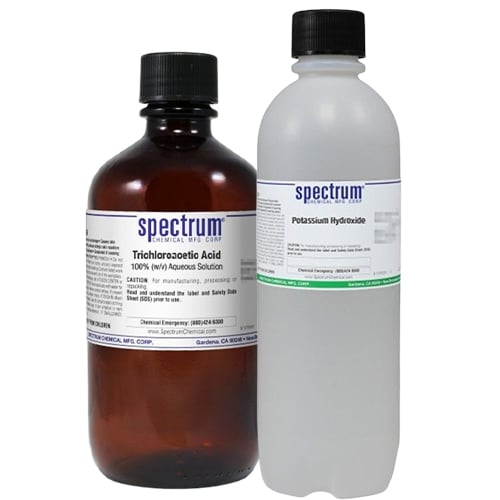
Unlike organic solvents, water-based solvents have minimal health and safety risks, lower VOC emissions, and reduced flammability. Some examples of these are:
- Water
- Aqueous Solution of Acids
- Aqueous Solution of Bases
- Aqueous Alcohol Solutions
- Aqueous Organic Solvents
Supercritical Fluids
A substance kept above its critical temperature and pressure is called a supercritical fluid.. Supercritical fluids are typically liquids and gases and are regarded as eco-friendly due to their low toxicity and zero risks of causing fire. They also have excellent solvating properties, effectively dissolving non-polar and polar compounds.
Like other sustainable solvents, supercritical fluids have a low environmental impact. They do not contribute to pollution as they have significantly less VOC emissions. Common supercritical fluids used in labs and industries include:
- Supercritical Carbon Dioxide (scCO2)
- Supercritical Water (scH2O)
- Supercritical Ethanol (scEtOH)
- Supercritical Propane (scC3H8)
- Supercritical Nitrogen (scN2)
Deep Eutectic Solvents
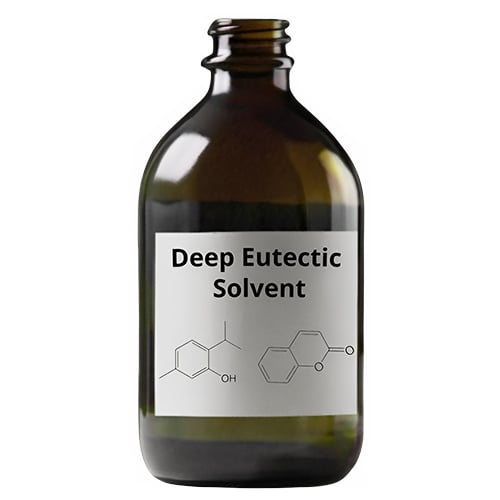
Deep eutectic solvents (DES) refer to mixtures containing two bio-based or non-bio-based components with a melting point lower than the individual components. When HBD components mix with HBA components, they form a eutectic system, with the hydrogen bond interactions giving DES the ability to dissolve various solutes.
DES functions as reaction media for chemical reactions, possesses tunable properties with the different HBD-HBA combinations, and has high solubility for non-polar and polar compounds. These characteristics make them ideal for organic synthesis, chromatography, electrochemistry, and metal extraction. The following mixtures are examples of DES:
- Choline Chloride-Urea
- Choline Chloride-Glycerol
- Choline Chloride-Ethylene Glycol
Now that you know the properties and classifications of green solvents, you can confidently follow industries that embrace safer and more sustainable practices, helping to reduce environmental impact while enhancing innovation.