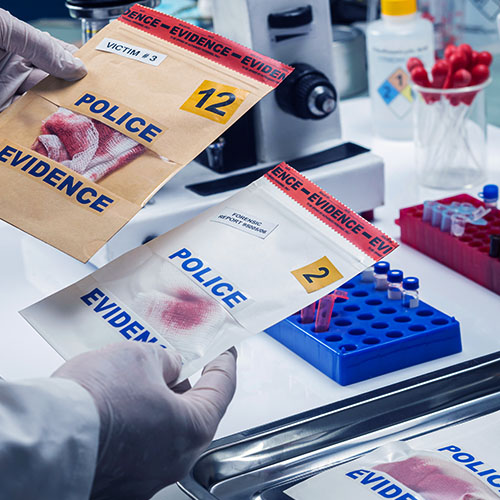
What Forensic Lab Equipment Do You Need?
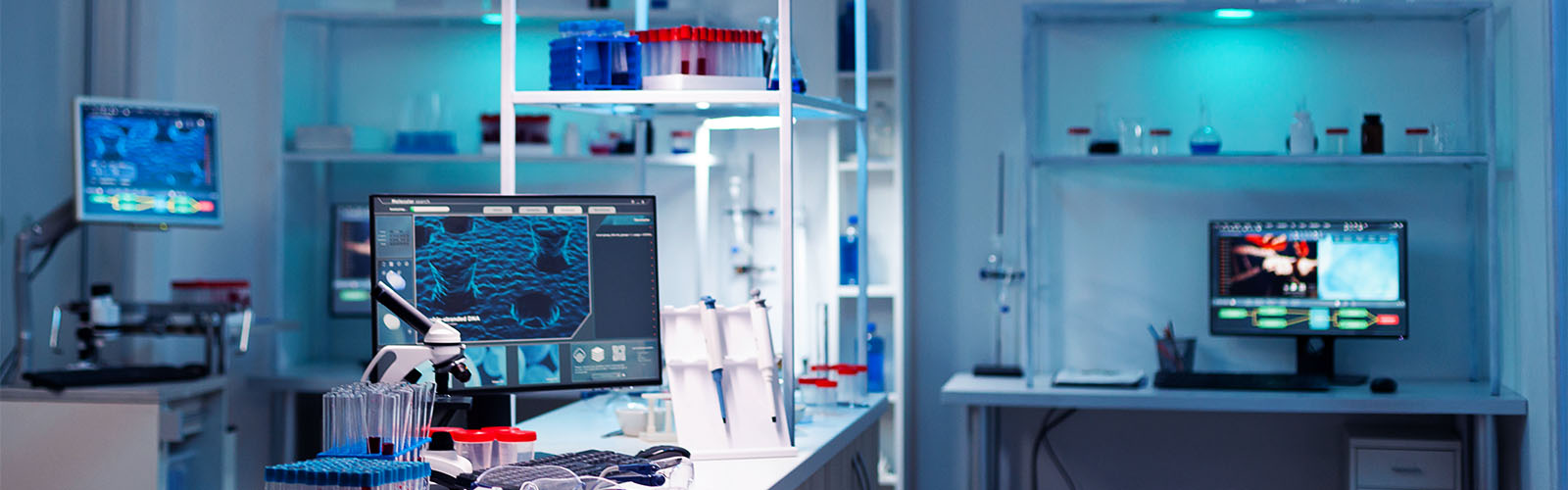
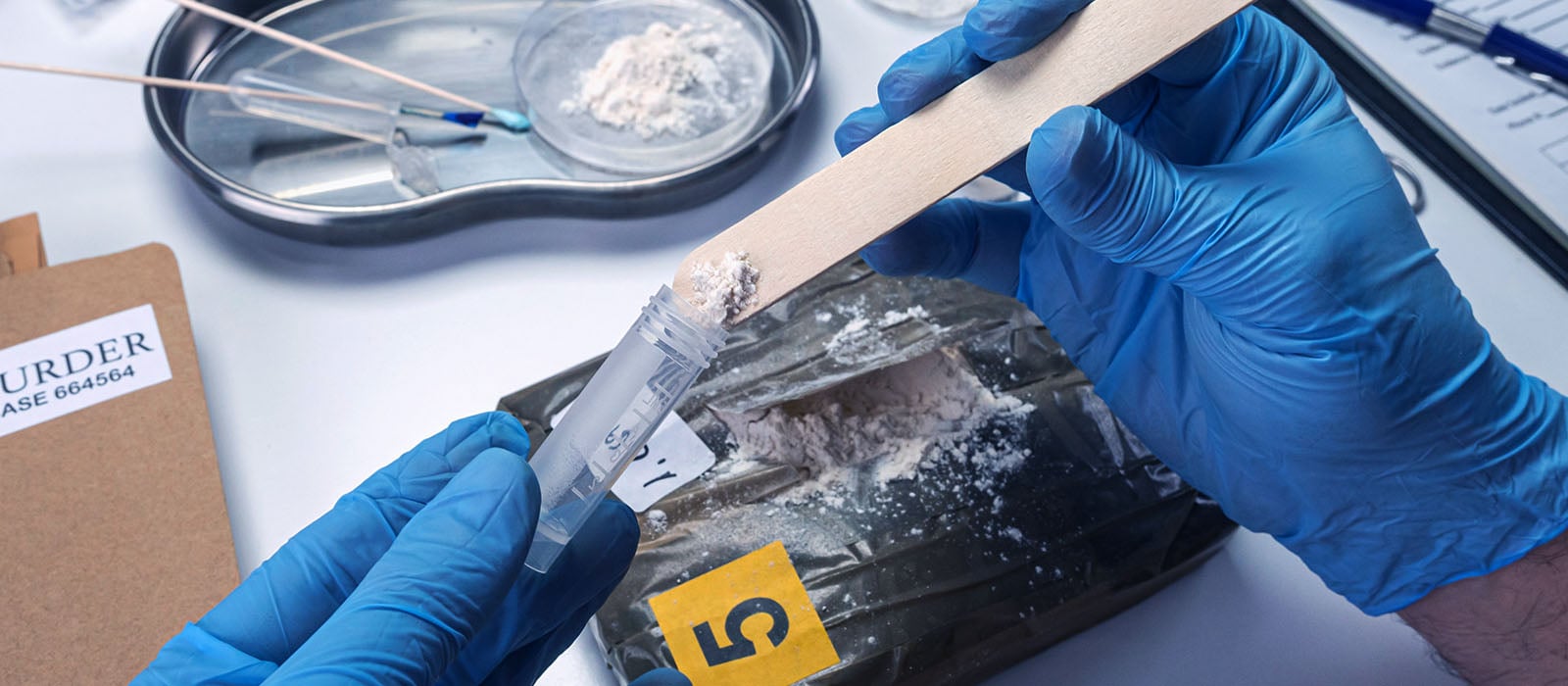
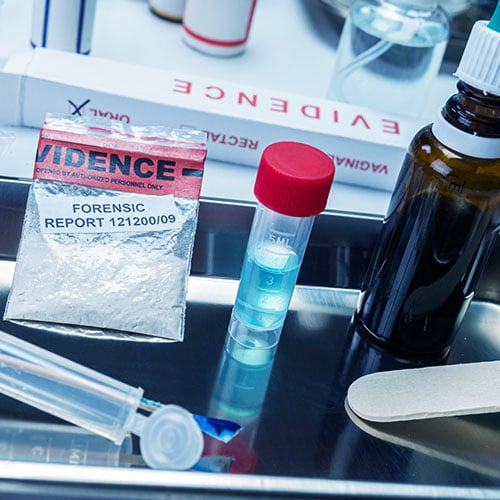
Crime labs require a wide range of equipment to examine evidence from criminal cases. Some are typically found in general laboratories, while others are exclusively for forensic investigation. To give you an overview, we've compiled a list of fundamental laboratory equipment forensic labs should have.
Fingerprint Development Chambers
Typically available as benchtop or floor-standing units, fingerprint development chambers expedite the detection of latent prints on paper and other porous surfaces. These chambers utilize chemicals such as Diazafluoren (DFO), Ninhydrin, and other reagents to develop and visualize fingerprints efficiently.
Evidence Drying Cabinets
Evidence drying cabinets maintain the integrity of samples collected at crime scenes by providing a secure, ventilated environment for wet blood and other biological evidence to dry. These cabinets prevent cross-contamination, ensuring that the samples remain uncontaminated and viable for use in crime scene investigations.
Fume Hoods
Fume hoods remove chemical fumes and aerosols from the work area and exhaust filtered air outdoors. Ductless hoods, which recirculate filtered air into the lab, can also be used to match your lab setup.
Biosafety Cabinets
Biological safety cabinets are classified into various classes based on their level of protection and airflow characteristics. Class I units work like a ductless fume hood, whereas Class II biosafety cabinets combine the features of a ductless hood and vertical laminar flow. Meanwhile, Class III units are fully enclosed, equipped with gloves for handling materials, and have dedicated ventilation systems for the highest level of protection.
Centrifuges
Centrifuges are essential tools in forensic chemistry and the management of biological evidence. They separate components within blood and other bodily fluids, which is necessary for toxicology testing and DNA analysis. Depending on the application, a benchtop centrifuge, ultracentrifuge, or microcentrifuge can be used to meet specific needs.
Analytical Balances
Analytical balances measure up to 0.0001 grams with precision, making them indispensable for analytical and forensic processes. These lab balances are ideal for precisely weighing reagent components, which are often too small to be seen with the naked eye.
Evaporators
Laboratory evaporators produce dry samples. They are suitable for solvent recycling, solvent mixture separation, extractions, and sample concentration. They come in various models, including blowdown, centrifugal, and rotary evaporators, each using a different drying method.
Microscopes
Lab microscopes are invaluable for examining evidence, such as glass fragments found at crime scenes or on suspects. They are also essential for investigating gunshot residue through energy-dispersive X-ray spectroscopy and scanning electron microscopy. Additionally, laboratory microscopes are crucial in studying pathogens responsible for outbreaks and determining potential causes of death.
Freezers
Freezers preserve biological evidence such as DNA samples, blood, bodily fluids, tissue samples, and hair. By maintaining low temperatures, ULT freezers prevent sample degradation, ensuring their viability for future toxicology testing, DNA analysis, and other forensic examinations.
Spectrophotometers
Spectrophotometers are highly effective in determining evidence's material and chemical composition, such as ink or fibers, by measuring and analyzing the wavelengths of light the material reflects. Depending on the sample, forensic scientists use either infrared or UV-vis spectrophotometers to conduct these analyses, ensuring precise and reliable results.
These represent just a few examples of the vital forensic lab equipment standard in crime labs. While each piece has its unique specialization, they share a common objective: aiding authorities in acquiring tangible evidence to resolve criminal cases effectively.