

Hematology Testing: How It Works & What Clinical Labs Need to Run It
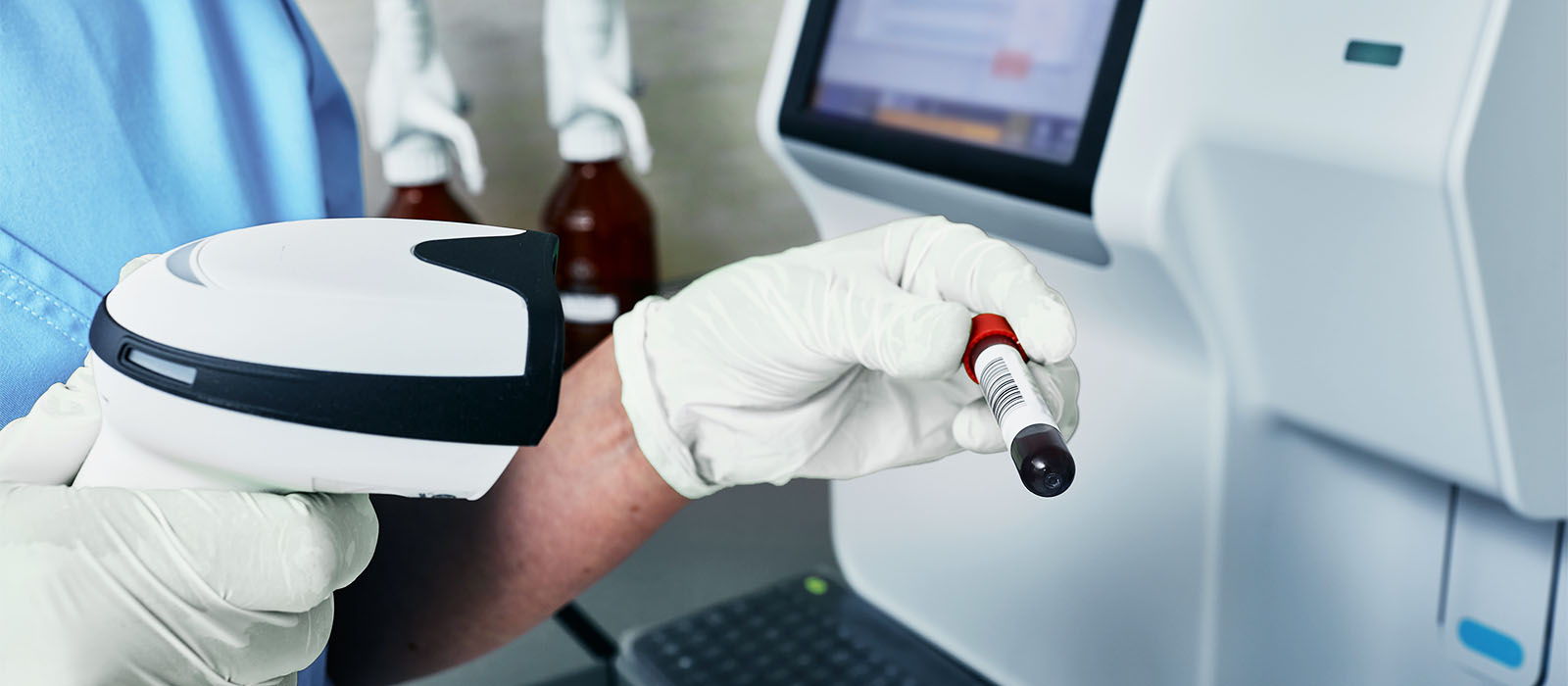
CBC, blood smear, reticulocyte count—we break down the core hematology tests and the equipment that turns a blood draw into a diagnosis.
Hematology is the study of blood, specifically the cells that make it up, the proteins that circulate in it, and the bone marrow responsible for producing it. Hematology testing is the clinical application of that study.
This diagnostic field is one of the busiest, most information-dense corners of clinical medicine. A single tube of blood run through a hematology lab can tell whether someone is anemic, fighting an infection, responding to chemotherapy, or developing a bleeding disorder.
Some of these tests are performed daily as part of a routine physical. Others are ordered only when a doctor is chasing down a symptom. Either way, the workflow behind them relies on a set of lab tests and equipment, which is what this guide covers.
What Are Common Hematology Tests Performed in Clinical Labs?
Complete Blood Count (CBC)
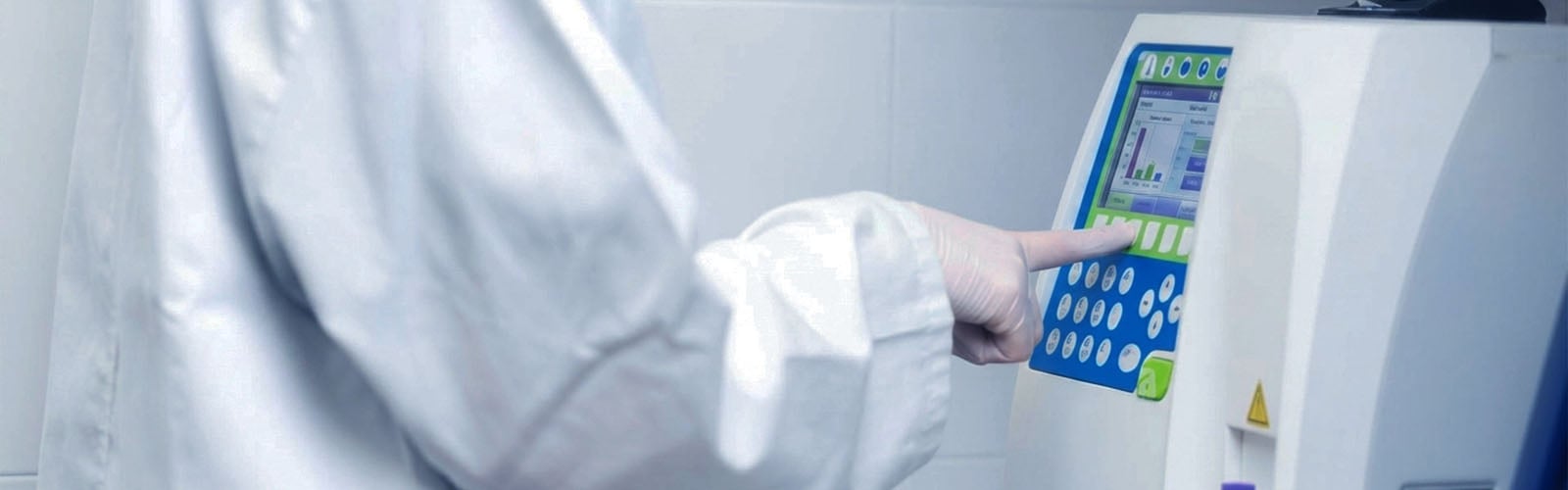
A complete blood count measures red blood cells, white blood cells, and platelets. It also calculates related values, such as hemoglobin, hematocrit, and mean corpuscular volume. CBC is almost always the first test that tells clinicians where to look next and rarely delivers a final diagnosis.
White Blood Cell Differential
A total white blood cell count is useful because it signals the immune system is responding to a stressor, but it can easily hide a major underlying imbalance. To reveal those hidden details, a white blood cell differential breaks the total white blood cell count down into its five component cell types (neutrophils, lymphocytes, monocytes, eosinophils, and basophils), helping clinicians determine the exact cause of an illness and guide the appropriate treatment.
If the results show a spike in the sample's monocyte count, the patient may be suffering from a chronic inflammation, whereas high levels of eosinophils or basophils usually indicate a severe, active allergic reaction. In addition, high neutrophils suggest a bacterial infection, and elevated lymphocytes point to a viral infection.
Peripheral Blood Smear Examination

A peripheral blood smear is not a commonly ordered stand-alone diagnostic test. It serves as a confirmatory test, typically paired with a CBC to investigate anomalous cell distributions or flagging patterns. In this test, a lab analyst thinly spreads a single drop of blood onto a slide, stains it, and then reviews the cells under a microscope. They can also run the blood sample through an automated imaging system for digital analysis.
Erythrocyte Sedimentation Rate (ESR)
The ESR or sed rate measures how fast red blood cells reach or settle to the bottom of a vertical tube within an hour. RBCs settle slowly under normal conditions, but during systemic inflammatory states, they sink quickly.
Like the CBC, the ESR does not diagnose a condition on its own. Instead, it merely indicates that an inflammatory process might be occurring. It is most commonly used to monitor active autoimmune diseases or help diagnose certain inflammatory conditions.
Reticulocyte Count
A reticulocyte count measures how many reticulocytes (immature red blood cells) are present in the blood sample. It assesses the real-time activity of the bone marrow: Is it hyperactive, or is there bone marrow failure?
This test is necessary if the sample shows abnormal red cell values on a CBC. It is also a standard check after chemotherapy or a bone marrow transplant.
Automated Hematology Analyzers
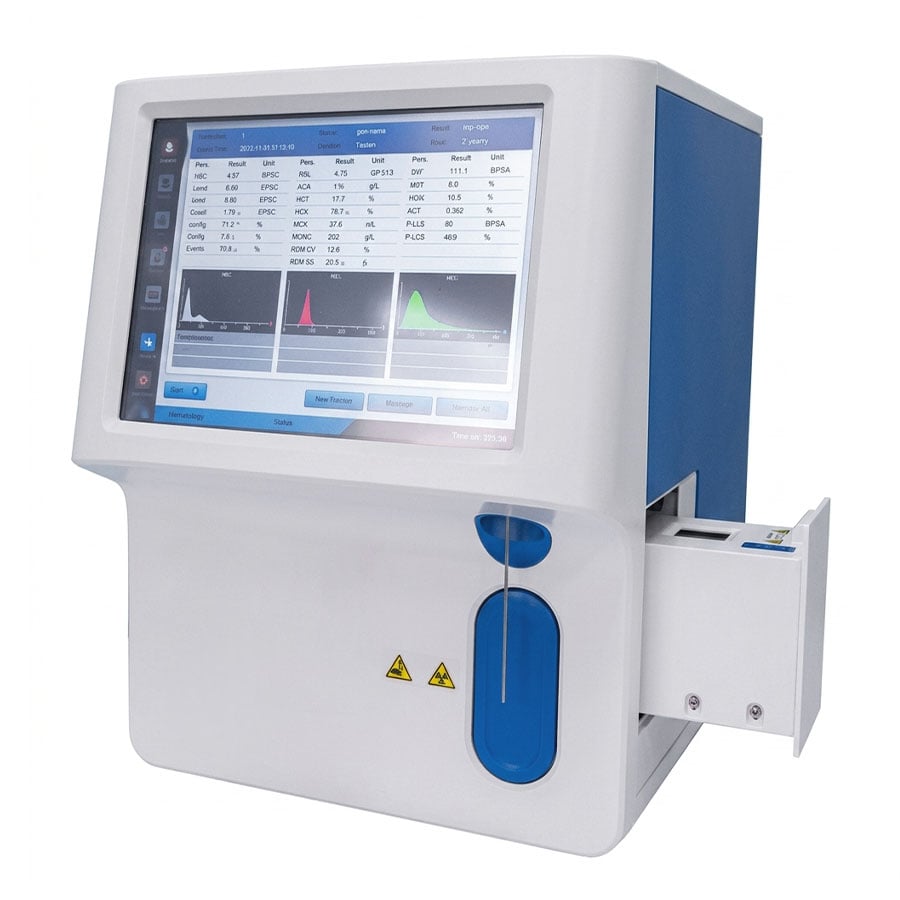
A hematology analyzer takes blood samples and delivers a full CBC (red cell counts, white cell counts and differential, platelet counts, hemoglobin, hematocrit, and cell indices). They use a combination of electrical impedance, fluorescent flow cytometry, and laser light scatter to sort and count cells as they stream past a detector one at a time.
Automated Slide Makers and Stainers
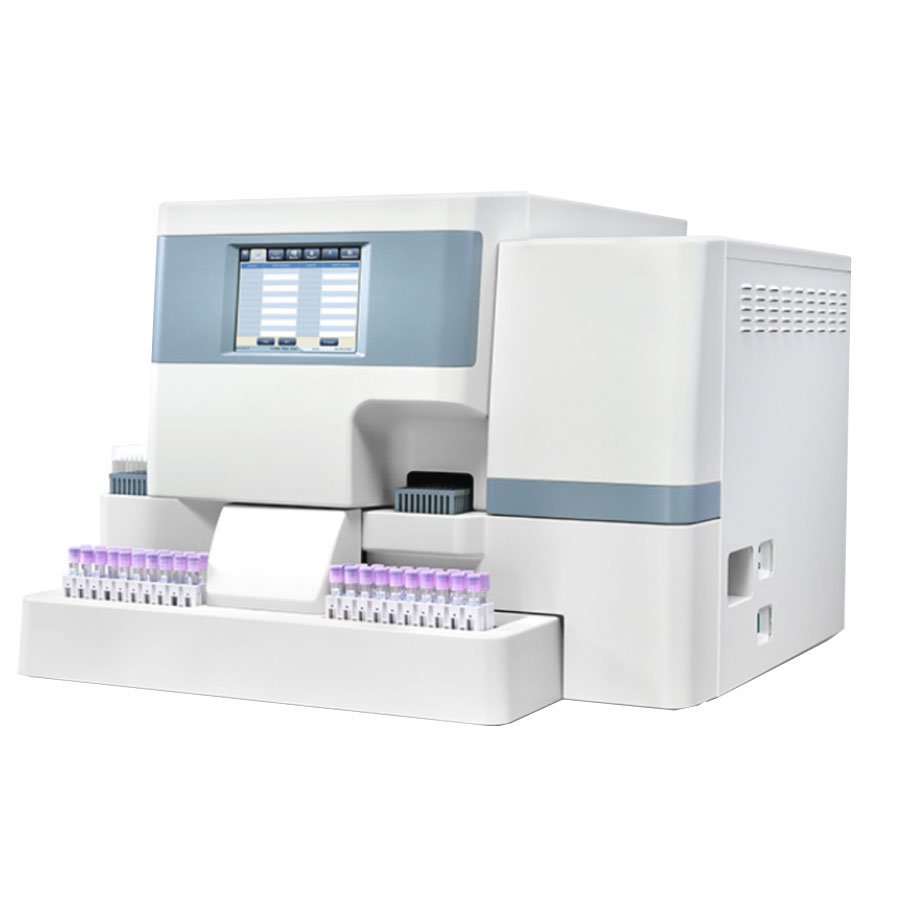
These slide makers mechanically draw a consistent, evenly feathered smear onto the slide. They are used with an automated stainer that applies the Wright-Giemsa or similar stain.
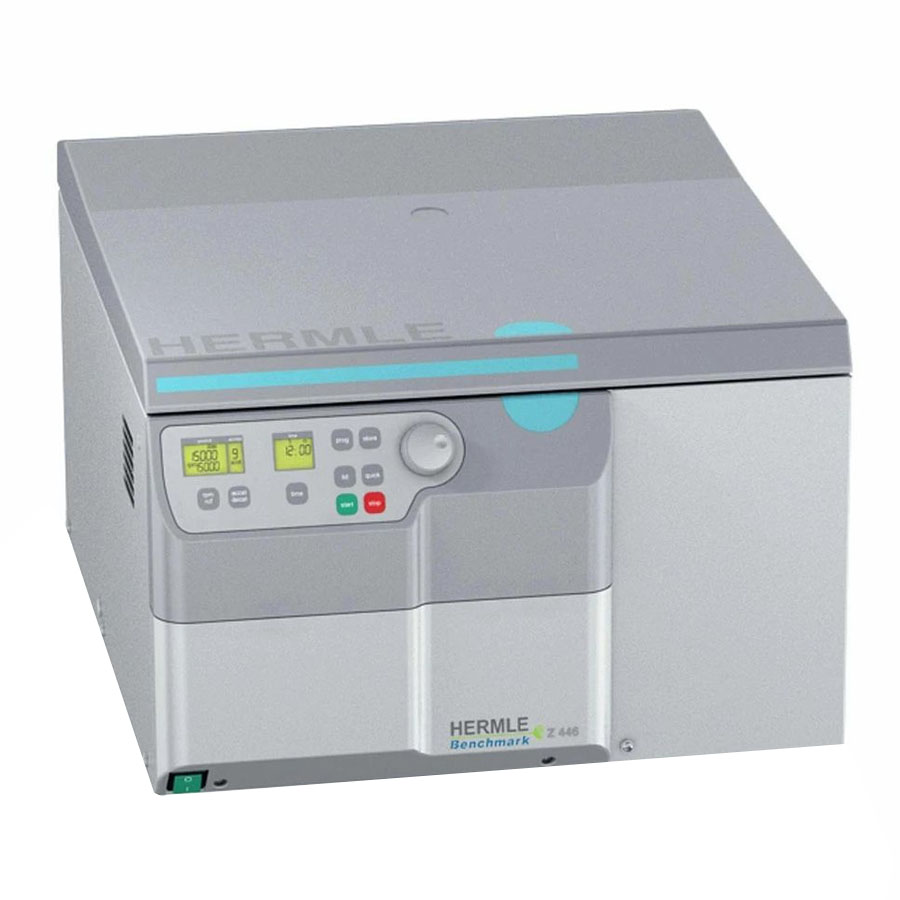
Clinical Centrifuges
A general-purpose benchtop centrifuge or a microhematocrit centrifuge spins samples at high speed to separate blood into three layers: plasma on top, white cells and platelets in the middle, and red cells at the bottom. It is ideal for preparing samples for testing, spinning down hematocrit tubes, and separating plasma
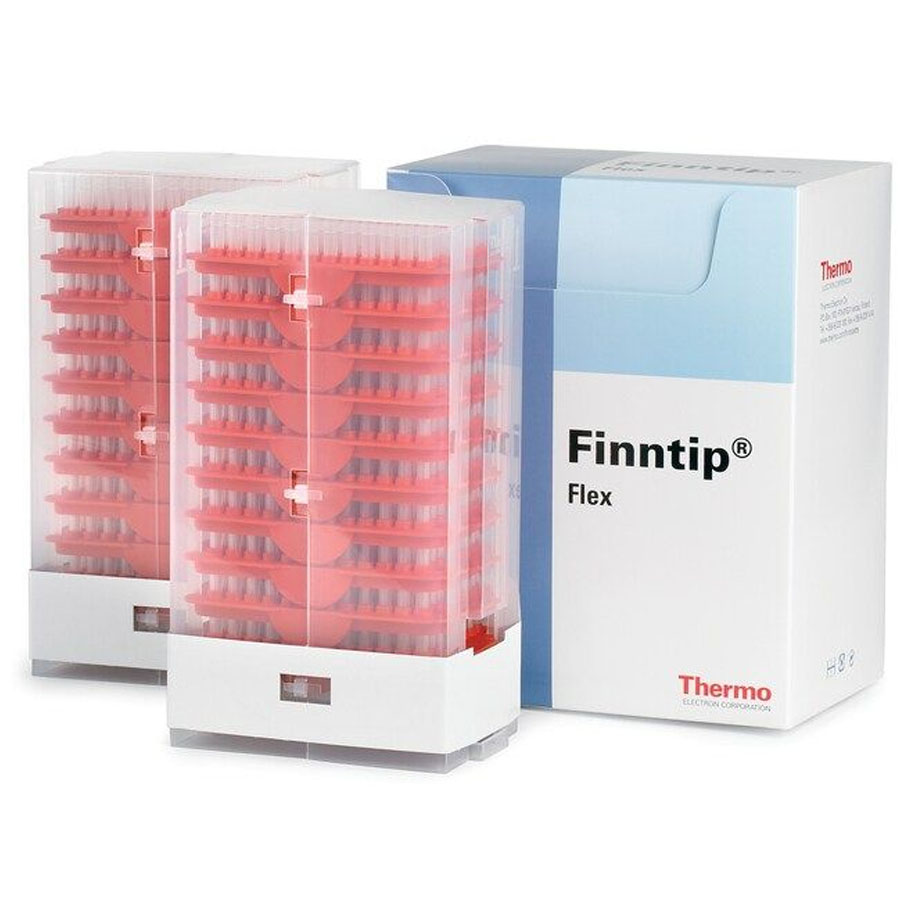
Laboratory Consumables
Single-use lab consumables such as pipette tips, glass microscope slides, coverslips for smears, and disposable cuvettes are just as important as advanced equipment for hematology testing. They are not complicated to use, but using the wrong grade or running out of any of them can stall testing or damage an instrument.
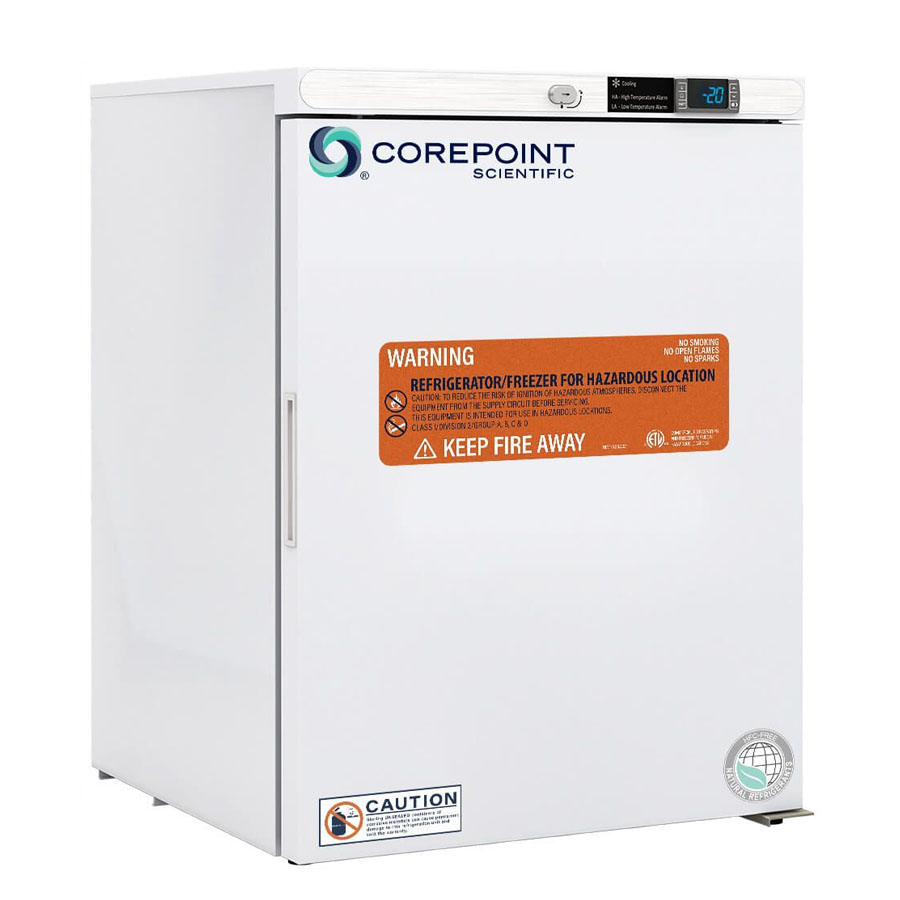
Laboratory Refrigerators and Freezers
Samples and reagents awaiting testing are stored in lab-grade refrigerators with a temperature range of 2℃ to 8℃. Separate lab freezers, on the other hand, are used for materials that need colder, longer-term storage. These cold storage units feature continuous digital temperature logging and backup alarms to ensure the integrity of the samples and reagents.
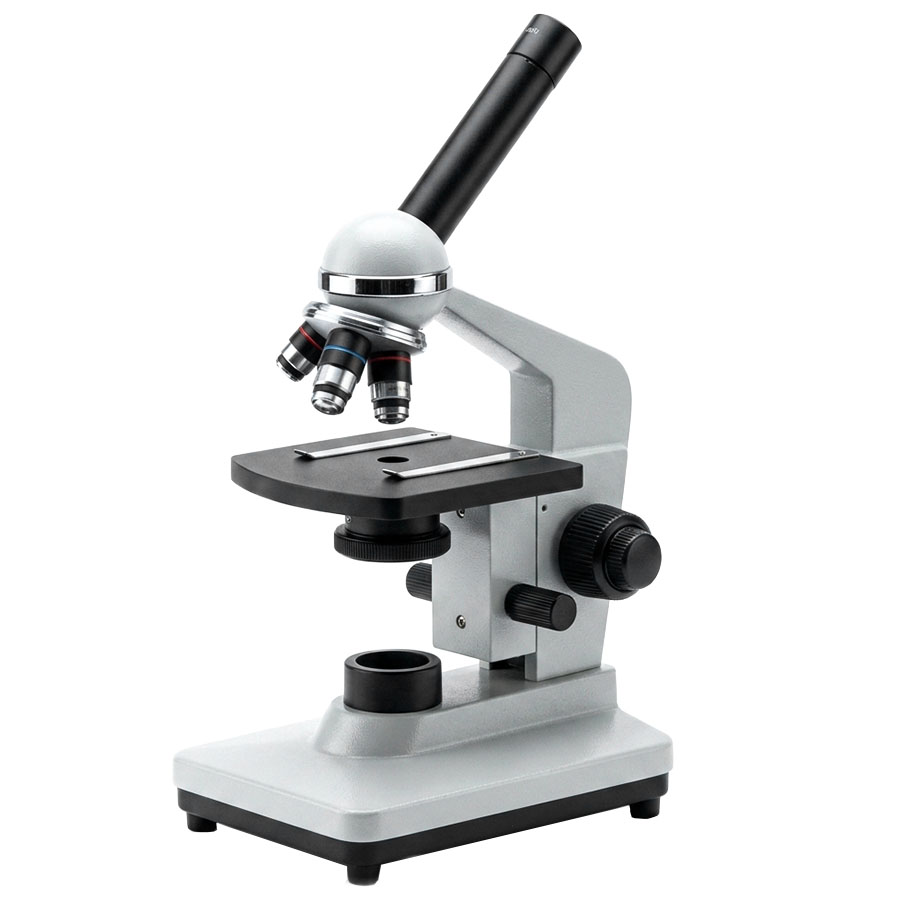
Light Microscopes
Binocular compound microscopes are equipped with oil-immersion lenses at 100x magnification. This feature allows for a finer, more detailed view to evaluate red cell shape, identify abnormal white cells, or spot parasites on a smear.

Personal Protective Equipment (PPE)
Because handling whole blood is a primary biohazard, proper protective barriers are non-negotiable. Gloves are worn for all sample handling, face shields or safety glasses are for procedures with splash risk, while lab coats create a barrier between clothing and anything on the bench. At the same time, appropriately labeled and placed biohazard waste containers ensure proper disposal of contaminated sharps and materials.
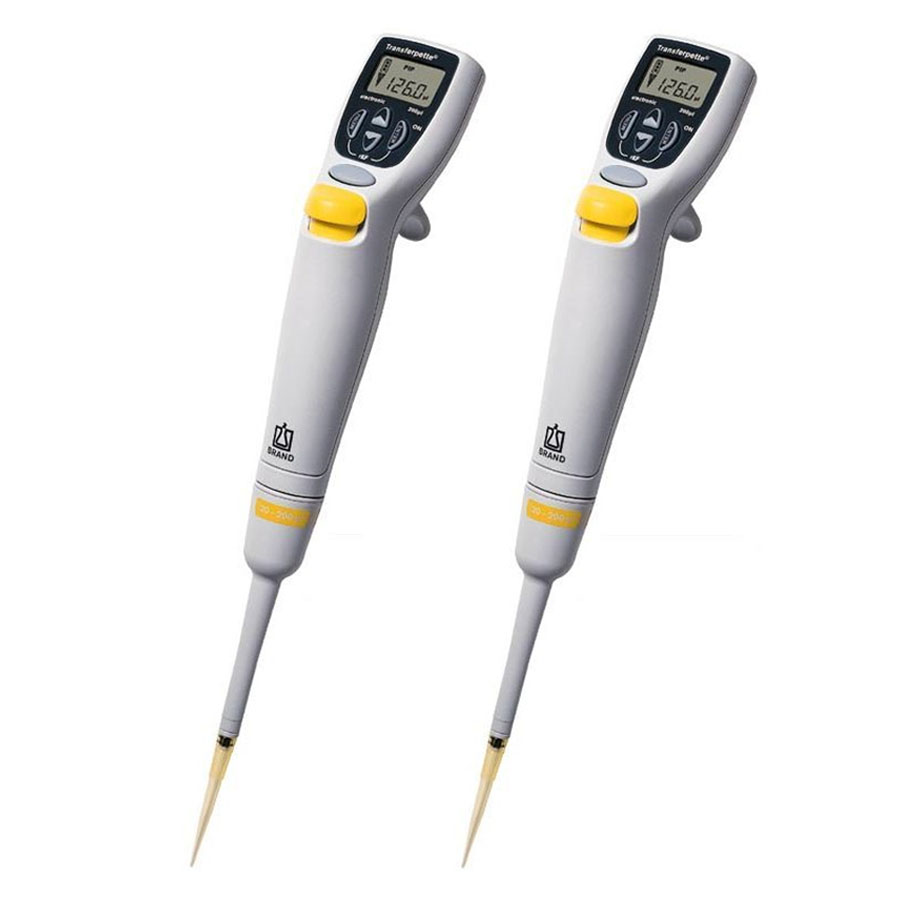
Pipettes and Liquid Handling Systems
Single- and multi-channel pipettes are used to safely transfer blood samples and reagents for routine work. High-volume labs prefer to use automated liquid handling systems to efficiently dilute or prepare large batches of samples.
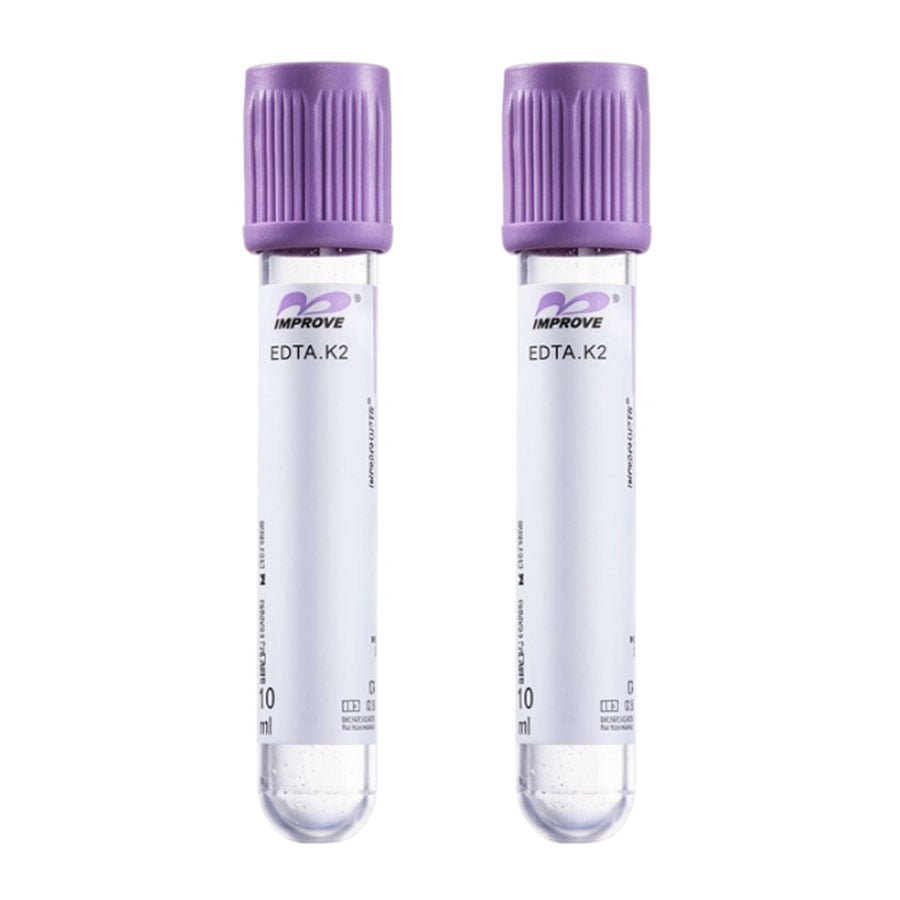
Sample Collection Supplies
Drawn blood samples are stored in ethylenediaminetetraacetic acid (EDTA) tubes. Unlike other anticoagulants, EDTA prevents clotting without distorting cell shape and size. Besides EDTA tubes, needles, lancets, and syringes are other essentials that ensure proper clinical lab processes.
Hematology testing may look simple from the outside, but take away any one piece and the whole chain gets shakier. For labs building out or upgrading their setup, feel free to reach out to The Lab Depot team at 1-800-733-2522, email, or through live chat on our website.
Sources:
https://www.hopkinsmedicine.org/health/treatment-tests-and-therapies/hematology
https://www.gonzaba.com/what-are-common-hematology-tests/
https://medlineplus.gov/lab-tests/complete-blood-count-cbc/
https://www.thebloodproject.com/understanding-the-white-blood-cell-differential/
https://medlineplus.gov/lab-tests/blood-smear/
https://medlineplus.gov/lab-tests/reticulocyte-count/
https://www.labcompare.com/569559-A-Guide-to-Hematology-Testing-Centrifuges/
https://www.simsonchemtech.com/blog-details/common-uses-of-pipettes-in-laboratories