

Analytical Balance
Analytical balances provide accurate weight measurements critical for sample preparation during food testing.
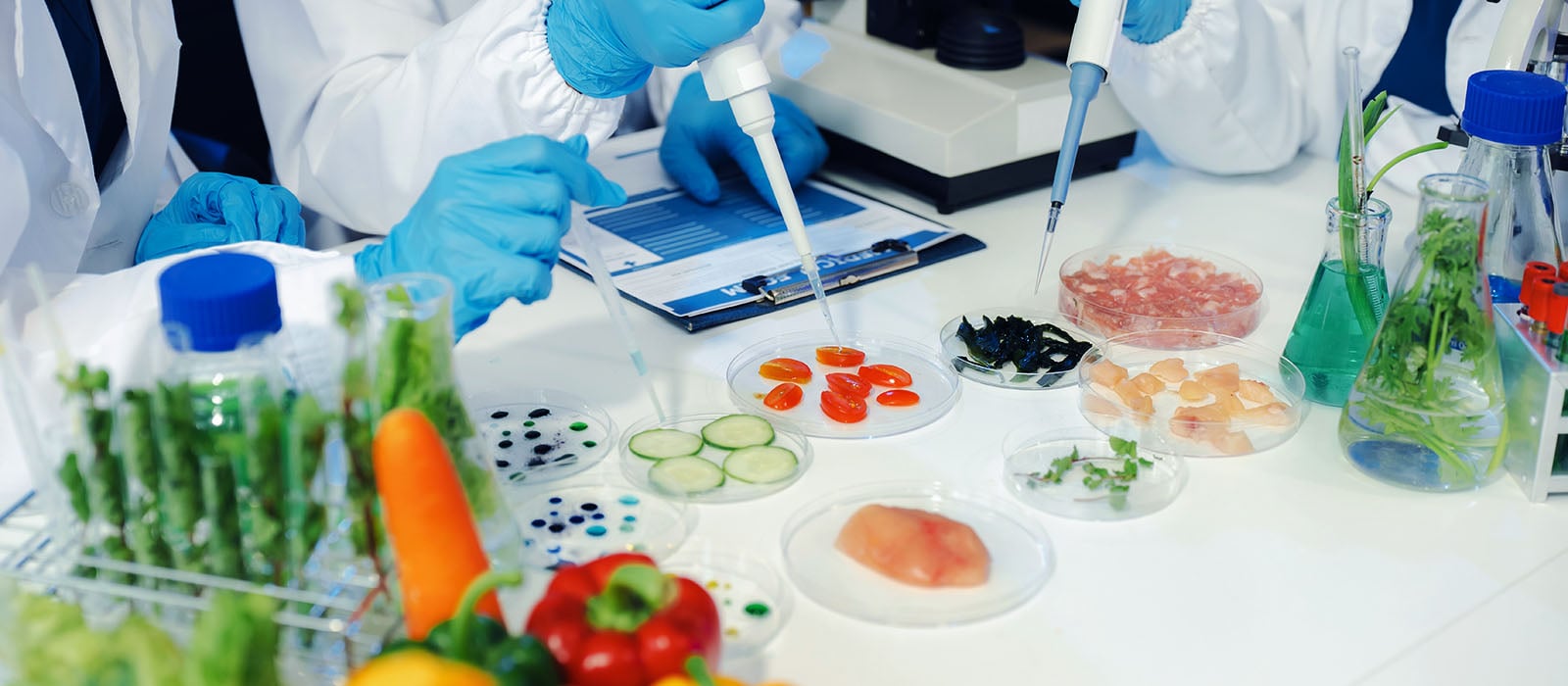
Learn about essential methods and equipment for reliable and effective food microbiology testing, ensuring accuracy and food safety compliance in your lab.
Consider your favorite snacks or the meal you recently enjoyed. Now imagine the potential presence of harmful bacteria, parasites, or other microorganisms lurking within them. Fortunately, food microbiology testing safeguards the food we consume by analyzing food samples for microbial contamination.
Food analysis is a cornerstone of the food and beverage industry. This process ensures the quality and safety of restaurants and manufacturers' food products and ingredient supplies. It identifies common foodborne pathogens such as Salmonella, E. coli, Listeria, and Campylobacter, which, if unchecked, can cause food spoilage and risk our health.
Let's examine the different methods research analysts use to test food samples and the various lab tools needed to better understand how this process helps maintain high food safety standards and protects public health.
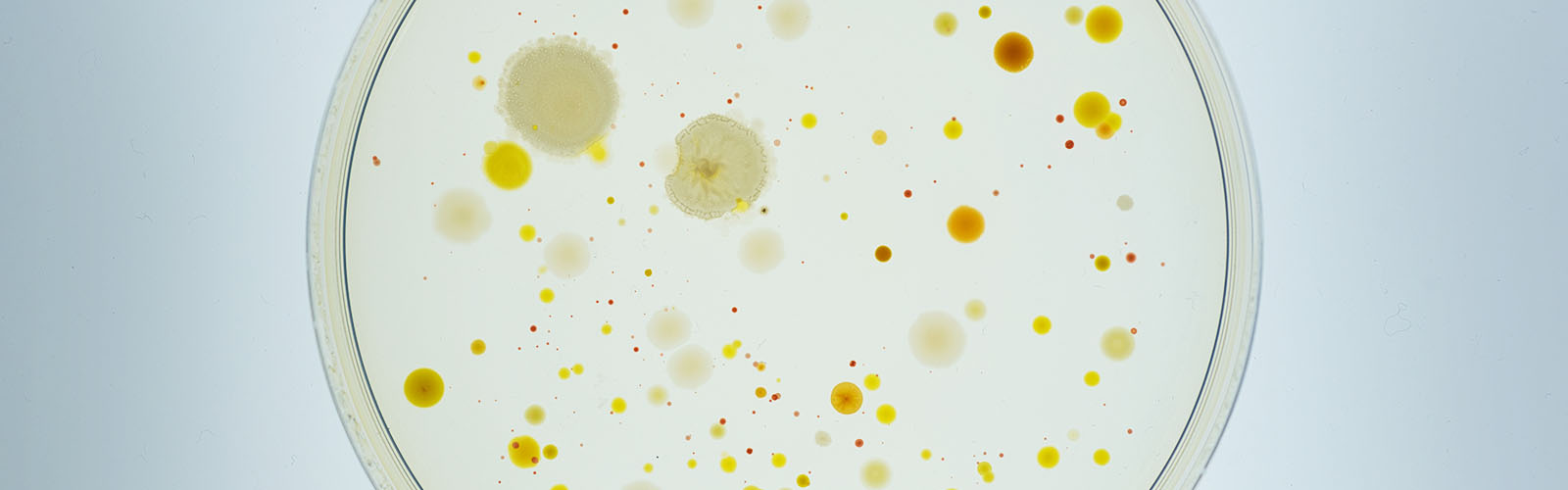
Culture-based methods are the gold standard for accuracy despite their being time-consuming. They confirm microbial presence and identification through morphology and biochemical tests. These methods work by inoculating samples onto broths or agar plates and incubating them under specific conditions to allow visible colony formation. Examples of culture-based methods are the following:
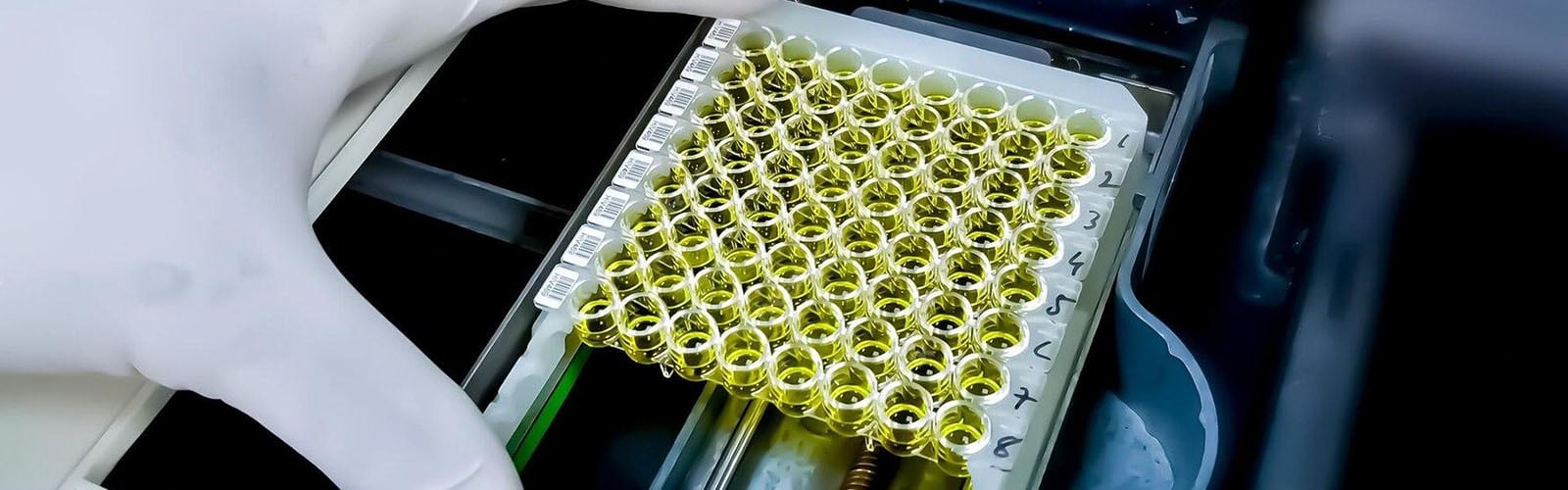
Rapid methods use automated systems or advanced technologies to identify microorganisms quickly. They typically use tools like polymerase chain reaction (PCR) or immunological assays to detect microbial presence within hours. Manufacturers and businesses who prefer to get results fast opt for the rapid methods, including:
Achieving reliable results, optimizing workflows, and maintaining the integrity of food microbiology testing starts with the right equipment. Below is a list of tools every microbiology lab should have:
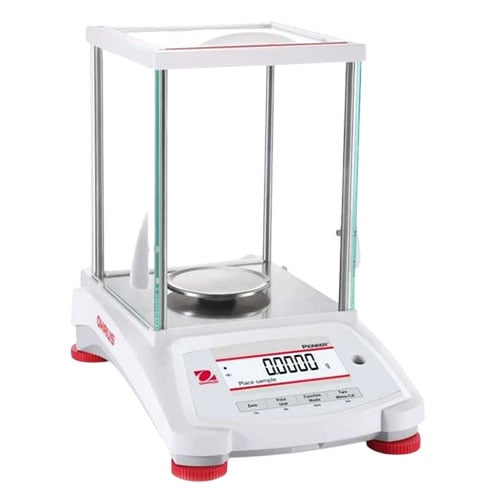
Analytical balances provide accurate weight measurements critical for sample preparation during food testing.
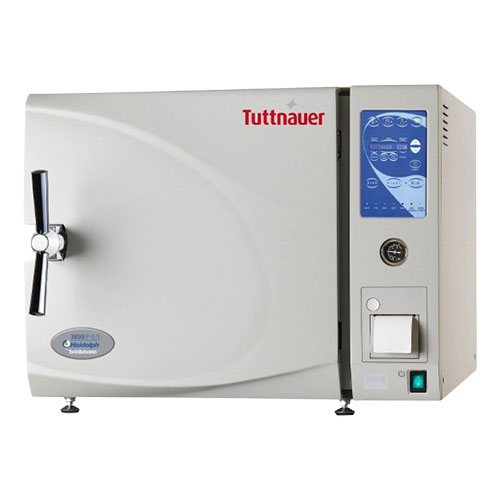
Microorganisms can contaminate tools and materials used for analyzing food samples. Autoclaves sterilize lab equipment and media using high-pressure saturated steam, ensuring contamination-free testing.
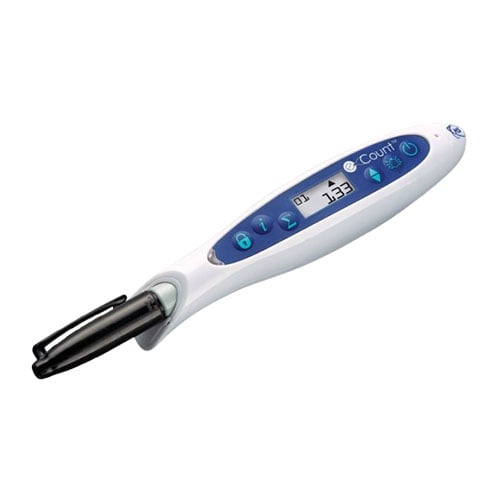
Colony counters simplify microbial load assessment in food analysis by helping quantify colonies on agar plates more efficiently and accurately.
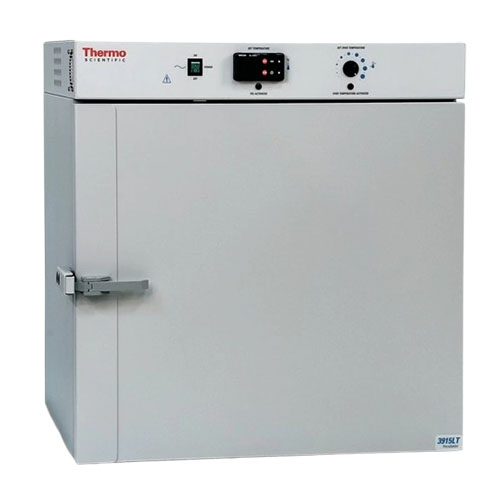
Lab incubators create an environment that supports the growth of microbial cultures under controlled conditions. Temperatures can be regulated or adjusted to achieve the ideal condition for cultivating bacteria and fungi from food samples.
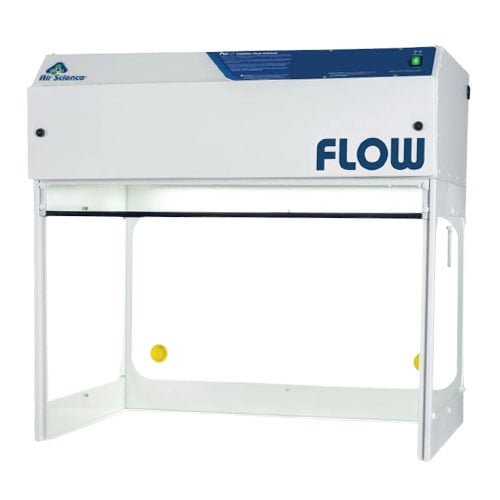
Laminar flow hoods protect samples from environmental contaminants during microbiological procedures. They use HEPA filters to filter air and create a sterile workspace.
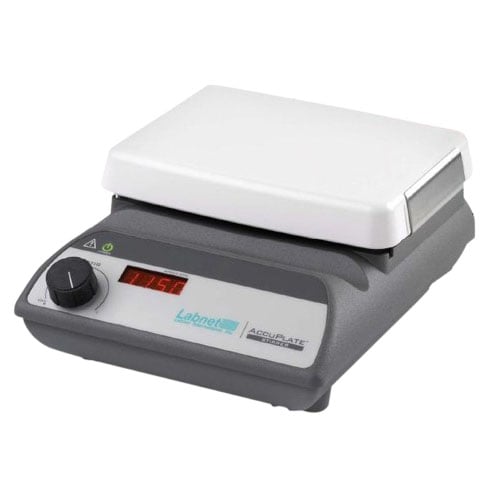
Magnetic stirrers are used to prepare homogenous sample suspensions or culture media. They mix solutions uniformly and without introducing contamination, which may occur through manual mixing.
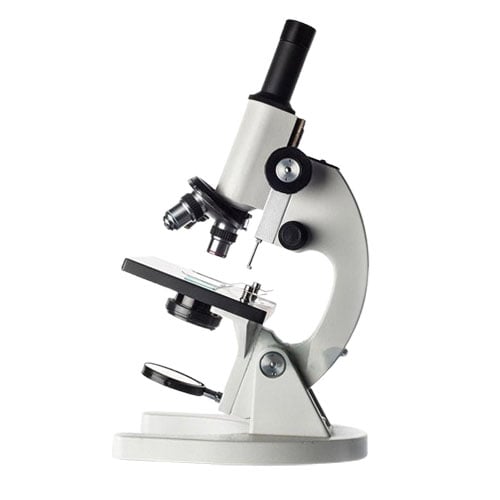
Microscopes come in handy for confirming microbial contamination in food samples. They magnify microorganisms to distinguish, observe, and study their form and structures.
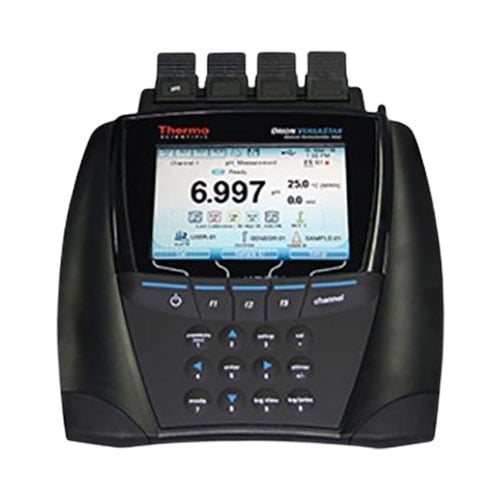
pH meters measure the alkalinity or acidity of media and food samples. Accurate pH levels are crucial during microbial growth studies and media preparation.
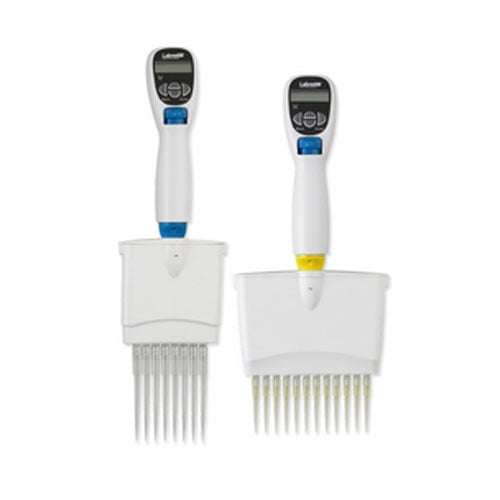
Pipettes measure and transfer specific volumes of liquid. They help prepare dilutions and inoculate media with food samples.
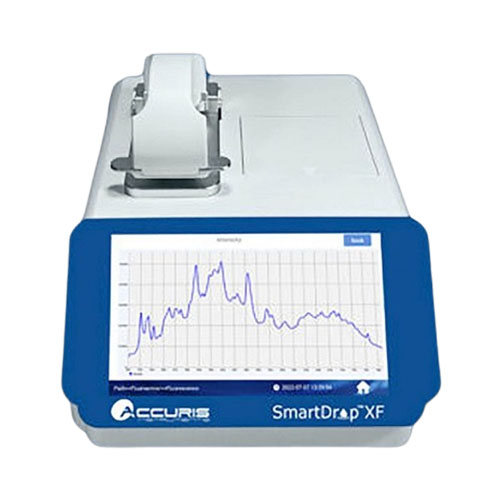
Spectrophotometers measure optical density or absorbance to estimate microbial concentration. They enable fast quantification of microorganisms in liquid cultures.
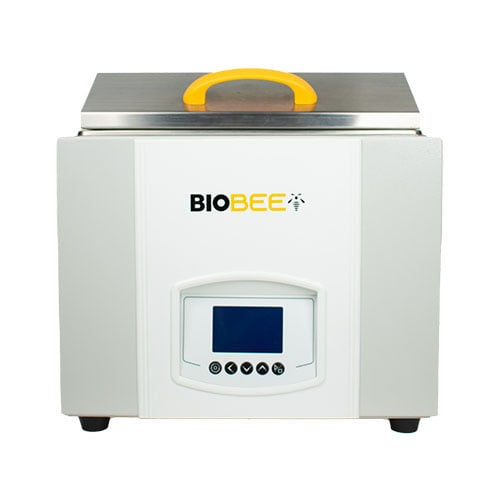
Water baths provide a stable temperature for incubating enzyme reactions or culture media. They are designed to provide and ensure consistent heating for testing microbial thermal tolerance and similar processes.
Effective food microbiology testing depends on accurate methods, suitable lab equipment, and knowledge of their applications. Together, they ensure food safety, prevent the spread of foodborne diseases, and enhance public health.
At TLD, you'll find an extensive collection of top-quality lab equipment designed, manufactured, and supplied by brands trusted by researchers and scientists worldwide. Contact our team at 1-800-733-2522, email, or through live chat on our website for expert support.
Sources:
https://www.onepointesolutions.com/blog/food-microbiology-lab-equipment/
https://www.sgs.com/en-ph/services/food-pathogen-testing
https://log10.com/services/microbiological-testing/
https://torrentlab.com/the-importance-of-microbiology-testing-in-the-food-industry/
https://urslabs.com/blog/how-food-microbiology-testing-can-improve-your-food-business/
https://customfabricators.net/food-microbiology-lab-equipment/