
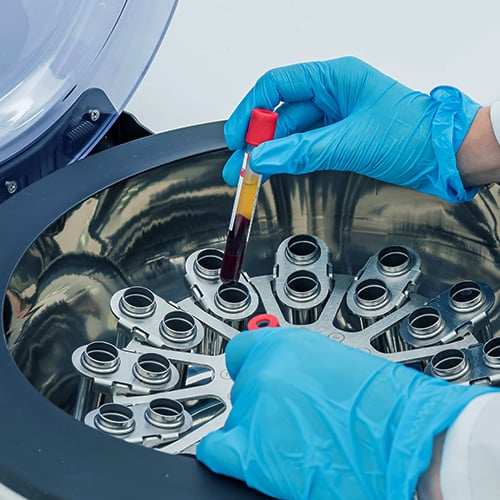
Essential Clinical Centrifuge Applications in Modern Labs

Clinical Centrifuge in Modern Labs

Clinical centrifuges rarely take center stage in a lab, yet they're quietly doing some of the most important work behind the scenes.

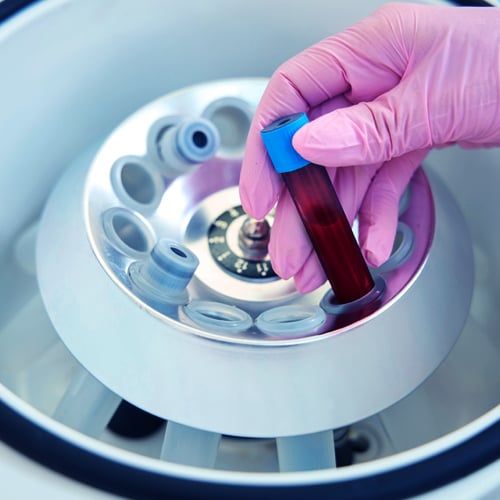
Using high-speed centrifugal force to separate biological materials, laboratory centrifuges turn mixed samples into clearly defined components that clinicians and researchers can work with. The result? Reliable answers that lead to correct diagnoses and appropriate treatment.

But just how essential is a clinical centrifuge? Explore the different ways this instrument is used in clinical settings and laboratories.

Chemistry Tests

For Blood-Related Applications

Blood is the most frequently tested material in any clinical lab. Take serum separation, for example. Once a blood sample clots, centrifugation cleanly separates the serum from the rest of the sample. This serum is needed for common chemistry tests such as glucose, electrolytes, or hormone levels. In other cases, like plasma preparation, blood is collected with anticoagulants and then spun to preserve clotting factors, which are useful for coagulation studies and transfusion medicine.

There's also the buffy coat, a thin layer rich in white cells and platelets that helps in detecting infections or providing DNA for molecular studies. And then there's platelet-rich plasma (PRP), where specialized spins concentrate platelets into a therapeutic product that's now used in orthopedics, dermatology, and even plastic surgery.
Urine Sediment

For Urine and Body Fluid Analysis

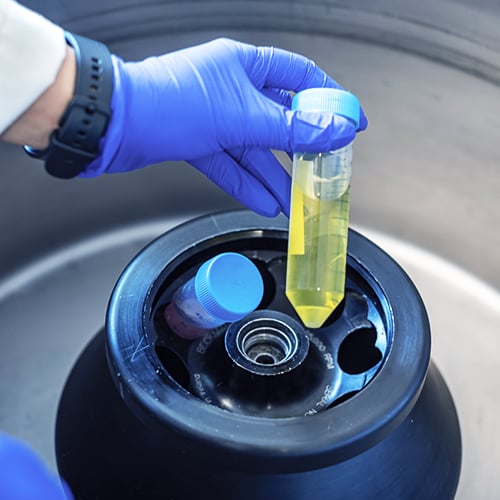
In urine sediment examination, centrifugation pulls together sediments like red and white blood cells, crystals, or casts, which clinicians then examine under a microscope to detect infections or kidney disorders. The same principle applies to fluids like cerebrospinal, pleural, or peritoneal samples, where a spin collects rare cells into a visible pellet and can help detect meningitis, cancer, or bleeding.

Centrifuges can also be used to prepare synovial fluid from joint aspirations. Conducting a concentrated analysis can reveal crystals that confirm gout or pseudogout, or inflammatory cells that suggest autoimmune conditions like rheumatoid arthritis. In addition, semen samples may be centrifuged to isolate sperm for analysis or assisted reproductive techniques.

Antibiotic Sensitivity

For Microbiology and Infectious Disease

Studying and identifying pathogens in diluted samples is easier with the use of centrifuges. A quick spin of the samples can concentrate bacteria into a form that is more appropriate for biochemical testing, staining, or antibiotic sensitivity studies.

The same can be said about viruses before diagnostic testing, such as viral load testing for HIV or hepatitis. In fact, during the COVID-19 pandemic, centrifuges came in handy for routine prep for molecular assays like RT-PCR.

RNA Extraction

For Molecular Biology and Genetic Testing

Getting reliable DNA and RNA for testing requires separating genetic material from proteins and other cellular debris. When a clinical centrifuge spins samples down for DNA and RNA extraction, it produces the clean nucleic acids needed for tests that uncover hereditary conditions, cancer mutations, or infections. This exact process also helps prepare samples for PCR.

Lab centrifuges are also central to protein purification, as they help separate contaminants from proteins that are needed for diagnostic testing and therapeutic development. Even better, they are essential for preparing samples to study viral proteins, immune system components, and tumor biomarkers.

Assays

For Immunology and Serology

Centrifuges help ensure the biological samples used for ELISAs and other assays are clean and debris-free. They also concentrate antigens and make them easier to detect, and they separate useful protein components from unwanted material in vaccine research.

Other than these applications, a clinical centrifuge also supports studies on immunoglobulins and other proteins in the immune system. It helps researchers understand how these proteins function and their role in specific disease processes.

Cell Concentration

For Cytology and Pathology

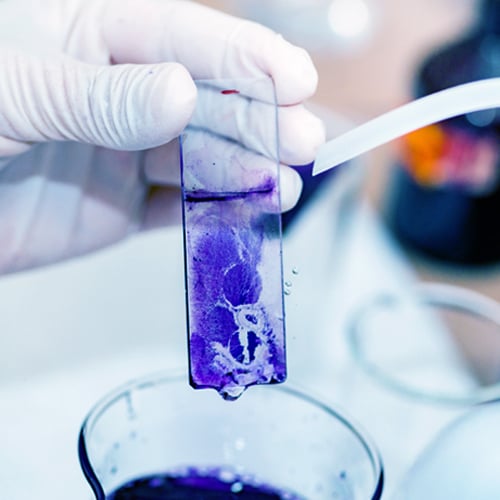
Specialized cytocentrifuges help pathologists by spreading cells into thin, even layers on slides, making them easier to study under the microscope. Cell concentration is vital when looking for cancers that may have spread to areas like the lungs, abdomen, or nervous system, where only a small number of abnormal cells might be present.

In cervical cytology, centrifugation helps prepare Pap smear samples. By clearing away mucus and debris, it ensures the tiniest precancerous changes are easier to spot.

Clinical centrifuges may not draw much attention, but they touch nearly every corner of medicine, from routine blood tests to genetic sequencing. As labs continue advancing toward more precise and personalized diagnostics, centrifuges will remain one of the most trusted instruments on the bench.

Find industry-favorite centrifuges and other lab equipment at The Lab Depot. For expert assistance, feel free to contact our team at 1-800-733-2522, email, or through live chat on our website.

Sources:

https://www.mrclab.com/everything-you-need-to-know-about-clinical-centrifuge

https://www.clinisciences.com/en/buy/cat-centrifuges-for-clinical-applications-2870.html

https://oximio.com/resources/going-for-a-spin-the-critical-role-of-centrifuges-in-modern-clinical-trials/

https://www.thermofisher.com/ph/en/home/life-science/lab-equipment/lab-centrifuges/clinical-centrifuges.html

https://www.iqsdirectory.com/articles/centrifuge.html

Request A Quote

Customer Information
Shipping Address
Billing Address

Will you need a lift gate? *

(For deliveries requiring a LTL truck and the customer does not have a dock door)

Would you like to add shipping amount to quote? *

Are you tax exempt? *

(If you are tax exempt, please email your tax exemption form to [email protected])

Upload PDF: