

Effective Ways to Keep Your CO2 Incubator Contaminant-Free
Last Updated: March 3, 2025
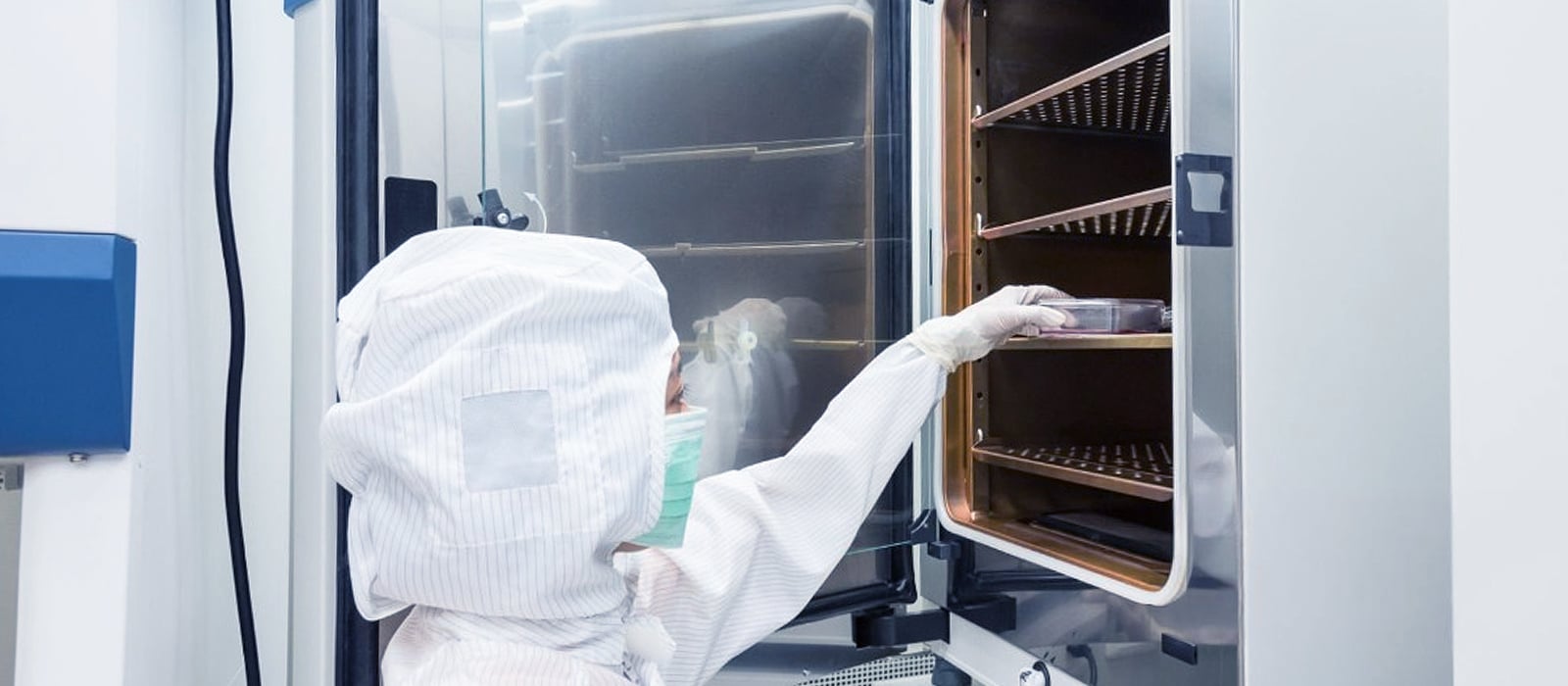
Discover industry-proven methods to reduce contamination risks when using CO2 incubators for cell culture applications.
CO₂ incubators provide ideal conditions for cell culture. However, they also create a breeding ground for bacteria, mold, and spores. While it may seem contradictory for an incubator designed to support cell growth and pose contamination risks, the secret to maintaining a sterile environment is understanding how contamination thrives and persists and practicing proper cleaning and regular maintenance.
Where Does Contamination Come From?
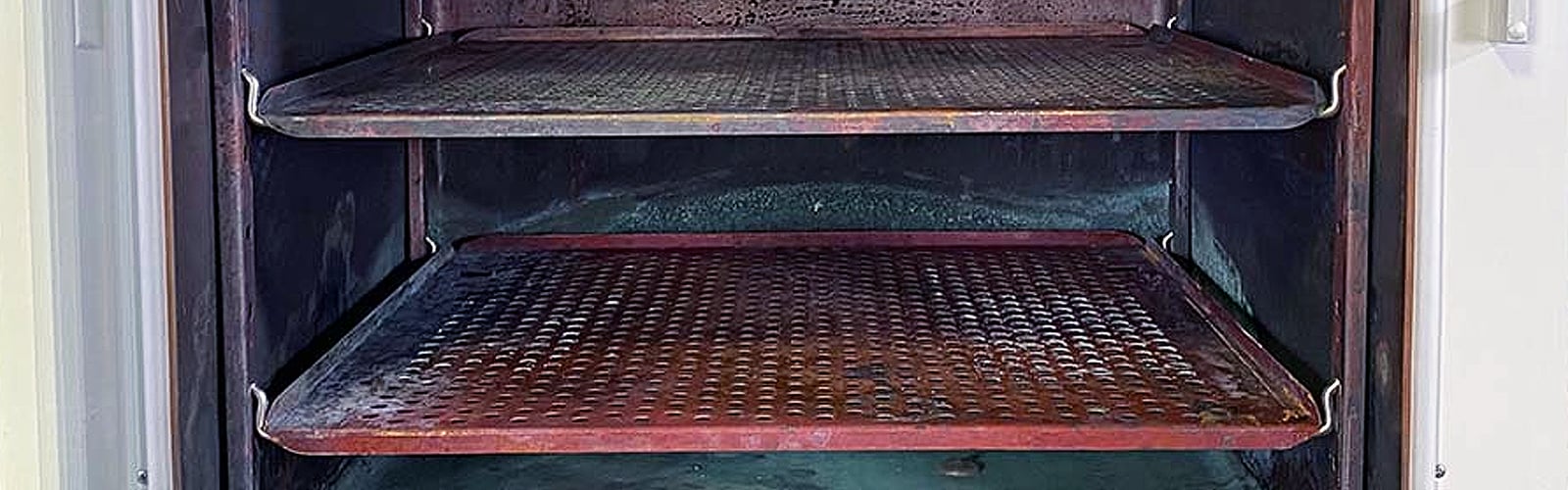
Knowing the primary sources of contamination in CO₂ incubators is the first step. Here are the common culprits that you should actively check:
Humidity Pan
One of the most overlooked sources of contamination is the humidity pan. When left uncleaned, it welcomes mold, bacteria, and yeast to grow undisturbed. On top of this, achieving a constant humidity level becomes challenging. Proper humidity control relies on the surface tension of water in the pan. When compromised, it can create an unstable environment where contaminants flourish.
Plastic Tubing and Rubber Gaskets
Contaminants can develop in plastic tubing that channels gas into the incubator. They can also thrive in rubber gaskets around the door, where mold often forms. To target this source of contamination, regularly clean the tracks and threads of the gaskets. Fortunately, incubators like those from Sheldon Manufacturing, Inc. feature removable and autoclavable gaskets that can be easily cleaned or replaced.
Shelves, Seams, and Electrical Cord Ports
Shelves, seams, and electrical cord ports are often overlooked, making them common hiding places for contaminants. Adding them to the list of high-risk areas in an incubator to clean will help ensure your equipment will remain free of contaminants.
How to Eliminate Contamination in CO2 Incubators
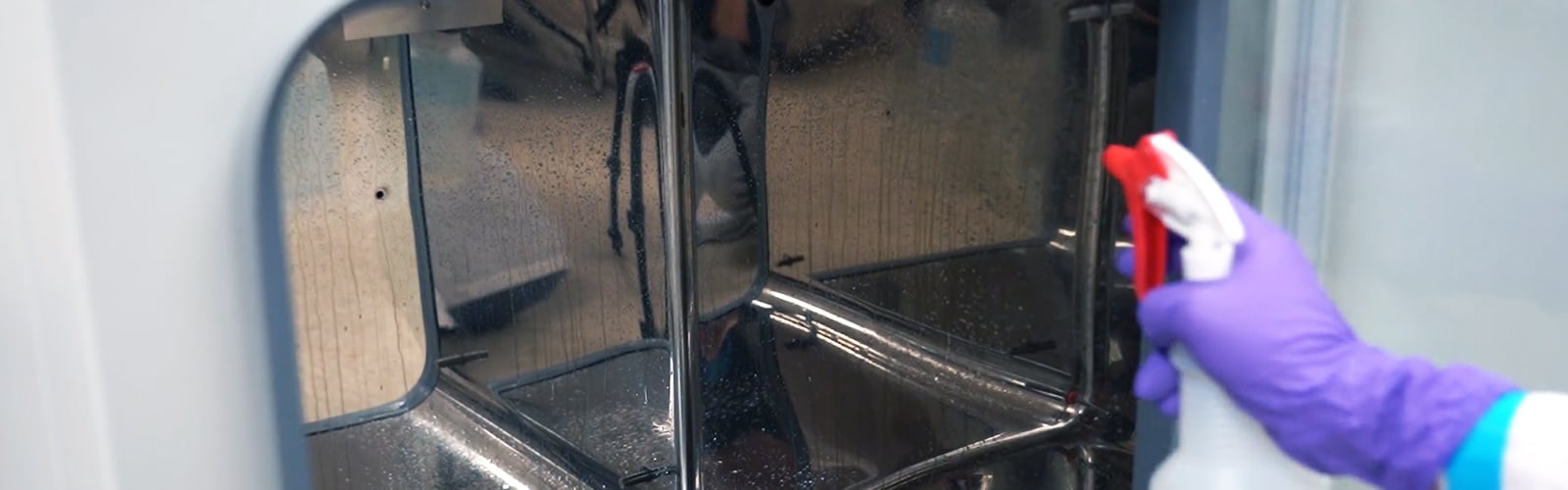
By Choosing the Right Incubator
Selecting the correct CO₂ incubator is vital for maintaining a controlled environment that supports cell growth while minimizing contamination risks. Here’s a breakdown of three incubator types and their features to consider:
Water-Jacketed Incubators
Water-jacketed incubators are ideal for in vitro incubation of valuable cells, tissues, and organisms. The surrounding water jacket provides excellent insulation, reducing cold spots and virtually eliminating condensation, which are two major contributors to contamination.
Air-Jacketed Incubators
Air-jacketed incubators typically offer precise temperature control settings across multiple heating zones, such as the main chamber, external door, and front liner. This multi-zone heating system reduces condensation and yields precise uniform temperature distribution.
Copper-Enhanced Incubators
Some CO₂ incubators integrate copper into their design for added antimicrobial protection. As copper naturally breaks down, it releases copper oxide, destroying microbes within the chamber.
Sheldon incubators feature a patented copper housing around its HEPA filtration system. This innovative feature targets contamination within the chamber atmosphere while keeping filter replacement easy and cost-effective.
Copper is also used inside the water jacket to prevent microbial growth over time, eliminating the need for chemical additives. In addition, it is strategically placed around the sample port and gas injection tube for further contamination control.
Properly Cleaning and Decontaminating CO2 Incubators
Keeping your CO₂ incubator clean is essential, especially for researchers dealing with tissue culture applications. Here's a step-by-step guide to effectively decontaminate your incubator regularly:
- Move all cultures to another incubator or a clean, disinfected plastic container to keep them warm and protected.
- Turn off the incubator and switch off the gas supply to ensure safety.
- Remove the humidity pan, shelves, shelf supports, shelf standards, shields, brackets, air ducts, and gaskets.
- Drain the water reservoir completely and dry it using a clean, lint-free cloth.
- Use mild soapy water to clean all internal surfaces and removable parts. Rinse them thoroughly with distilled water, then dry them with a clean, lint-free cloth.
- Wipe all interior surfaces and components with a diluted quaternary ammonium disinfectant (10% concentration or less). Follow up by wiping them with 70% alcohol to remove any disinfectant residue.
- Check the condition of the gaskets. Replace them if they have any signs of wear or damage.
- Inspect the air and CO₂ filters at the gas inlet and within the circulation system. Replace them as needed, typically every six months or when visibly dirty.
- Turn on the incubator and allow it to dry completely. Keep the door closed to prevent dust and contaminants from entering.
- If the incubator has an automated decontamination or sterilization cycle, run it before refilling the reservoir with sterile distilled water and turning the gas supply back on.
- Wipe the outer surface with a lint-free cloth dampened with mild soapy water, then followed by a clean, dry cloth. Use a dry microfiber cloth to clean the door handles.
By maintaining and cleaning the incubator, the valuable research conducted will always meet the highest standards and produce safe, reliable results. Follow this article's insights and cleaning tips to keep your CO₂ incubators working efficiently and contaminant-free.
Download the Cleaning and Maintaining Your Incubator Guide provided by TLD. For expert support, contact our team at 1-800-733-2522, email, or through live chat on our website.