

Cryogenic Testing in Aerospace Engineering
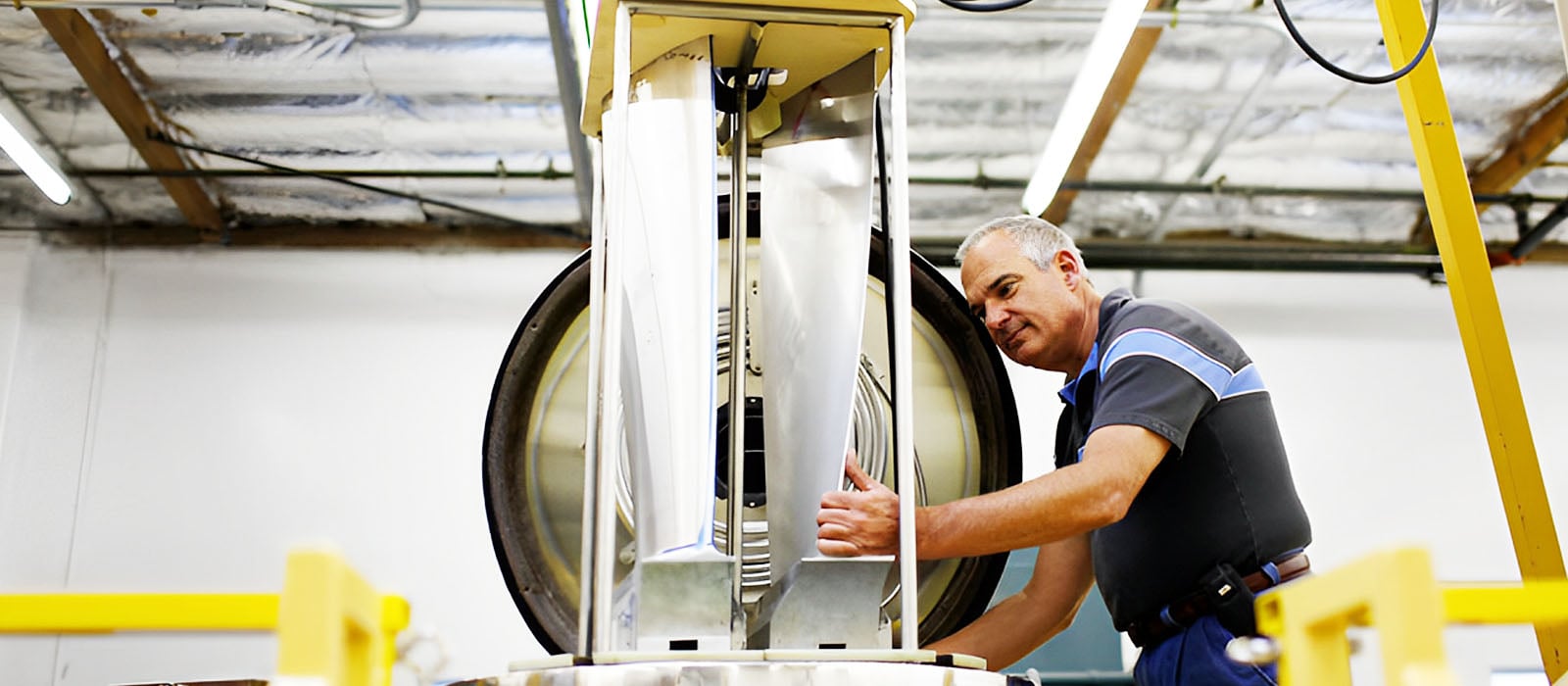
Cryogenic testing is essential for ensuring safe space missions. Discover how it fuels innovation and pushes the boundaries of human exploration.
Antarctica's record low of 184K in 1983 may be Earth's coldest, but it's still far warmer than the temperatures on the moon or in outer space, which can drop to 2.7K. Aerospace engineers rely on cryogenic testing to ensure our spacecraft and satellites survive in these extremely low temperatures, ensuring their durability and functionality even in the harsh space environment known to science.
This blog will explore how cryogenic testing benefits the space industry and the challenges involved in conducting it. We will also dive into specific cryogenic applications and their role in advancing space exploration and technology.
How Does Cryogenic Testing Work?
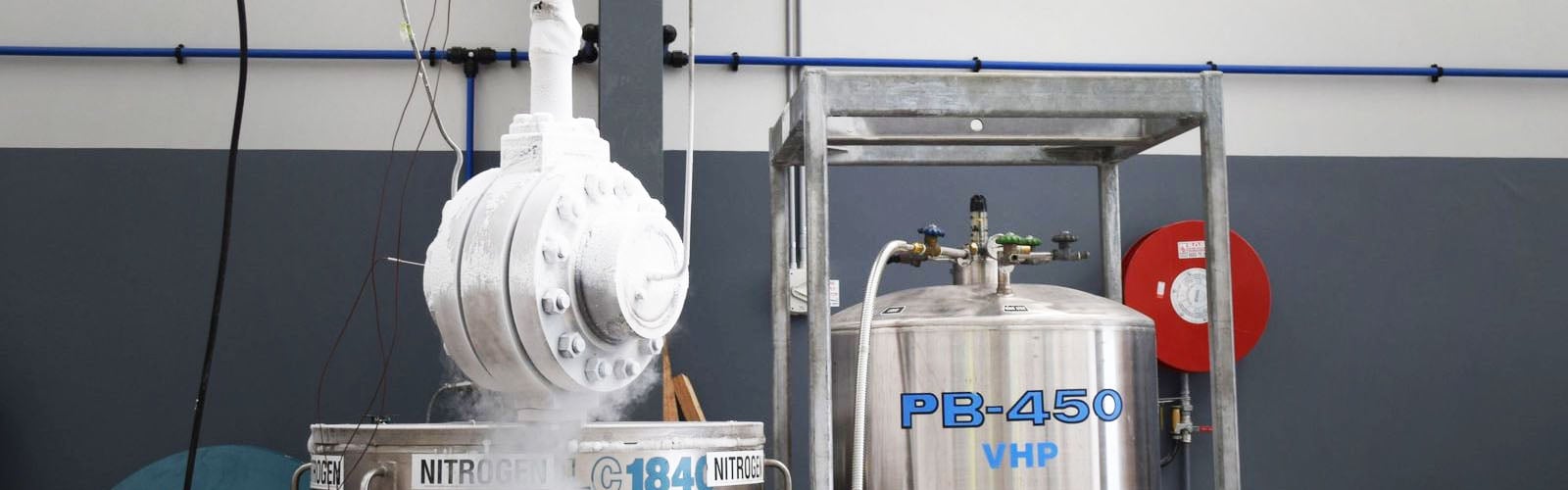
The goal of testing at a cryogenic temperature is to replicate the extreme cold experienced in outer space, where the absence of an atmosphere leads to incredibly low temperatures, especially in shadowed regions of spacecraft or planetary bodies.
During testing, the components are slowly or quickly cooled to temperatures as low as -150°C or lower. These temperatures are typically achieved using cryogenic fluids like liquid nitrogen (at -196°C) or liquid helium (at -269°C).
At such low temperatures, unsuitable materials can experience physical changes, including thermal contraction, which causes them to shrink. This happens as their molecules move less freely, resulting in increased internal stress within materials that can lead to cracking, deformation, or failure.
Similarly, metals or plastics that cannot withstand cryogenic temperatures during testing will become brittle. They will also become less flexible and be more prone to breaking.
Cryogenic Testing Applications for the Space Industry
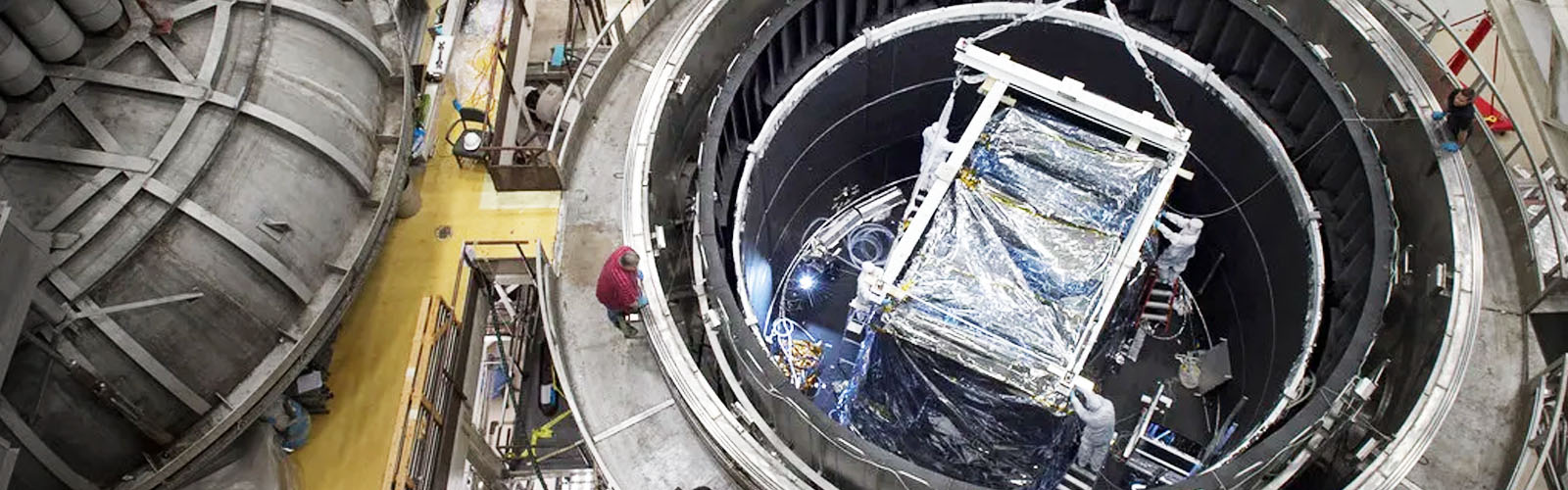
Besides selecting materials and managing thermal stress, here are other ways aerospace engineers benefit from cryogenic testing:
- Seals and Gaskets - Seals and gaskets keep compartments in space vehicles airtight. Unfortunately, they can harden or lose flexibility in frigid environments. Cryogenic tests allow engineers to develop component designs that eliminate the risks of seal failures and leaks in fuel tanks and sensitive scientific instruments.
- Electronic Components and Systems - Communication, navigation, and propulsion control are only possible with functioning electronic systems. Such tests will check if all sensors, wiring, semiconductors, and other electrical components are safe to use in freezing temperatures and will not fail due to condensation or cold-induced electrical resistance.
- Composite Structures - Aerospace vehicles' lightweight, high-strength composites can react unexpectedly under cryogenic temperatures. Testing them reveals how these materials' fibers and resins are affected by extreme cold.
- Propulsion Systems - Space propulsion systems run on cryogenic fuels like liquid oxygen and liquid nitrogen. Aerospace engineers use cryogenic testing to check if the systems they design, specifically the fuel lines, pumps, and storage tanks, can safely and efficiently store and transport supercooled liquids.
- Lubrication and Mechanical Systems - Some lubricants do not behave well under extreme cold. Some may thicken, evaporate, or freeze. Exposing lubricants to a simulated space environment helps engineers determine cryo-tolerant lubricants and develop mechanical systems that create minimal friction when operating in space.
Challenges in Conducting Cryogenic Tests

Maintaining consistent ultra-low temperatures is a major hurdle. Specialized equipment for cryogenic testing must be calibrated to sustain these temperatures, as even a slight temperature fluctuation can significantly affect results.
Another challenge is managing thermal stress. Test systems like a cryogenic chamber must be constructed with materials that neither expand nor contract when subjected to low temperatures. Otherwise, test results become skewed, rendering the testing equipment ineffective.
Additionally, having an airtight and moisture-free testing setup is just as important. Moisture during testing can interfere with outcomes, causing unnecessary freezing and condensation. Ensuring proper insulation can avoid this complication.
Despite these challenges, aerospace engineers continue to rely on cryogenic testing as it continues to be an essential step in ensuring all space missions, whether manned or unmanned, are successful.
Are you looking for reliable lab equipment and instruments for materials testing? TLD offers quality tools developed by industry-leading manufacturers. Contact our expert team for prompt assistance at 1-800-733-2522, email, or message us via live chat, available on our website.
Sources:
https://www.aac-research.at/cryogenic-materials-testing-in-aerospace-engineering/
https://demaco-cryogenics.com/cryogenics/cryogenic-applications/
https://www.element.com/materials-testing-services/cryogenics-testing
https://www.mdpi.com/2076-3417/11/3/948