
Clinical Lab Spectrophotometers For Routine Testing to Complex Analysis

Spectrophotometer

Is a UV-Vis spectrophotometer enough for your clinical lab, or should you consider adding other models, such as a fluorescence spectrophotometer? Discover how different types of spectrophotometers work, their key applications, and the unique benefits each one offers to enhance your lab's capabilities.

What is a Spectrophotometer Used For?

What is a Spectrophotometer

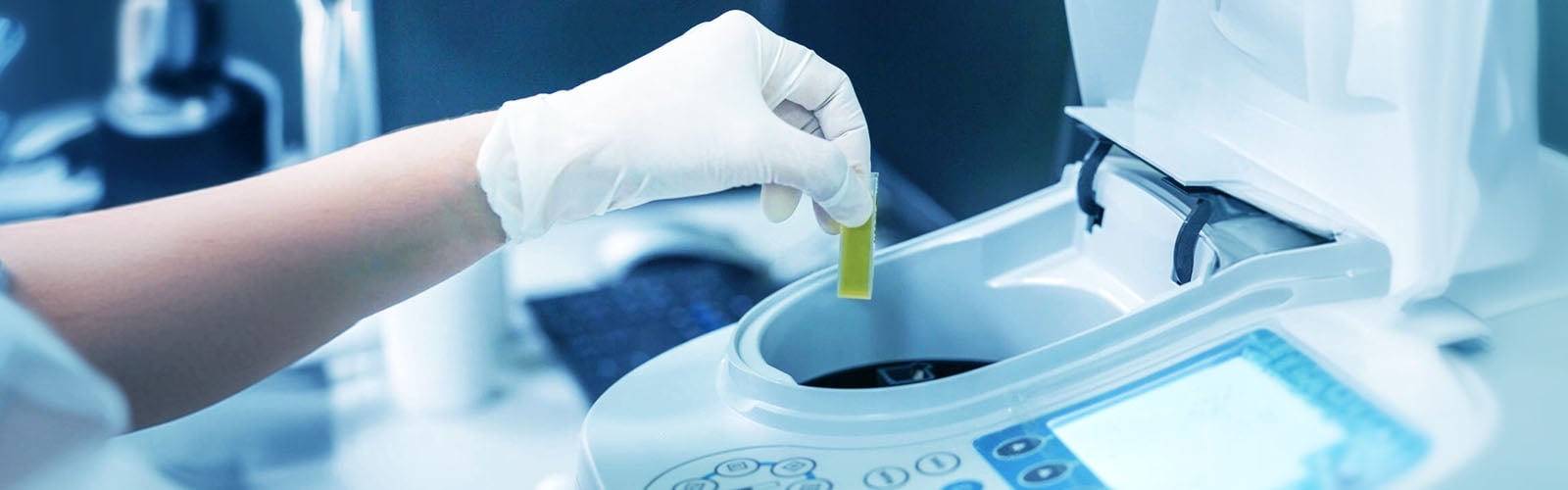
A spectrophotometer is a versatile instrument used across various industries and is crucial in clinical applications. In clinical laboratories, spectrophotometers are used for quantitative analyses, where they help determine a substance’s concentration in a sample.

They are invaluable in kinetics studies, allowing scientists to monitor reaction rates over time. They are also essential for DNA/protein testing, where precise measurements are critical for understanding molecular interactions and concentrations.

How Does a Spectrophotometer Work?

How Does a Spectrophotometer Work

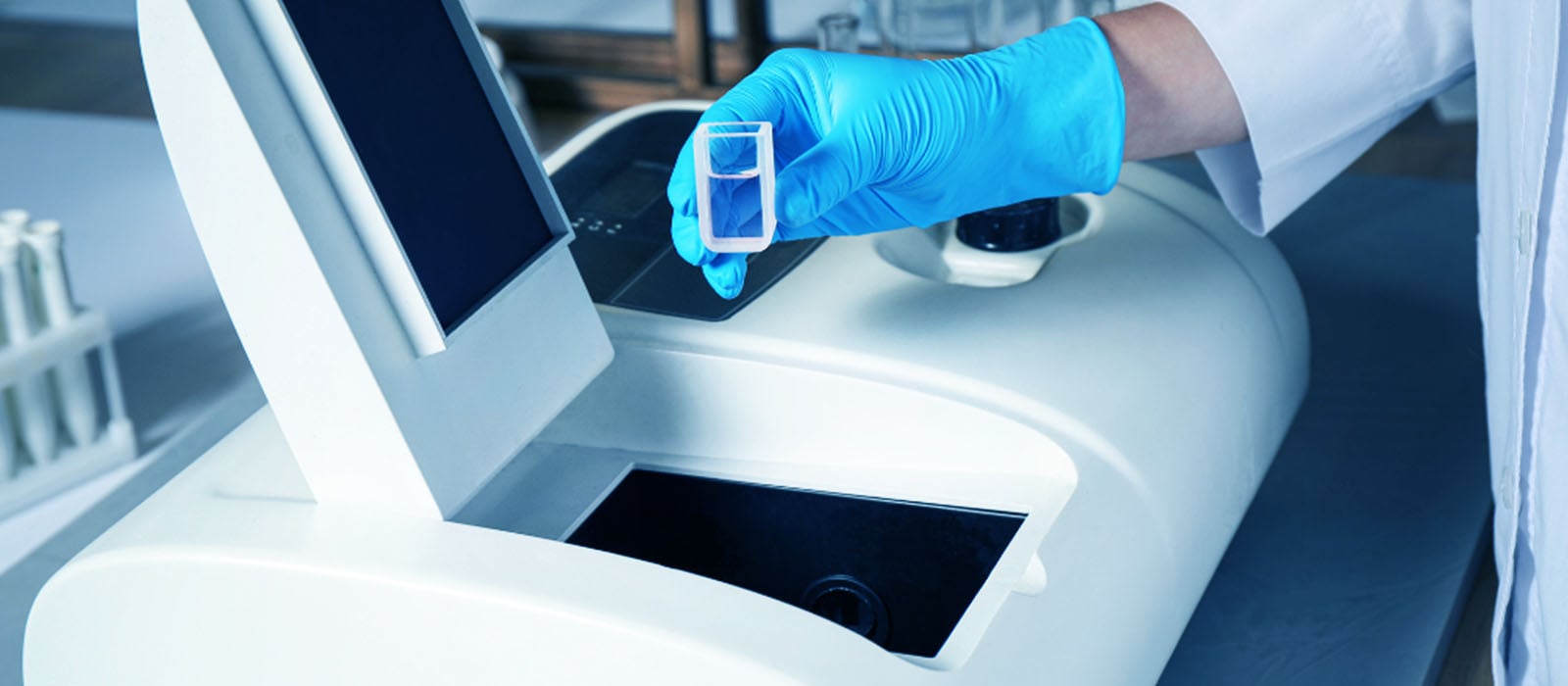
A spectrophotometer directs a beam of light through a sample and measures how much of that light is absorbed or transmitted by the sample. Here's how the general process works:

Step 1: A beam of light is emitted inside the spectrophotometer and strikes a diffraction grating, a specialized optical component that functions like a prism. The diffraction grating separates the light into its individual wavelengths and creates a light spectrum.

Step 2: The diffraction grating must be rotated to select the specific wavelength needed for the analysis. Once the desired wavelength is chosen, the light passes through an exit slit, with only the specific wavelength reaching the sample.

Step 3: As the selected wavelength makes contact with the sample, some of the light will be absorbed, and some will pass through.

Step 4: A sensor within the device detects the light from the sample, measuring absorbance and transmittance. Absorbance is the amount of light absorbed by the sample, while transmittance is the amount of light that has passed completely through the sample.

Step 5: The spectrophotometer displays the readings on a screen, providing users with valuable information for their analysis.

What Does a Spectrophotometer Measure?

UV-Vis Spectrophotometer

UV-Vis Spectrophotometer

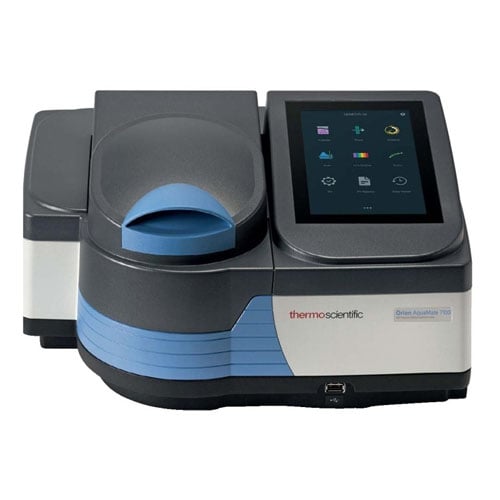
UV-Vis spectrophotometers specialize in measuring light absorbance and transmission in the visible and ultraviolet regions of the electromagnetic spectrum. They are widely used in laboratories for chemical analysis, nucleic acid and protein analysis, and pharmaceutical research. These devices also allow for non-destructive and quick analysis but have lower sensitivity and selectivity, making them ineffective for certain applications, such as fluorescence quantification.
Infrared Spectrophotometer

Infrared Spectrophotometer

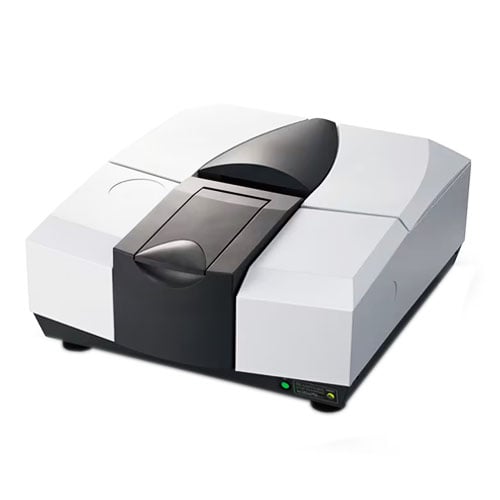
Infrared spectrophotometers detect the relative energy levels across different wavelengths or frequencies of infrared radiation as it travels through a sample. They are available in two types: a dispersive infrared spectrometer (DS) or a Fourier transform infrared spectrometer (FTIR).

The FTIR is preferred as it analyzes samples much faster, provides better precision, and keeps the sample intact. FTIRs use an interferometer to achieve high-resolution spectra and effectively determine compounds and chemical functional groups in clinical chemistry.

Nano Spectrophotometer

Nano Spectrophotometer

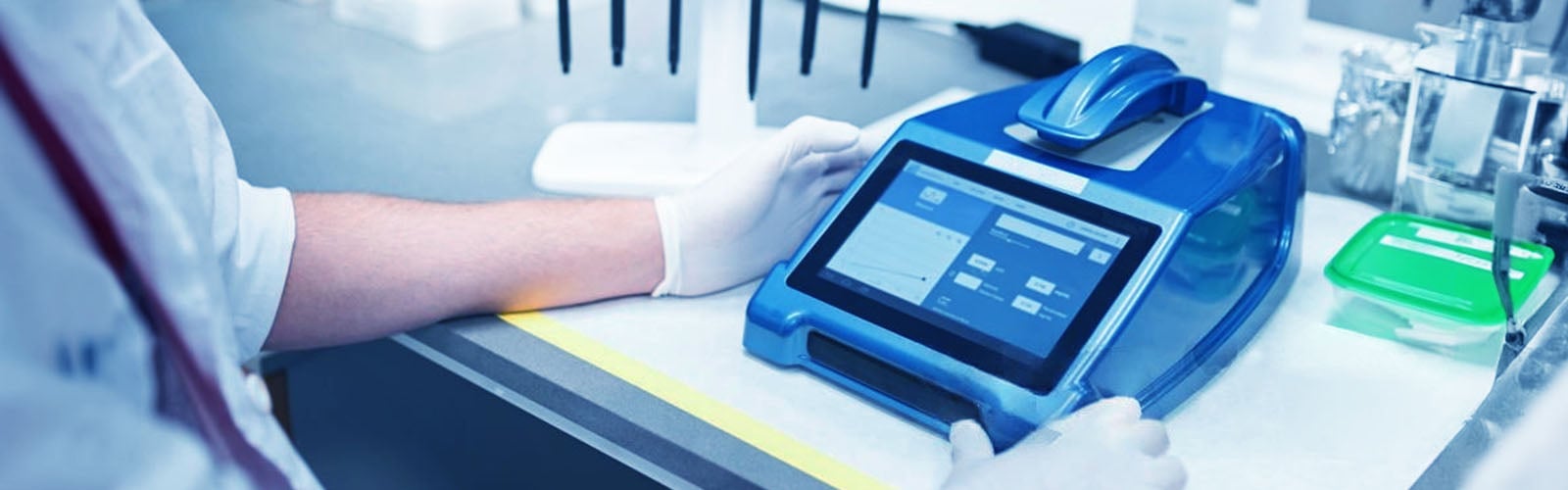
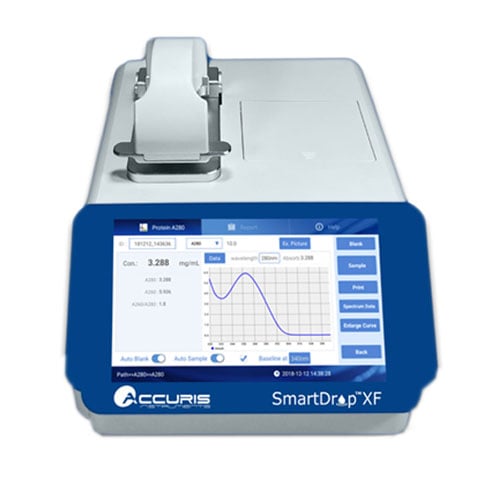
Micro or nano spectrophotometers are ideal for quantitative and qualitative substance analysis. They have become a staple routine instrument in modern molecular biology laboratories, especially for nucleic acid quantification. Their edge over other spectrophotometers is that they can accurately measure protein, DNA, and RNA in a sample volume of as little as 0.3µL to 2µL.

Fluorescence Spectrophotometer

Fluorescence Spectrophotometer

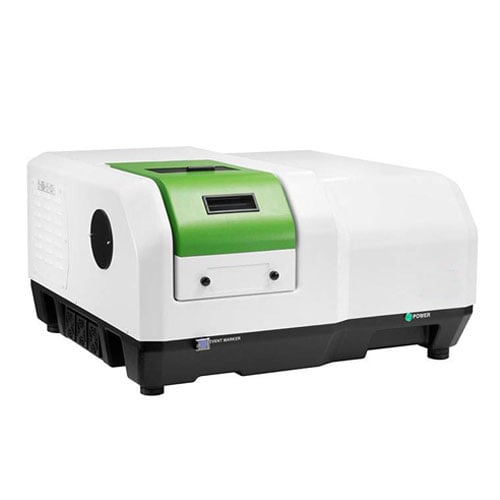
Fluorescence spectrophotometers or spectrofluorometers measure the fluorescence emitted by a sample at different wavelengths after it has absorbed electromagnetic radiation or light. They are used in bioscience, chemical, and clinical applications to study protein interactions, analyze nucleic acids, and identify diseases using biomarker analysis.

Atomic Emission Spectrometer

Atomic Emission Spectrometer

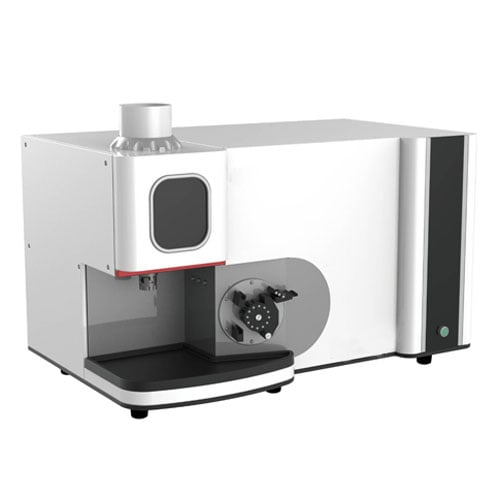
Atomic emission spectrometers quantify the light from atoms when they are stimulated by heat or electricity. When atoms in a sample become energized, they release light at specific wavelengths characteristic of each element.

In clinical applications, they help detect and measure trace elements and minerals in tissues, blood, and other biological samples. They are also vital in monitoring mineral levels, such as calcium and magnesium, and detecting mercury, lead, or other toxic metals. These measurements aid in diagnosing and managing conditions related to heavy metal toxicity or mineral imbalances.

Selecting the suitable spectrophotometer for your lab is not just a matter of convenience but also a critical decision that affects the accuracy of your work. In clinical settings, where precise measurements are essential for diagnostics, research, and patient care, investing in the right spectrophotometer ensures that your lab can deliver dependable results and contribute to better health outcomes and scientific advancements.

You can count on TLD to provide high-quality spectrophotometers from trusted manufacturers. Contact our knowledgeable team for expert assistance at 1-800-733-2522, email, or message us via live chat, available on our website.

Sources:

https://www.msesupplies.com/blogs/news/what-are-the-different-types-of-spectrophotometers

https://microbenotes.com/spectrophotometer-principle-instrumentation-applications/

https://www.blockscientific.com/spectrophotometers-for-clinical-laboratories

https://www.slideshare.net/slideshow/spectrophotometry-in-clinical-chemistry/240451360#3

https://www.youtube.com/watch?v=pxC6F7bK8CU

https://www.denovix.com/what-is-a-uv-vis-spectrophotometer/

https://conductscience.com/the-basics-of-infrared-spectrophotometry/

https://www.drawellanalytical.com/spectrophotometer/micro-nano-spectrophotometer/

https://www.edinst.com/blog/what-is-a-fluorescence-spectrometer/

https://conductscience.com/fluorescence-spectrophotometry-principles-and-applications/

https://scienceinfo.com/atomic-emission-spectroscopy-applications/

https://www.azonano.com/article.aspx?ArticleID=6743

https://www.azolifesciences.com/article/Spectroscopy-Techniques-for-Trace-Element-Analysis.aspx

Request A Quote

Customer Information
Shipping Address
Billing Address

Will you need a lift gate? *

(For deliveries requiring a LTL truck and the customer does not have a dock door)

Would you like to add shipping amount to quote? *

Are you tax exempt? *

(If you are tax exempt, please email your tax exemption form to [email protected])

Upload PDF: