

Cleanroom Standards for Aerospace Component Manufacturing
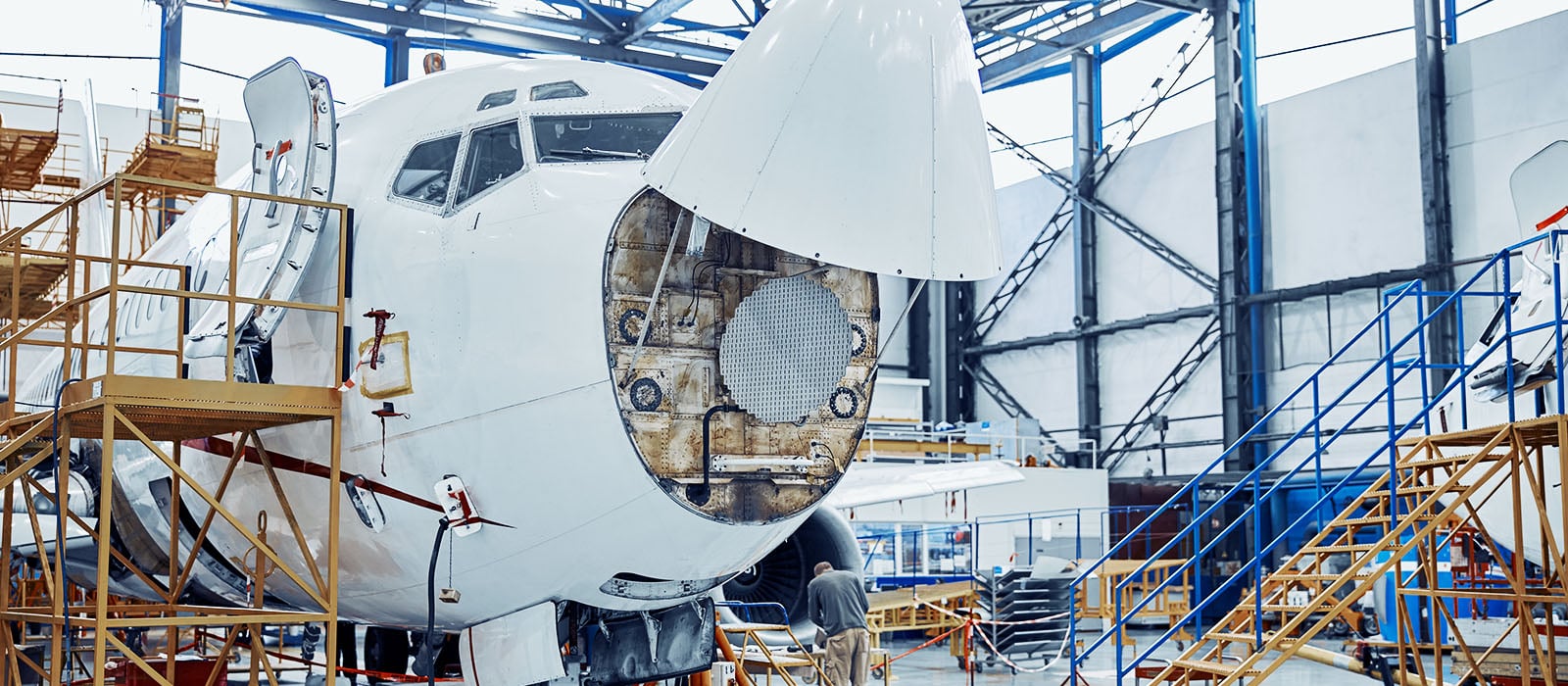
With the ISO 14644 and AS9100 standards, aerospace cleanrooms stay contamination-free, helping engineers build reliable aerospace components.
Dust, oils, chemical vapors, or other common contaminants can compromise the integrity of aerospace components. Residual cleaning agents and metal particles can interfere with adhesives, coatings, and assemblies. At the same time, other contaminants can cause sensitive equipment to malfunction, resulting in aerospace hardware that is not fit to withstand high vacuum, radiation, or other extreme conditions.
This is where cleanrooms come in, as they provide aerospace facilities a controlled environment where engineers and technicians can safely and efficiently operate equipment, manufacture parts, and conduct quality control. However, in addition to having cleanrooms within the facilities, ensuring they comply with cleanroom standards and regulations is equally important.
The ISO 14644 Standard
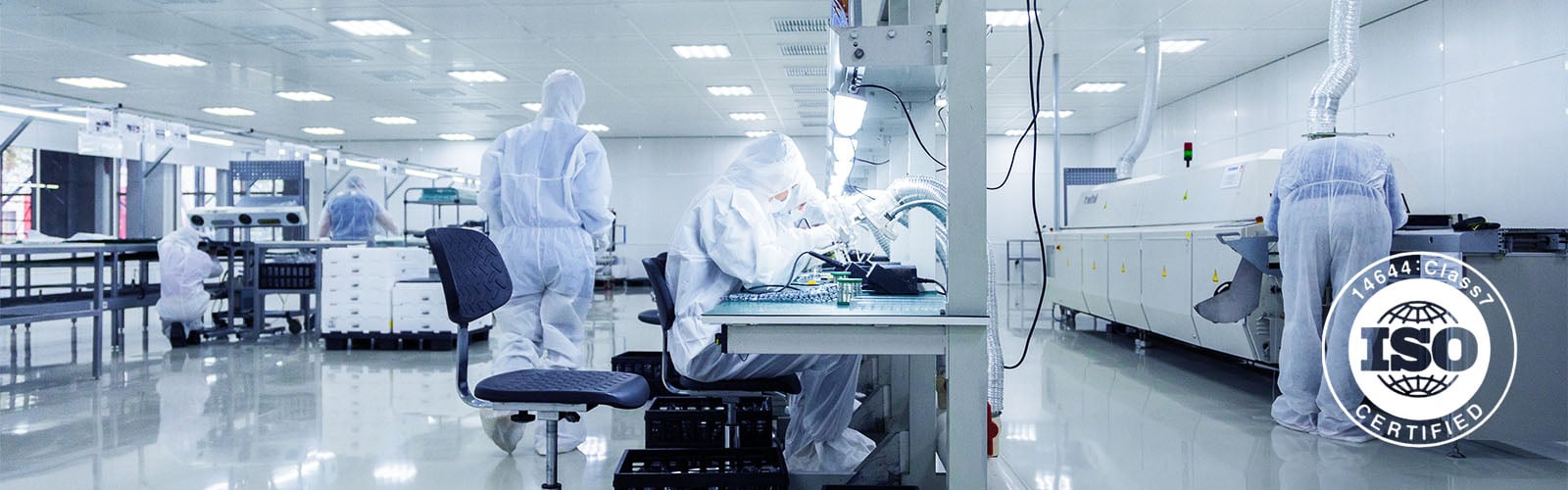
The International Organization for Standardization (ISO) developed ISO 14644 as the foundation of modern cleanroom classification. It provides a globally accepted method for measuring and controlling airborne particulate matters in cleanrooms and controlled environments.
This standard defines cleanroom classes based on the maximum number of particles allowed per cubic meter of air. The lower the class number of a cleanroom is, the cleaner the air must be inside. For example:
- ISO Class 7 allows up to 10,000 particles sized 0.5 microns or less per cubic foot of air. An ISO Class 7 cleanroom is commonly used for assembling larger or less contamination-sensitive parts. These can be turbine housings, structural panels, or hydraulic assemblies.
- ISO Class 5 permits only 100 particles per cubic foot. An ISO Class 5 cleanroom is essential for extremely sensitive processes. They are typically where the production and assembly of microelectronic systems, guidance sensors, or optical instruments take place.
Regardless of classification, cleanrooms must have high-efficiency filtration, controlled airflow patterns, and positive air pressure. This explains why cleanrooms in aerospace facilities should install high-efficiency particulate (HEPA) or ultra-low penetration air (ULPA) filters. Besides using HEPA or ULPA filters to trap airborne contaminants, they must also utilize laminar flow hoods to ensure that their critical work areas are free of particles.
The entire ISO 14644 family also includes standards for testing methods, maintenance procedures, and operational procedures. This way, facilities can maintain cleanroom cleanliness and guarantee excellent performance of all equipment.
The AS9100 Standard
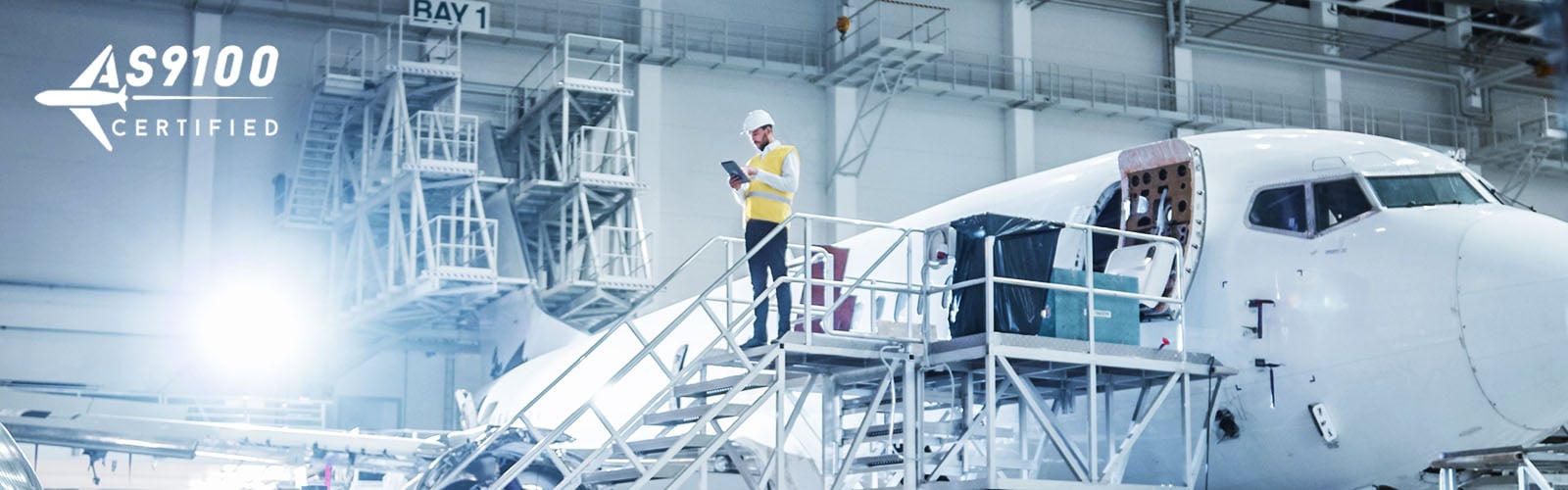
AS9100 is an internationally recognized standard released by the International Aerospace Quality Group. It is often confused with the ISO 9001 standard, which focuses on environmental cleanliness, because AS9100 is based on ISO 9001. That’s why when a company is certified to AS9100 standards, it automatically complies with ISO 9001.
AS9100 covers the quality management system (QMS) used in aerospace production, from design and procurement to assembly and inspection. Its aerospace-specific principles include:
- Risk management requires manufacturers to identify potential problems, analyze solutions, and implement preventive measures to reduce potential risks.
- Avoiding counterfeit or substandard parts ensures that all materials are sourced only from verified, traceable suppliers.
- Product safety instructs engineers to follow standard operating procedures in designing and manufacturing hardware in cleanrooms.
- Product realization means integrating cleanroom protocols, contamination control, and material verification into a single process.
- Configuration management guarantees that all the design, materials, and specifications of aerospace components are accurate and consistent through detailed documentation, version tracking, and approval procedures.
Getting certified under AS9100 shows that manufacturers meet international quality expectations and maintain the discipline and accountability needed for aerospace-grade reliability. After all, it is a core standard used by leading aircraft, defense, and spacecraft contractors across the world.
Adhering to cleanroom standards helps aerospace manufacturing facilities achieve and maintain a contamination-free environment. ISO 14644 and AS9100 are internationally recognized standards that must be followed in the aerospace industry, especially when manufacturing aerospace components.
The Lab Depot offers high-quality supplies and equipment from trusted brands for cleanroom use. Browse through our product inventory to find the products you need. For expert assistance, feel free to contact our team at 1-800-733-2522, email, or through live chat on our website.
Sources:
https://alliedcleanrooms.com/aerospace-cleanroom-requirements-what-you-need-to-know/
https://www.14644.dk/the-role-of-cleanrooms-in-aerospace-manufacturing
https://angstromtechnology.com/aerospace-cleanrooms/
https://cleanroomsuppliesltd.com/downloads/cleanroom-guide-iso-14644.pdf
https://www.dnv.com/assurance/articles/difference-between-iso-9001-and-as9100/
https://advisera.com/9100academy/what-is-as9100/
https://www.nqa.com/en-pk/certification/standards/as9100
https://www.nsf.org/management-systems/quality-management/as9100