Cell Culture Contamination Control in Medical Labs
Cell Culture Contamination Control in Medical Labs
Last Updated: October 24, 2024
Even with meticulous handling, lab contamination remains a threat. Learn about the common contaminants in medical labs and explore ways to identify and avoid them.
In a medical laboratory, the risk of contaminating samples is incalculable. Cell cultures, including those purchased from third parties, can get infected with mycoplasma. Fungal spores can spread in the air, and human mistakes and poor hygiene can significantly affect sample integrity in sterile environments.
This article closely examines medical lab contamination, emphasizing the primary contributing factors. It also offers effective measures for detecting contaminants and mitigating their spread. But first, let us discuss the various kinds you and your cell culture might encounter in the lab.
Different Types of Contamination
Cell culture contamination is a common challenge in labs as it can compromise results and waste valuable resources. However, we must understand what they are and do to successfully prevent it. Below are the main types of contamination in a cell culture lab.
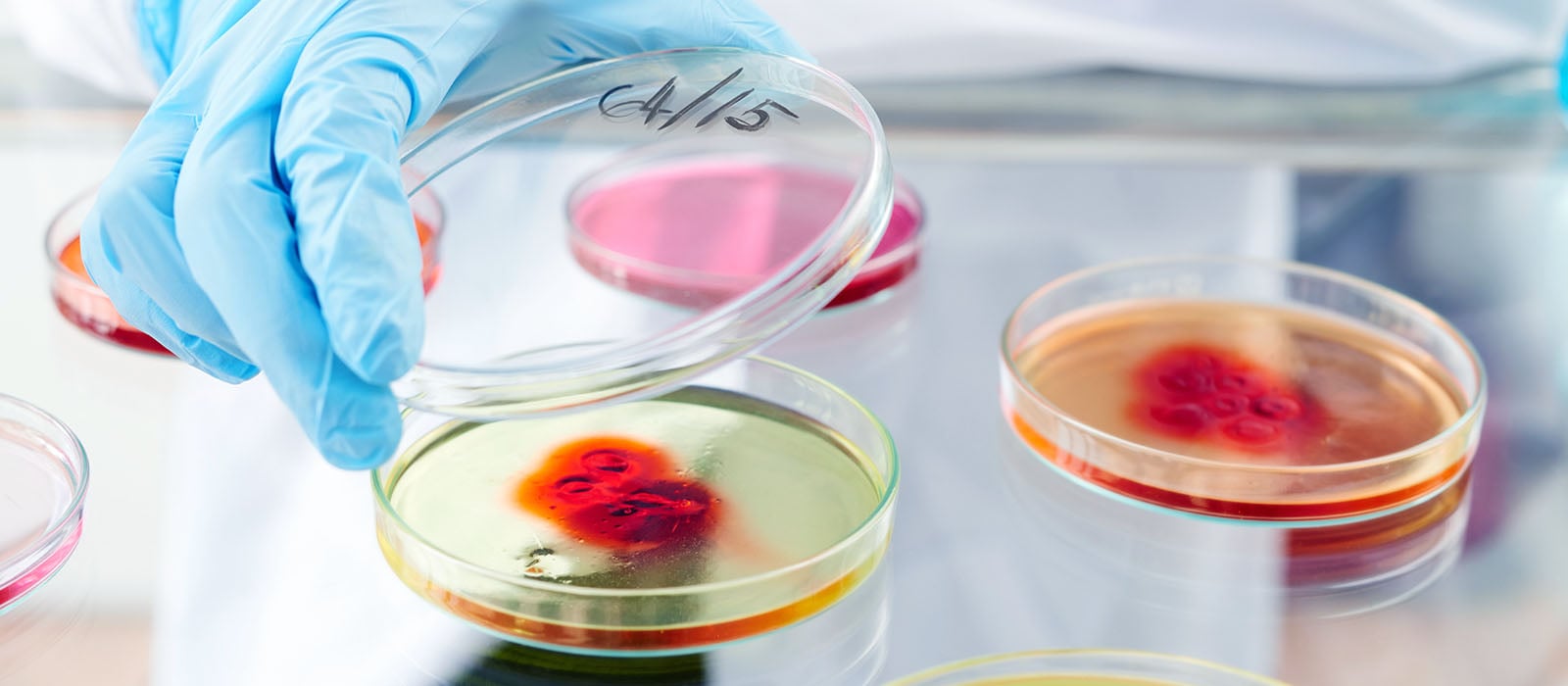
Microbiological Contamination - Microbiological contaminants like bacteria, mycoplasma, and fungi can quickly multiply and spread in other cultures. They can also consume nutrients and change pH levels.
Viral Contamination - Viruses can enter cultures through reagents, cells, or lab technicians. These contaminants are hard to detect and may change cell behavior or mask experimental results.
Protein Contamination - Protein contaminants, often introduced through handling, can interfere with cell growth and function. They may also skew analytical data in bioassays or biochemical tests.
Chemical Contamination - Cell cultures can get contaminated with residues from cleaning agents or plasticizers from lab equipment. When these chemicals contact the cultures, they disrupt cellular processes and cause misleading results.
Other Cell Cultures - Accidental mixing of different cell lines can lead to cross-contamination, which is particularly dangerous as it can go unnoticed.
Potential Sources of Contamination
Lab Personnel
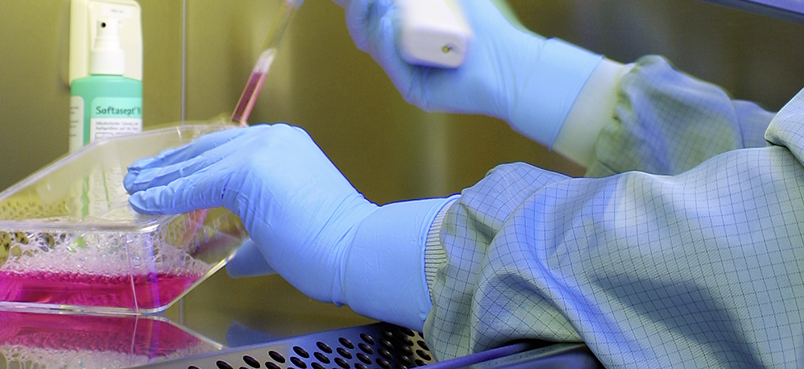
Human error is one of the most common sources of contamination in cell culture labs. Contaminants can be introduced through unwashed hands, touching non-sterile surfaces, or improper use of personal protective equipment (PPE). Minor lapses like forgetting to sanitize lab gloves or mishandling tools can lead to microbial growth in cultures.
Reagents and Media
Culture media, supplements, additives, and other reagents can be significant sources of contamination if they are not sterile or adequately handled. Even high-quality products can become contaminated if stored or prepared in non-sterile conditions. Failing to test for contaminants in reagents regularly can result in the unnoticed introduction of bacteria, fungi, or viruses.
Lab Equipment
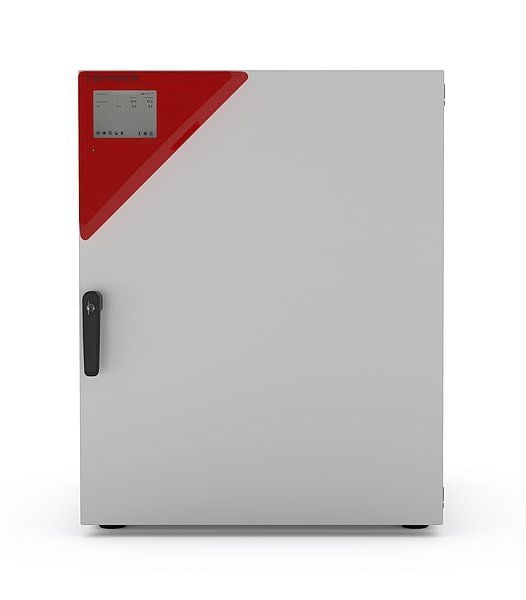
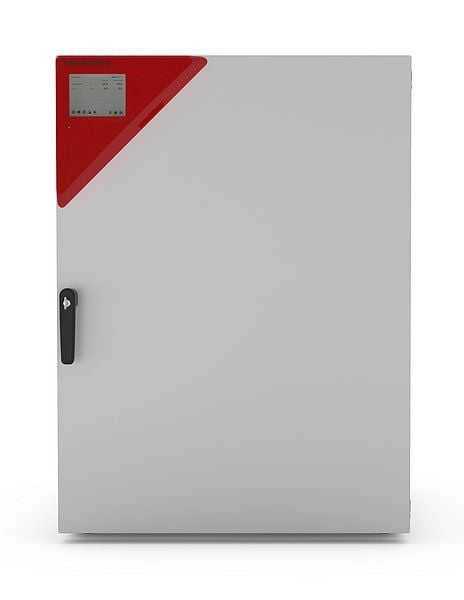
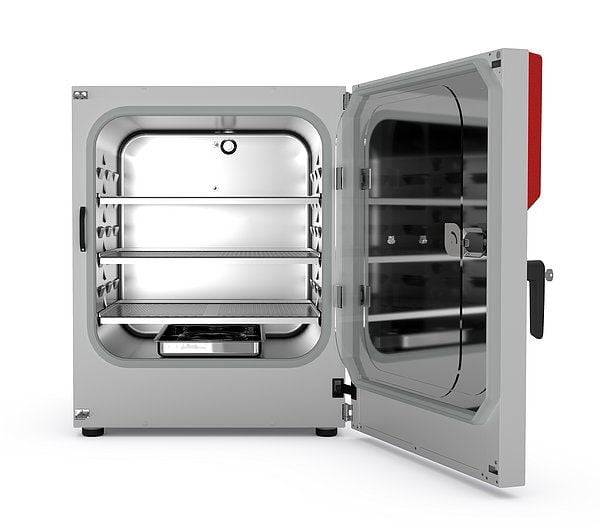
Incubators, pipettes, and water baths are standard pieces of laboratory equipment that can harbor contaminants if not regularly cleaned and sterilized. Residual biological materials or chemical agents left on equipment surfaces can quickly transfer to cell cultures during handling. Additionally, improperly calibrated or poorly maintained equipment can create an environment where contaminants thrive.
Airborne Particles
Airborne contaminants like dust, mold spores, and microorganisms can easily infiltrate open cell cultures, especially in labs with poor air filtration or high traffic. Opening incubators or working outside a laminar flow hood increases the chances of contamination from airborne particles.
Cross-Contamination
Using shared pipettes, mishandling cultures, and mislabeling containers usually cause cell lines to mix. When lab technicians disregard strict lab protocols, the probability of cross-contamination occurring increases.
Investigative Methods to Detect Contamination
Contamination can be managed and monitored through different methods. Here are straightforward to complex techniques to detect viral, protein, microbiological, or chemical contamination:
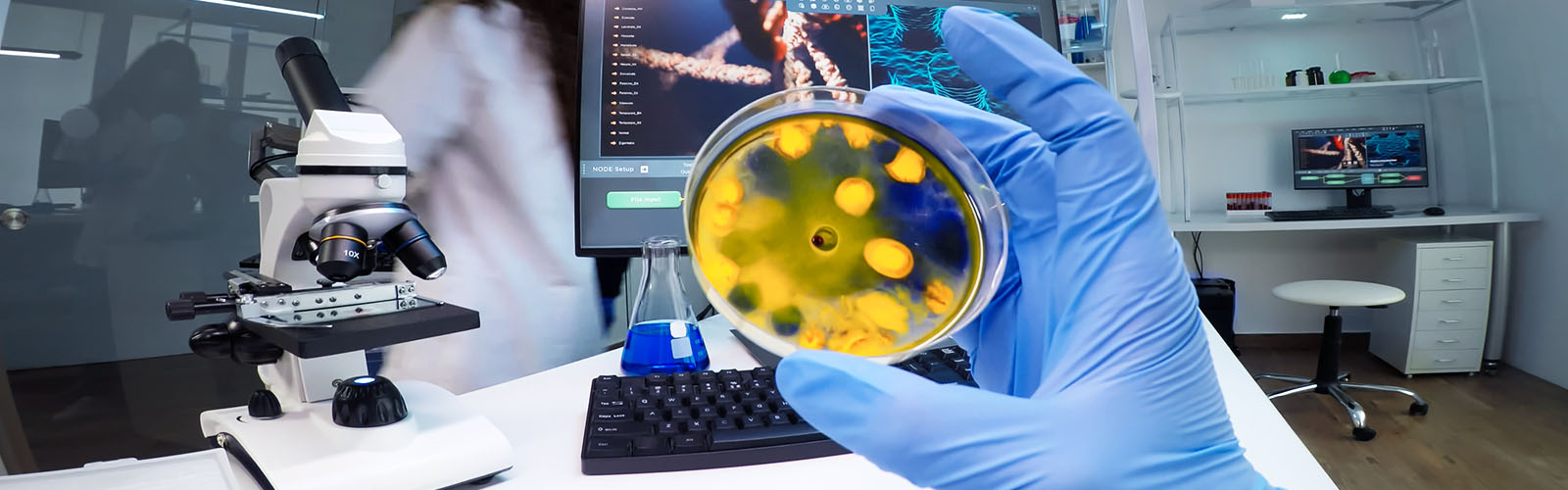
A skilled lab technician can often identify cross-contamination by examining the sample under a microscope.
PCR testing can detect mycoplasma by analyzing the DNA extracted from cell cultures.
Labs involved in viral transduction or bioassays should routinely test for viral contamination to ensure the integrity of their experiments.
Drug production laboratories, particularly those developing new therapies, must regularly screen for bacteria, spores, fungi, mycoplasma, and viruses like HIV, HCV, and low-risk BSE to ensure product safety.
How Can We Control Contamination?
Laboratories that fail to address contamination risk damaging their reputation and losing their clients' trust. Monitoring these incidents is recommended, but performing these steps will ensure different types of contamination are avoided:
Special cleaning protocols must be implemented following contamination. In cases of fungal infections, it's essential to verify that regular disinfection with alcohol-based agents is properly conducted in the lab.
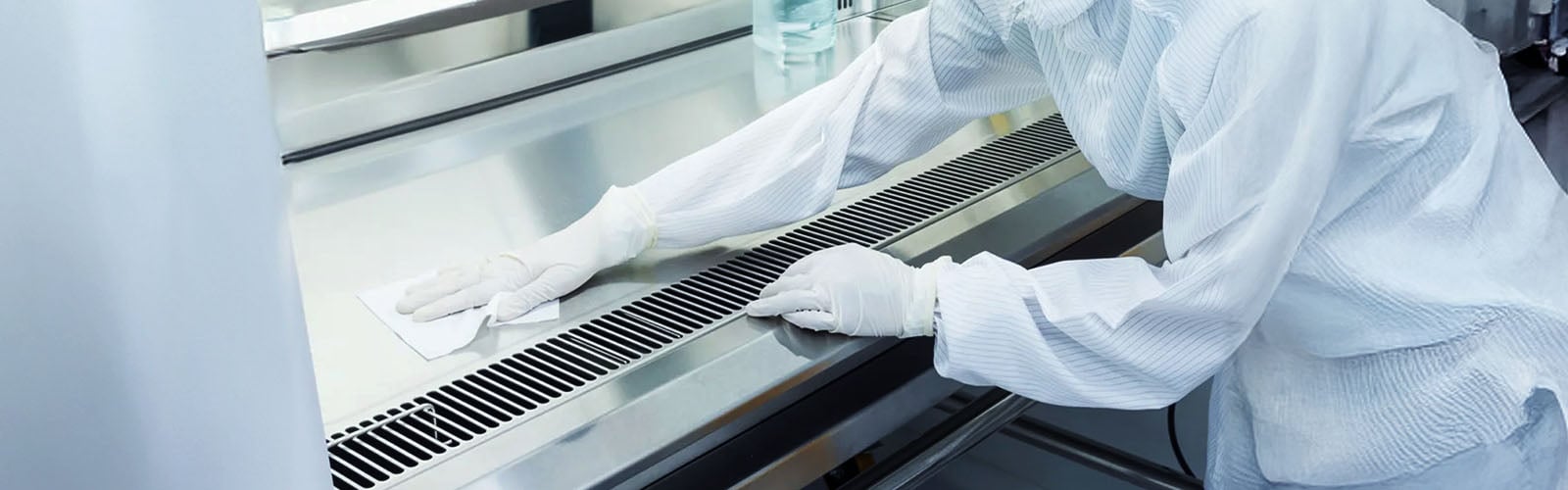
Regularly disinfecting the inside of incubators and surfaces of other lab equipment with their recommended cleaning agents can significantly reduce the risk of contamination.
Monthly hot-air sterilization is standard in many medical labs to maintain sterility and prevent contamination.
For sensitive stem cells, antibiotics are rarely a viable option for treating infected cultures. In most cases, the only solution is to discard the contaminated culture, an expensive process that forces labs to start the work from scratch.
Consistently detecting, verifying, and addressing contamination is crucial, especially in medical labs with susceptible biological samples. Use the information in this article to help you ensure cell cultures are contaminant-free and maintain sterile environments.
We have received your request and are working hard on your quotation. Please allow 24 - 48 business hours for quote processing. You will receive a copy of your request to the email attached.
We look forward to serving you.
Thank you!
We have received your request and are working hard on your quotation. Please allow 24 - 48 business hours for quote processing. You will receive a copy of your request to the email attached.
We look forward to serving you.
The Lab Depot uses cookies to improve your experience on our site. By clicking “Dismiss”, you consent to the use of all cookies which enable you to have a more personalized shopping experience. The Lab Depot does not sell any personal information. For more information, please read our privacy policy.