

Maximum Sample Recovery
The primary benefit, especially with conical designs, is the ability to recover up to 99% of the sample, minimizing waste of valuable materials, which is crucial for expensive or limited-quantity analytes.
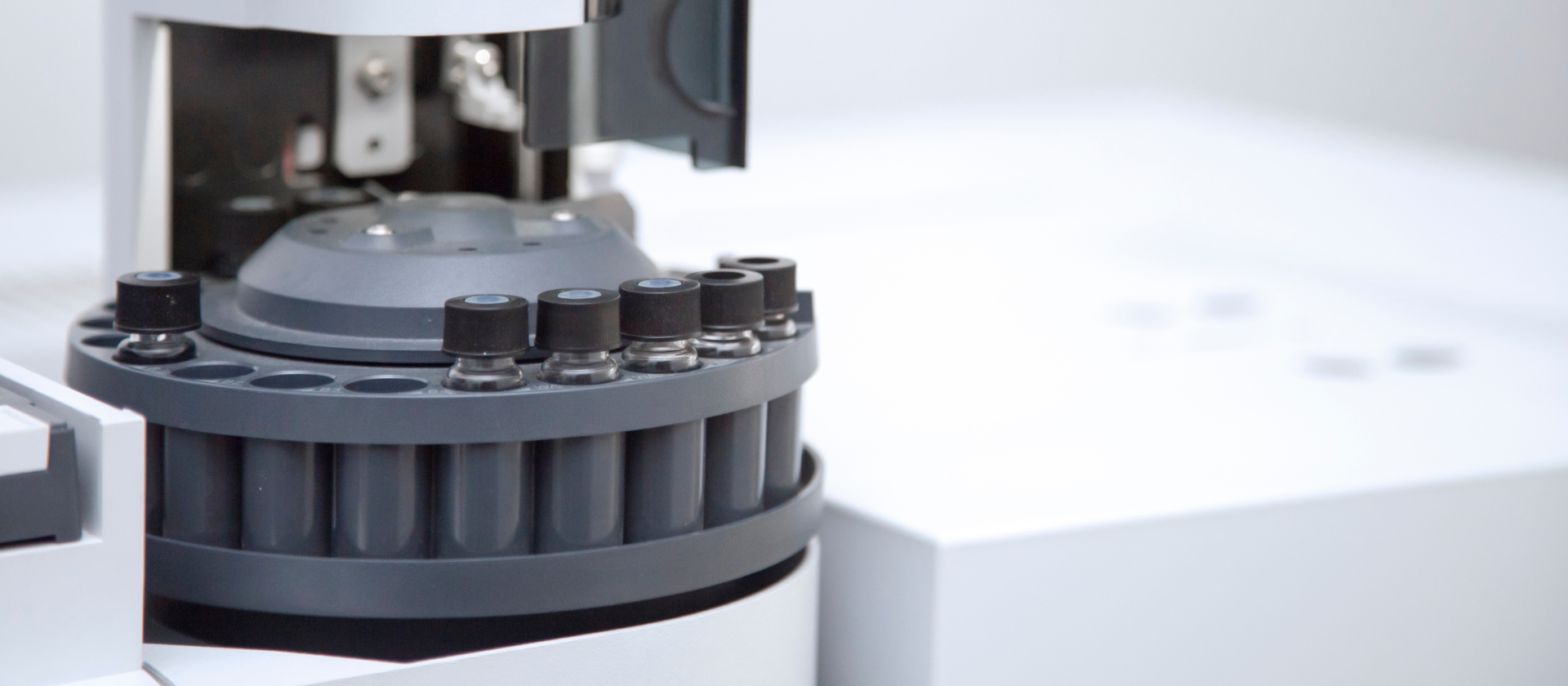
In high-stakes analytical chemistry, whether you’re running samples on HPLC, GC, or MS, the difference between a successful assay and costly failure often comes down to one tiny component: the chromatography vial insert.
This article explores the critical importance of J.G. Finneran's vial inserts, delves into the different types available, and provides a guide on their proper use to ensure the highest levels of accuracy, consistency, and efficiency in your laboratory workflow.
Standard 2 mL autosampler vials are great for bulk analysis, but for the increasingly precious, small-volume samples that define modern analytical work, they become an obstacle. When a sample only occupies the very bottom of a standard vial, the autosampler needle may struggle to reach the analyte, leading to two major problems:
When the autosampler can’t reach the analyte, a significant, unanalyzed percentage of your sample is simply left behind. If that material is rare, expensive, or took weeks to synthesize, that sample waste is devastating.
The autosampler needle might draw in air or scrape the bottom of the vial, causing damage to the needle, introducing particulates, or resulting in irreproducible injection volumes.
J.G. Finneran vial inserts are engineered precisely to combat these issues. They effectively reduce the usable volume of a standard vial, raising the sample into the optimal injection zone of the autosampler needle. This ensures that the instrument can consistently and reliably access and extract virtually all of the sample.

Maximum Sample Recovery
The primary benefit, especially with conical designs, is the ability to recover up to 99% of the sample, minimizing waste of valuable materials, which is crucial for expensive or limited-quantity analytes.

Precision and Reproducibility
By elevating the sample and providing a more focused target, inserts eliminate the "dead volume" at the bottom of a large vial, ensuring that every injection is drawn from a consistent, concentrated area.

Needle Protection
Features like Polymer Bottom Springs (PolySpring®) or a precision-formed interior prevent the autosampler needle from bottoming out and damaging the fragile glass tip or the expensive needle mechanism.

Chemical Inertness
Finneran utilizes Type I Borosilicate Glass, known for its superior chemical resistance and low extractables, ensuring the sample's integrity is maintained and no foreign substances interfere with the analysis.
J.G. Finneran offers a comprehensive range of vial insert designs, each tailored for specific sample volumes, autosampler types, and recovery needs. Choosing the correct insert is essential for optimal performance.
These inserts feature a sharp, tapered bottom formed by pulling the glass to a fine point. This design naturally concentrates the sample at the lowest point.
Application: Ideal for extremely limited samples where maximum recovery is paramount. The precision-formed interior, especially in Finneran's mandrel-point inserts, is designed to allow the autosampler needle to reach the absolute last drop of liquid. They are often used in trace analysis and specialized research.
Many Finneran conical inserts include a Polymer Bottom Spring (PolySpring®). This plastic spring acts as a shock absorber, centering the insert securely within the vial and protecting the delicate glass tip from needle impact.
These are cylindrical with a flat base, offering a higher volume capacity than conical types while still reducing the dead volume of a standard vial. Available in both inert glass and polypropylene (PP). PP inserts are a cost-effective, durable, and chemically resistant alternative, often preferred in ion chromatography (IC) or other applications where a glass surface interaction might interfere.
Best for less limited samples (e.g., 250 µL to 400 µL) or general applications where maximum recovery is not the sole critical factor. They are often the most economical choice.
Finneran also pioneers integrated solutions, such as the Interlocked™ Vial and the Glastic® Vial. These products eliminate the separate handling of an insert by fusing a glass limited-volume insert directly into the vial body.
A standard 12x32mm glass vial with a limited volume insert fused into the neck. This design completely eliminates insert movement, ensuring perfect centering and consistent needle penetration every time.
This innovative product combines a Type I Borosilicate Glass insert with a clear or amber thermoplastic polymer outer vial shell. This offers the chemical inertness of glass for sample contact while providing the durability, safety, and compatibility of a plastic vial for robotic handling.
To get the most out of your J.G. Finneran vial inserts, proper handling and selection are crucial.
Step 1: Selecting the Right Insert
Use the table below to guide your selection based on your specific analytical needs:
| Factor | Consideration | Finneran Solution |
|---|---|---|
| Sample Volume | For 50-250 µL (ultra-limited) choose Conical | Conical Inserts (especially with PolySpring®) |
| Recovery Need | For maximum recovery, choose Conical/Mandrel-Point | Mandrel-Point Inserts |
| Budget/Volume | For 250-400 µL (general limited volume) choose Flat-Bottom | Flat-Bottom Inserts (Glass or PP) |
| Sample Reactivity | For samples prone to sticking, choose a Silanized glass insert. | Silanized Glass Options |
Step 2: Loading the Insert and Sample
Carefully place the selected insert into the empty autosampler vial (typically a 2 mL, 12x32 mm vial). Ensure it is properly seated and centered. For wide-opening vials, the larger diameter insert (e.g., 6 mm outer diameter) should be used for optimal centering and stability.
Using a precision pipette, gently transfer your sample solution into the insert. Do not overfill. Ensure the liquid level remains below the neck of the main vial to prevent spillage and sample loss when the cap is applied.
Immediately seal the vial with the appropriate closure (screw, snap, or crimp cap) and a high-quality septum. Finneran offers a variety of seals, including the patented Poly Crimp™ Seal and Ultra Low Bleed Aluminum Seals, which are critical for sensitive applications like LC/MS. The seal prevents solvent evaporation and protects the sample from atmospheric contamination.
Step 3: Autosampler Optimization
Before running the analysis, calibrate your autosampler to the new, reduced depth. The needle must be programmed to descend only to the tip of the insert, preventing damage and maximizing sample draw. The precise dimensions and centering of Finneran inserts simplify this calibration process, contributing to greater analytical confidence.
J.G. Finneran's commitment to quality is rooted in its status as a USA-based manufacturer, allowing for rigorous quality control over the specialized, automated glass and plastic manufacturing processes. Since their founding in 1977, Finneran has pioneered crucial laboratory consumables, including the first limited volume inserts with bottom springs. This legacy of innovation and dedication to precision manufacturing ensures that laboratories receive consistently high-quality products.
By choosing J.G. Finneran, analytical scientists invest in a robust, reliable system that directly improves the accuracy and efficiency of their chromatography workflows. For high-traffic labs and critical research, the choice of a limited volume insert is not a minor detail—it's a fundamental decision that dictates the success of the analysis. The precise design, chemical inertness, and recovery-focused features of Finneran inserts make them the gold standard for sample containment and extraction in modern analytical chemistry.
Disclaimer: This article is based on publicly available product information and general analytical chemistry principles. For specific product use, always refer to the manufacturer's official documentation.
Information based on J.G. Finneran Associates, Inc. Product Literature and Technical Data.