

6 Tips to Properly Install and Maintain Your Ductless Fume Hood
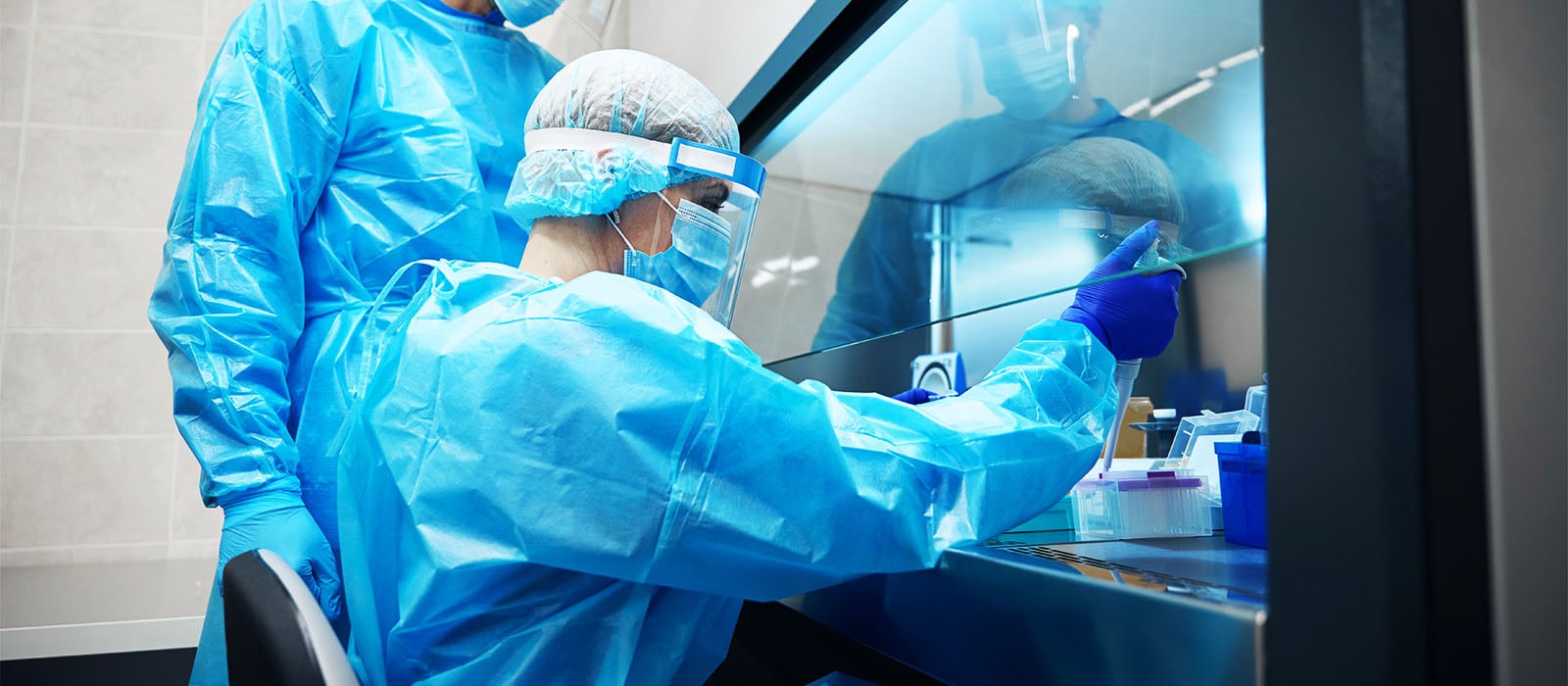
Don't compromise lab safety. Ensure your ductless fume hood is placed and maintained correctly to prevent containment breaches and filter failure.
A ductless fume hood is a sophisticated piece of filtration equipment. Unlike ducted fume hoods that simply vent air outside, ductless systems depend on proper placement and effective filter management.
If you're integrating a new unit or auditing your current units and setup, follow these reminders to properly install and maintain ductless fume hoods and ensure peak operational integrity.
Avoid Turbulence Zones
Where you put your hood is just as important as the hood itself. These units recirculate air, so they're highly susceptible to external cross-drafts that can pull contaminants out of the work zone.
High Traffic: Never install a fume hood near doors or major walkways. The airflow or turbulence created by a person walking past can disrupt the hood's airflow pattern and exceed the hood's face velocity, causing a temporary breach in containment.
HVAC Conflict: Check the ceiling. If an air supply vent is blowing directly toward the hood’s face or over the exhaust, it can destabilize the internal airflow.

The 6-Inch Rule: For maximum safety, always perform work at least 6 inches inside the sash opening. This "buffer zone" ensures that minor external air movements don't pull vapors into the room.
Ensure Proper & Secure Mounting
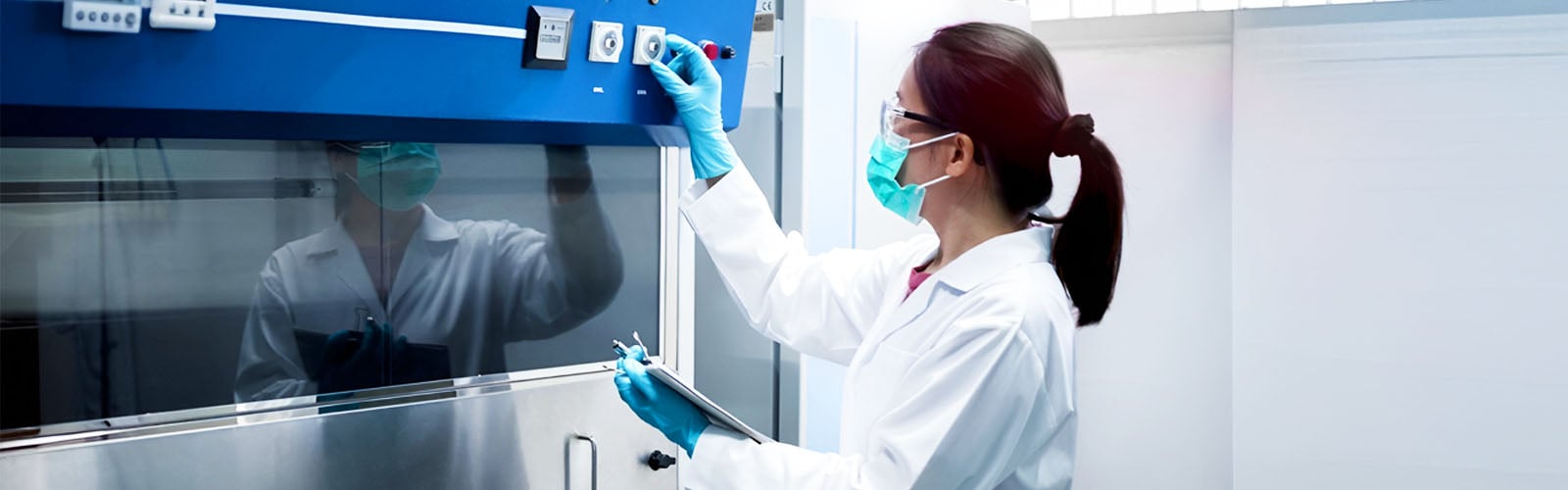
Stability is the fundamental requirement for safe containment. Your fume hood must remain immovably anchored, whether it is positioned on a fixed lab bench or a mobile stand.
-
Cart Assembly: If using a mobile stand, follow the manufacturer’s assembly guide to the letter.
-
Direct Securing: The hood must be physically secured to the cart or stand. An unanchored or unstable hood is a safety hazard in a busy lab, especially during filter changes or equipment setup.
Validate Electrical Compatibility
Confirm that your facility's power supply is suitable for the hood's voltage requirements to avoid the risk of localized brownouts. These electrical dips can cause sensitive monitoring sensors to fail or trigger false alarms, creating unnecessary downtime and safety concerns.

Avoid Voltage Drift: Main supply fluctuations should not exceed ±10%. If your lab experiences frequent power dips, use a dedicated line or a high-quality surge protector.

Non-Volatile Memory: Modern hoods feature Auto-Restart Logic. If the power cuts out, the hood should return to its previous safety settings automatically. Test this "memory" function during setup to ensure sensors recalibrate correctly upon restart.
The 6-Inch Rule: For maximum safety, always perform work at least 6 inches inside the sash opening. This "buffer zone" ensures that minor external air movements don't pull vapors into the room.
Practice Effective Filter Monitoring

Most modern units, such as those from Mystaire and Air Science, feature electronic monitoring systems. These alarms are your first line of defense, but it is important to understand how they differ:
-
HEPA Filters: Monitored via pressure sensors that detect when the filter is loaded with particulates.
-
Carbon Filters: Monitored using chemical sensors or timed life-cycles to detect gas-phase breakthrough.Note: Unlike HEPA filters, carbon filters reach a saturation point. Once saturated, they offer zero protection against chemical vapors.
Because these two filters differ, you should never assume that a normal status indicator on one means the other is optimal. Routine physical inspections of the interior and exterior surfaces are still required to remove contaminants and prevent buildup.
Follow Safety Guidelines
The most advanced ductless hood cannot protect an untrained user. Laboratory managers must promote rigorous lab practices.

Comprehensive Training: All users must know how to interpret system alarms and be properly trained to respond when the filter replacement required indicator activates.

Secondary Barriers (PPE): A fume hood is a secondary barrier. Lab gloves, goggles, and lab coats, among other personal protective equipment, remain the primary defense against splashes or unexpected reactions.

Regulatory Compliance: Ensure the filter type (e.g., Organic Vapor, Acid Sulfur, or Ammonia) matches the specific chemicals being handled. Standards for filtered enclosures vary by region and chemical volatility.
Execute Scheduled Maintenance
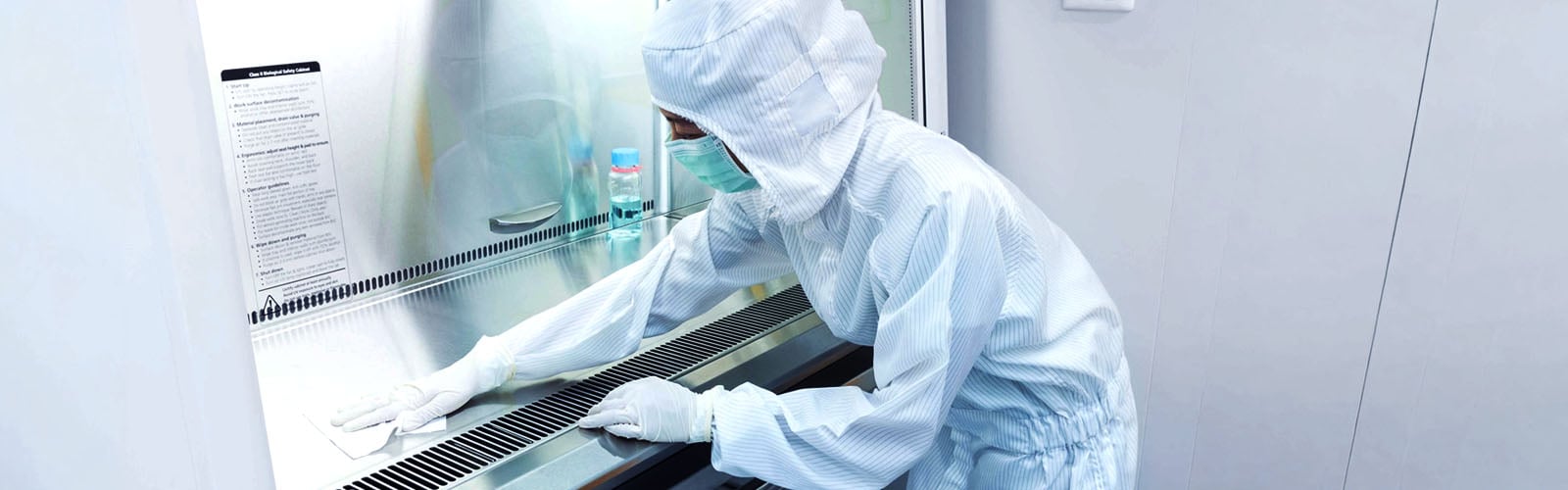
Annual service packages are normally the most cost-effective way to manage compliance. Expert technicians can handle diagnostics and filter validation, ensuring the hood remains compliant with safety standards (like SEFA or ASHRAE) without disrupting daily operations.
Comprehensive Maintenance Checklist
|
Task |
Frequency |
Responsibility |
|
Surface Decontamination |
Daily (Post-Session) |
Lab personnel |
|
Airflow Obstruction Check |
Daily |
Lab personnel |
|
Alarm Status Verification |
Daily (At Start-up) |
Lab personnel |
|
Turbulence & Placement Audit |
Quarterly |
Lab manager |
|
Mechanical & Mounting Check |
Twice a year |
Lab manager |
|
HEPA & Carbon Sensor Testing |
Twice a year |
Lab manager |
|
Professional Calibration |
Yearly (Mandatory) |
Certified technician |
|
Filter Replacement |
Per manufacturer / alarm |
Lab manager |
|
Safety Training Review |
Yearly |
Lab manager |
By following this maintenance checklist, you're likely to maximize the lifespan of your ductless fume hood, ensure your laboratory's safety, and eliminate the risk of contamination.
SAFETY ALERT: Never use a ductless fume hood for high-boiling point acids (like Sulfuric or Nitric) unless the unit is specifically rated for acid-rich environments. Standard carbon filters may degrade or fail to adsorb these effectively.
Now that you know the proper installation and maintenance, it's time to order or upgrade to quality ductless fume hoods available at The Lab Depot. To help you select the suitable unit, contact our team at 1-800-733-2522, email, or through live chat on our website.