

10 Energy Saving Tips to Drive Laboratory Sustainability
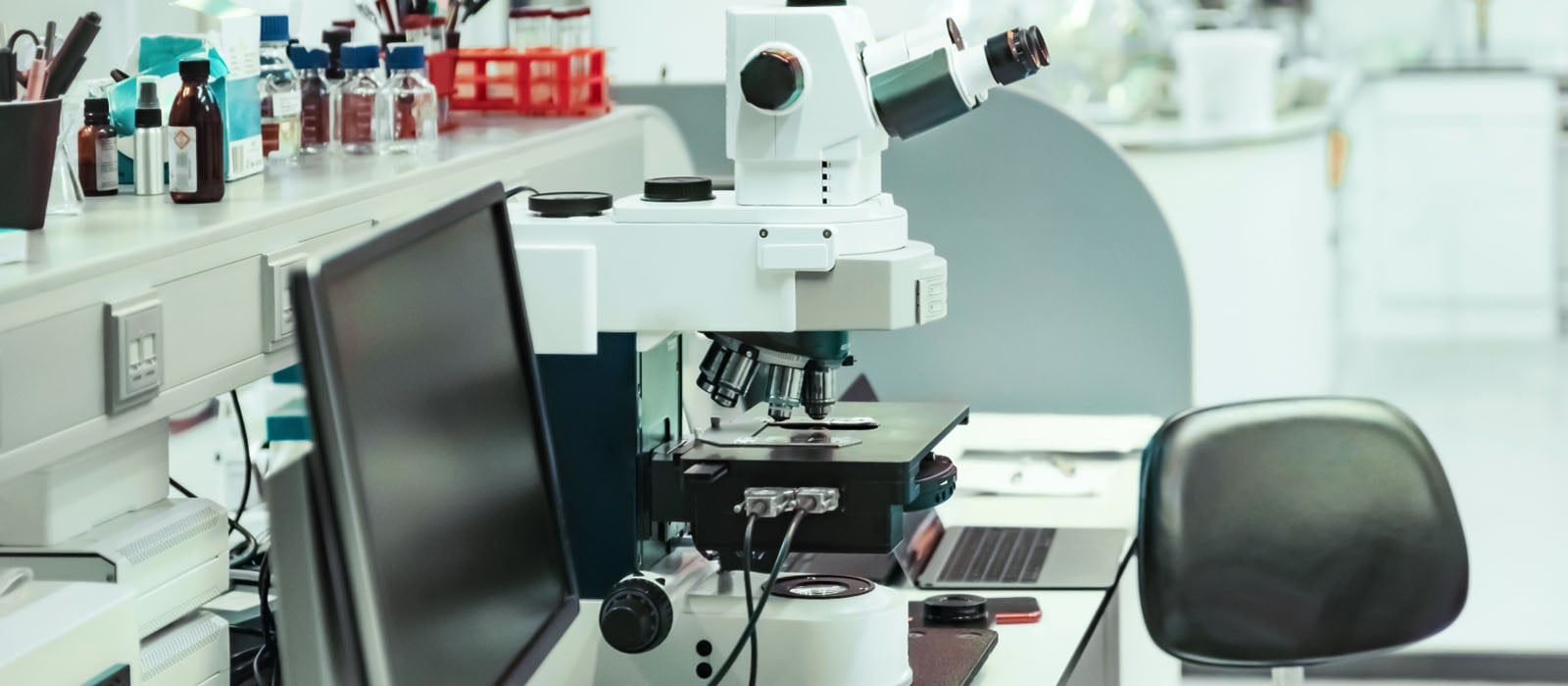
Research labs are among the most energy-intensive environments in the world. Achieving laboratory energy efficiency is essential for reducing operational costs and environmental impact without compromising scientific integrity.That's why following these energy saving tips will help achieve lab efficiency without excessive power usage.
Researchers in different states, countries, and continents conduct experiments every day and therefore consume significant amounts of energy in the name of science and discovery. That's why making labs more sustainable has long been an ongoing effort.
To help ensure labs operate more sustainably and reduce unnecessary energy consumption while maintaining research quality or regulatory requirements, energy saving tips and strategies must be followed. Here, we've grouped the best lab practices to save energy into three categories: facility, equipment, and staff.

Tip #1: Prioritize energy-efficient laboratory equipment.
Energy-efficient features should be among the top features to look at when purchasing lab equipment, especially for equipment that will be used extensively. Some of these features are temperature alarms, automatic shut-off, and improved insulation, all aimed at conserving energy without compromising performance.
If upgrading or purchasing new equipment is not included in the plan, check whether any of the existing equipment offers energy saving settings. If inactivated, enable these settings to help reduce energy consumption. Also, adjust operating parameters rather than relying on factory defaults to better match actual experimental needs.
Tip #2: Keep laboratory refrigerators and freezers in peak condition.
When your cold storage has a worn gasket, fails to provide proper airflow, or has not been regularly cleaned, the compressor tends to work harder and require more energy. Conducting preventive maintenance should prevent these problems.
To extend the lifespan of your laboratory refrigerator or freezer, establish a routine to inspect seals and clean the condenser coils. Organize contents to reduce door-open time and regularly defrost to minimize ice buildup.

Tip #3: Reduce equipment through shared use.
Having redundant equipment in the lab or keeping instruments that are rarely used contributes to the increase in energy waste, even when they are not actively running. Consolidate tools to let multiple teams share the same equipment. If there are rarely used instruments that must be kept in the lab, ensure they are fully powered down when not in use rather than left on standby.

Tip #4: Maximize controls and scheduling to limit power use.
Automating the power-down period for lab instruments that do not require constant operation helps conserve energy. Most tools come with timers and other scheduling features. You can also utilize programmable outlets for automation, especially at night, during weekends, or during prolonged inactivity.

Tip #5: Practice effective, intentional lighting use.
Lights may not be as power-hungry as large tools; however, they steadily contribute to total energy consumption when left on. Turn off the lights when leaving an area, enforce targeted lighting control, and install sensors in areas that do not require regular lighting, such as corridors and storage rooms.

Tip #6: Close fume hood sashes to lower airflow demand.
According to My Green Lab, both constant and variable air velocity fume hoods consume significant amounts of energy. However, variable air velocity fume hoods typically use 110 kWh/day or approximately 3.5 homes' worth of energy per day.
Fume hoods are among the largest energy drivers in a lab. When you leave the fume hood sash open, exhaust fans pull in significant amounts of heated or cooled conditioned air, which is then released outside. If this cycle is left running continuously with the sash open, it causes a spike in energy use.

Tip #7: Operate autoclaves more efficiently.
The energy consumption of autoclaves ranges from 15 kWh/day for smaller models to at least 80 kWH/day for larger units. To prevent excessive power usage, set your autoclave to standby mode when not in use and use energy-intensive programs only when necessary. More importantly, operate it only once it is full.
Tip #8: Chill up your ultra low temperature freezers.
Most labs opt for a standard -80°C setpoint without reassessing actual storage needs. My Green Lab suggests adjusting the temperature of your ULT freezer to -70°C instead of -80°C, especially in older models, to save up to 30% in energy. Following this tip maintains sample integrity and can minimize wear on the compressor and cooling system, extending the life of your equipment.

Tip #9: Develop a structured plan and train the staff.
Raising awareness about the need to conserve energy is a great start, but adopting energy-smart practices is vital in saving energy over time. Regular training sessions and reminders can reinforce expectations without administrative burden.
A documented energy strategy will come in handy for staff training. It should include procedures for using the lab, as well as guidelines for handling equipment to ensure energy-efficient practices become part of the routine.

Tip #10: Use energy assessments to guide improvements.
Energy audits help uncover energy drains that are easy to miss. They can reveal outdated equipment that’s working harder than it should, or excessive ventilation running at a higher level than necessary. They are also vital if you are aiming for LEED certification, as these audits provide the baseline data needed to comply with sustainability standards.
Assessments also help determine routines that quietly increase energy use. This data is invaluable when deciding whether to upgrade equipment to meet higher Energy Star ratings, ensuring that any new investments deliver the best possible efficiency and long-term cost savings
Looking for energy-efficient lab equipment and instruments? You'll find a range of options available at The Lab Depot, manufactured by trusted brands and with built-in features that help reduce energy use. Contact our team at 1-800-733-2522, email, or through live chat on our website for expert assistance.